
Polished concrete vs tiles: which floor makes sense
Tiles are the default floor in most Bunbury and South West homes, so polished concrete usually gets compared to them first. They are two different things: one is a finish laid on top of the slab, the other is the slab. That difference explains most of the pros and cons.
What you are actually comparing
| Polished concrete | Tiles | |
|---|---|---|
| What it is | The slab, ground and sealed | A layer glued over the slab |
| Joints | None, apart from control joints in the slab | Grout lines every tile |
| Look | One continuous surface, colour from the slab | Any colour or pattern, repeating grid |
| Cleaning | Dust mop and damp mop, no grout to scrub | Grout darkens and needs scrubbing or sealing |
| Repairs | A chip is ground and resealed; a crack stays visible | A cracked tile is replaced if a spare matches |
| Wet areas | Needs the right falls and sealer | The standard wet-area finish |
| Changing your mind | The floor is the slab, so it stays | Tiles can be lifted and replaced |
Cost: what moves it
People search "polished concrete vs tiles cost" expecting one answer. There is not one, but the drivers are clear.
Tiles cost the tile itself, the laying, the screed if the slab is not flat, grout, trims and waterproofing. The price climbs fast with large-format or stone tiles.
Polished concrete costs the grinding and sealing, which depends on the area, the sheen and how much the slab needs before it can be polished. On a new build where the slab is poured for polishing, there is nothing to buy and lay on top, so it is often the cheaper floor. On an existing home, lifting tiles adds removal and glue grinding, and the slab underneath may surprise you. Our cost guide walks through each driver.

Polishing over tiles, and tile ghosting
You cannot polish tiles, and you cannot polish concrete through them. The tiles and adhesive come up, and the slab is ground back. One thing to know: a slab that sat under tiles for years can carry the ghost of the grid, because moisture and glue cured the concrete differently along the grout lines. Grinding reduces it, and a lower sheen hides it, but it can remain faintly visible. We look at the slab once the tiles are off and tell you what to expect.
Comfort, heat and noise
Both floors are hard, both are cool in winter and both hold heat from a sunny window. A polished floor feels a touch warmer than ceramic tile underfoot and works well with in-slab heating. Neither is quiet, so rugs do the same job on both.
Where each one wins
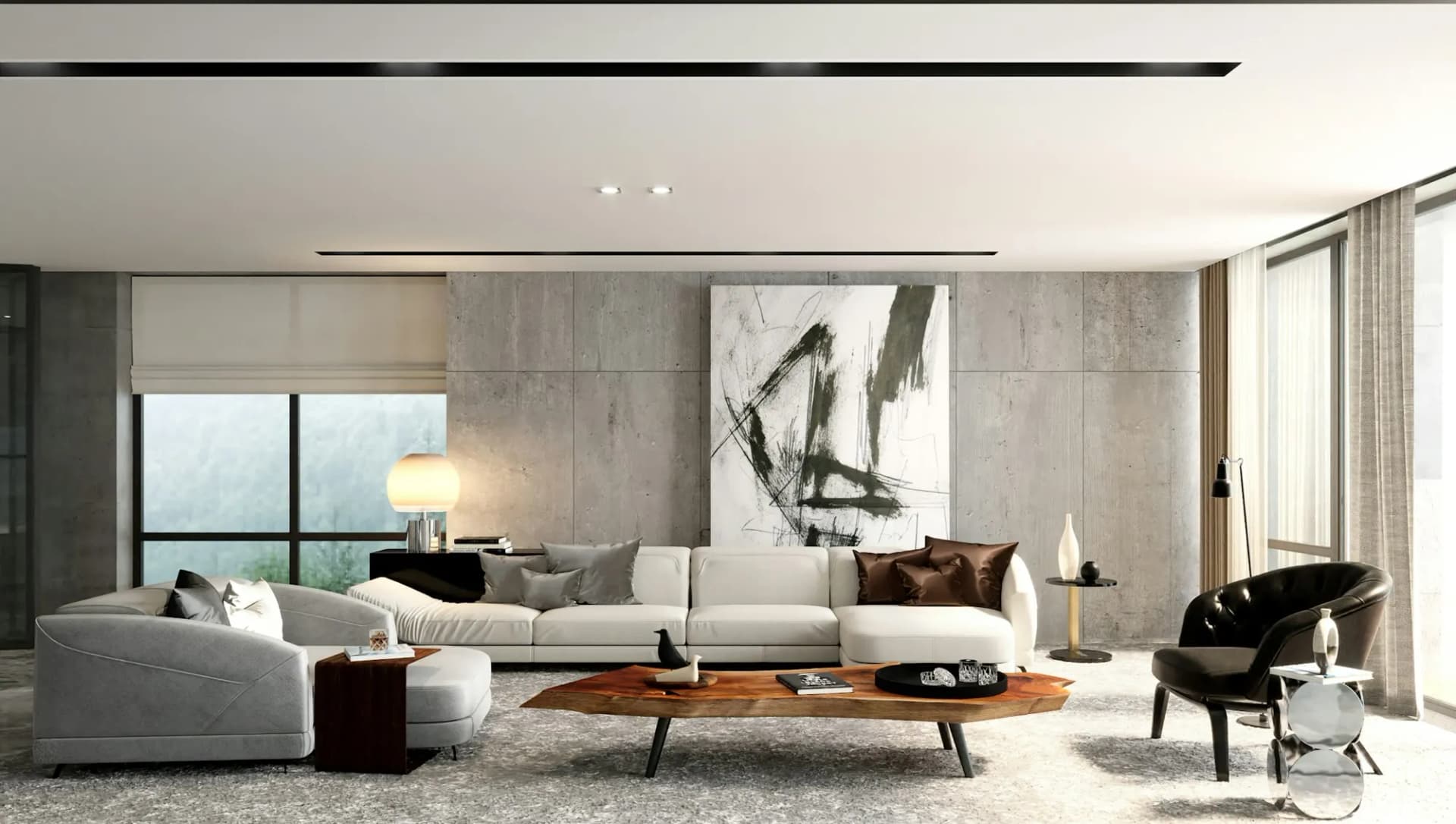
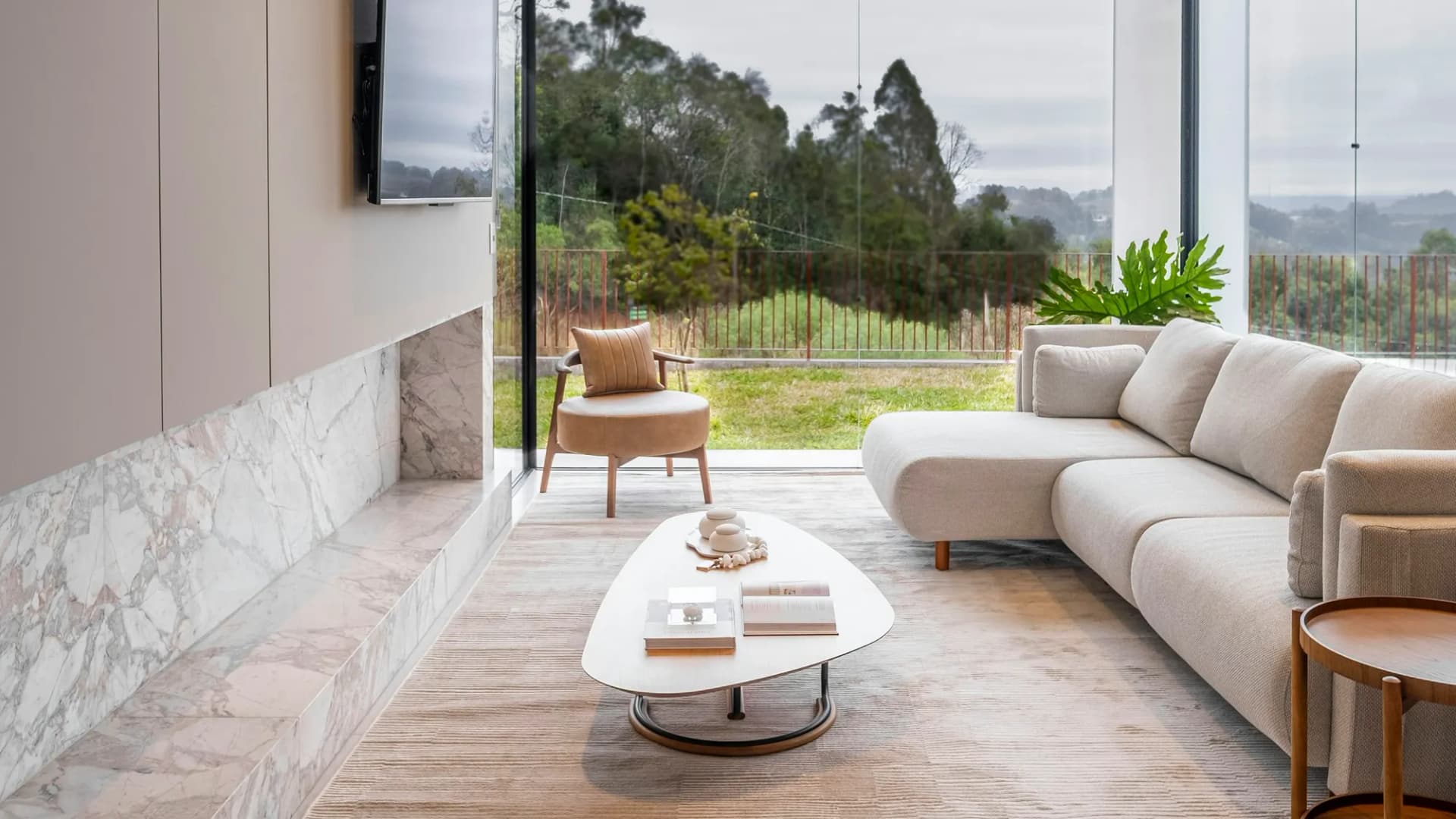
Living areas, kitchens, hallways. Polished concrete, for the continuous surface and the lack of grout. This is where most of our residential polished concrete floors go.
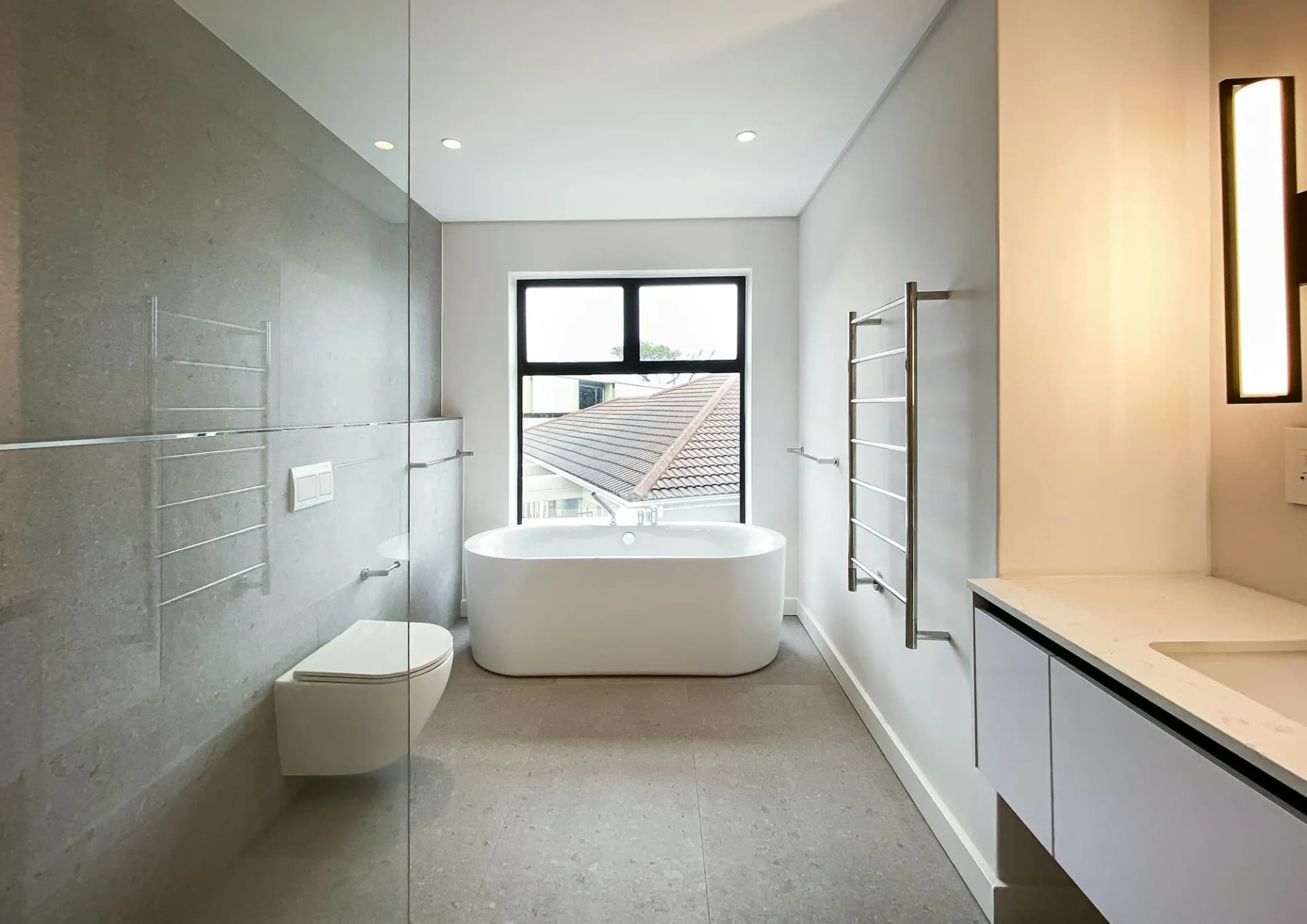
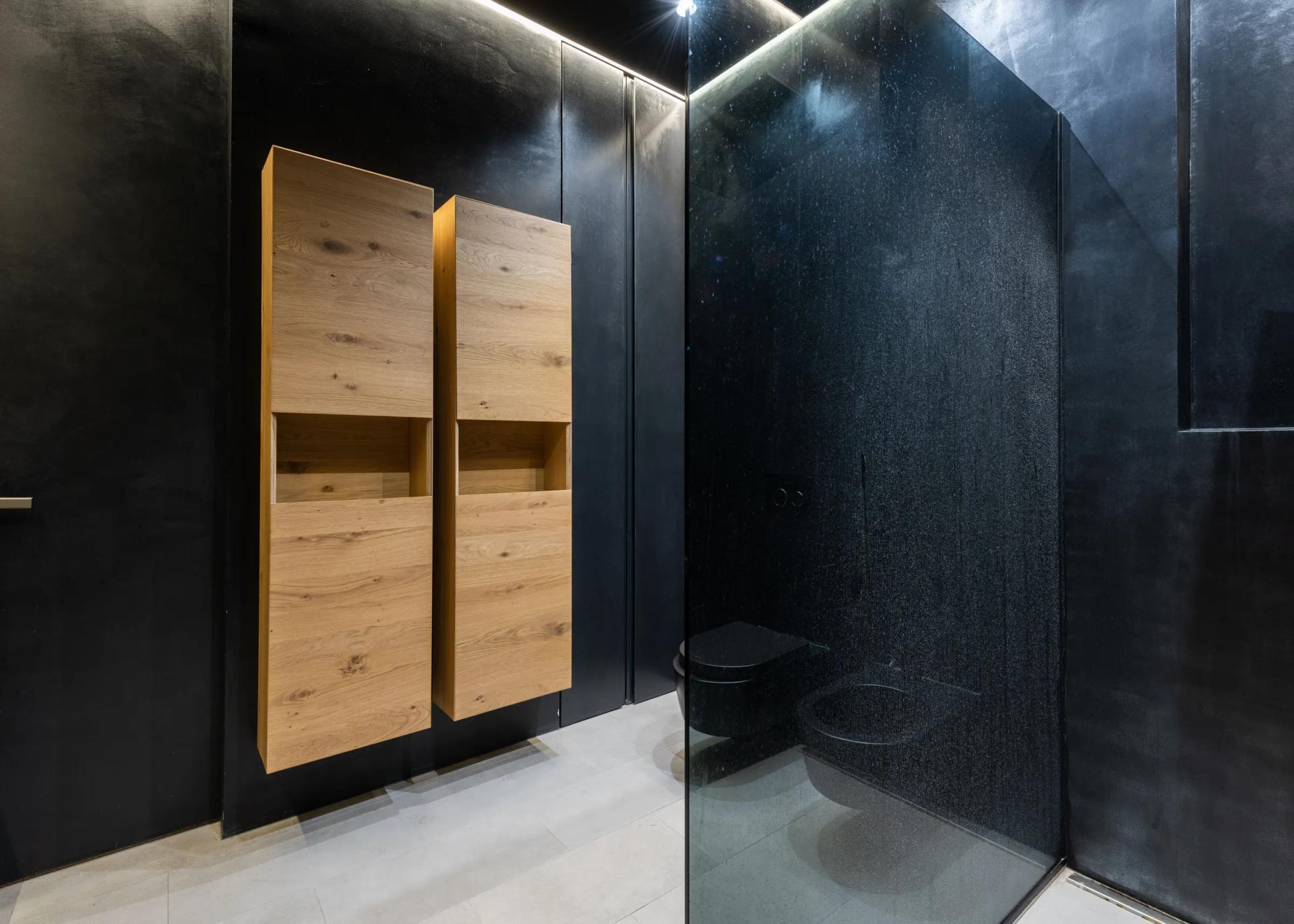
Bathrooms and laundries. Either. Tiles are simpler for a tiler to waterproof. A concrete bathroom floor is possible and looks striking, but the falls to the drain must be set in the slab, and a matte honed concrete finish is the safer choice where it gets wet.
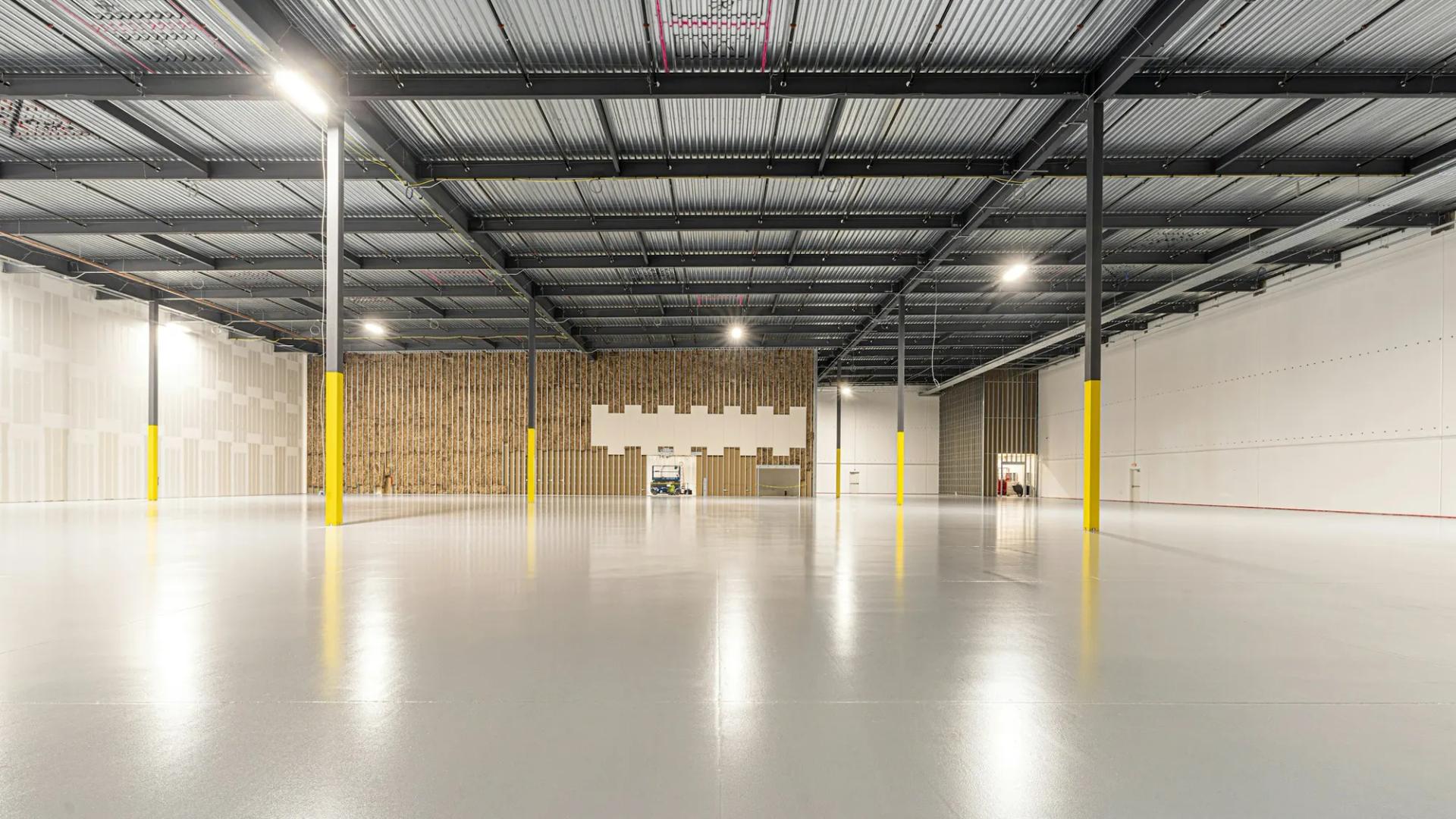
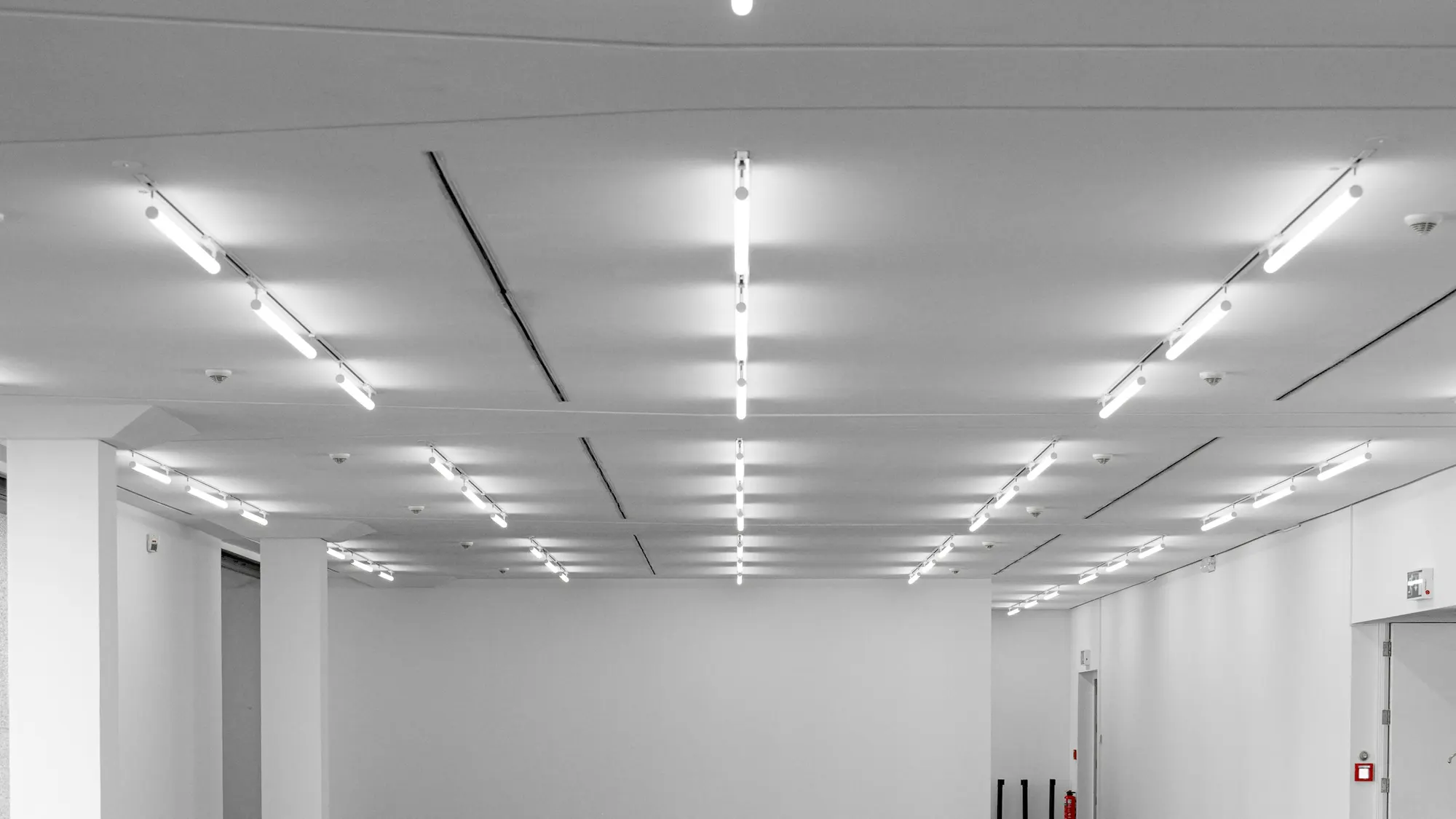
Shops, cafes and offices. Polished concrete, for cleaning and wear under foot traffic and trolleys. See our commercial work.
Tiles that look like polished concrete. These exist and they are a fair choice if the slab cannot be polished. They still have grout lines and they still sit on top of the slab, so the cleaning and repair points above apply.
Where we work: Bunbury and the South West of Western Australia.
Common questions
- Is polished concrete cheaper than tiles?
- On a new build with a slab poured for polishing, it is often comparable or cheaper than mid-range tiles once tile supply, laying, grout and waterproofing are counted. On an existing slab under old tiles it depends on the slab underneath. We quote after seeing it.
- Can you polish concrete over tiles?
- No. Tiles are not concrete and cannot be ground into a polished surface. The tiles and glue come off, and the slab underneath is ground. Ghost marks from the tile grid can remain in the slab.
- Which is better in a bathroom, tiles or polished concrete?
- Both work. Tiles are the familiar wet-area finish. A polished or honed concrete bathroom floor needs the falls built into the slab and a sealer chosen for a wet room. For a shower floor, a matte honed finish has more grip than a gloss polish.
Related services
 Service
Polished concrete
 Service
Honed concrete
 Who we work for
Residential
 Who we work for
Commercial
More guides
 Guide
Polished concrete bathroom floors: waterproofing, falls, grip and walls
Polished concrete bathroom floors in WA: where the waterproofing sits, falls to the waste, grip in the shower, sealer for a wet room, walls and hobs.
 Guide
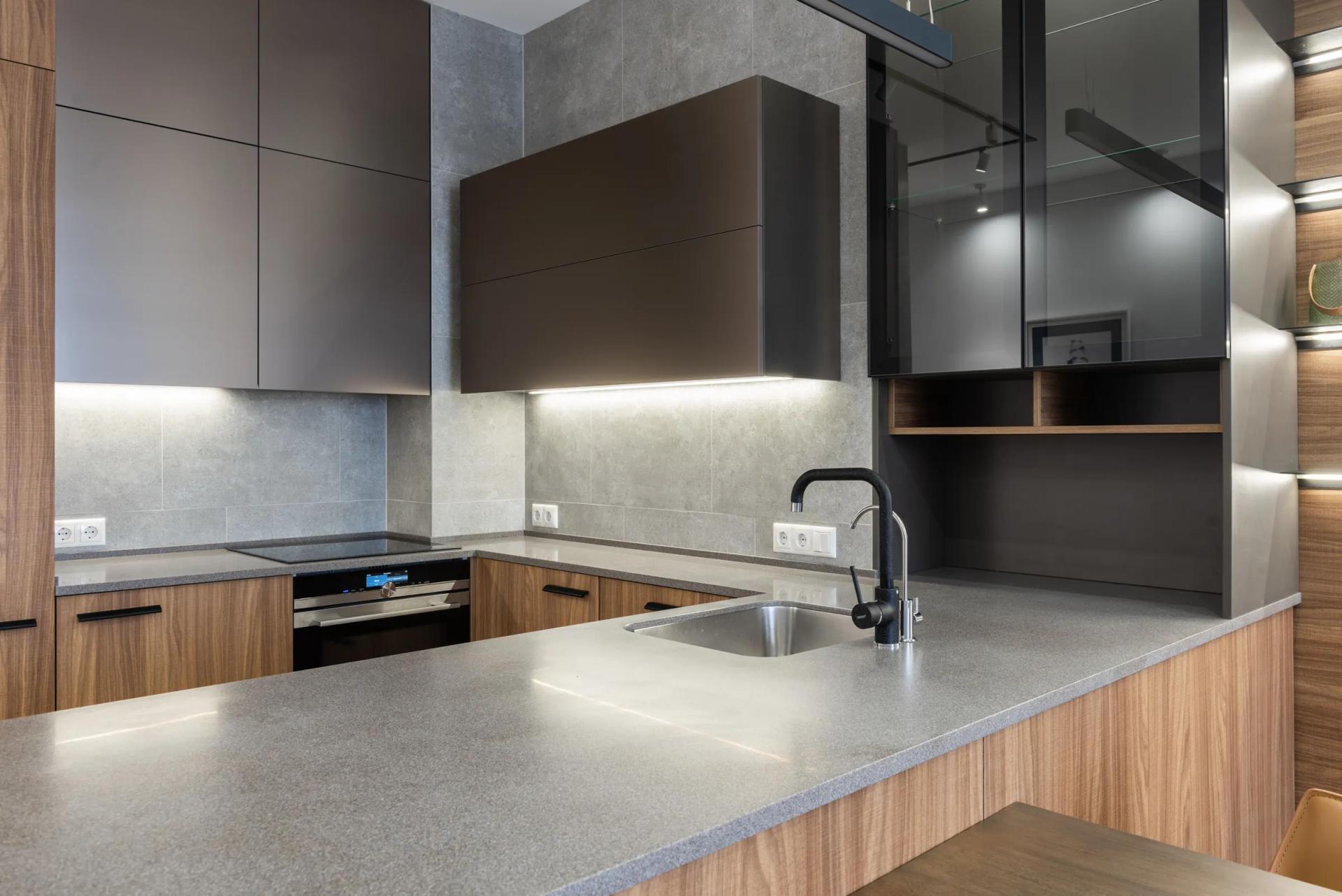
Polished concrete kitchen floors: stains, chips, warmth and the benchtop
Polished concrete kitchen floors in WA: oil, wine and lemon stains, dropped plates, warmth and hydronic heating, colour, the benchtop and open plan.
 Guide
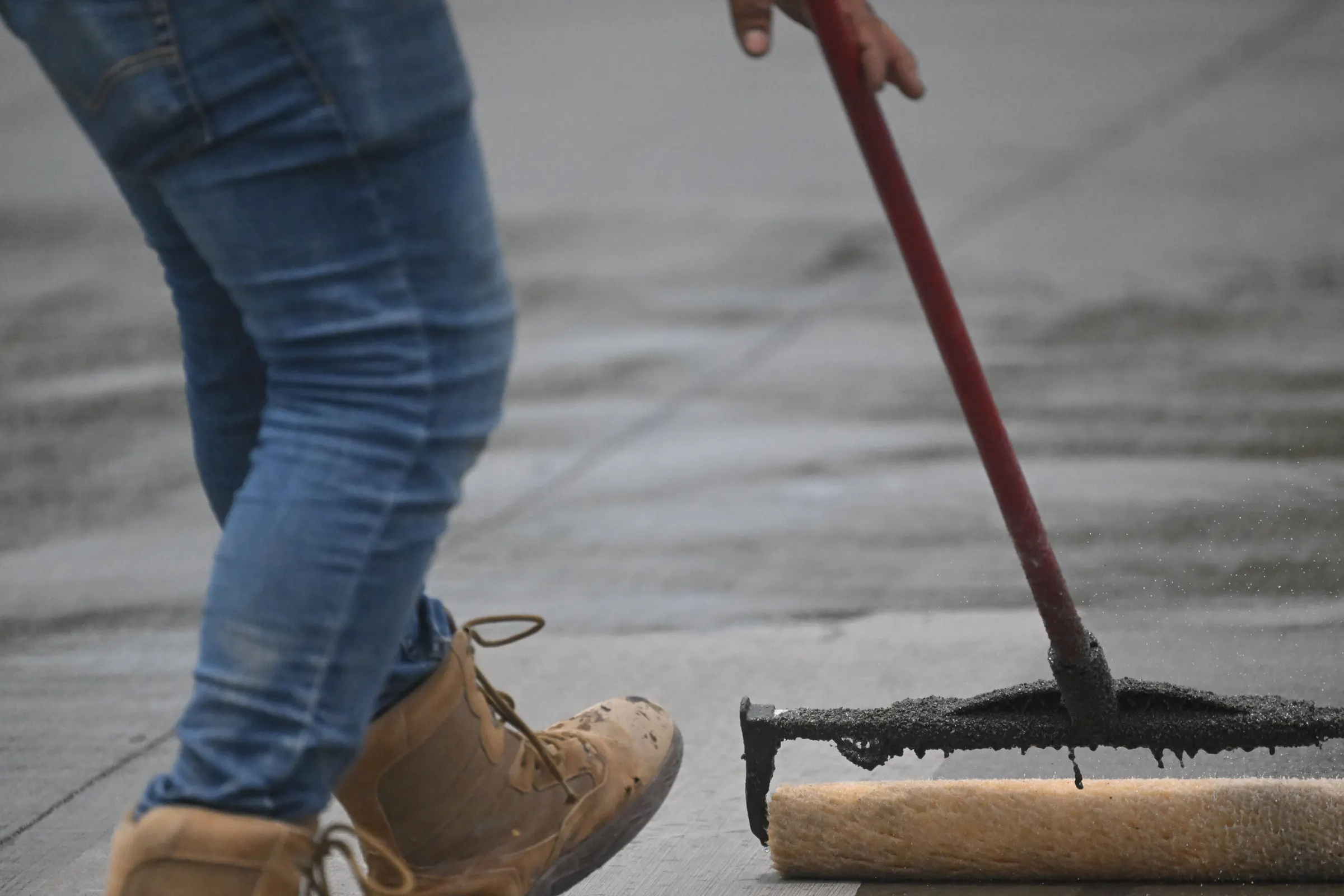
Concrete sealers explained: penetrating vs acrylic, and how often to reseal
Penetrating vs acrylic concrete sealers: which suits polished, honed, burnished, liquid limestone and exposed aggregate, how often to reseal and the signs.
 Guide
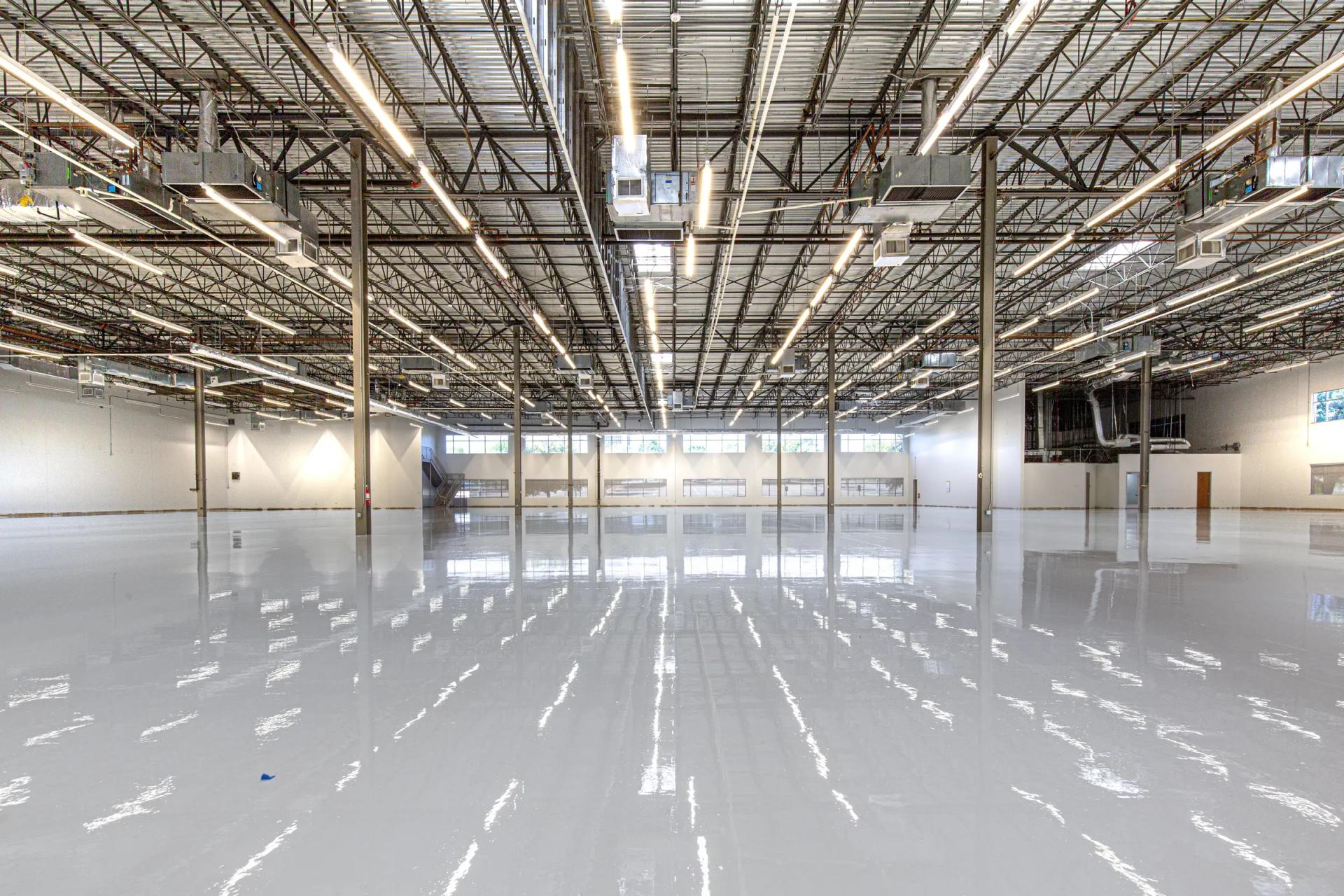
Polished concrete finish levels: aggregate exposure, sheen and grind and seal
Cream, salt and pepper or full exposure; matte, satin or high gloss; grind and seal or mechanically polished. Polished concrete finish levels explained.
 Guide
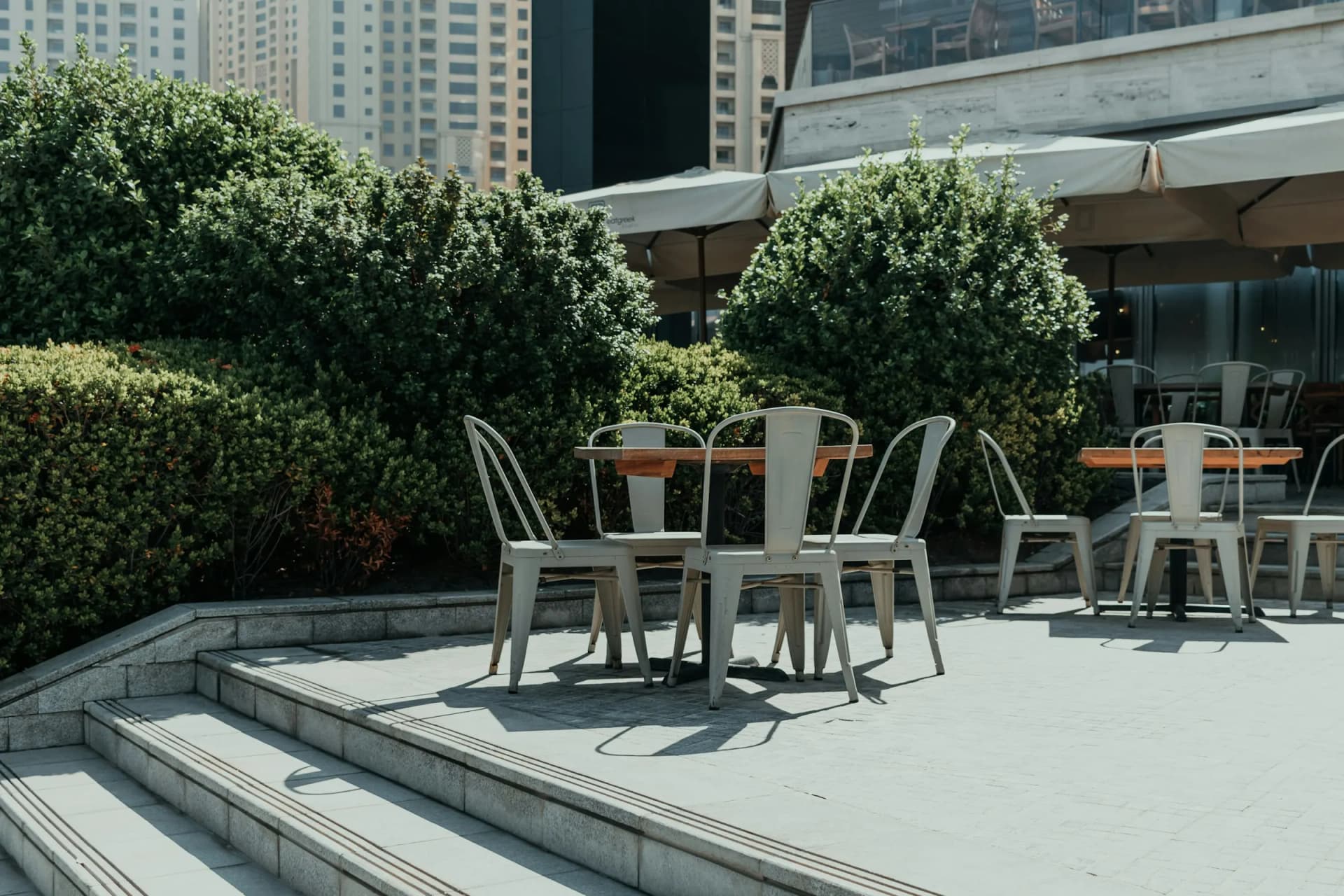
Types of concrete finishes for patios, and how to pick one
Six concrete finishes for a patio compared: plain, honed, liquid limestone, exposed aggregate, coloured and stamped. Grip, heat, glare, upkeep and cost in WA.
 Guide
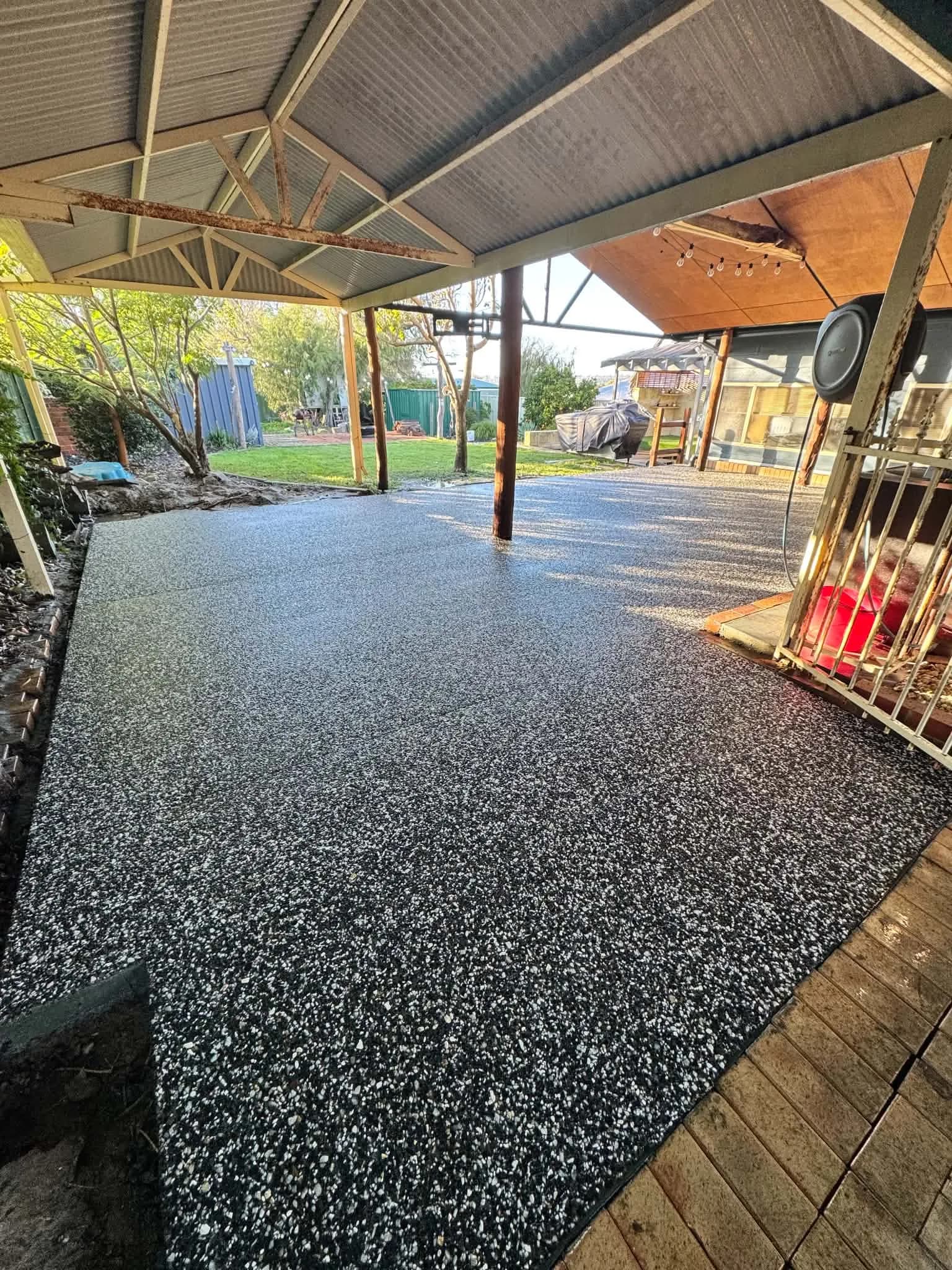
Outdoor polished concrete: alfresco, patio and the indoor-outdoor floor
Outdoor polished concrete usually means honed. Glare, heat, grip, sealers and how to run one finish from the living room to the alfresco, patio and pool in WA.
 Guide
Polished concrete garage floors: what to know before you decide
Is a polished concrete garage floor a good idea? Tyre marks, oil, sheen, new slab versus old, and when burnished or sealed suits a garage or shed better in WA.
 Guide
Polished concrete vs epoxy: which floor for a workshop, warehouse or shop
Polished concrete vs epoxy for a workshop, warehouse, shop or garage: wear, peeling, chemical resistance, downtime, upkeep and where grind and seal fits in.
 Guide
Exposed aggregate vs honed and polished concrete
Exposed aggregate, honed or polished aggregate: how each is made, how they differ on grip, cleaning and look, and which suits a driveway, pool or floor in WA.
 Guide
How to clean polished concrete floors
Everyday cleaning, what never to use, stains, and when a polished, honed or burnished floor needs resealing. Plain maintenance advice from Bunbury, WA.
 Guide
Polished concrete colours: what decides the final look
White, grey, black or aggregate? Where polished concrete colour comes from (cement, stone, oxides, sheen) and what you can choose on a new or existing slab.
 Guide
Polished concrete on an existing slab: can it be done?
Can an old slab be polished? What we check, what the slab decides for you, when an overlay or topping is the answer, and why a new slab is planned differently.
 Guide
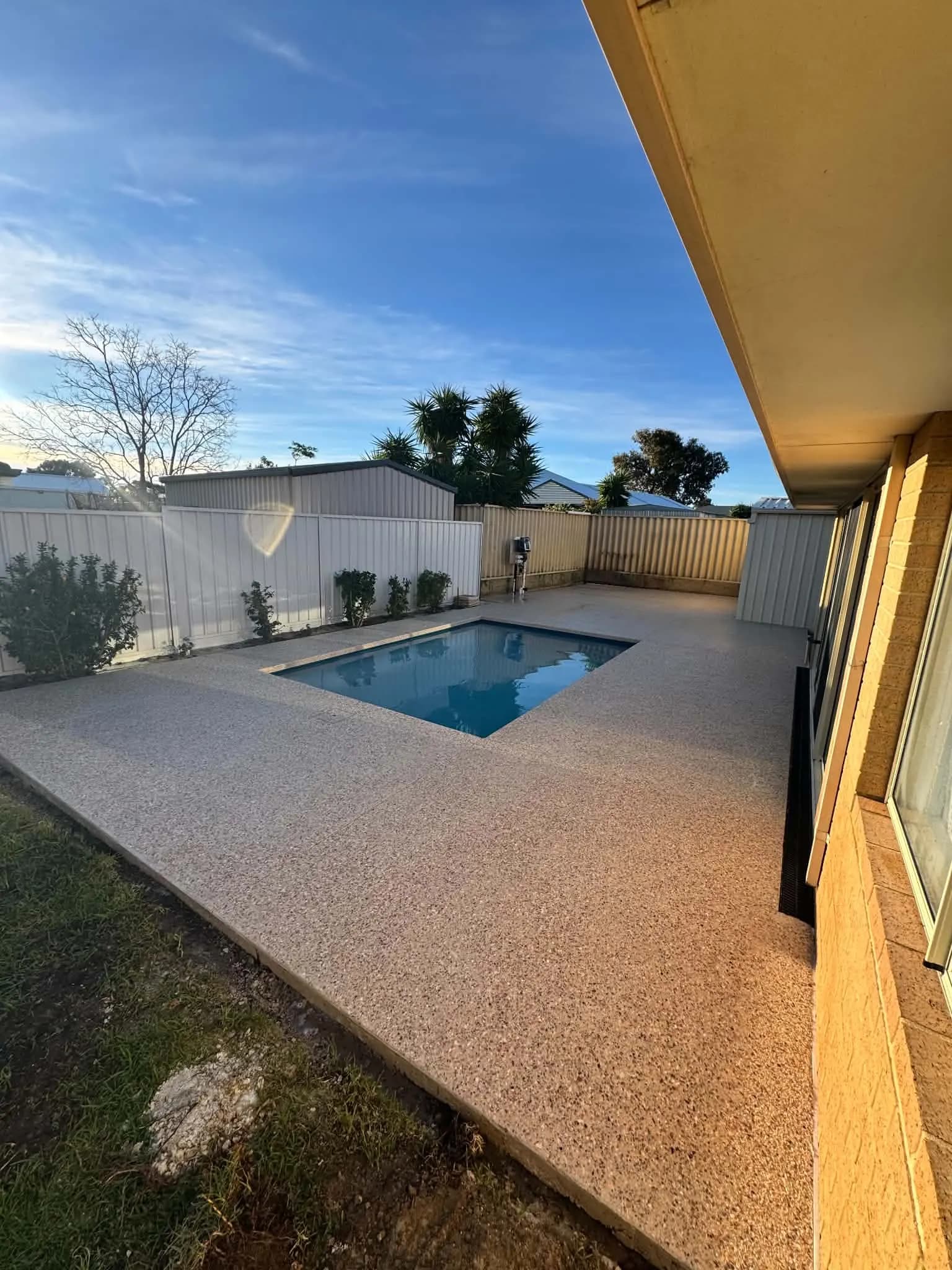
Concrete pool surround finishes: honed or liquid limestone?
Honed concrete or liquid limestone for a pool surround? How the finishes differ on grip, heat, glare and upkeep, and how to choose in WA.
 Guide
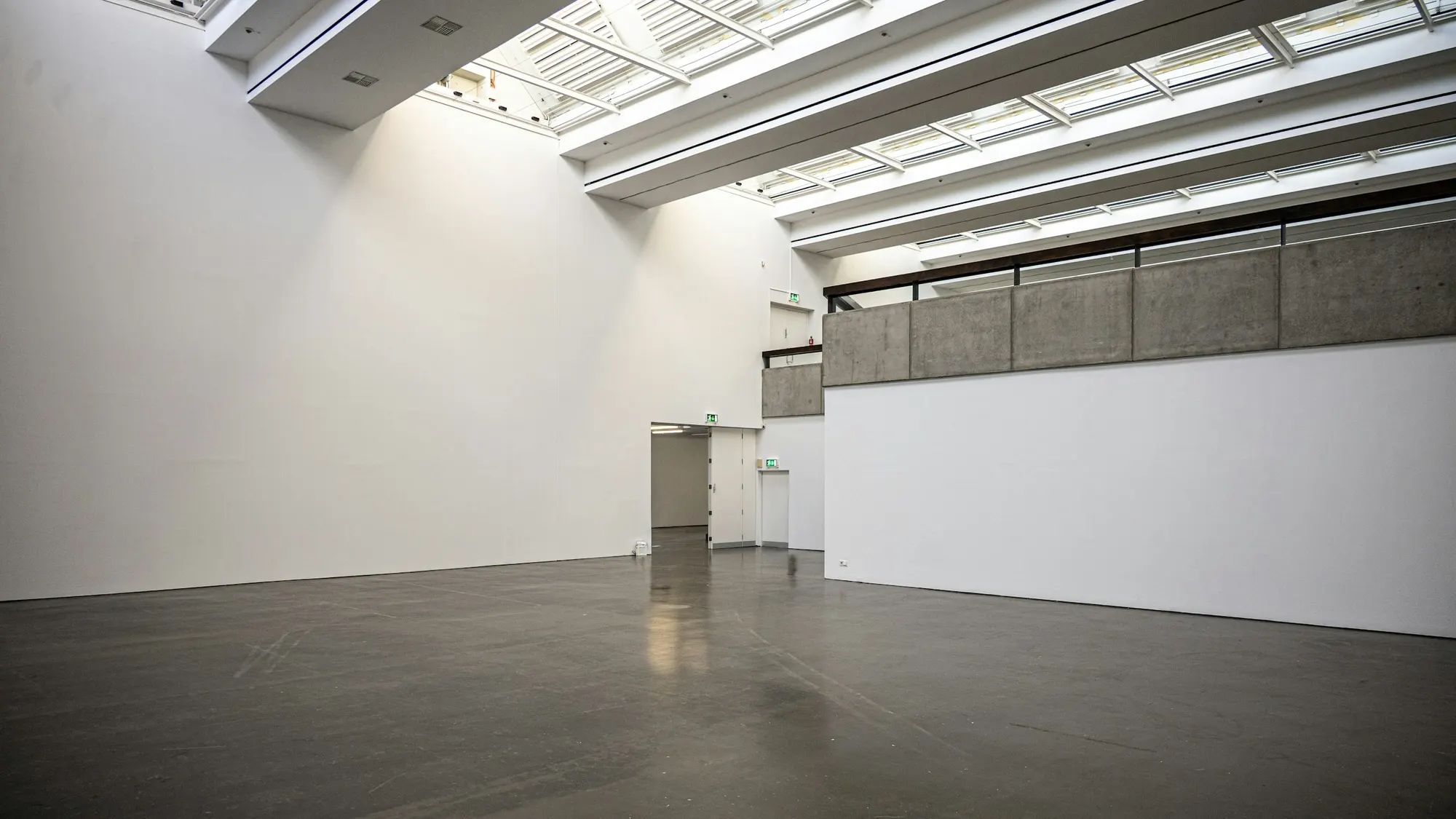
Is polished concrete slippery?
Is polished concrete slippery when wet? What decides grip, where a lower sheen suits better, and what to ask before you choose a finish.
 Guide
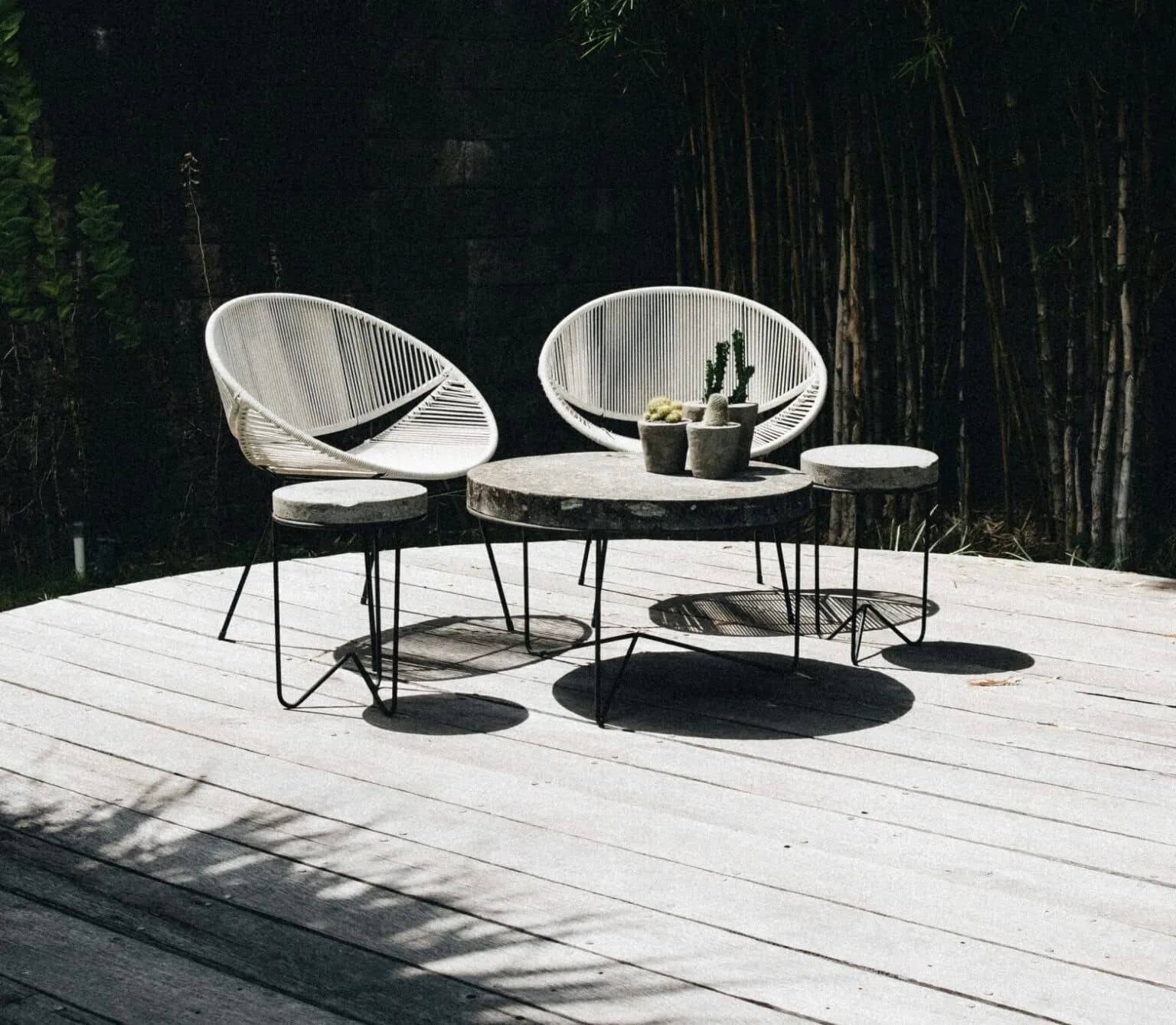
Concrete benchtops and furniture: what to plan first
Thinking about a polished concrete benchtop or custom concrete furniture? What it is, how it is made, and what to plan before you order in WA.
 Guide
Polished concrete cost: what decides the price
What drives the cost of polished concrete floors: slab condition, area, level of finish and access. How to get an accurate quote in Bunbury and WA.