
Polished concrete kitchen floors: stains, chips, warmth and the benchtop
In most of the open-plan homes we work on in Bunbury and the South West, the kitchen is not a separate room, so the kitchen floor is whatever the living floor is. That makes the kitchen the hardest-working stretch of a polished concrete floor: it gets oil, wine, dropped plates, chair legs and the dog's water bowl. This post covers how a polished floor copes and what to decide before the pour.
For how the whole house is approached, see our residential polished concrete floors page. This one stays in the kitchen.
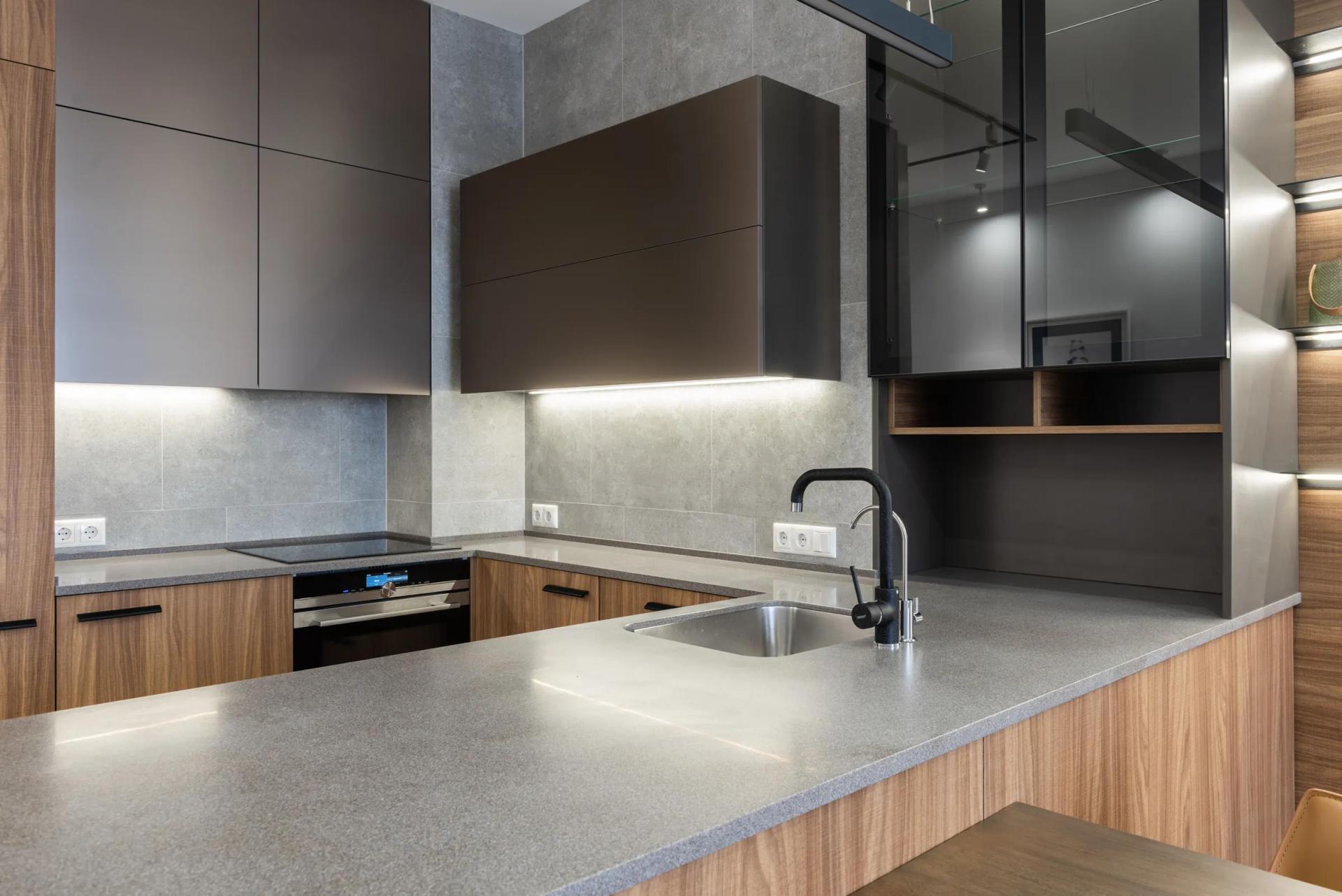
Why a kitchen suits polished concrete
A kitchen floor fails in two places: the grout lines, where grease and water collect, and the joint at the kickboards, where water from a leaking dishwasher gets under a floating floor. A polished slab has neither. It is one surface from wall to wall, nothing to lift, nothing to swell, and a dropped egg wipes off it.
Stains: oil, wine, coffee and lemon
Concrete is porous, and an unsealed slab takes up a cooking oil spill the way a paving slab does. A polished floor is densified and sealed with a penetrating stain guard, which closes the surface so spills sit on top long enough to be wiped. In practice:
- Oil, butter and sauces. Wipe them when you see them. A splash behind the cooktop that sits overnight will usually still come off a sound sealer; a puddle left for a week may leave a shadow.
- Red wine, coffee and tea. Same rule. These are tannin stains and they take to bare concrete fast, so the sealer is doing real work here. A mid-grey floor hides a faint mark that a pale floor would show.
- Lemon, vinegar and other acids. The one group to treat differently. Acid etches rather than stains, leaving a dull spot in the sheen even after it is wiped. Lemon juice, vinegar-based cleaners, tomato and some fizzy drinks all count. Wipe these straight away, and never clean the floor with vinegar.
The sealer wears and is renewed by wiping on another coat when water stops beading, sooner in a busy kitchen than in a bedroom. Which sealer and why is in concrete sealers explained, and the cleaning routine is in how to clean polished concrete floors.
Dropped plates, pans and chair legs
Concrete is harder than crockery. When a plate hits the floor the plate loses and the floor is unmarked. What can mark it is heavy and sharp: a cast iron pot landing on its rim, a knife dropped point-first, a stool dragged with a screw sticking out of its foot. Those leave a small chip or scratch. Chips can be filled with a matching grout and re-polished, and the repair is visible if you know where to look.
Two choices reduce this. A salt and pepper or full aggregate exposure hides a chip far better than a cream finish, because the surface is already busy with stone, and a satin sheen shows scratches less than high gloss. Felt pads on chair and stool legs do the rest, as on timber or tiles.
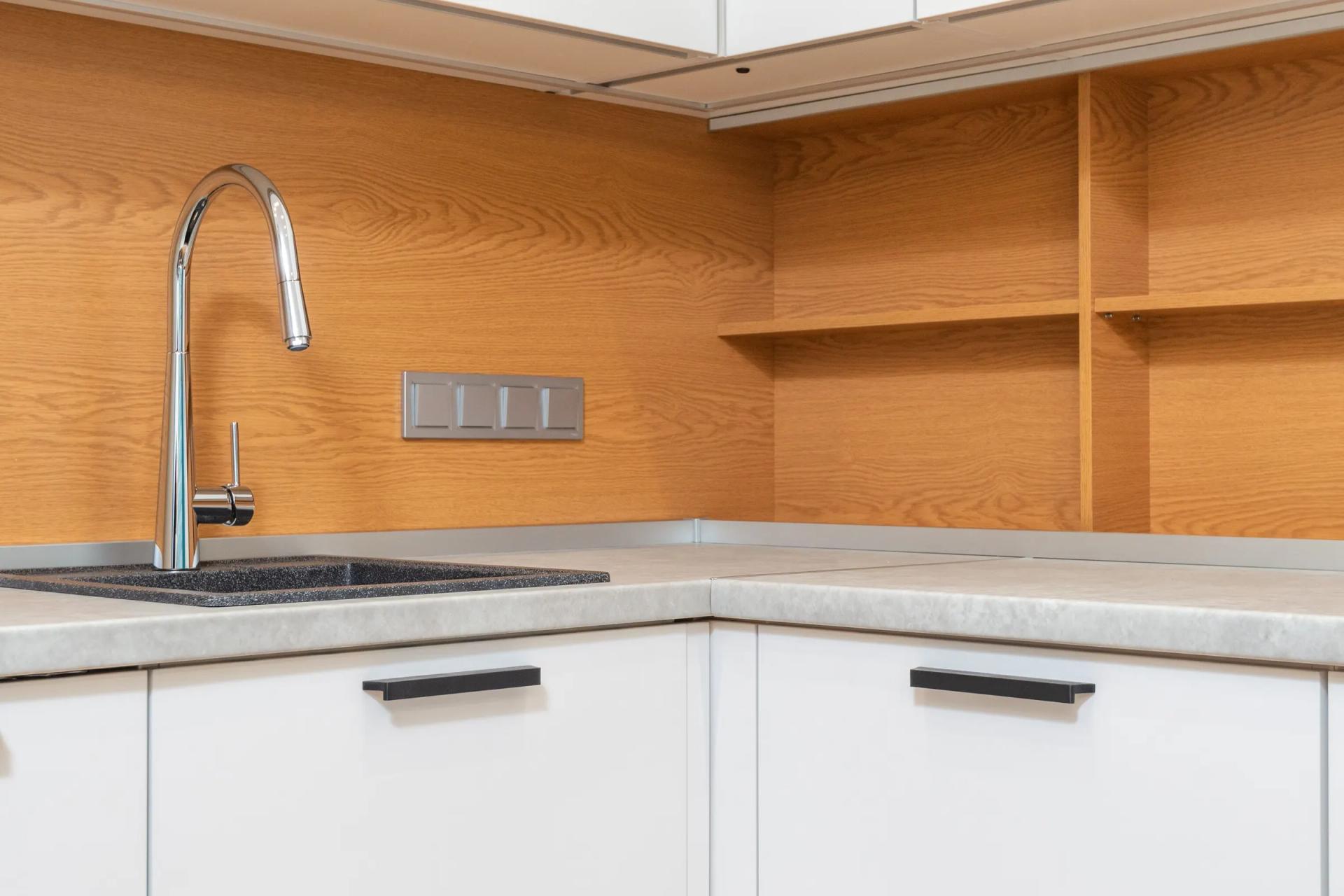
Warmth underfoot and hydronic heating
Polished concrete feels the temperature of the room. In a South West winter that means cool, the same as tiles, and in summer it is the floor the dog chooses. Two things change this.
The first is sun. A slab facing a north window soaks up heat during the day and gives it back in the evening, the passive-solar case for a bare slab. The second is in-slab heating. Hydronic pipes or electric cable set in the slab turn the kitchen floor into a low-temperature radiator, and polished concrete is the best finish for it because there is no timber, underlay or tile bed between the heat and your feet.
If a heated slab is being polished, two things matter. The pipes need enough cover that grinding to the planned exposure stays well clear of them; a cream or salt and pepper grind removes a few millimetres, a full exposure grind goes deeper, and we check the cover first. And the pipe layout plan is kept, so that control joints and any later cuts miss the pipes.
Colour and exposure for a kitchen
A kitchen floor is looked at under hard task lighting, with crumbs on it, more than any other floor. That pushes the choice toward the middle: a mid-grey with salt and pepper exposure hides dust, crumbs and faint marks, and a satin rather than gloss sheen keeps downlights from reading as hot spots. Very dark floors show every speck of flour; very pale ones show every tannin mark.
The colour comes from the cement, sand and stone in the mix and the depth of grind, not from a coating, so it is decided before the pour. The options are in polished concrete colours and the grind and sheen levels in polished concrete finish levels. Ask for a sample panel under your kitchen lighting before committing.
The benchtop tie-in
A kitchen with a concrete floor often wants a concrete benchtop, and the two are made differently. The floor is the slab, ground in place. The benchtop is cast in a mould to your drawings, cured, ground and sealed, then fitted to the cabinets. Because they are separate pours, they are a match rather than the same material: we can get close on colour and exposure, or run the benchtop darker or lighter so the two read as two things. Most people choose a contrast, which also hides the small variation between two batches of concrete.
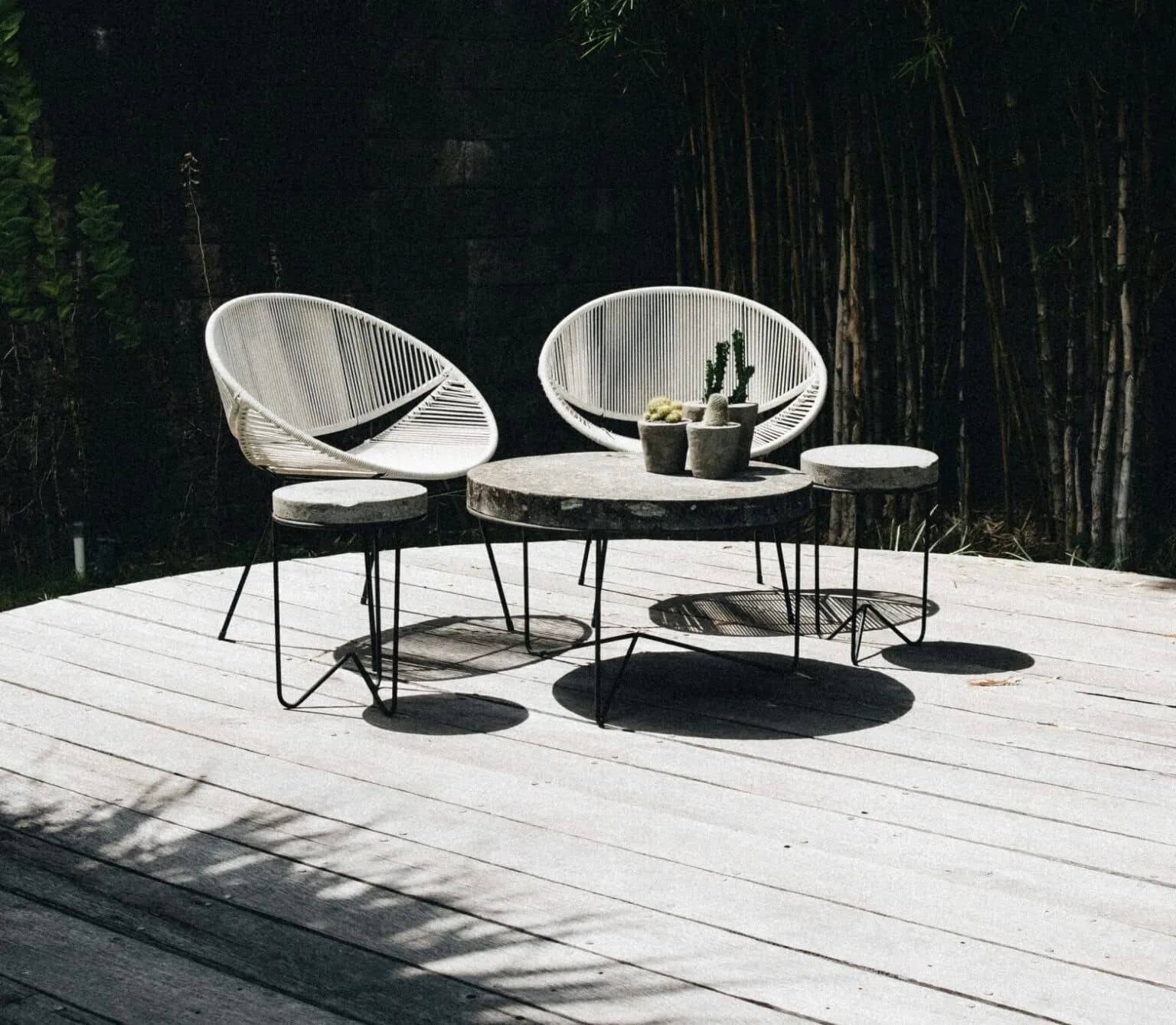
A benchtop sealer deals with lemon, wine and hot pans more intensely than the floor, so it is chosen and renewed separately. What we make and how to plan a piece is on the concrete furniture page, with the planning questions in concrete benchtops and furniture.
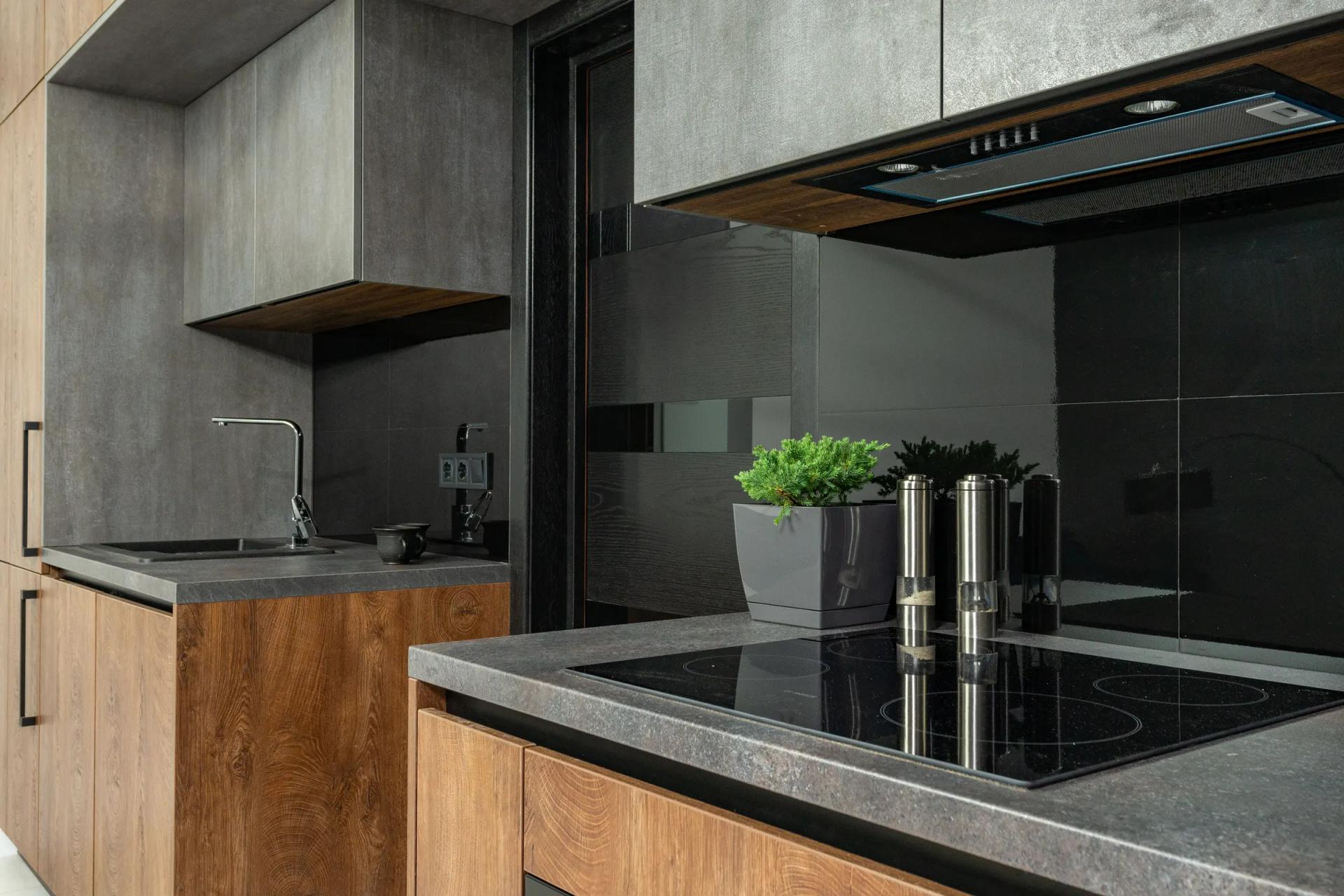
Open plan: kitchen, living room and alfresco as one floor
The reason "modern polished concrete floor kitchen" is a common search is the look of one surface running from the front door through the kitchen and out to the alfresco. Indoors, that is one slab with no thresholds, and the kitchen is a zone of it rather than a room. The finish stays the same all the way through.
At the sliding door the rules change. Polished concrete outdoors is slippery when wet and glary in sun, so the alfresco slab continues in the same concrete but is honed matte instead of polished, with the change of finish at the door line. Done well, the colour matches and only the sheen changes. How that transition is handled is in outdoor polished concrete and alfresco.
New slab or existing kitchen
A new build is the simple case: the slab is poured for polishing, the heating is laid with the finish in mind, and the kitchen is set out on top. An existing kitchen on a slab can usually be polished once the old floor comes off, with the usual caveats: tile adhesive and ghost lines from the old grid, cut-outs where plumbing was moved, a line where an old wall was. We go through those before quoting so you know what will stay visible. The detail is in polished concrete on an existing slab.
Getting a kitchen floor quoted
If you are planning a residential polished floor and the kitchen is part of it, send us the plan or a rough area, whether the slab is new or existing, whether in-slab heating is going in, and whether a concrete benchtop is on the list. Use the form on this page or the contact page and we will come back with what the floor needs and a finish that suits how the kitchen is used.
Where we work: Bunbury and the South West of Western Australia.
Common questions
- Does a polished concrete kitchen floor stain?
- A sealed floor resists oil, wine, coffee and sauce if they are wiped up the same day. Lemon, vinegar and other acids are the exception: they etch the surface if left, so wipe them straight away. Bare or worn-sealer concrete stains; a maintained sealer is what stops it.
- What happens when you drop a plate on polished concrete?
- The plate breaks and the floor is almost always fine. A heavy pan or a cast iron pot landing edge-on can take a small chip out of the surface, which can be filled but stays visible up close. Chips show least on a salt and pepper or full exposure finish.
- Is a polished concrete kitchen floor cold?
- It holds the room temperature, so it feels cool in winter and cool in summer. With hydronic or electric in-slab heating it is one of the warmest floors you can have, because the slab is the heater. Without heating, a rug at the sink and sun from a north window do most of the work.
- Can the benchtop match the floor?
- The benchtop is cast separately, so it is a matching piece rather than the same pour. We can get close in colour and exposure, or go deliberately darker or lighter. Most people choose a contrast so the two surfaces read as two things.
- Can the kitchen floor run into the living room and alfresco?
- Indoors, yes, as one slab with no thresholds. Outdoors the same concrete continues but is honed matte instead of polished, for grip and glare, with a change of finish at the door line.
Related services
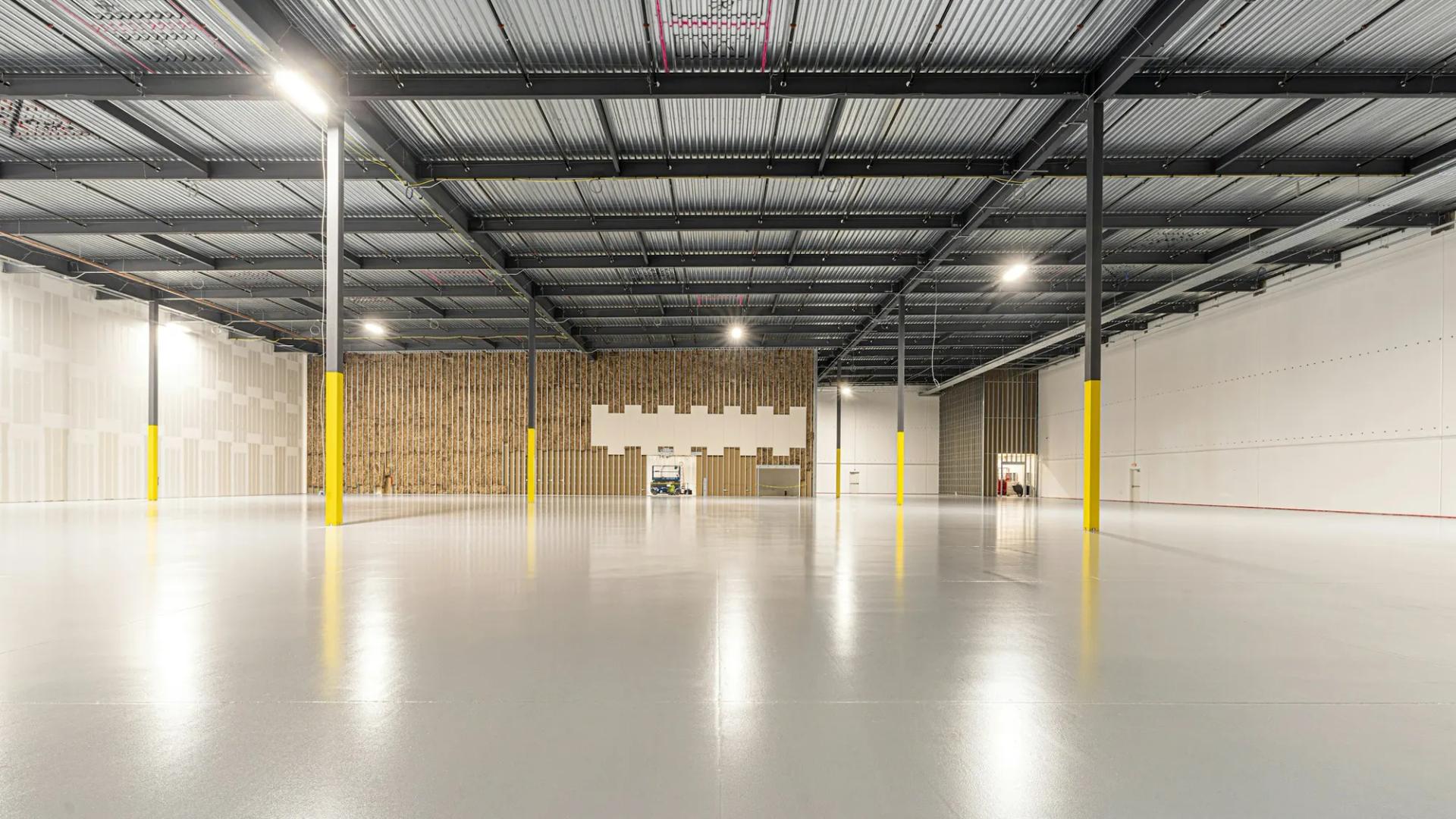 Service
Polished concrete
 Who we work for
Residential
 Service
Concrete furniture
More guides
 Guide
Polished concrete bathroom floors: waterproofing, falls, grip and walls
Polished concrete bathroom floors in WA: where the waterproofing sits, falls to the waste, grip in the shower, sealer for a wet room, walls and hobs.
 Guide
Concrete sealers explained: penetrating vs acrylic, and how often to reseal
Penetrating vs acrylic concrete sealers: which suits polished, honed, burnished, liquid limestone and exposed aggregate, how often to reseal and the signs.
 Guide
Polished concrete finish levels: aggregate exposure, sheen and grind and seal
Cream, salt and pepper or full exposure; matte, satin or high gloss; grind and seal or mechanically polished. Polished concrete finish levels explained.
 Guide
Types of concrete finishes for patios, and how to pick one
Six concrete finishes for a patio compared: plain, honed, liquid limestone, exposed aggregate, coloured and stamped. Grip, heat, glare, upkeep and cost in WA.
 Guide
Outdoor polished concrete: alfresco, patio and the indoor-outdoor floor
Outdoor polished concrete usually means honed. Glare, heat, grip, sealers and how to run one finish from the living room to the alfresco, patio and pool in WA.
 Guide
Polished concrete garage floors: what to know before you decide
Is a polished concrete garage floor a good idea? Tyre marks, oil, sheen, new slab versus old, and when burnished or sealed suits a garage or shed better in WA.
 Guide
Polished concrete vs epoxy: which floor for a workshop, warehouse or shop
Polished concrete vs epoxy for a workshop, warehouse, shop or garage: wear, peeling, chemical resistance, downtime, upkeep and where grind and seal fits in.
 Guide
Polished concrete vs tiles: which floor makes sense
Is polished concrete cheaper than tiles? Often, on a new slab. How cost, grout, wet areas, comfort and resale compare, and why you can't polish over tiles.
 Guide
Exposed aggregate vs honed and polished concrete
Exposed aggregate, honed or polished aggregate: how each is made, how they differ on grip, cleaning and look, and which suits a driveway, pool or floor in WA.
 Guide
How to clean polished concrete floors
Everyday cleaning, what never to use, stains, and when a polished, honed or burnished floor needs resealing. Plain maintenance advice from Bunbury, WA.
 Guide
Polished concrete colours: what decides the final look
White, grey, black or aggregate? Where polished concrete colour comes from (cement, stone, oxides, sheen) and what you can choose on a new or existing slab.
 Guide
Polished concrete on an existing slab: can it be done?
Can an old slab be polished? What we check, what the slab decides for you, when an overlay or topping is the answer, and why a new slab is planned differently.
 Guide
Concrete pool surround finishes: honed or liquid limestone?
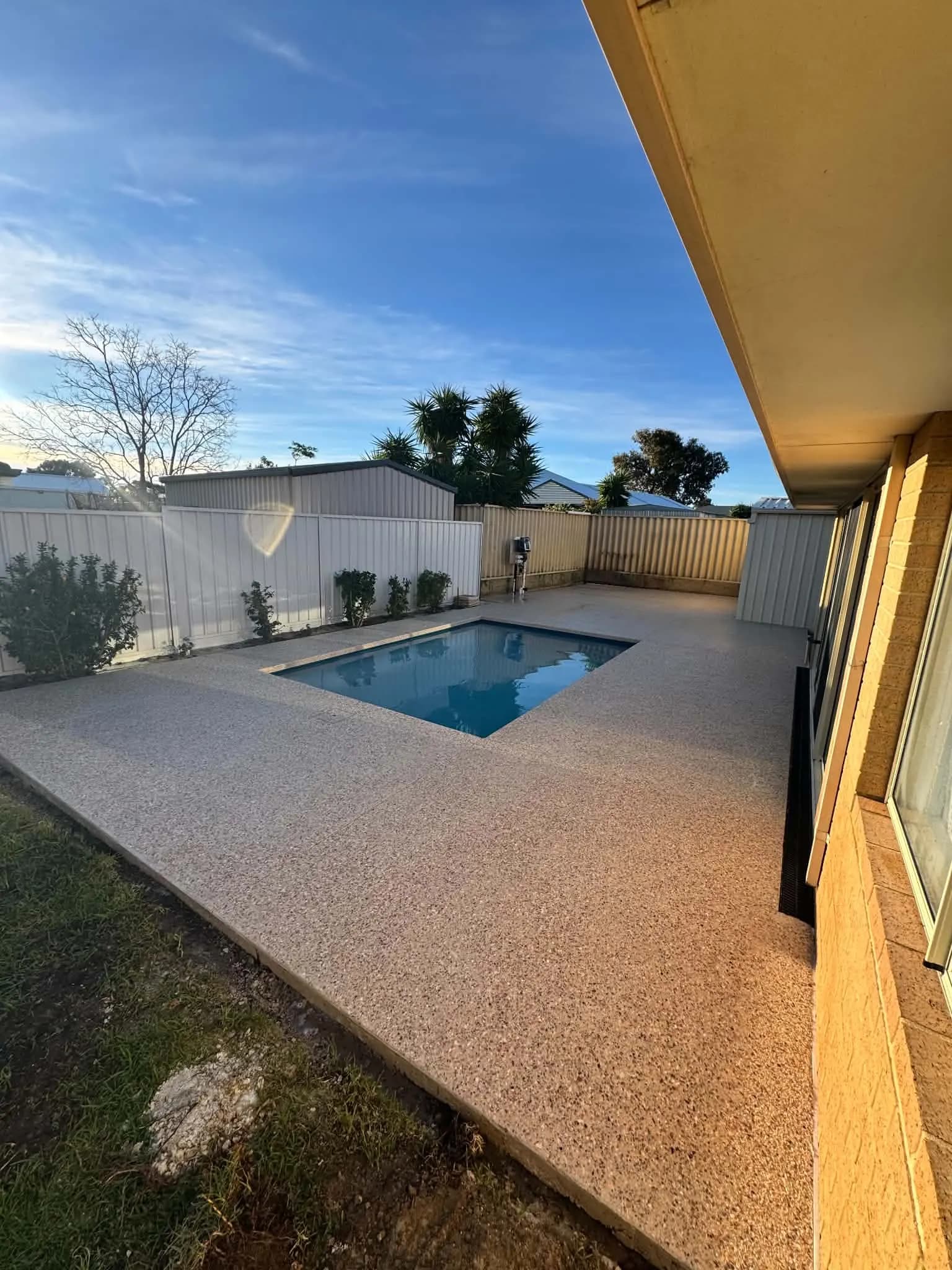
Honed concrete or liquid limestone for a pool surround? How the finishes differ on grip, heat, glare and upkeep, and how to choose in WA.
 Guide
Is polished concrete slippery?
Is polished concrete slippery when wet? What decides grip, where a lower sheen suits better, and what to ask before you choose a finish.
 Guide
Concrete benchtops and furniture: what to plan first
Thinking about a polished concrete benchtop or custom concrete furniture? What it is, how it is made, and what to plan before you order in WA.
 Guide
Polished concrete cost: what decides the price
What drives the cost of polished concrete floors: slab condition, area, level of finish and access. How to get an accurate quote in Bunbury and WA.