
How to clean polished concrete floors
A polished floor is one of the easiest surfaces to look after, but a few products will dull it fast. This is what we tell clients in Bunbury and the South West when we hand over a floor.

Everyday cleaning
- Dust mop or soft broom first. Grit is what scratches a polished floor. Removing it dry, before any water, does most of the work.
- Damp mop with a neutral cleaner. Plain water is fine for most days. For more, use a pH-neutral floor cleaner diluted as the label says. Microfibre picks up more than a string mop.
- Wipe spills when they happen. The sealer buys you time, not immunity. Wine, oil, citrus and pet accidents should be wiped up the same day.
- Mats at the doors. A mat at each entry keeps sand out, which in the South West is the main enemy of any floor.
What never to use
Acidic cleaners (vinegar, citrus, descalers, many tile cleaners), bleach, ammonia, and anything labelled "degreaser" or "heavy duty". These etch the surface or strip the sealer and leave dull patches that only a regrind fixes. Abrasive pads and steel wool scratch. Steam mops can lift some sealers.

Resealing
Most polished concrete floors have a densifier in the surface plus a thin sealer or guard on top. The guard wears, the densified concrete underneath does not. When water stops beading and starts to darken the floor, the guard is due. Burnishing it back with a high-speed pad is often all it needs; a full re-coat is a short job.
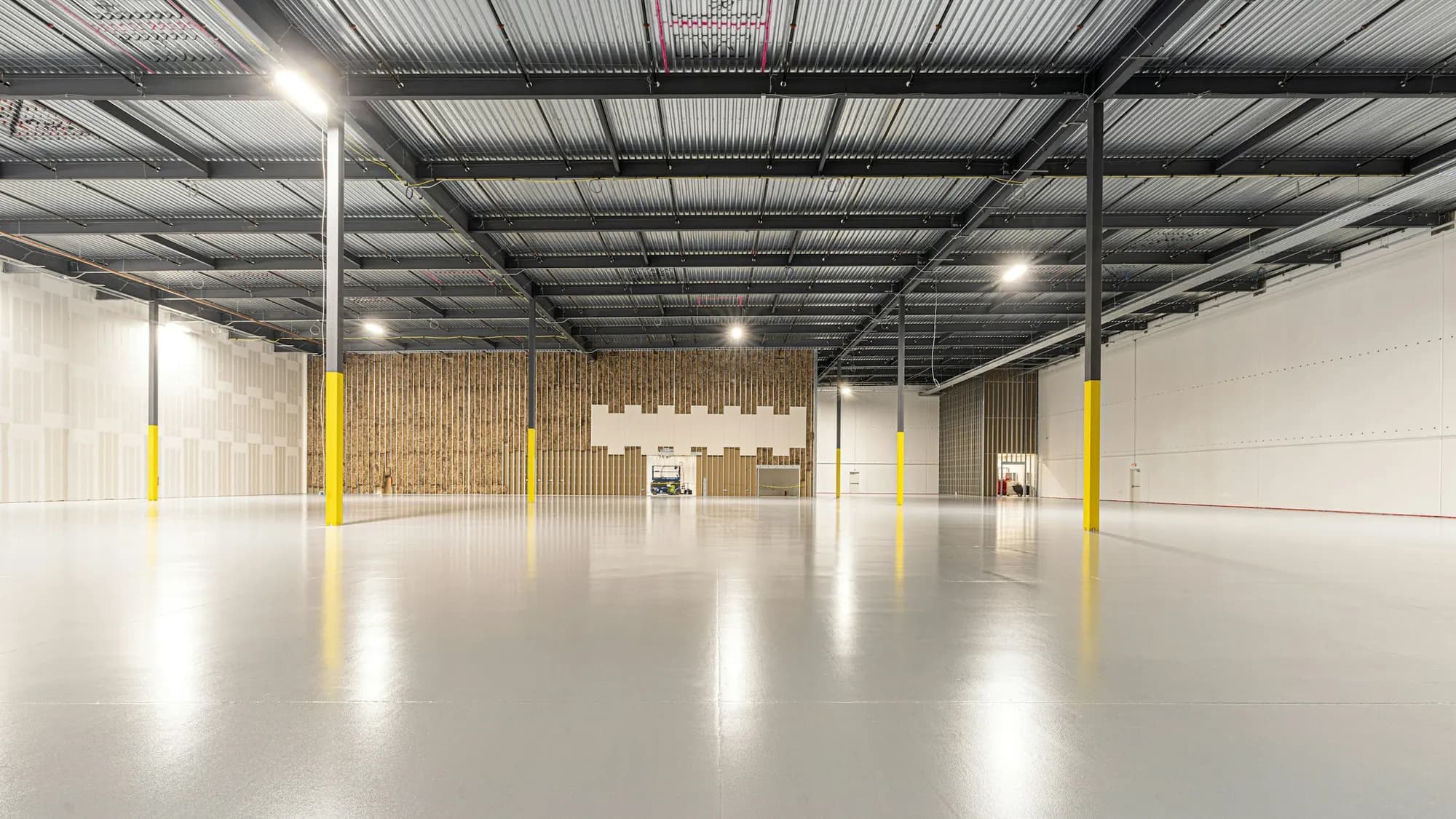
Burnished concrete floors in commercial spaces are usually maintained the same way, with periodic burnishing to bring the sheen back.
Outdoor honed and limestone surfaces
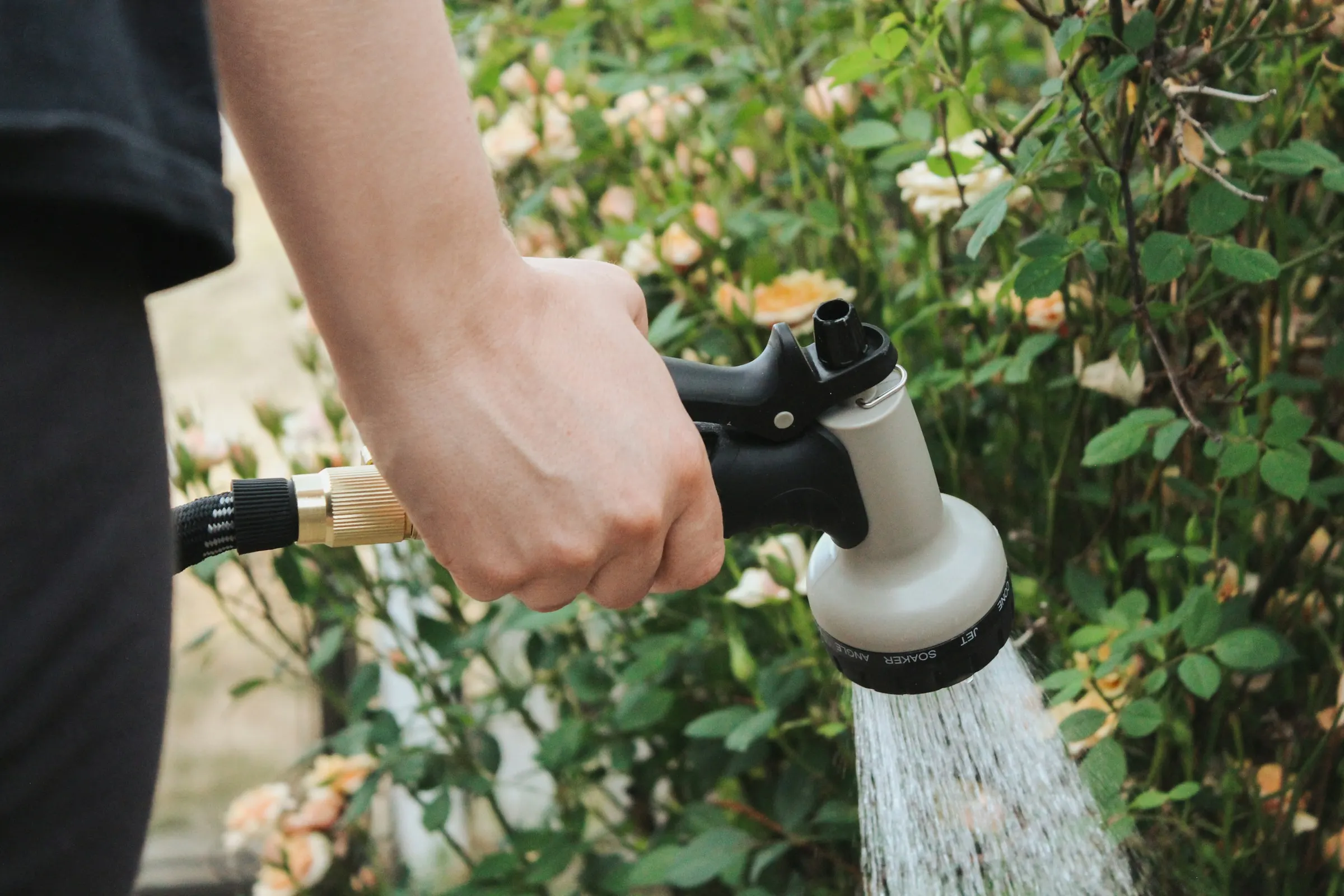
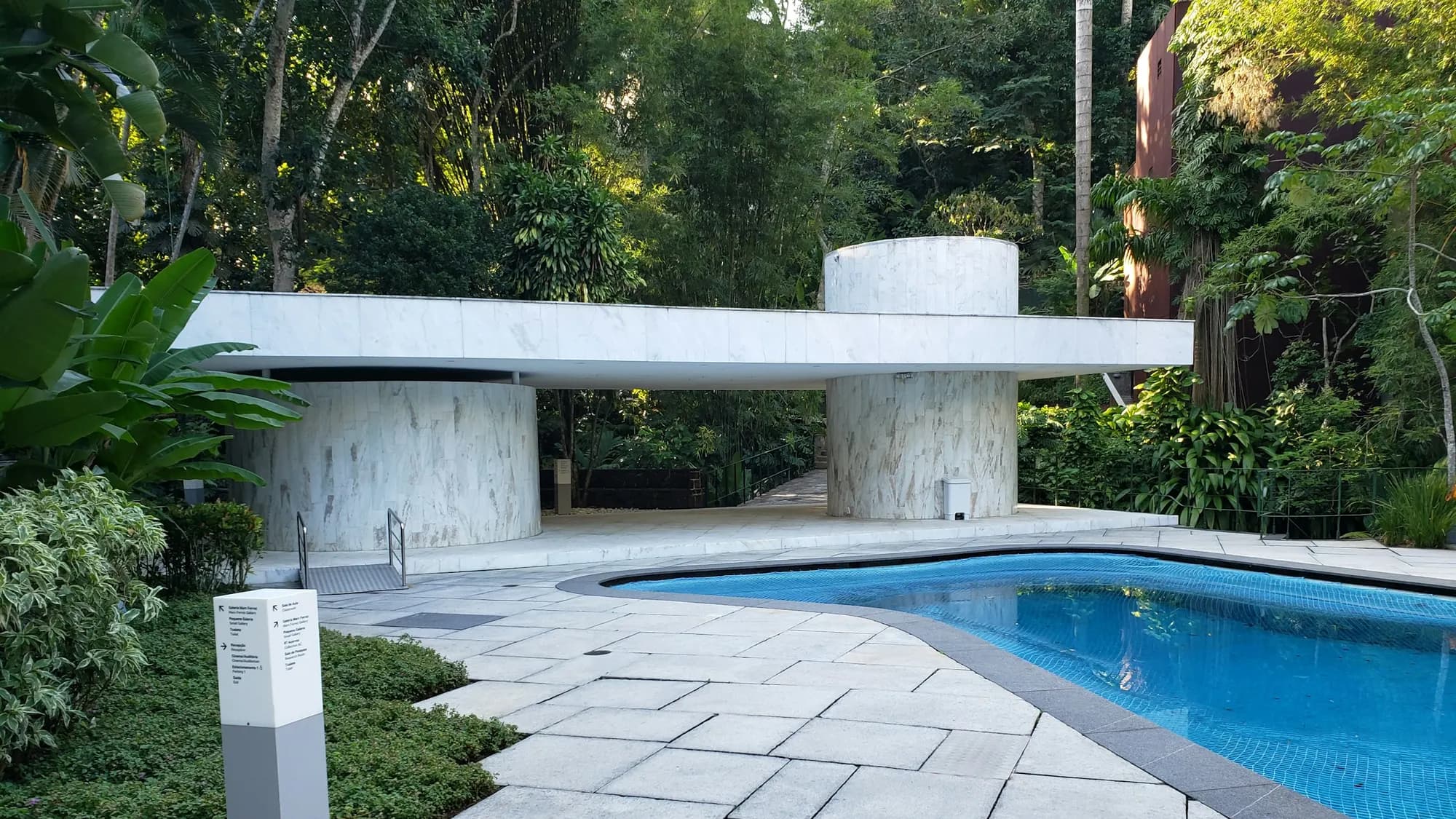
A honed concrete pool surround or path takes a hose and a soft brush. Leaves, sunscreen and pool chemicals should not be left to sit. A pressure washer is fine on a low setting held well back; close up on high pressure it can mark the surface. These finishes are usually resealed more often than an indoor floor because sun and water work on them harder.
Stains and damage
A sound sealer stops most stains. Where something has got through, a poultice can draw it out. A light regrind and reseal fixes almost anything else, and it is far cheaper than replacing a floor. Scratches from furniture are avoided with felt pads; drag marks from a fridge or washing machine are the ones we see most.
If you are unsure whether a product is safe, test it in a wardrobe corner first, or send us the label. Residential and commercial floors get the same advice, just on a different schedule.
Where we work: Bunbury and the South West of Western Australia.
Common questions
- What do you clean polished concrete floors with?
- A dry dust mop for grit, then a damp mop with water and a pH-neutral cleaner. Nothing acidic, nothing with bleach or ammonia, and no abrasive pads.
- How often does polished concrete need resealing?
- It depends on the sealer and the traffic. A quiet home floor goes years between coats; a shop entry or a pool surround needs it sooner. If water stops beading and soaks in, it is time.
- Can stains be removed from polished concrete?
- Fresh spills wipe up with no trace if the sealer is sound. Old oil, wine or rust that has soaked into bare concrete may need a poultice or a light regrind. Send a photo and we will advise.
Related services



More guides
 Guide
GuideExposed aggregate vs honed and polished concrete
Exposed aggregate, honed or polished aggregate: how each is made, how they differ on grip, cleaning and look, and which suits a driveway, pool or floor in WA.
View →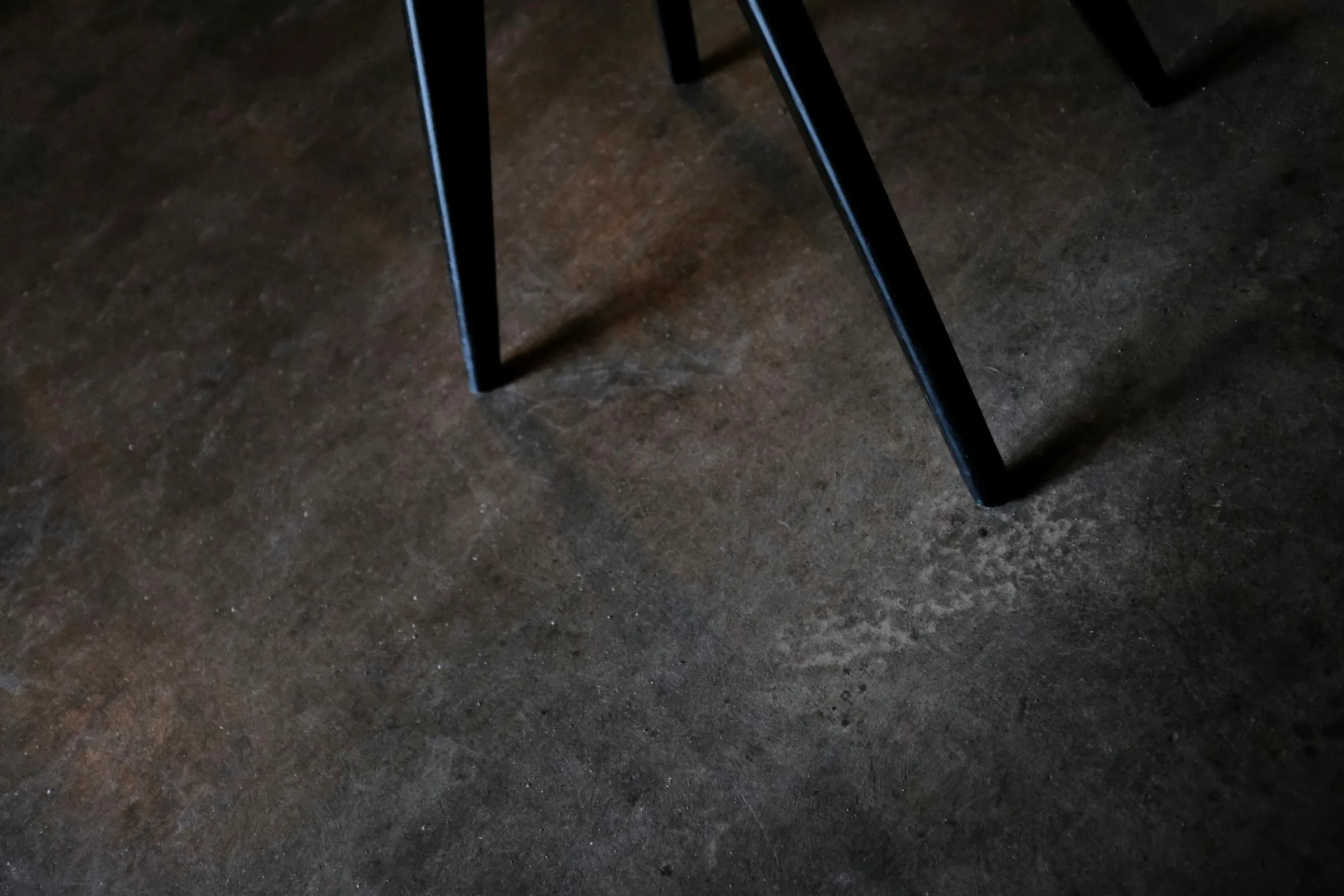 Guide
GuidePolished concrete colours: what decides the final look
Where the colour of polished, honed and burnished concrete comes from: cement, stone, oxides and sheen. What you can choose on a new slab versus an old one.
View →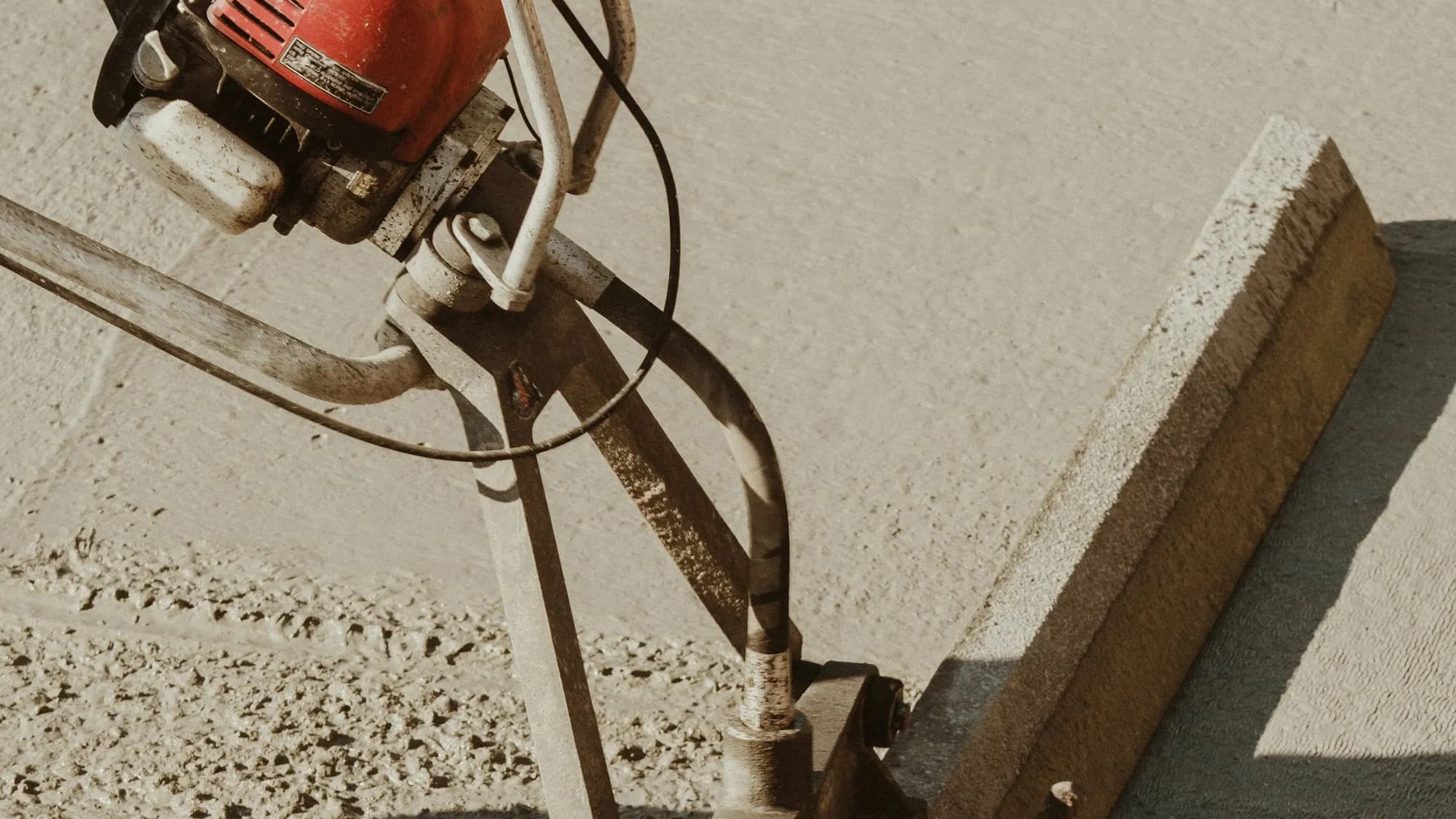 Guide
GuidePolished concrete on an existing slab: can it be done?
Can an old slab be polished? What we check, what the slab decides for you, when an overlay or topping is the answer, and why a new slab is planned differently.
View → Guide
GuideConcrete pool surround finishes: honed or liquid limestone?
Honed concrete or liquid limestone for a pool surround? How the finishes differ on grip, heat, glare and upkeep, and how to choose in WA.
View → Guide
GuideIs polished concrete slippery?
Is polished concrete slippery when wet? What decides grip, where a lower sheen suits better, and what to ask before you choose a finish.
View → Guide
GuideConcrete benchtops and furniture: what to plan first
Thinking about a polished concrete benchtop or custom concrete furniture? What it is, how it is made, and what to plan before you order in WA.
View → Guide
GuidePolished concrete cost: what decides the price
What drives the cost of polished concrete floors: slab condition, area, level of finish and access. How to get an accurate quote in Bunbury and WA.
View →