
Burnished vs polished concrete vs honed: which finish suits your job

Clutch Construction finishes concrete three ways in Bunbury and the South West of Western Australia, and the right one depends on where the surface goes and how it is used. This page sets them side by side.
The three finishes
| Polished | Honed | Burnished | |
|---|---|---|---|
| Look | Deep and reflective, with aggregate shown depending on grind | Smooth and flat, a matte concrete look | Even and soft, close to the troweled slab |
| Sheen | Satin to high gloss | Matte to low sheen | Low to medium sheen |
| Typical use | Homes, shops, showrooms, benchtops | Pool surrounds, driveways, paths, patios, floors | Warehouses, workshops, large retail floors |
| Indoor or outdoor | Indoor, mainly | Both | Indoor, mainly |
| Maintenance | Regular sweeping, pH-neutral mopping | Regular sweeping, occasional resealing | Regular sweeping, periodic re-burnishing |
Slip resistance follows the same pattern: high-gloss polished floors are the most slippery when wet, and honed surfaces give the most grip. For wet areas, choose honed.

Polished
Ground through successive abrasives, densified and sealed. See polished concrete.
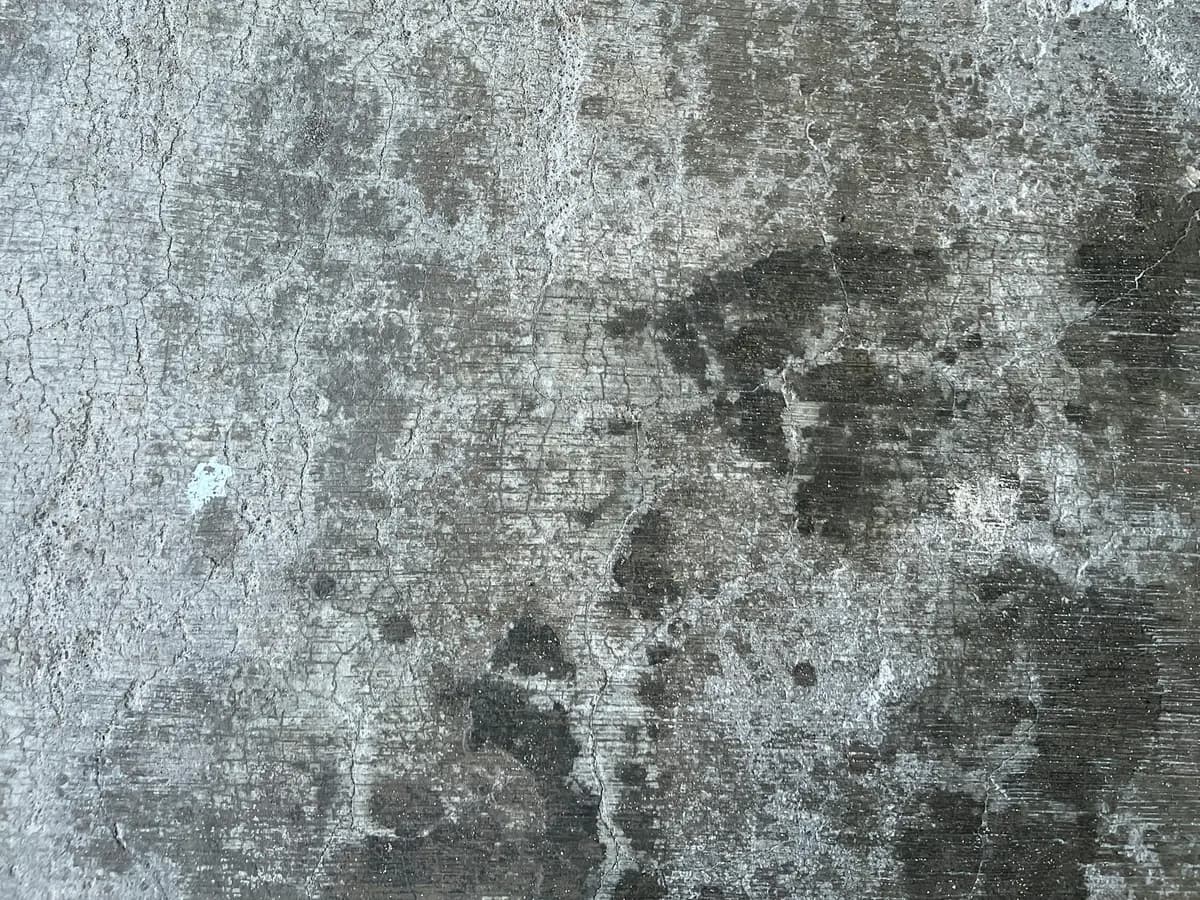
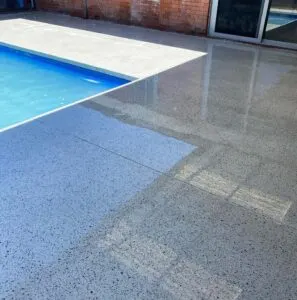
Honed
Ground, but stopped before the high-gloss stages. See honed concrete.
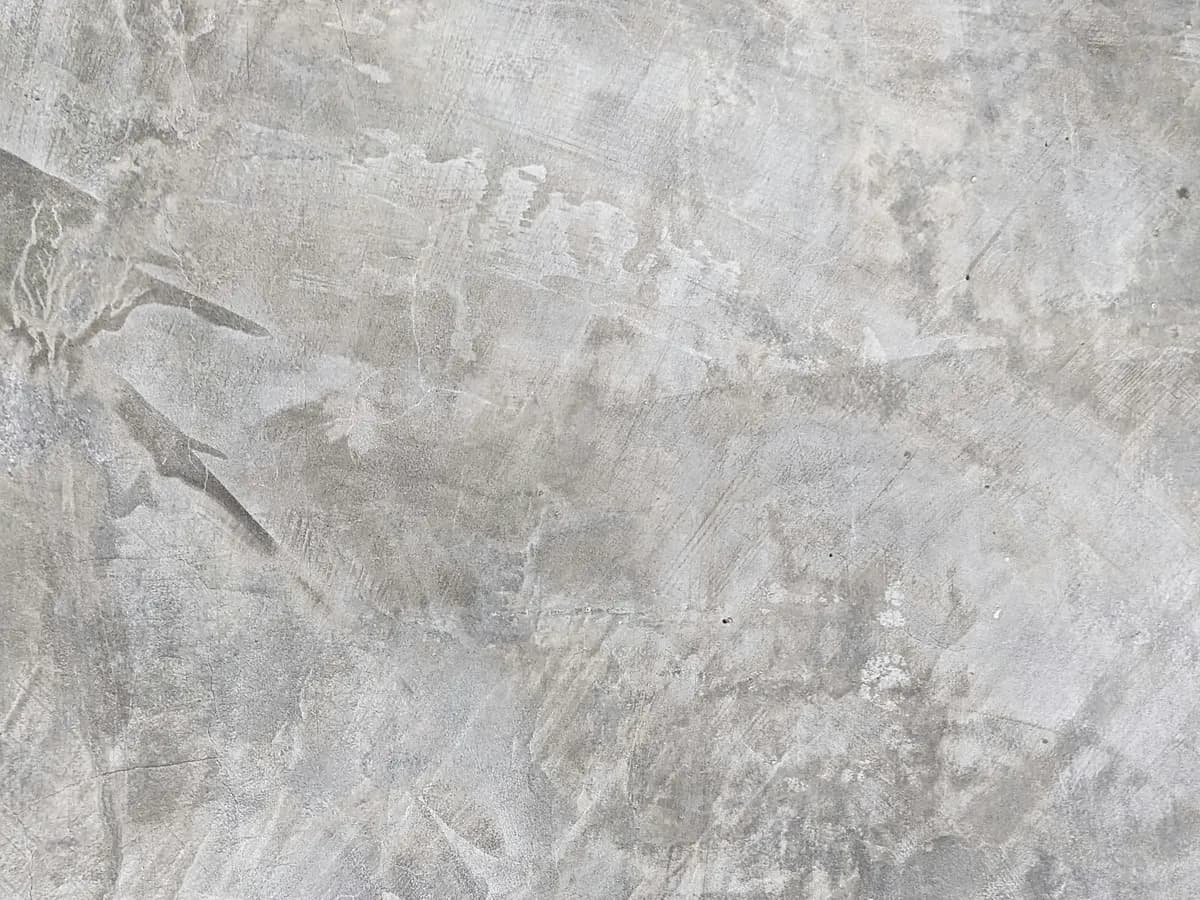
Burnished
A troweled slab buffed with a high-speed machine. See burnished concrete.
Not sure which suits your job? Send a few details and we will say which we would use.
How to choose
Start with where the surface goes. Wet or outdoor areas point to honed. Large working floors, such as warehouses and industrial concrete floors, point to burnished. Living areas, shops and benchtops, where depth and sheen matter, point to polished. Then consider the slab you have. Its age, condition and mix affect each finish, so we look at it before recommending one. All three start with good preparation, and none hides a poor slab.
Where we work: Bunbury and the South West of Western Australia.
Common questions
- What is the difference between burnished and polished concrete?
- Polished concrete is ground through finer abrasives for a deeper, higher sheen. Burnished concrete is buffed with a high-speed machine for a softer sheen that sits mostly in the surface layer.
- What is the difference between honed and polished concrete?
- Both are ground. Honing stops earlier, giving a matte, flatter finish with more grip. Polishing continues to a higher sheen.
- Which finish is best for a pool surround or driveway?
- Honed. A matte surface gives more grip when wet and avoids the glare of a gloss.
- Which is cheapest?
- It depends on the slab and the area. Burnishing is usually a lighter process than polishing, but we price each job individually.
Related services
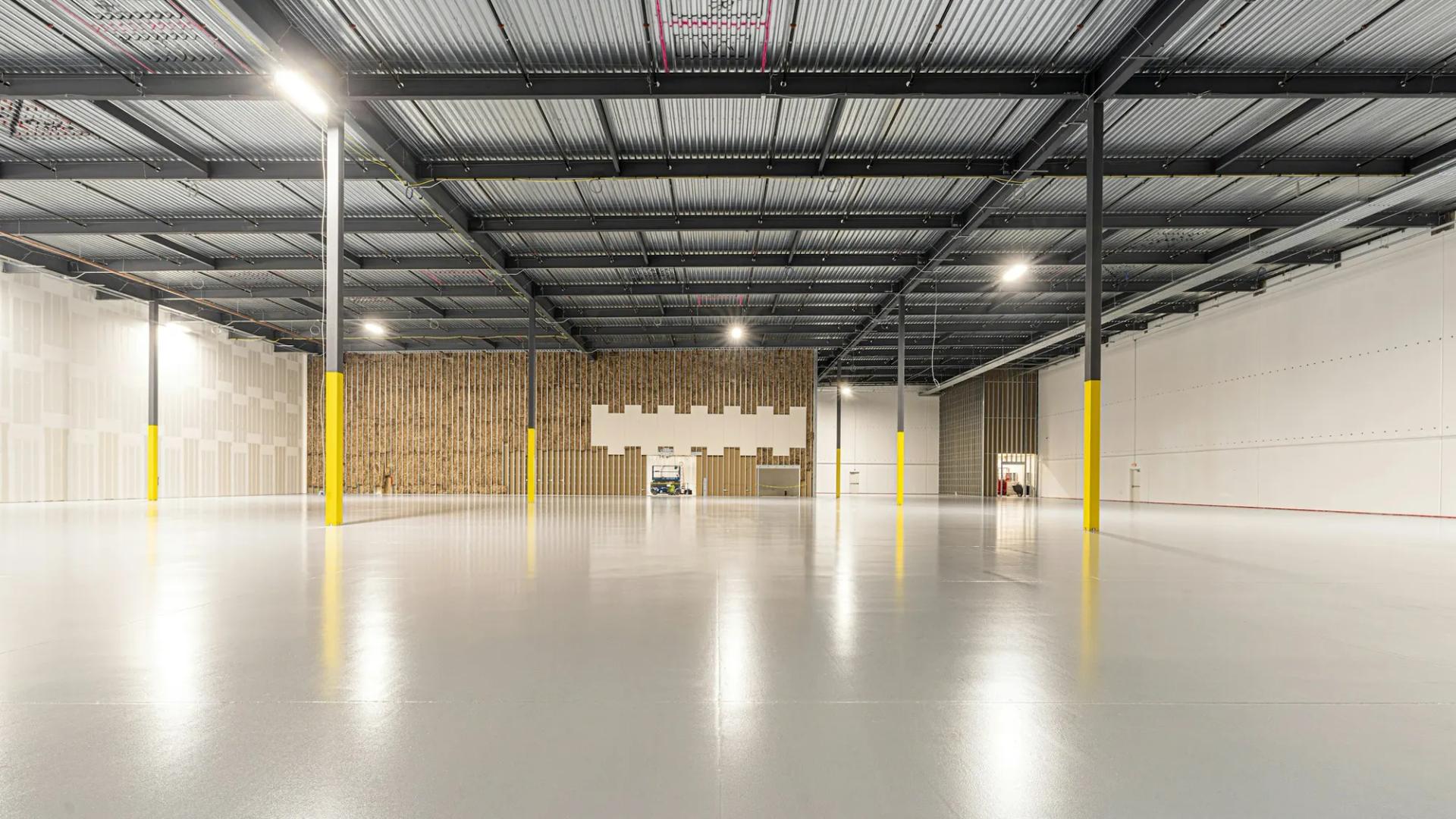 Service
Polished concrete
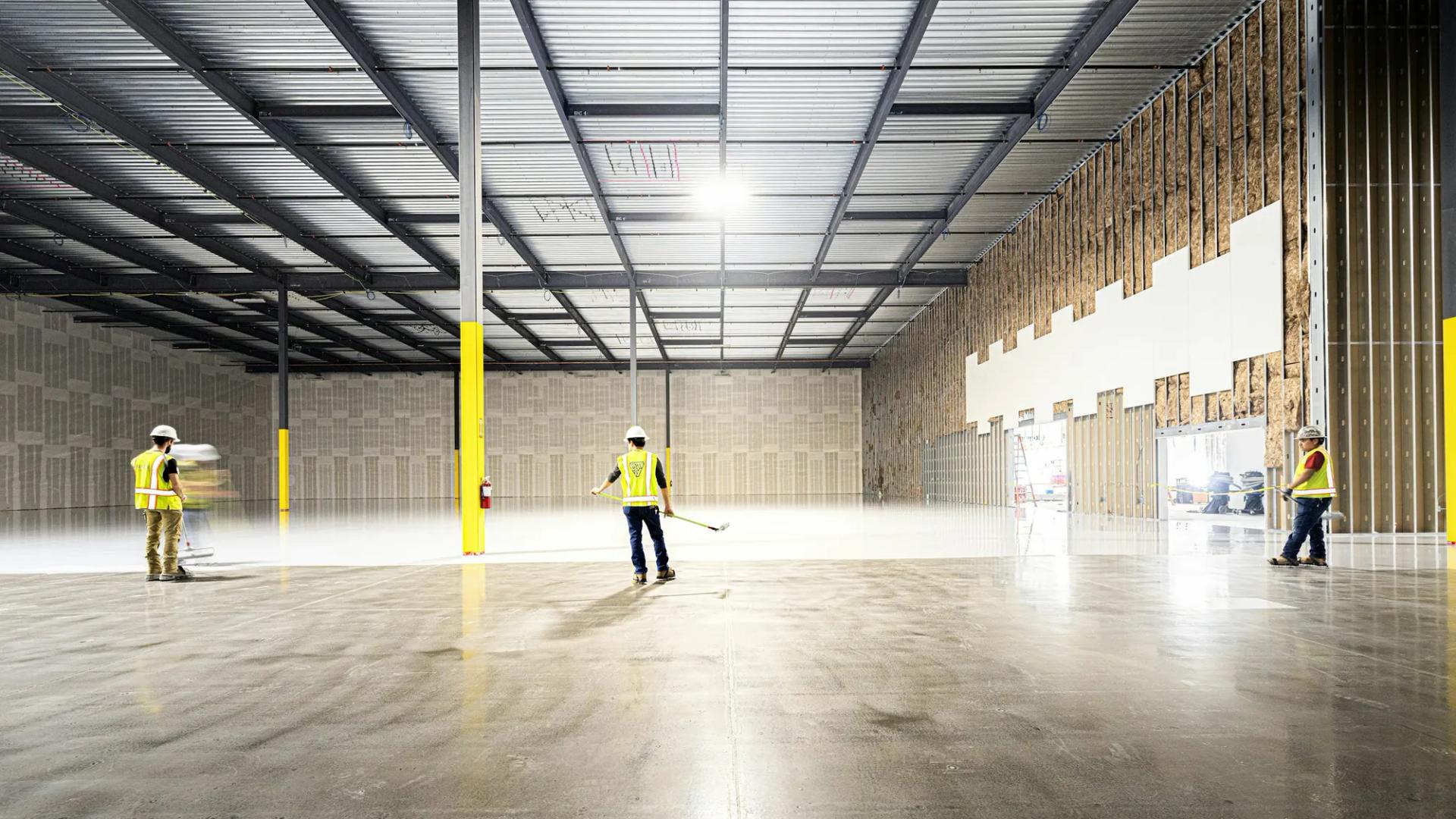 Service
Burnished concrete
 Service
Honed concrete
Related guides
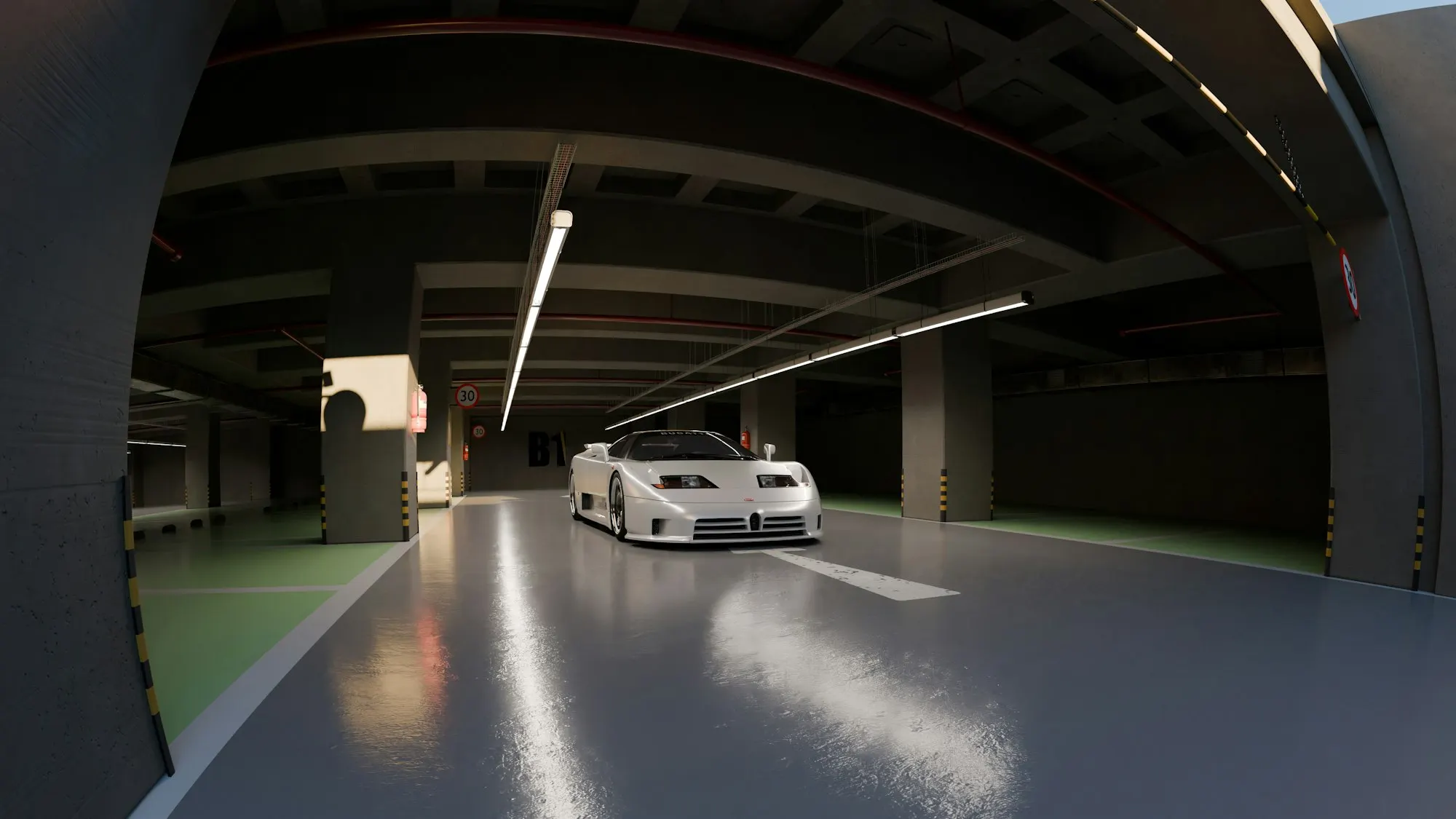 Guide
Polished concrete garage floors: what to know before you decide
Is a polished concrete garage floor a good idea? Tyre marks, oil, sheen, new slab versus old, and when burnished or sealed suits a garage or shed better in WA.
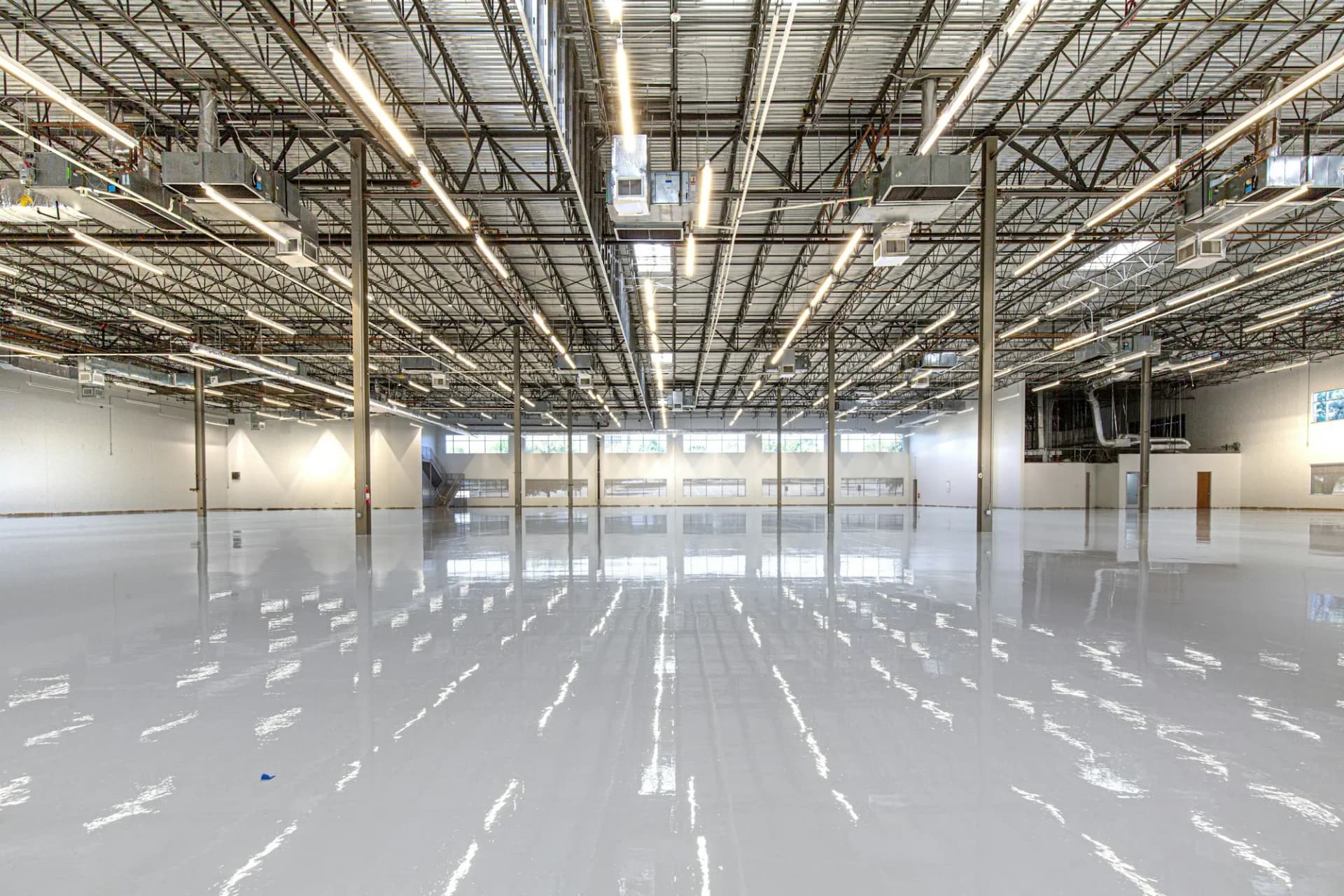 Guide
Polished concrete vs epoxy: which floor for a workshop, warehouse or shop
Polished concrete vs epoxy for a workshop, warehouse, shop or garage: wear, peeling, chemical resistance, downtime, upkeep and where grind and seal fits in.
 Guide
Polished concrete vs tiles: which floor makes sense
Is polished concrete cheaper than tiles? Often, on a new slab. How cost, grout, wet areas, comfort and resale compare, and why you can't polish over tiles.
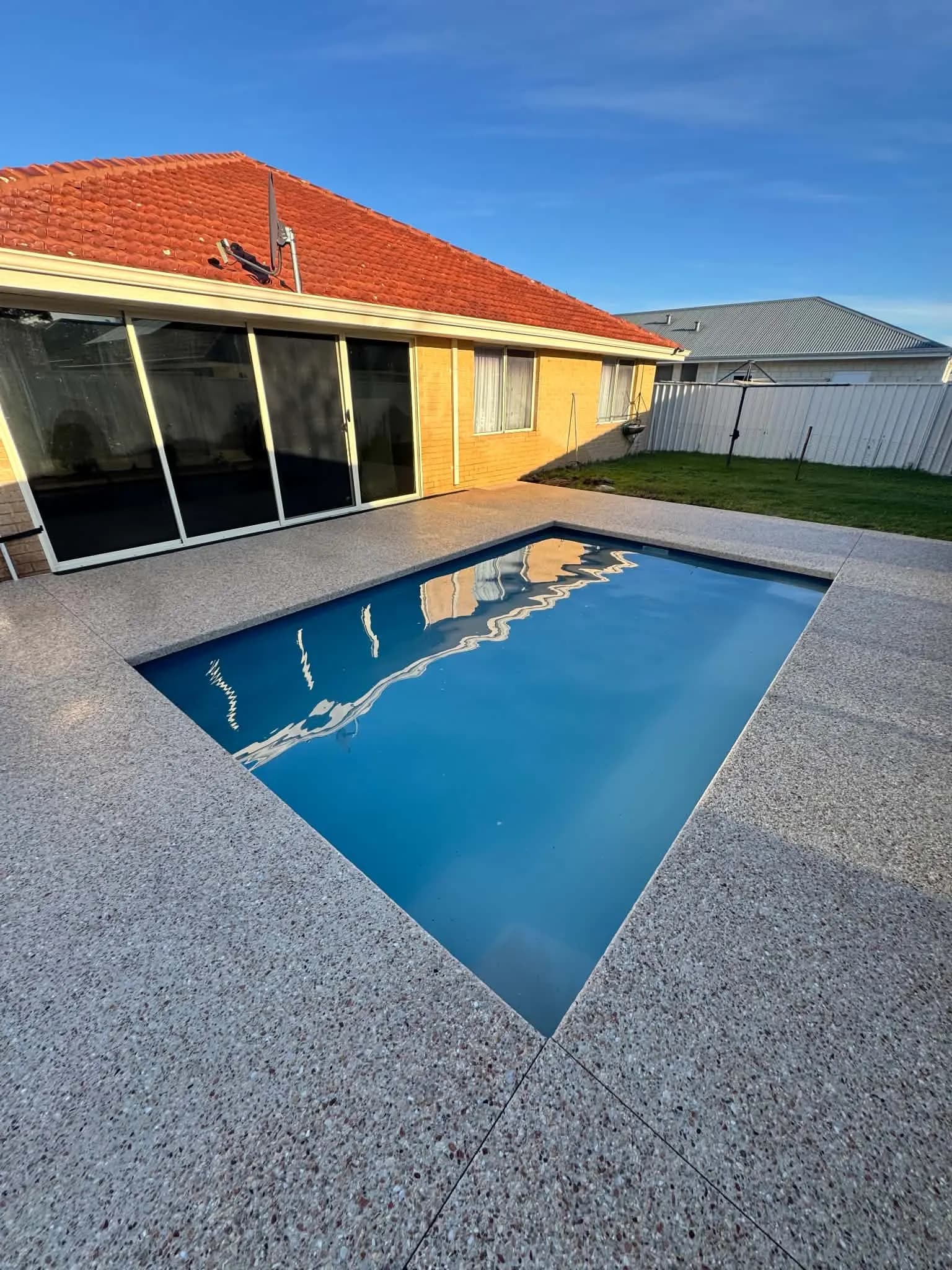 Guide
Exposed aggregate vs honed and polished concrete
Exposed aggregate, honed or polished aggregate: how each is made, how they differ on grip, cleaning and look, and which suits a driveway, pool or floor in WA.
 Guide
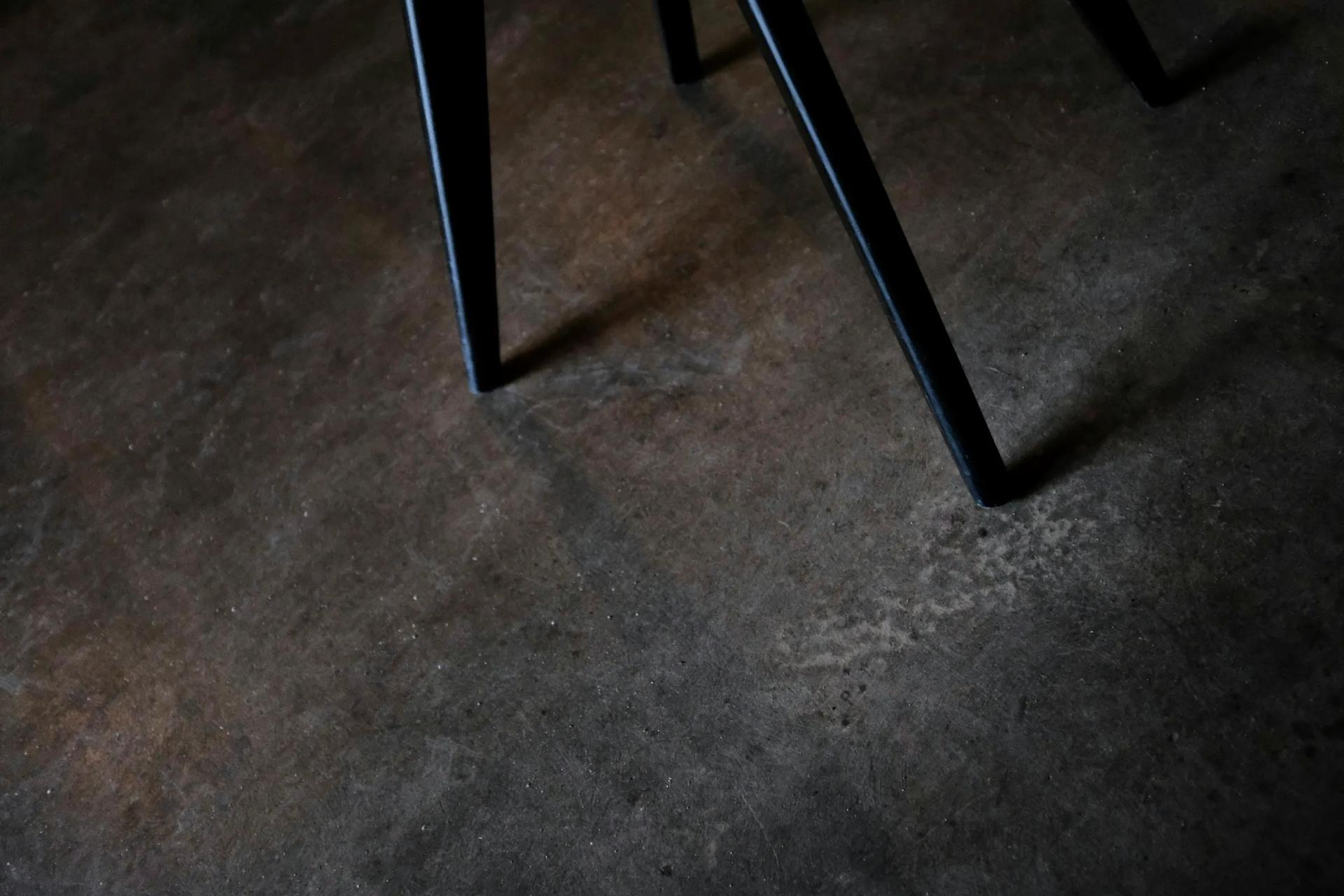
Polished concrete colours: what decides the final look
White, grey, black or aggregate? Where polished concrete colour comes from (cement, stone, oxides, sheen) and what you can choose on a new or existing slab.
 Guide
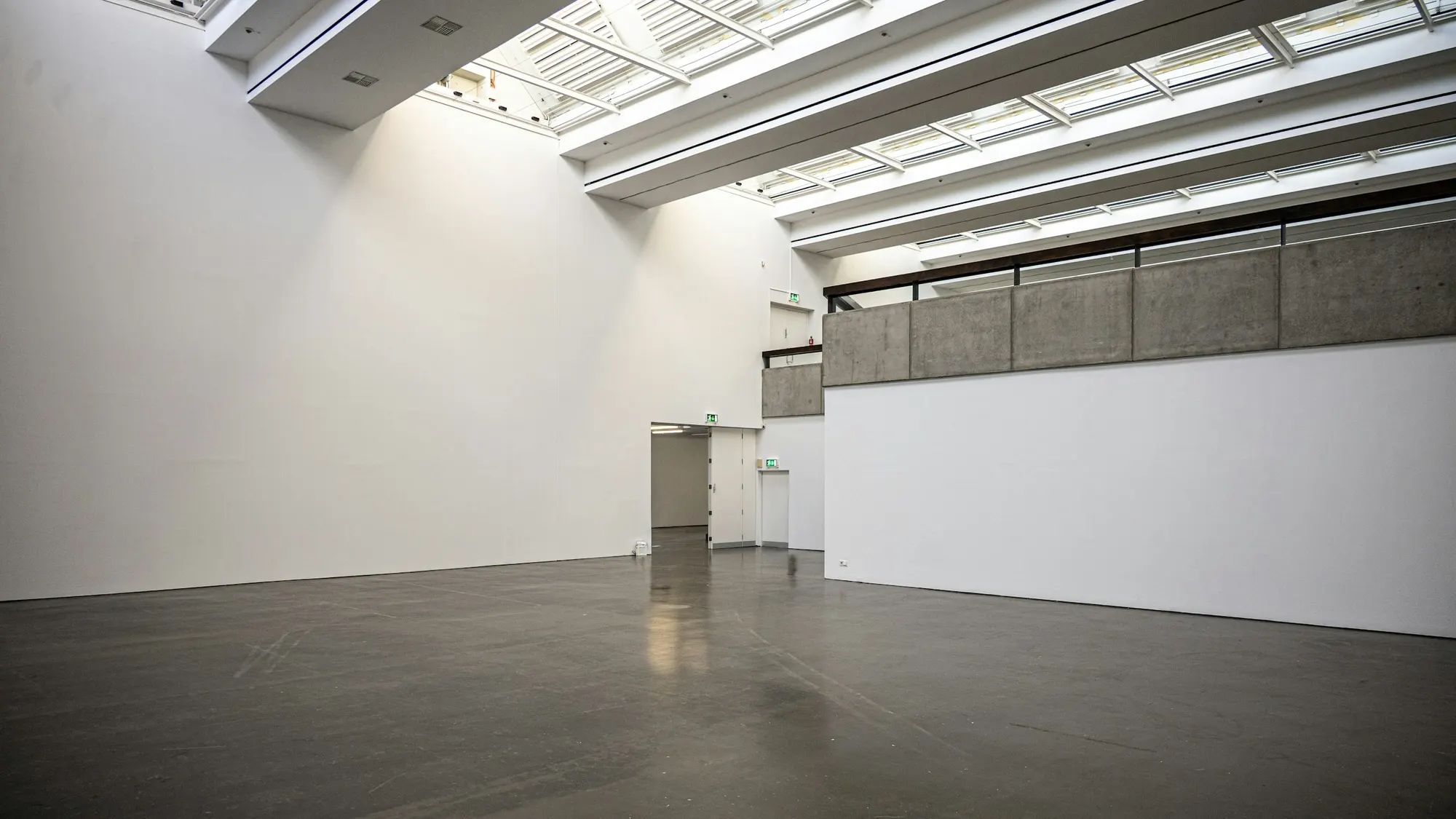
Is polished concrete slippery?
Is polished concrete slippery when wet? What decides grip, where a lower sheen suits better, and what to ask before you choose a finish.