
Polished concrete colours: what decides the final look
The colour of a concrete floor is decided before anyone turns on a grinder. People in Bunbury and the South West often ask us for "a lighter grey" or "something warmer", so this is where the colour actually comes from, and what you can and cannot choose.
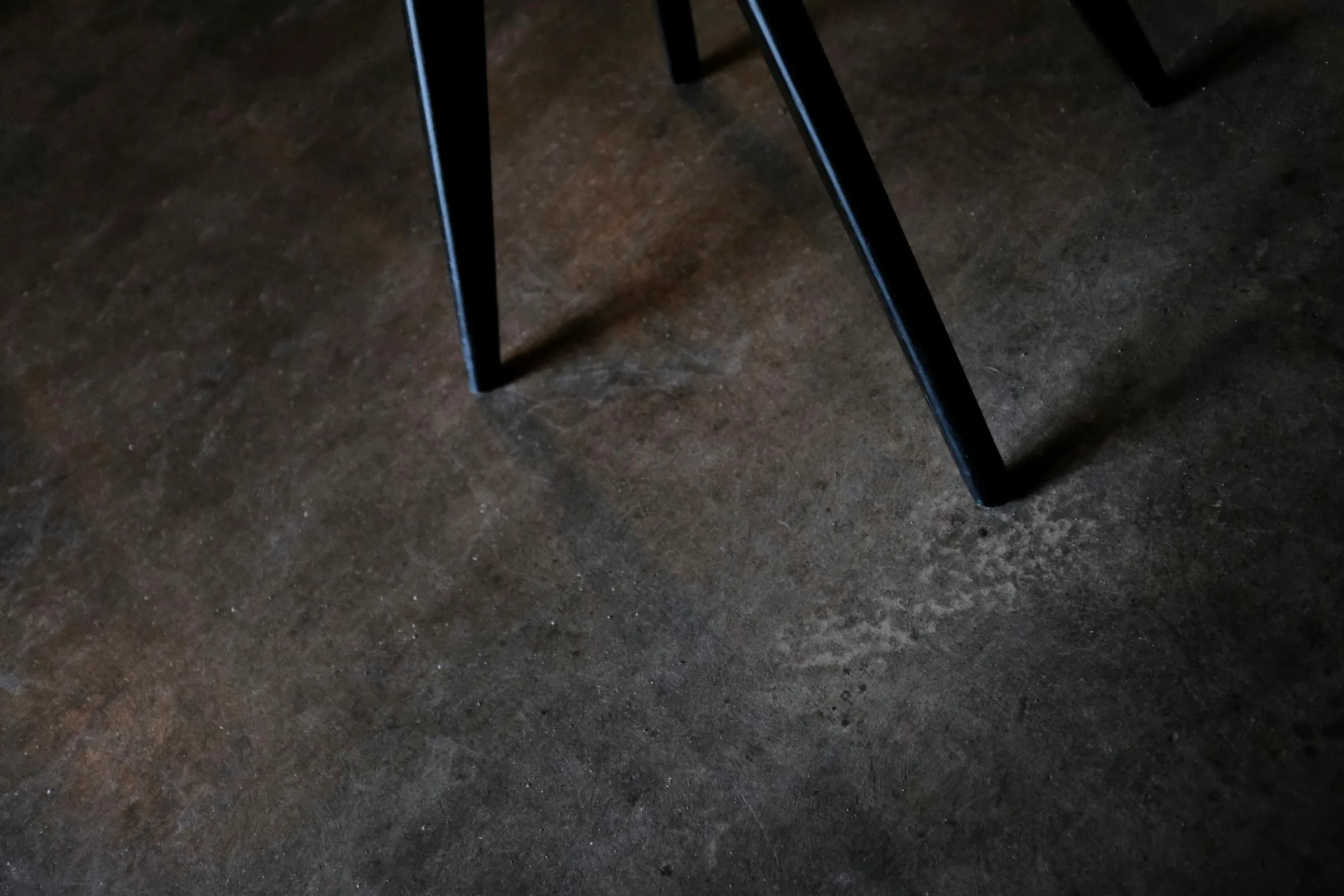
Four things set the colour
- The cement. Standard grey cement gives the familiar mid-grey. Off-white or white cement gives a pale, creamy base. This is the biggest single lever and it is only available on a new pour.
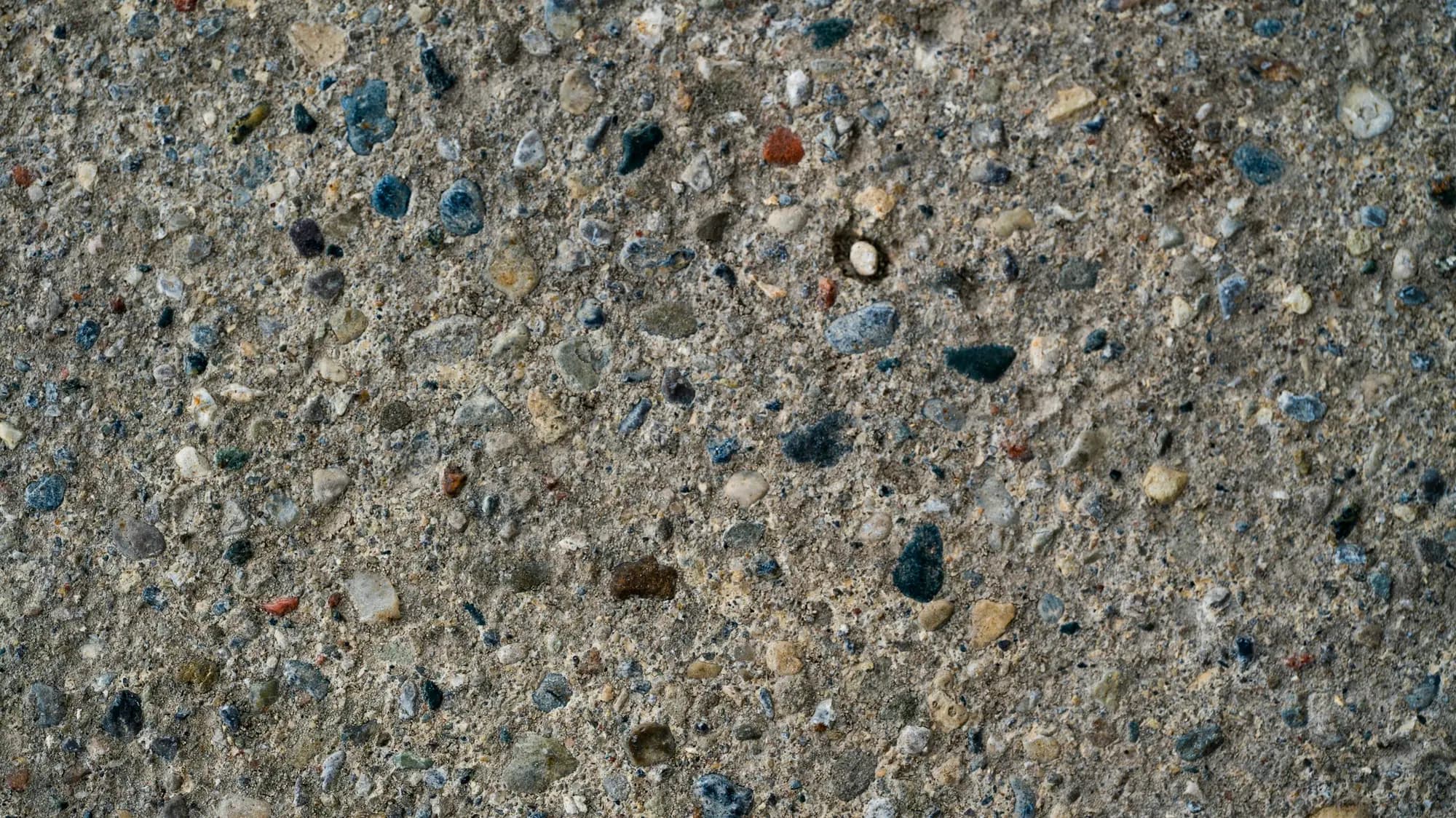
- The stone and sand. How deep we grind decides how much of the aggregate shows. A light grind keeps the cream top surface. A deeper grind shows a "salt and pepper" scatter of sand. A full grind exposes the stone, so the colour of the stone in the mix (local gravel, river pebble, quartz, a chosen decorative stone) becomes the colour of the floor.
- Oxides. Pigments mixed into the concrete at the pour give charcoal, black, warm greys, sandy and earthy tones. They colour the whole slab, so they survive grinding.
- Sheen and sealer. The same slab looks darker with a gloss polished finish and lighter, flatter and softer with a matte honed finish. Sealers deepen the tone slightly.
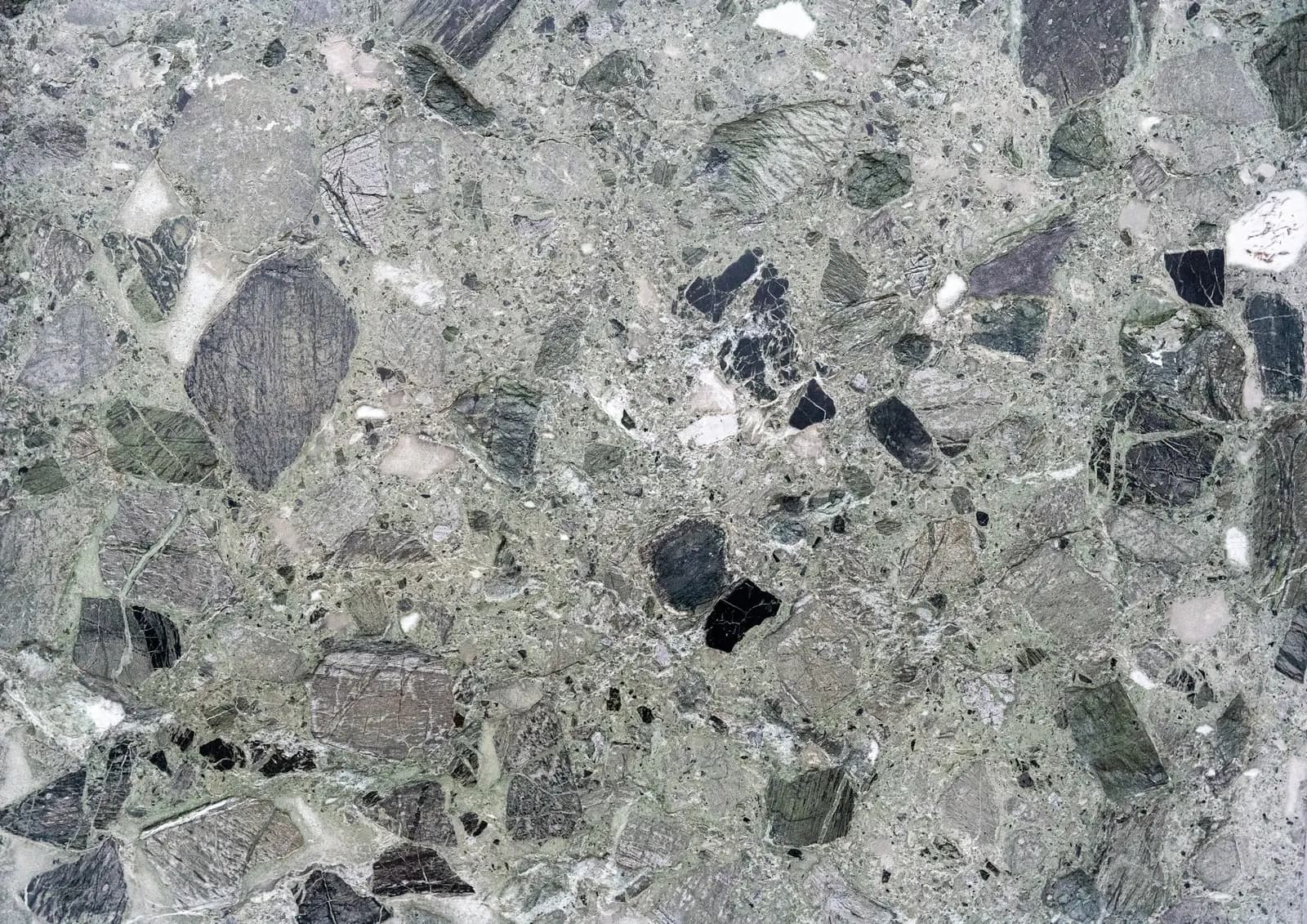
New slab or existing slab
On a new slab we can plan all four: cement, stone, oxide and finish. We pour and finish as one crew, so the slab is placed with the final colour and exposure in mind.
On an existing slab, the cement and stone are already set. We can choose the exposure level and the sheen, and a dye or tinted sealer can nudge the tone. If the slab turns out to have inconsistent stone or old patches, those show after grinding, which is why we look at the surface before promising a look.
Burnished and liquid limestone
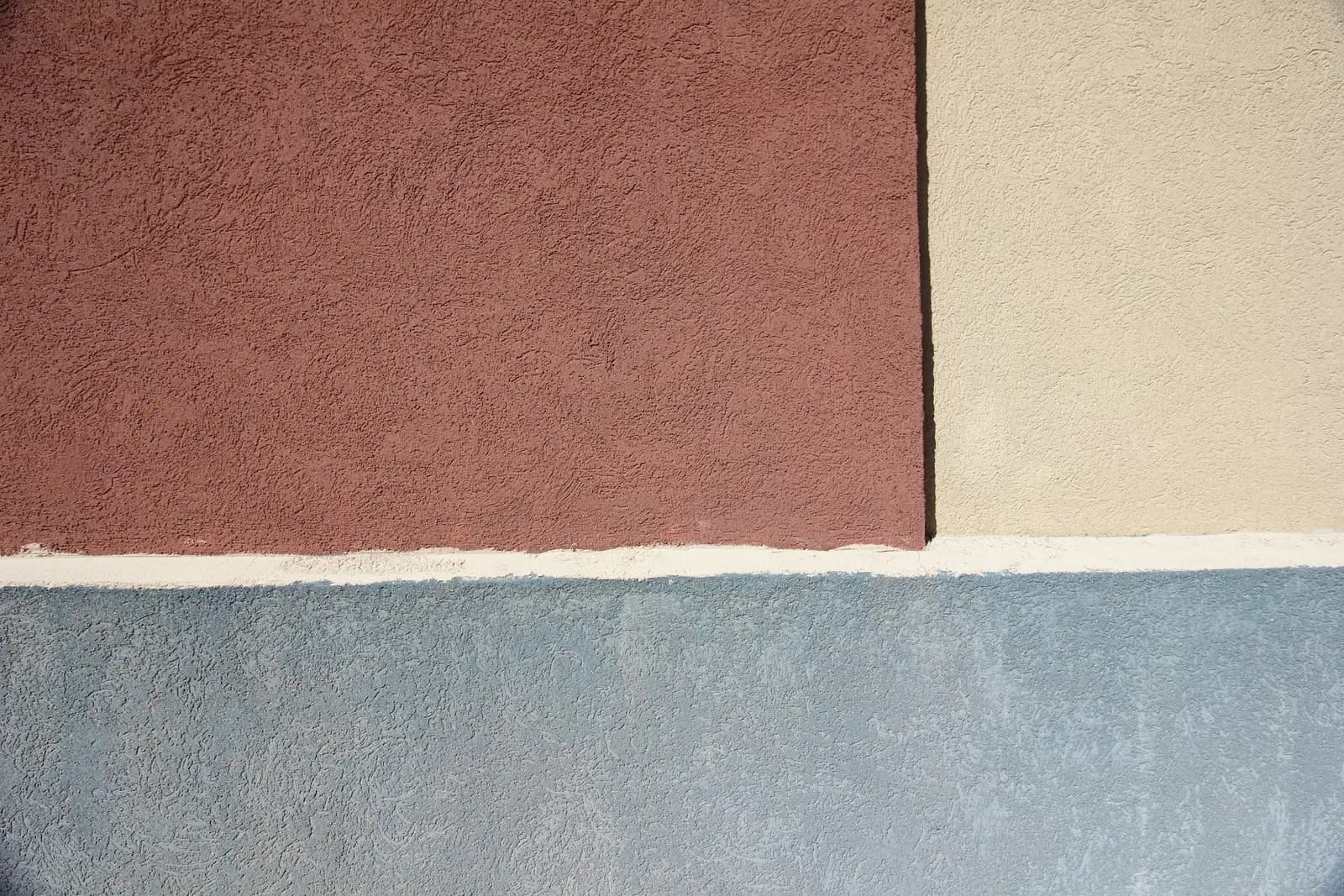
Burnished concrete is trowelled rather than ground, so its colour comes from the cement and any oxide, with a mottled, slightly variable tone that people either love or want to avoid. Say which, early.
Liquid limestone is naturally a warm cream because of the crushed limestone in the mix. It can be tinted toward sand, grey or a deeper stone colour, but it is at its best in the pale range.
How to decide
Samples under your own light are worth more than photos. Tell us the room or area, whether the slab is new or existing, and bring a reference picture. The comparison of polished, honed and burnished concrete shows how the finish changes the same colour.
Where we work: Bunbury and the South West of Western Australia.
Common questions
- Can polished concrete be white?
- A light, off-white floor is possible with white or off-white cement and pale stone in a new pour. Standard grey concrete cannot be polished to white; the colour has to be in the slab.
- Can you change the colour of an existing concrete slab?
- Only a little. Grinding exposes the stone that is already there, and a dye or tinted sealer can shift the tone, but the base colour is fixed. A new slab or a topping gives full control.
- Does the sealer change the colour?
- Yes. Most sealers deepen the colour slightly, the way wet concrete looks darker than dry. A high-gloss polish also reads darker and richer than a matte honed surface of the same mix.
Related services
More guides
 Guide
GuideExposed aggregate vs honed and polished concrete
Exposed aggregate, honed or polished aggregate: how each is made, how they differ on grip, cleaning and look, and which suits a driveway, pool or floor in WA.
View → Guide
GuideHow to clean polished concrete floors
Everyday cleaning, what never to use, stains, and when a polished, honed or burnished floor needs resealing. Plain maintenance advice from Bunbury, WA.
View → Guide
GuidePolished concrete on an existing slab: can it be done?
Can an old slab be polished? What we check, what the slab decides for you, when an overlay or topping is the answer, and why a new slab is planned differently.
View → Guide
GuideConcrete pool surround finishes: honed or liquid limestone?
Honed concrete or liquid limestone for a pool surround? How the finishes differ on grip, heat, glare and upkeep, and how to choose in WA.
View → Guide
GuideIs polished concrete slippery?
Is polished concrete slippery when wet? What decides grip, where a lower sheen suits better, and what to ask before you choose a finish.
View → Guide
GuideConcrete benchtops and furniture: what to plan first
Thinking about a polished concrete benchtop or custom concrete furniture? What it is, how it is made, and what to plan before you order in WA.
View → Guide
GuidePolished concrete cost: what decides the price
What drives the cost of polished concrete floors: slab condition, area, level of finish and access. How to get an accurate quote in Bunbury and WA.
View →