
Concrete pool surround finishes: honed or liquid limestone?
A pool surround has a harder job than most floors. It is wet, barefoot, in full sun and next to chlorinated water. When we are asked about pool surrounds in Bunbury and the South West, the choice is usually between two finishes.
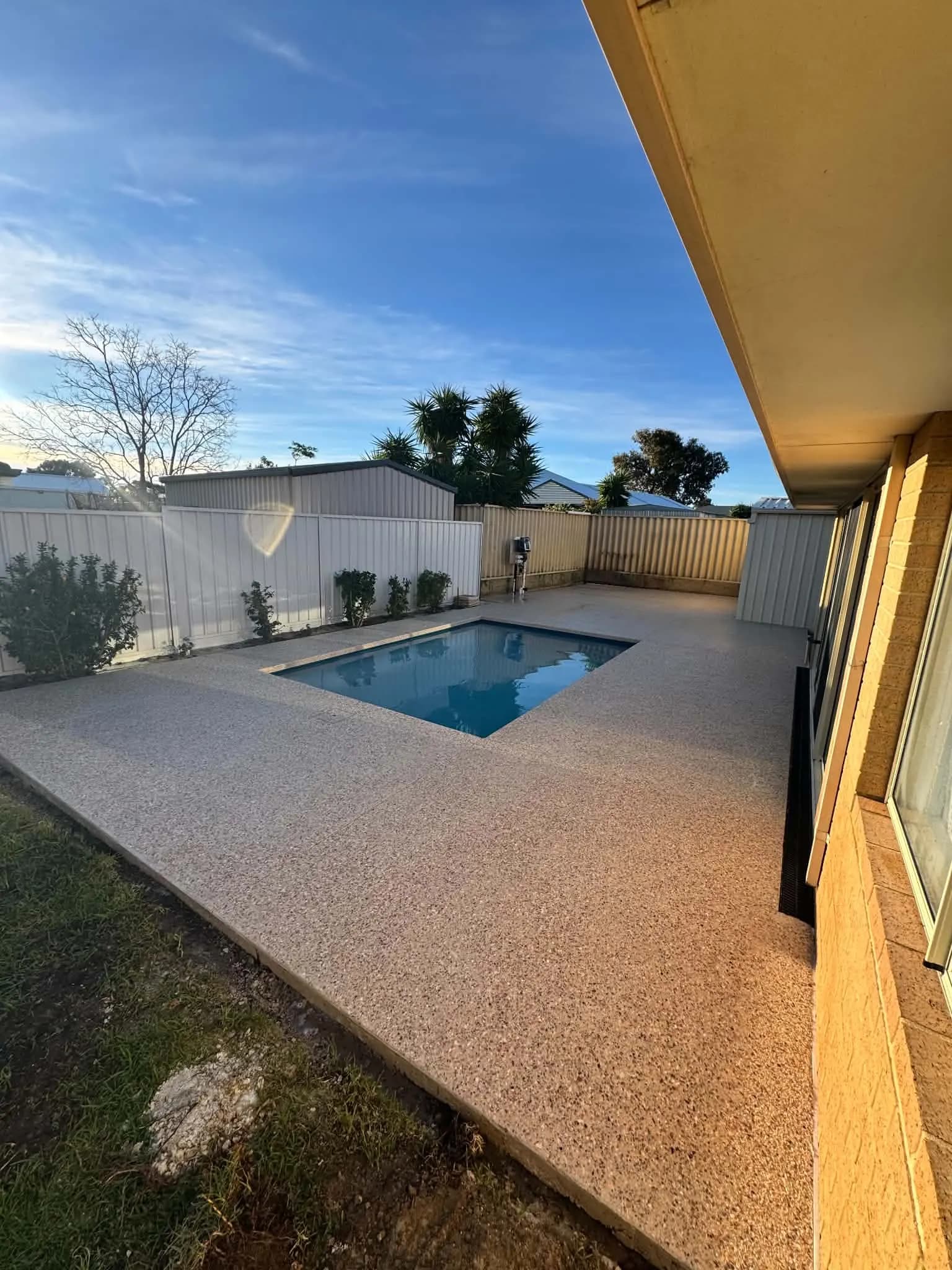
What a pool surround needs
- Grip when wet. The surface should not be glossy.
- Low glare. A mirror finish throws sunlight straight back at you.
- A surface that suits the sun. Colour and texture change how the surface feels in summer.
- Easy care. A sealer should protect it from stains and pool chemicals.
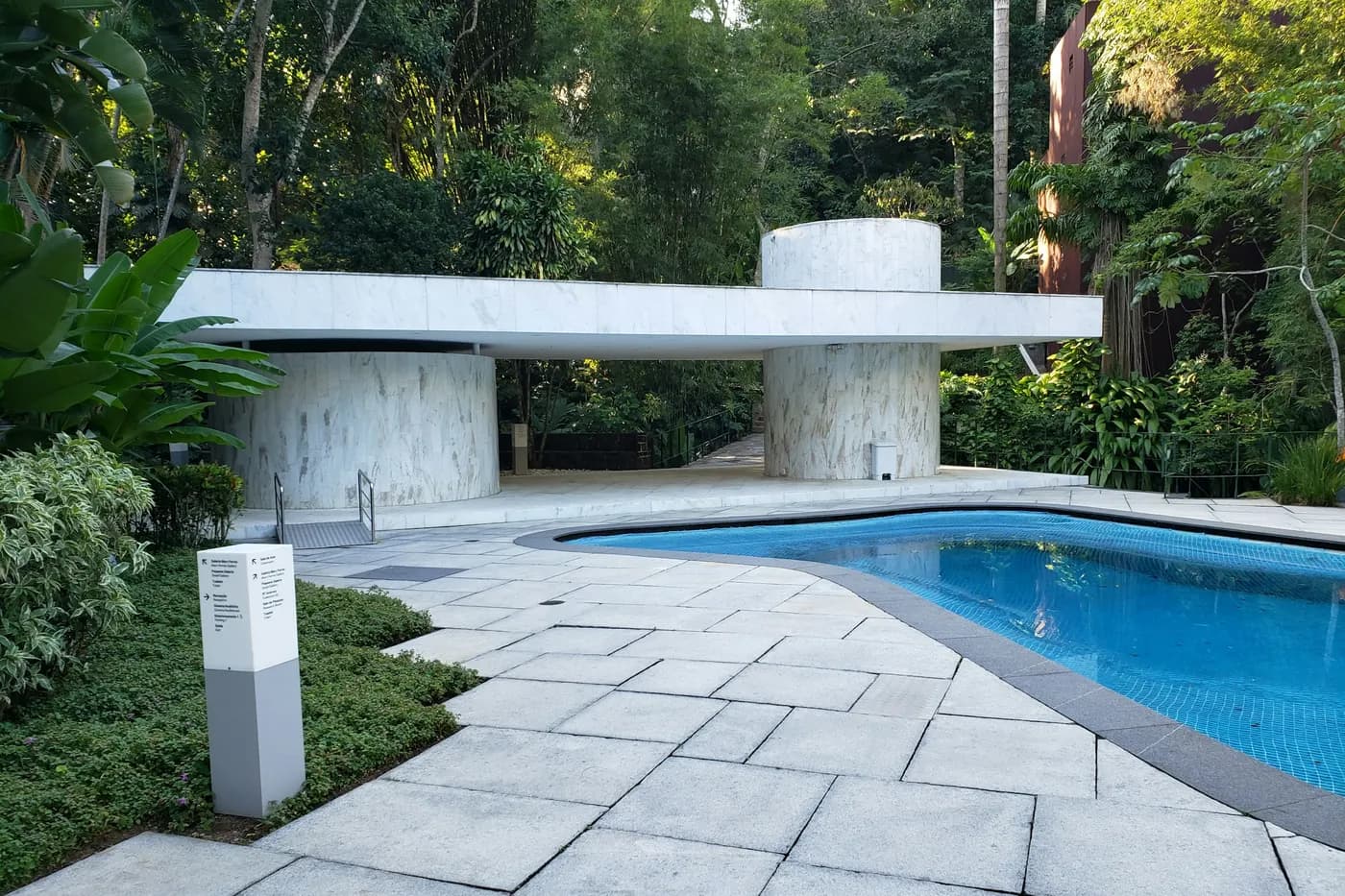
Honed concrete
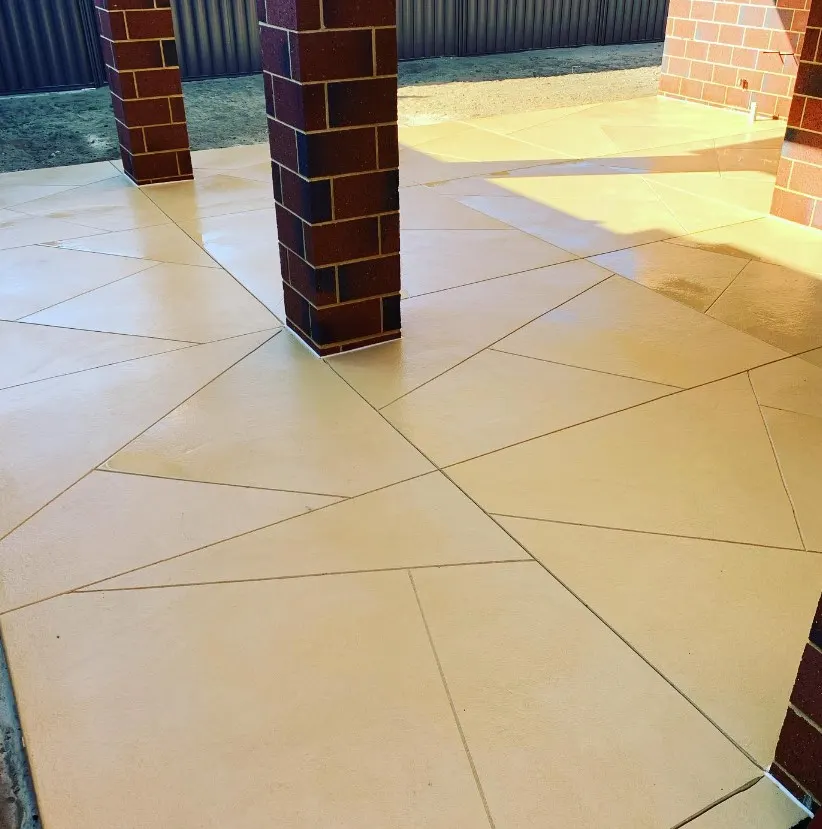
Honed concrete is ground with diamond abrasives, then stopped before the gloss stage. The result is a flat, matte, grippy surface that keeps a clean concrete look. It works on new slabs, and on sound existing ones.
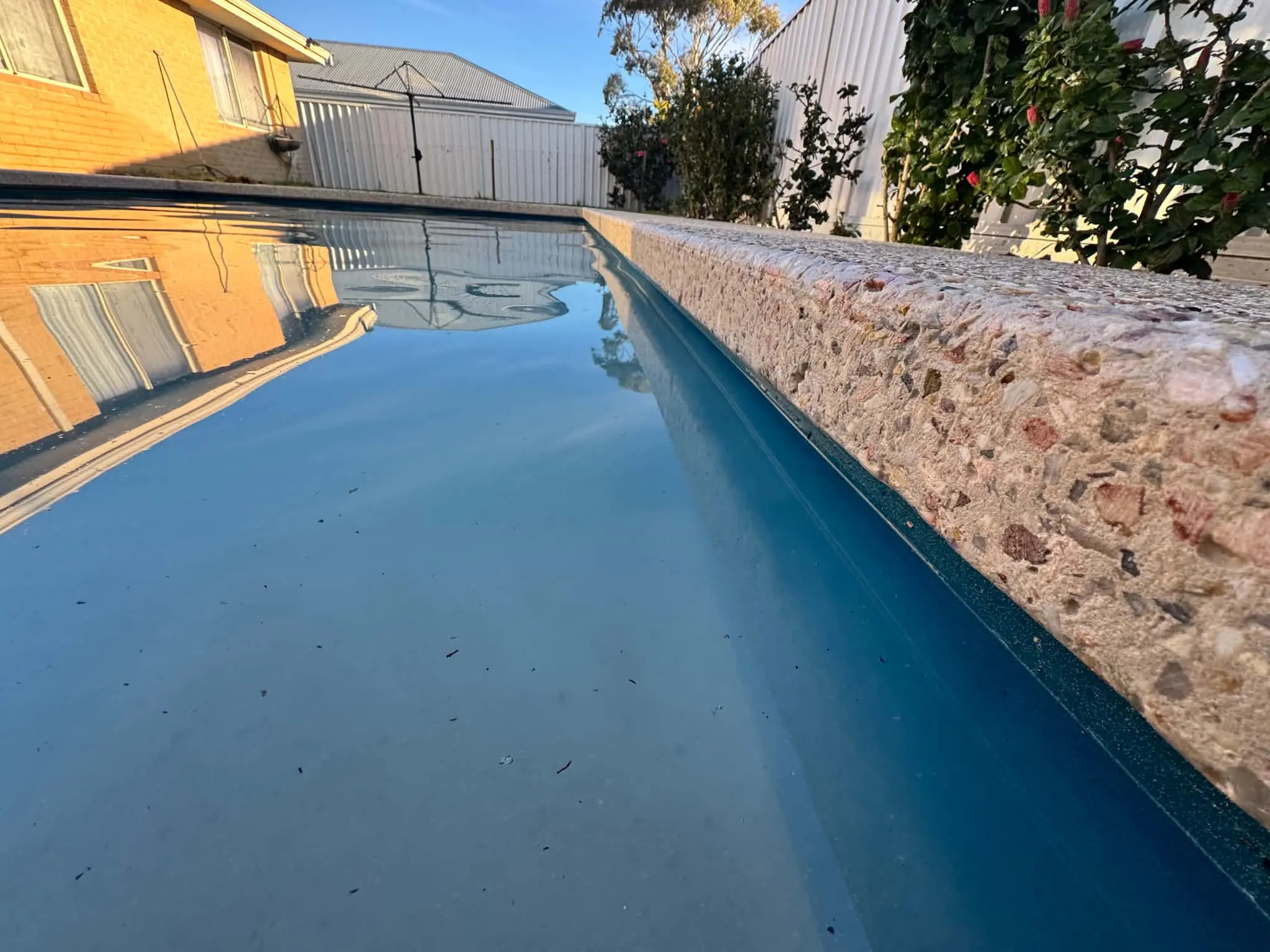
Liquid limestone
Liquid limestone is applied over a sound concrete slab and finished by hand to give a natural limestone look. It suits people who want a softer, warmer, stone-style result around the pool and patio.
How to choose
Choose honed if you like the look of concrete and want a straightforward, hard-wearing matte surface. Choose liquid limestone if the stone look matters most. Either way, the slab underneath decides the result, so the condition of an existing slab matters more than the surface choice.
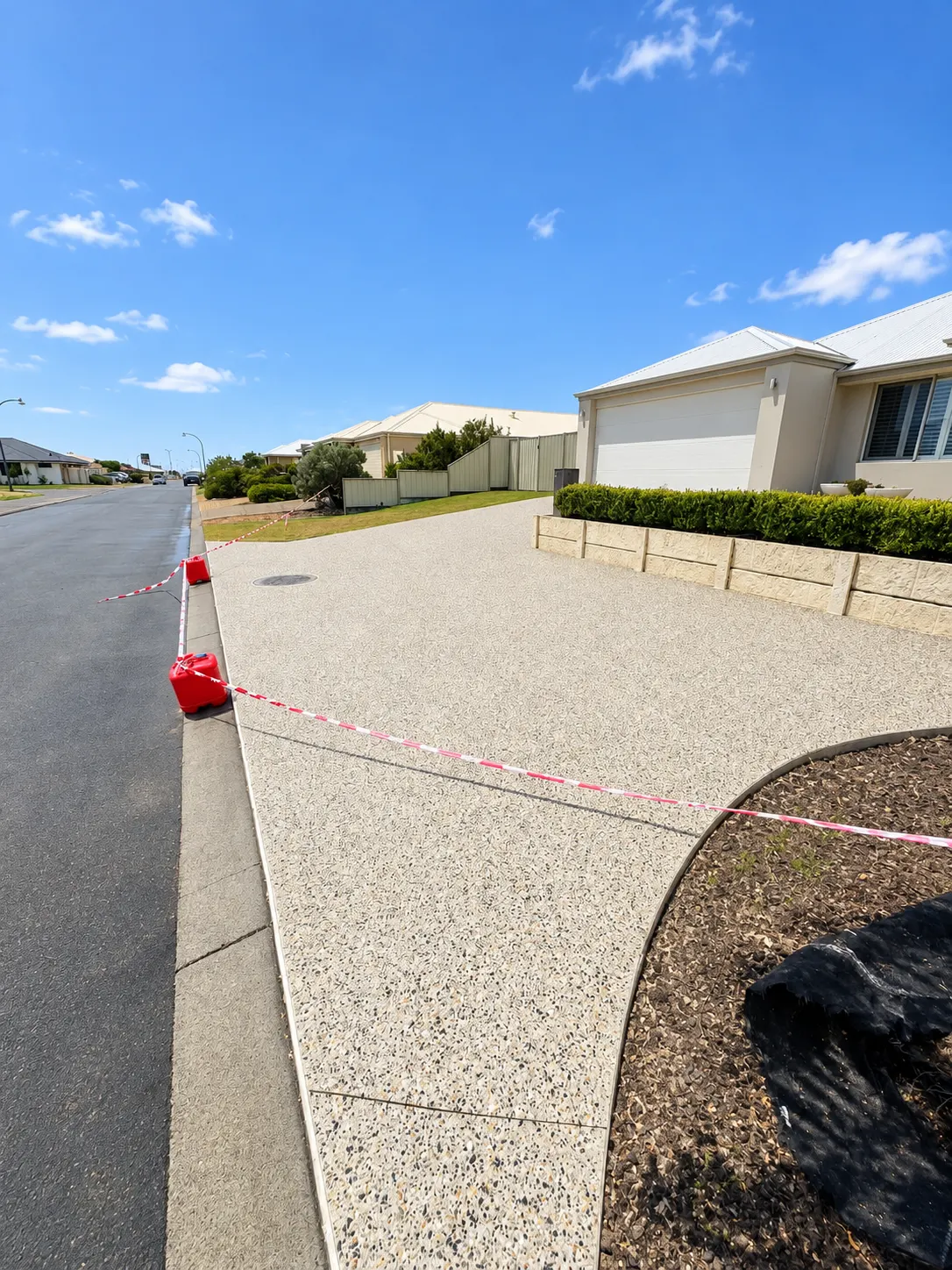
If the pool leads to a driveway or paths, it can make sense to plan them as one job: see concrete driveways. Homeowners can read more on our residential page, and we also take on projects in Perth.
Send photos of your pool area with a quote request and we will say which finish we would use and why.
Where we work: Bunbury and the South West of Western Australia.
Common questions
- What is the best concrete finish for a pool surround?
- The two we use most are honed concrete and liquid limestone. Both are matte and have more grip than polished concrete. Which is better depends on the look you want.
- Is a honed pool surround slippery?
- Honed concrete is matte and textured, so it feels less slick underfoot than a glossy surface. We talk through grip and sealer options before starting.
- Can an existing pool slab be resurfaced?
- Often, if the slab is sound. We check for cracks, movement and old sealers first, and photos of the area help us advise.
Related services
 Service
Honed concrete
 Service
Liquid limestone
 Service
Concrete driveways and paths
 Who we work for
Residential
 Area
Perth
More guides
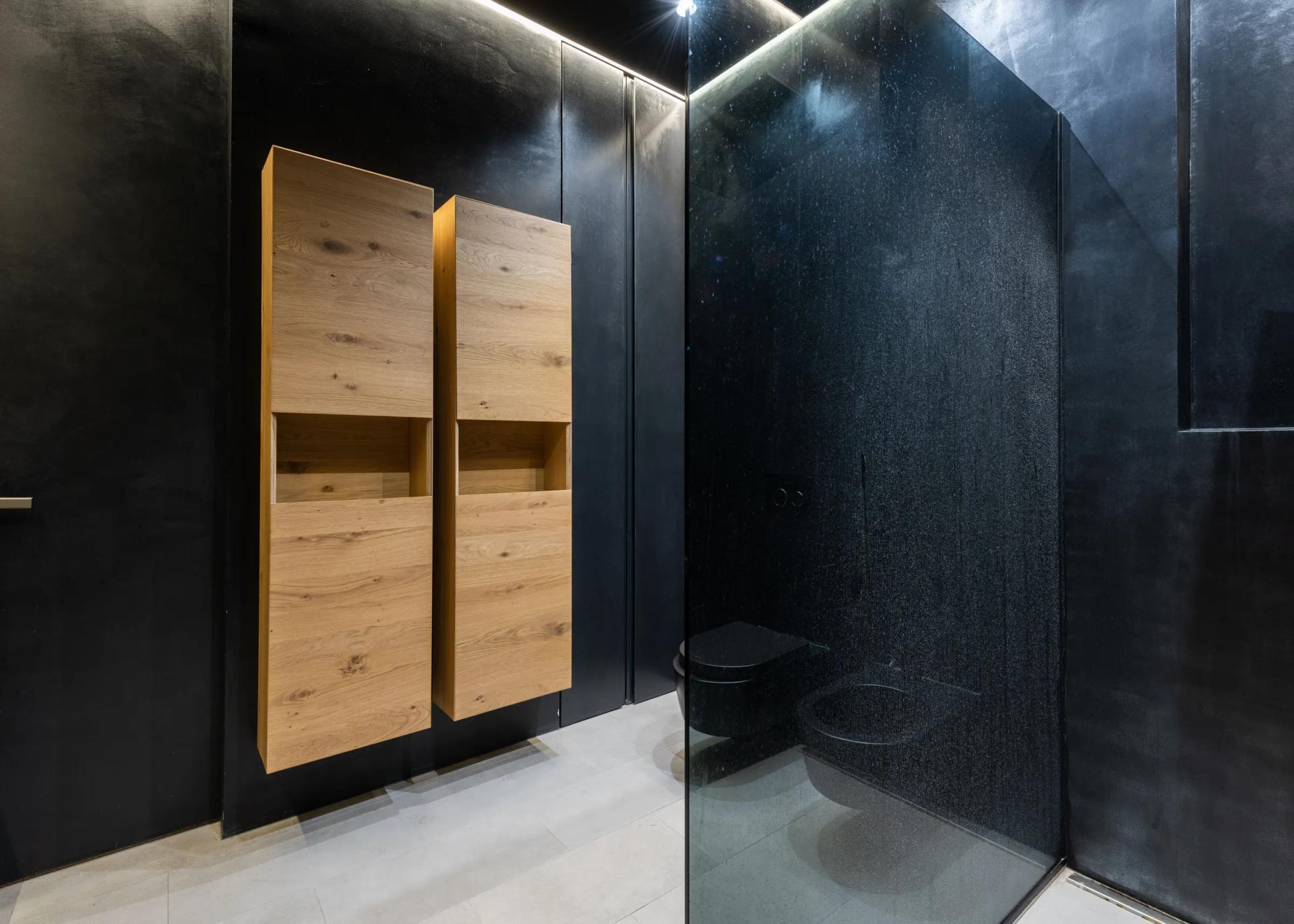 Guide
Polished concrete bathroom floors: waterproofing, falls, grip and walls
Polished concrete bathroom floors in WA: where the waterproofing sits, falls to the waste, grip in the shower, sealer for a wet room, walls and hobs.
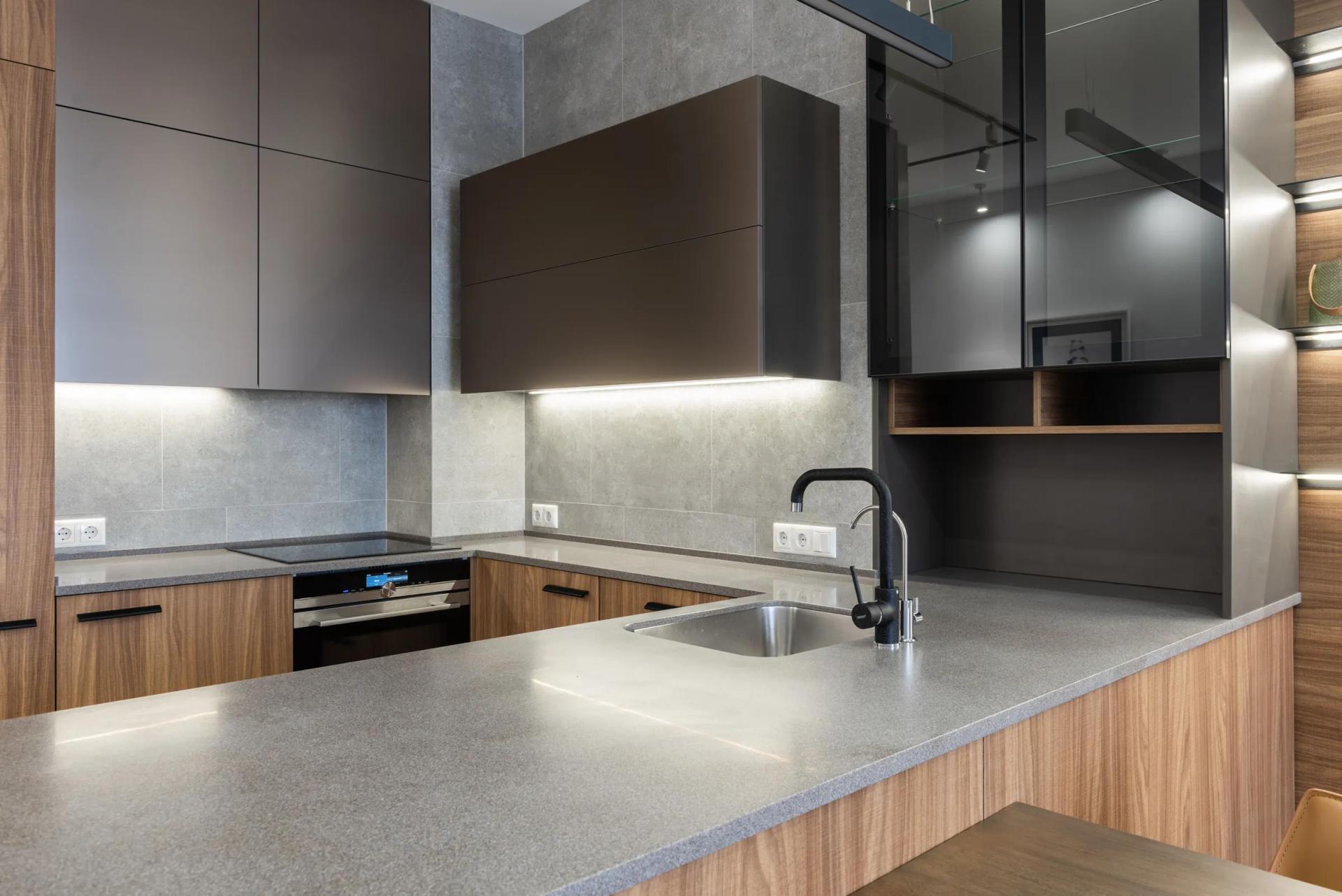 Guide
Polished concrete kitchen floors: stains, chips, warmth and the benchtop
Polished concrete kitchen floors in WA: oil, wine and lemon stains, dropped plates, warmth and hydronic heating, colour, the benchtop and open plan.
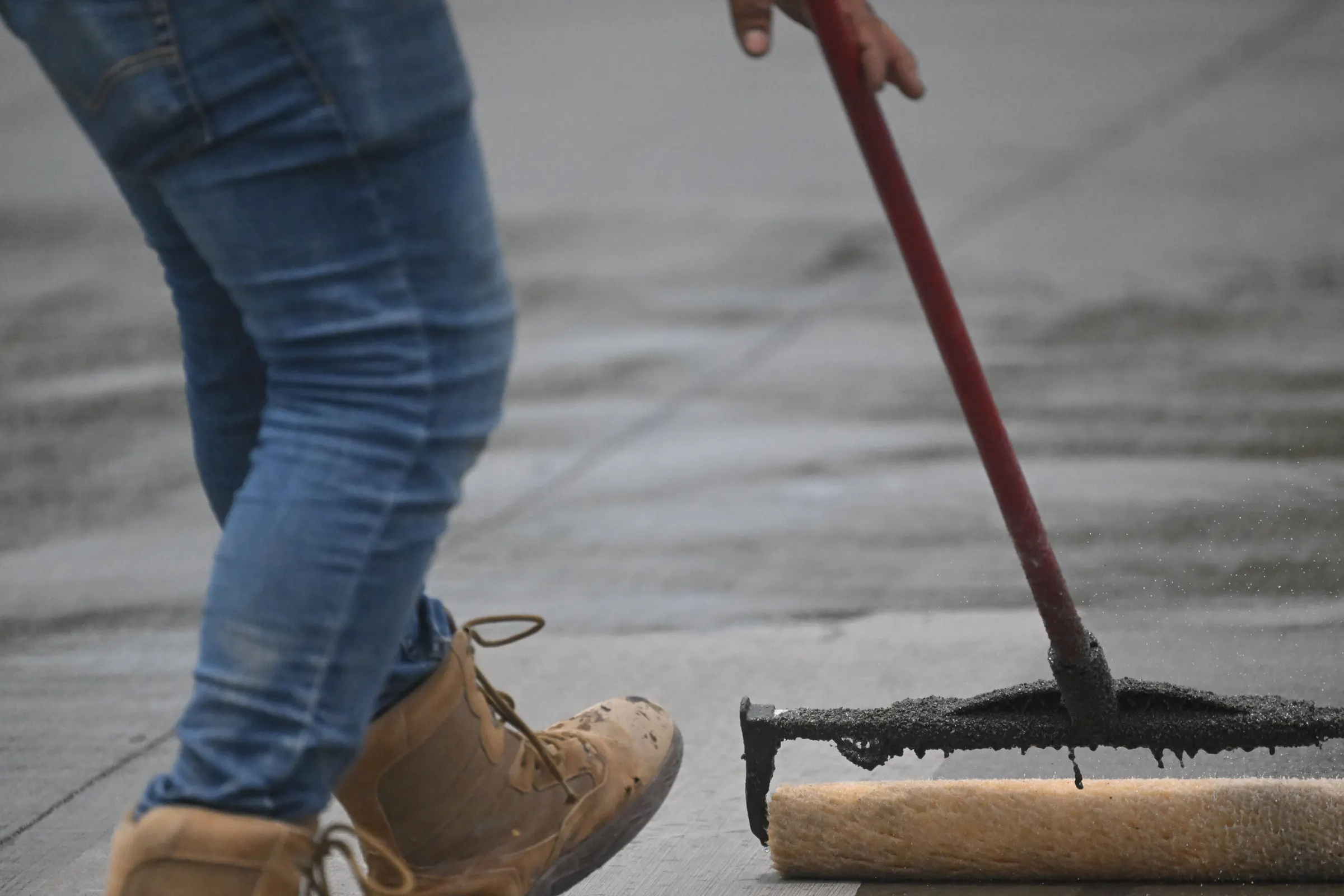 Guide
Concrete sealers explained: penetrating vs acrylic, and how often to reseal
Penetrating vs acrylic concrete sealers: which suits polished, honed, burnished, liquid limestone and exposed aggregate, how often to reseal and the signs.
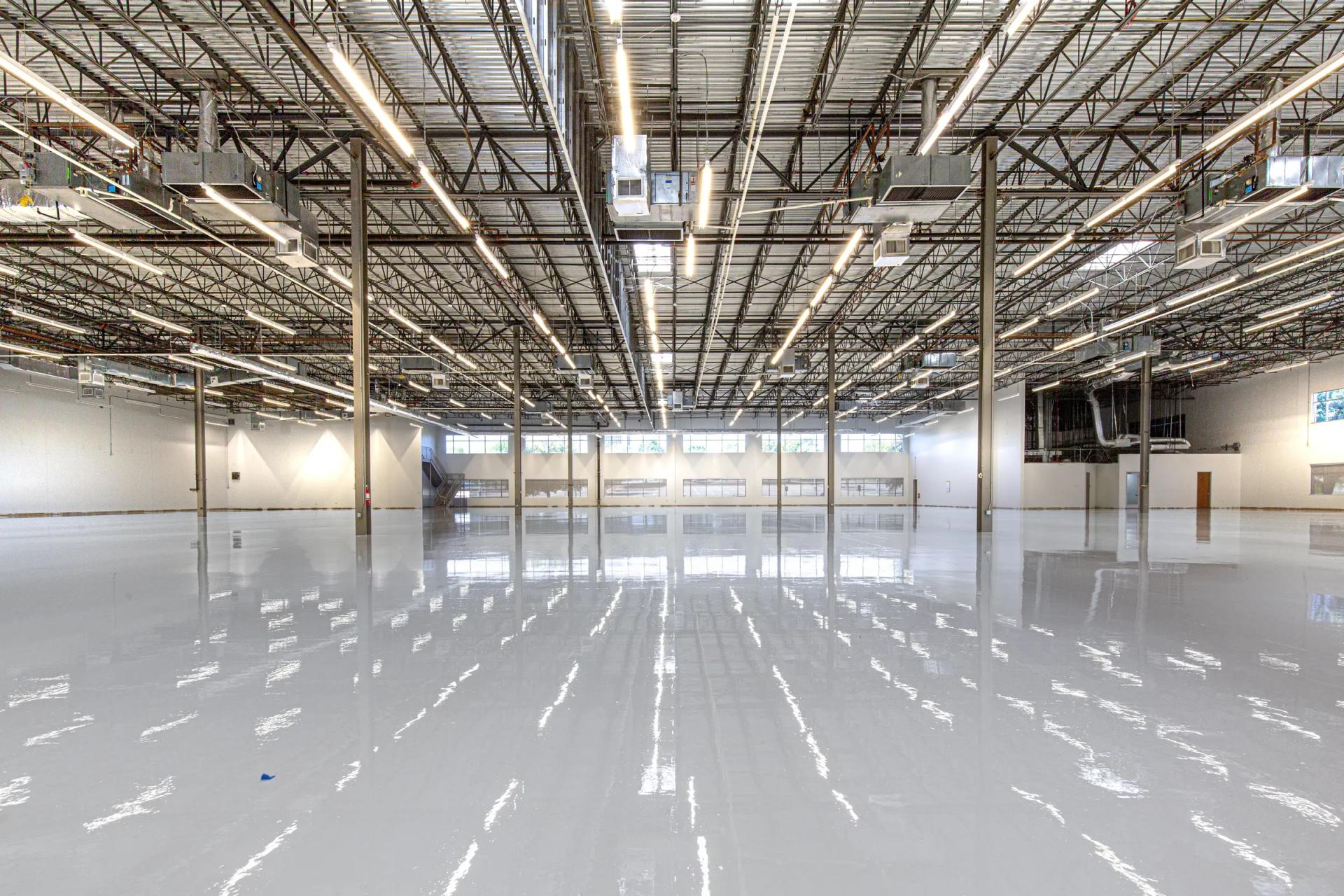 Guide
Polished concrete finish levels: aggregate exposure, sheen and grind and seal
Cream, salt and pepper or full exposure; matte, satin or high gloss; grind and seal or mechanically polished. Polished concrete finish levels explained.
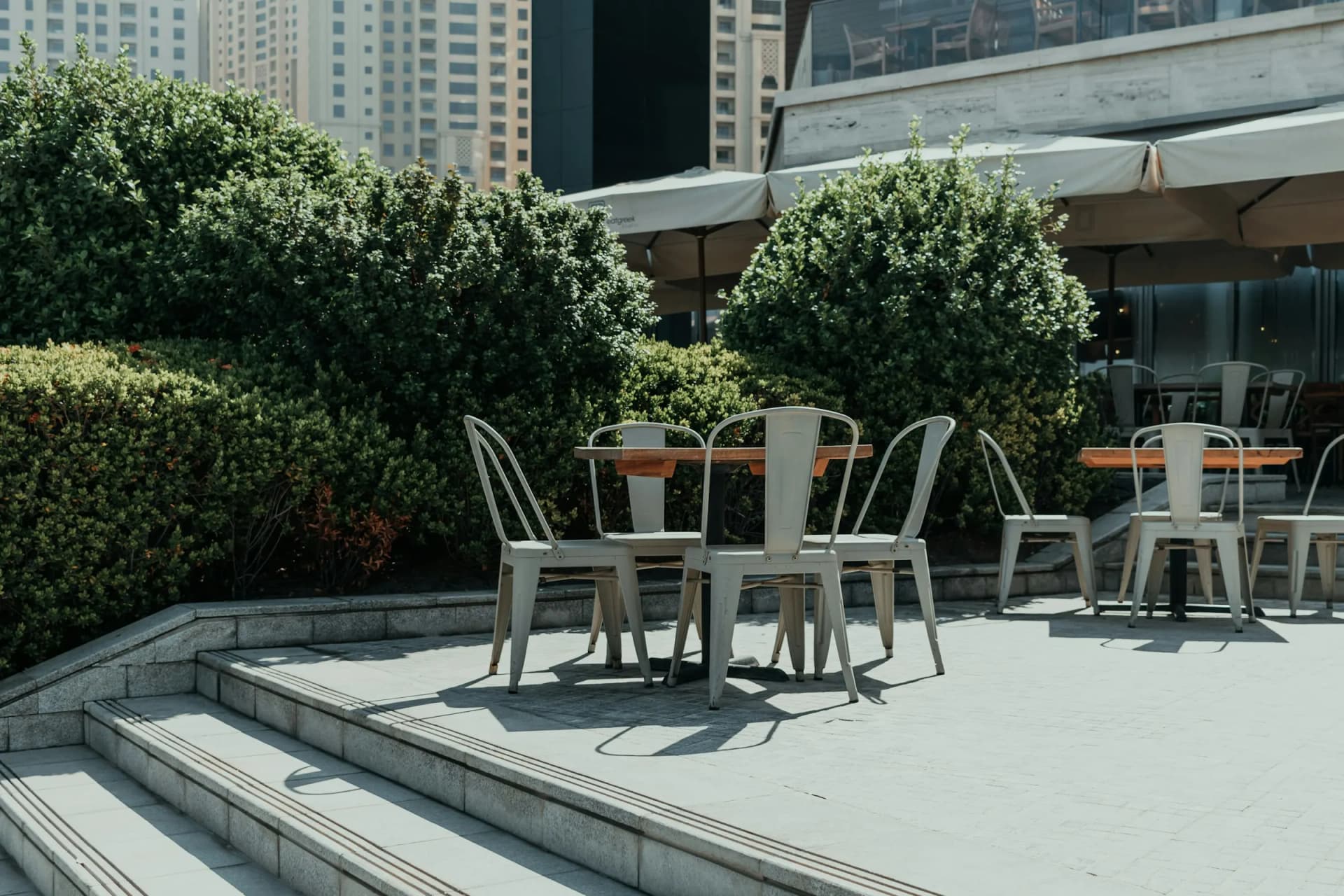 Guide
Types of concrete finishes for patios, and how to pick one
Six concrete finishes for a patio compared: plain, honed, liquid limestone, exposed aggregate, coloured and stamped. Grip, heat, glare, upkeep and cost in WA.
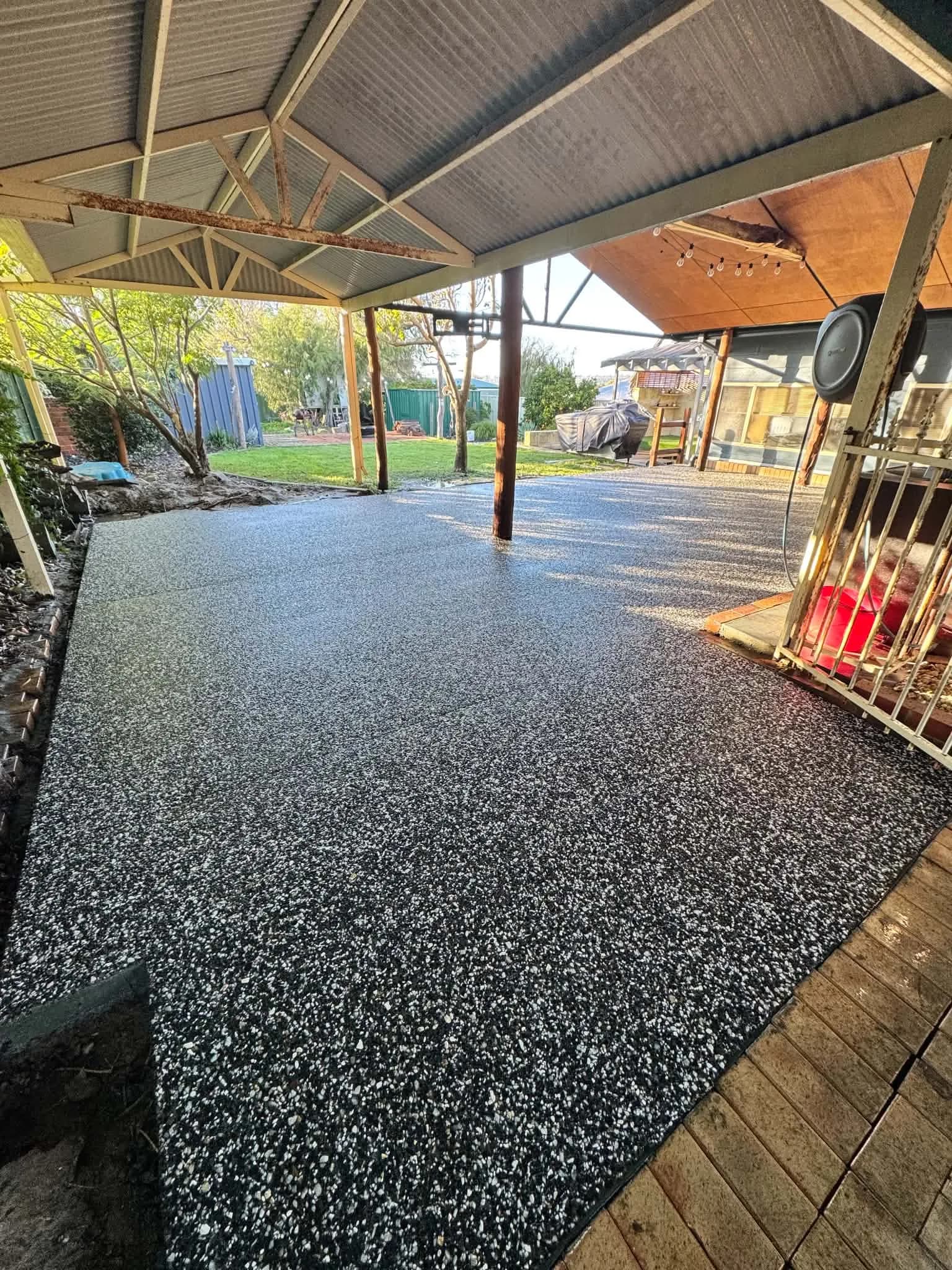 Guide
Outdoor polished concrete: alfresco, patio and the indoor-outdoor floor
Outdoor polished concrete usually means honed. Glare, heat, grip, sealers and how to run one finish from the living room to the alfresco, patio and pool in WA.
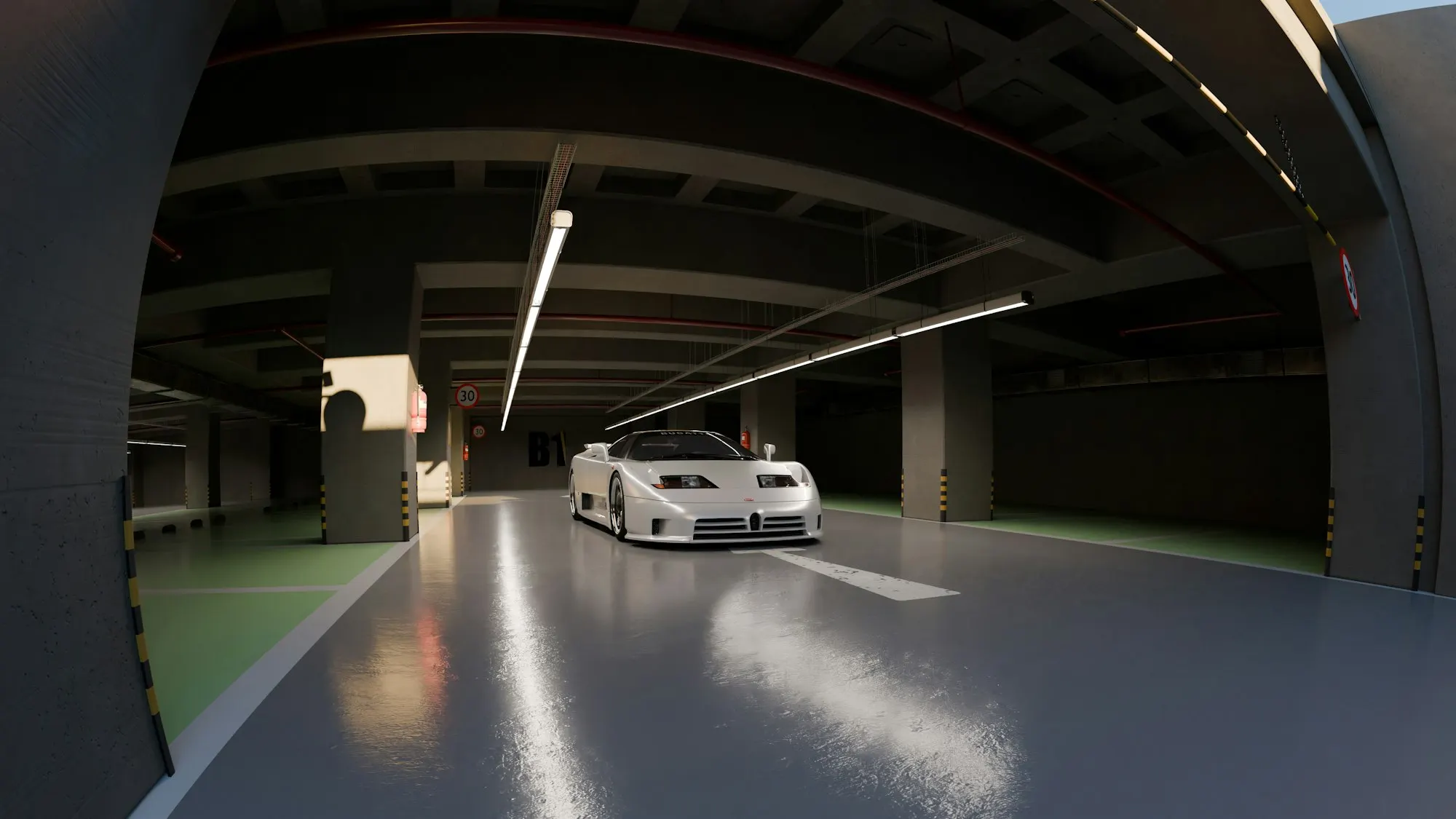 Guide
Polished concrete garage floors: what to know before you decide
Is a polished concrete garage floor a good idea? Tyre marks, oil, sheen, new slab versus old, and when burnished or sealed suits a garage or shed better in WA.
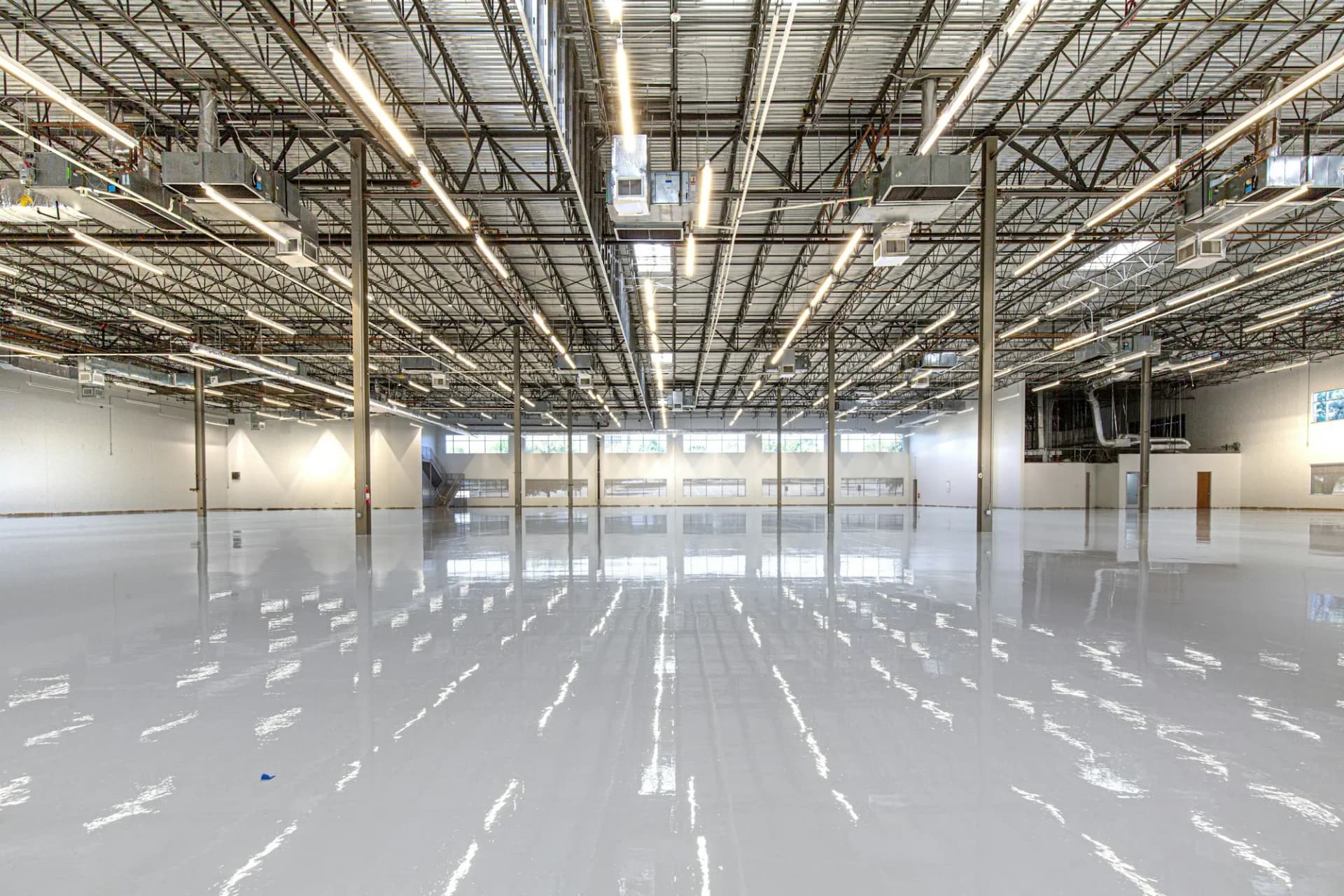 Guide
Polished concrete vs epoxy: which floor for a workshop, warehouse or shop
Polished concrete vs epoxy for a workshop, warehouse, shop or garage: wear, peeling, chemical resistance, downtime, upkeep and where grind and seal fits in.
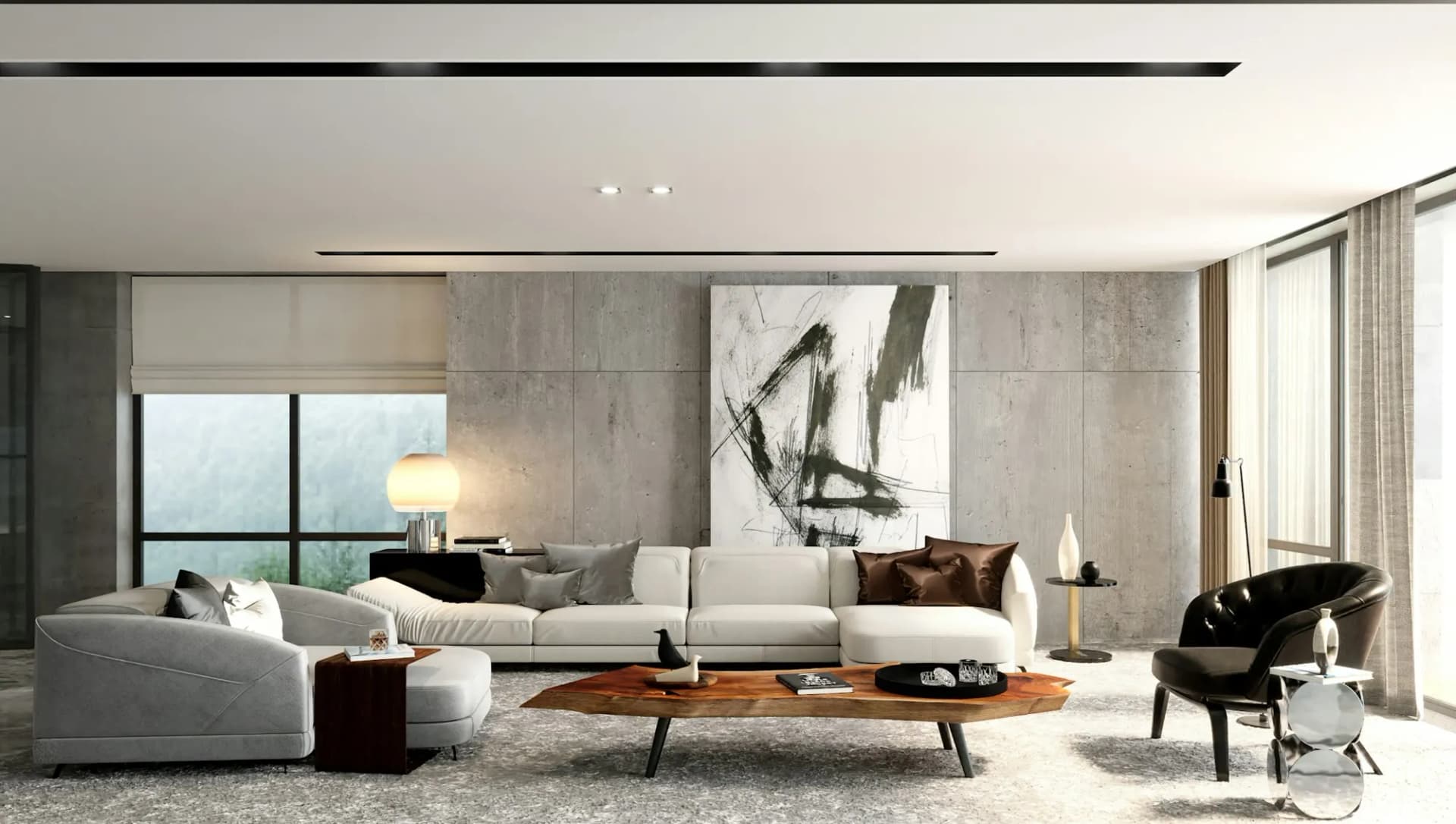 Guide
Polished concrete vs tiles: which floor makes sense
Is polished concrete cheaper than tiles? Often, on a new slab. How cost, grout, wet areas, comfort and resale compare, and why you can't polish over tiles.
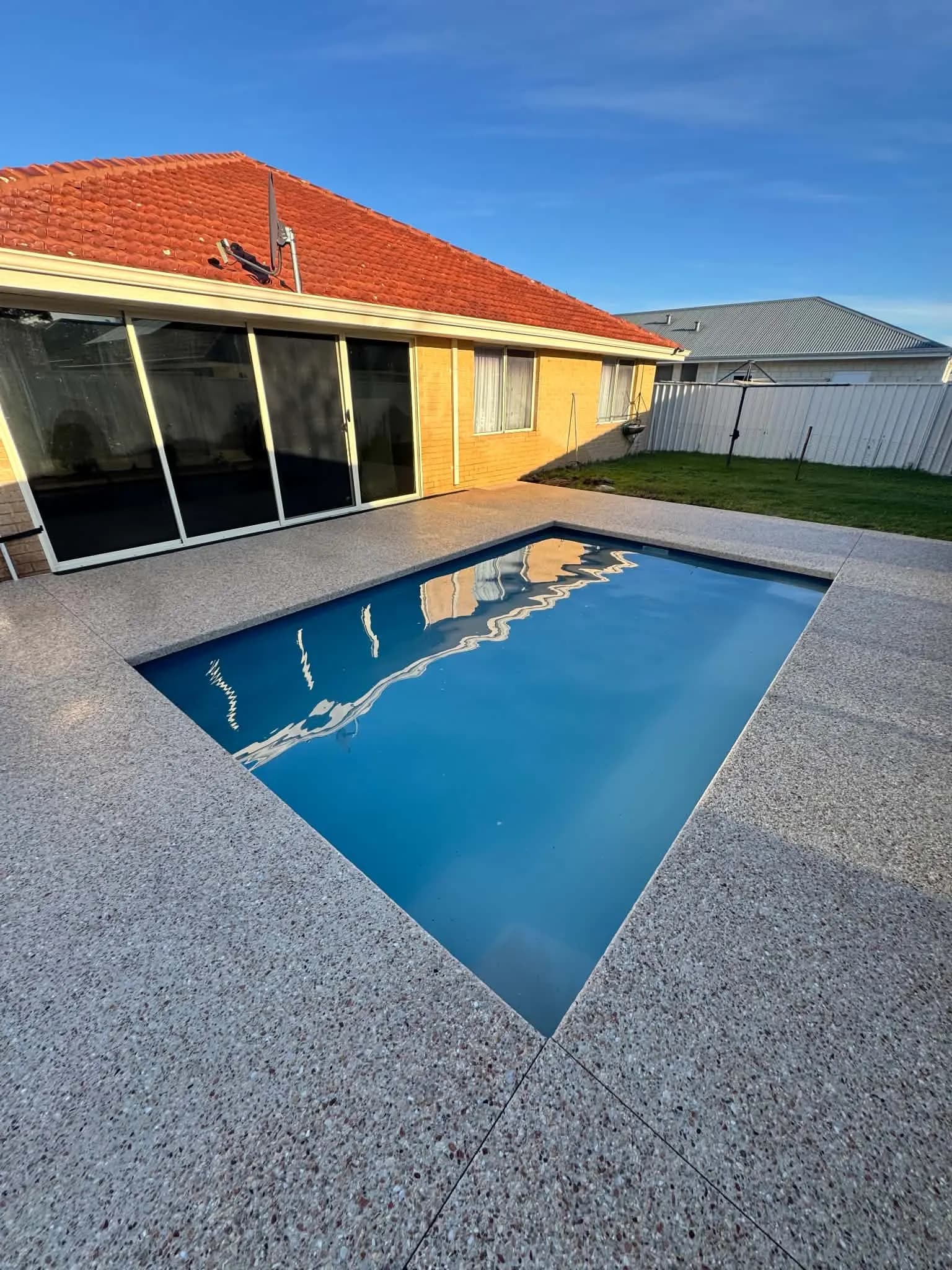 Guide
Exposed aggregate vs honed and polished concrete
Exposed aggregate, honed or polished aggregate: how each is made, how they differ on grip, cleaning and look, and which suits a driveway, pool or floor in WA.
 Guide
How to clean polished concrete floors
Everyday cleaning, what never to use, stains, and when a polished, honed or burnished floor needs resealing. Plain maintenance advice from Bunbury, WA.
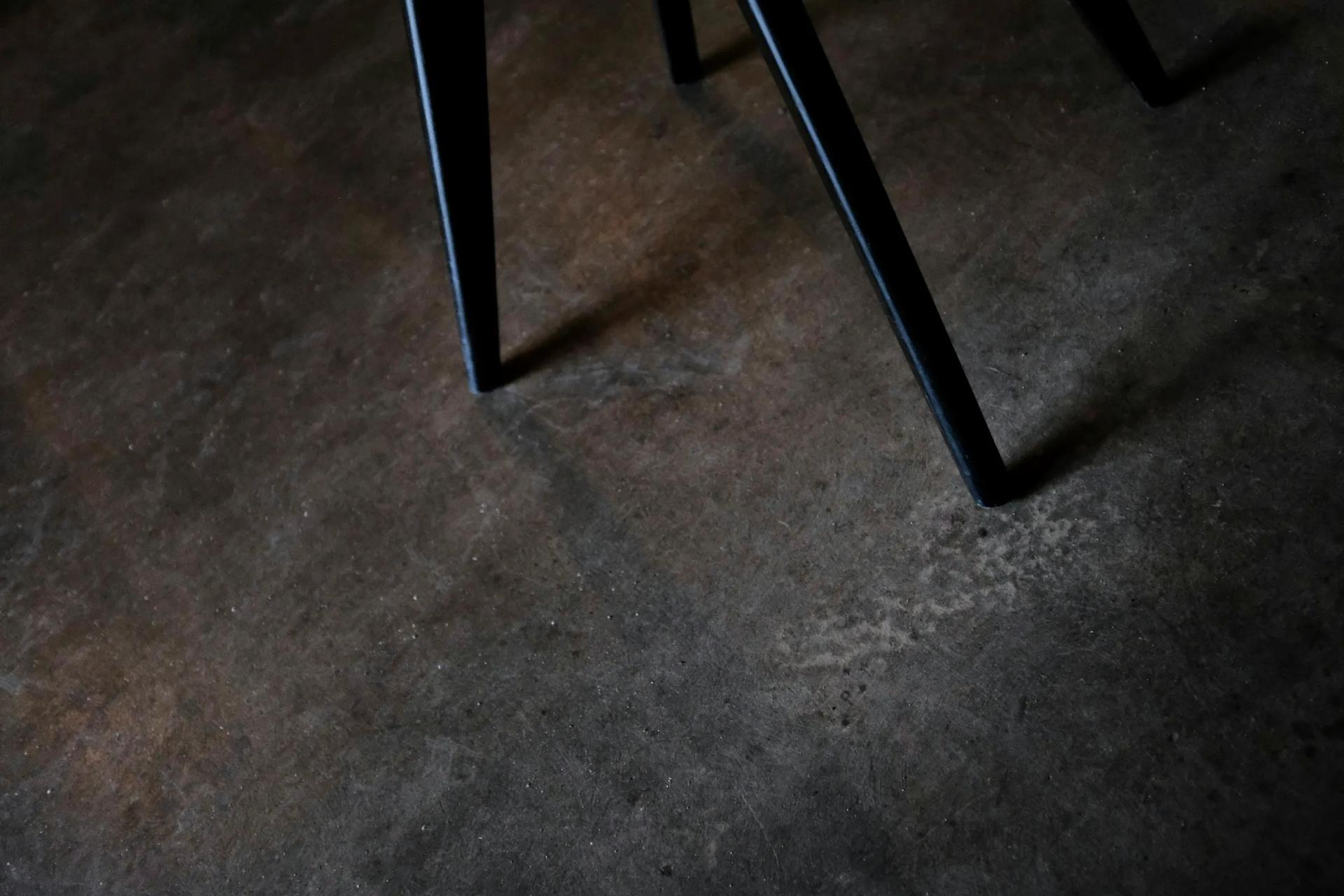 Guide
Polished concrete colours: what decides the final look
White, grey, black or aggregate? Where polished concrete colour comes from (cement, stone, oxides, sheen) and what you can choose on a new or existing slab.
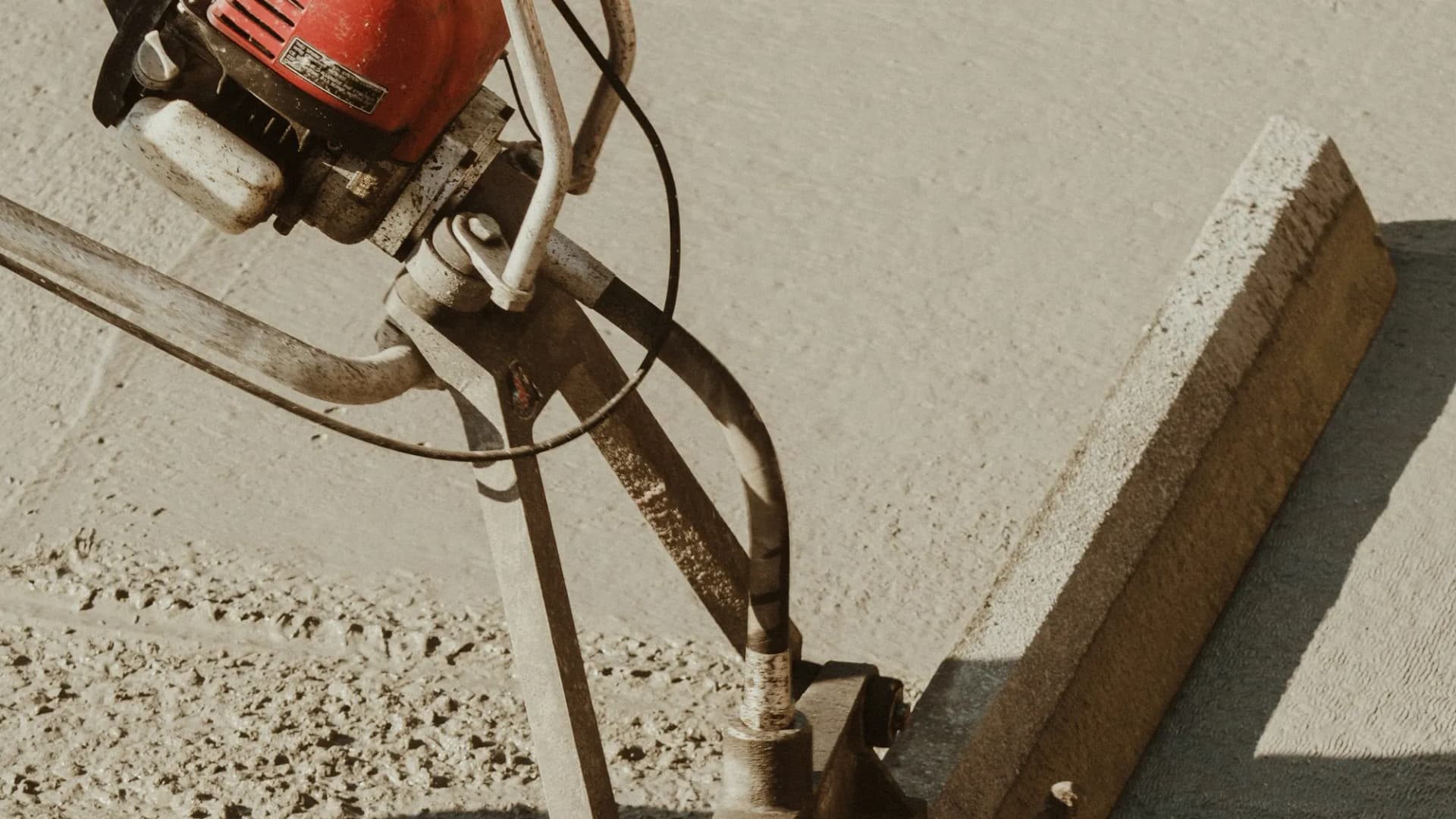 Guide
Polished concrete on an existing slab: can it be done?
Can an old slab be polished? What we check, what the slab decides for you, when an overlay or topping is the answer, and why a new slab is planned differently.
 Guide
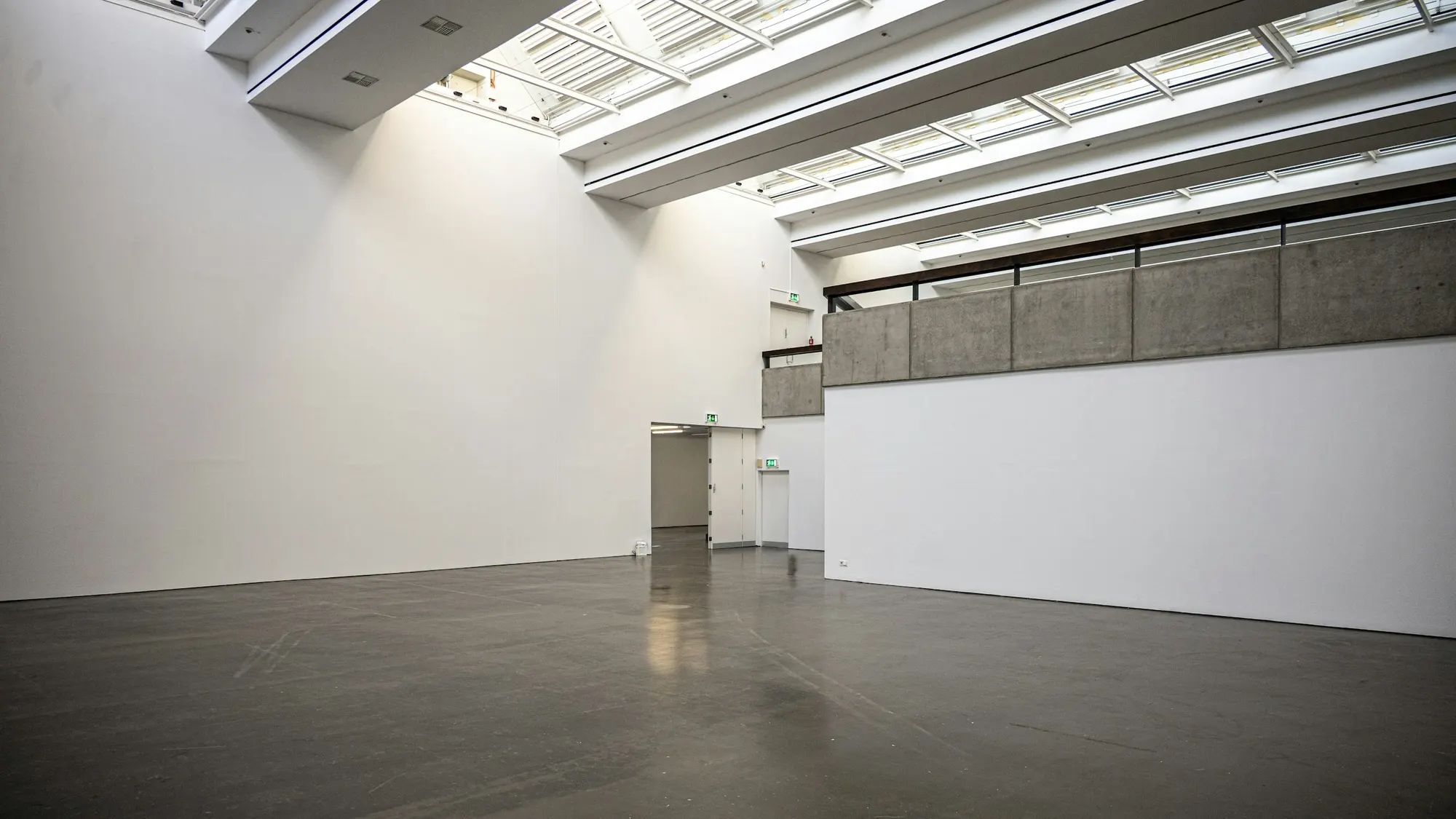
Is polished concrete slippery?
Is polished concrete slippery when wet? What decides grip, where a lower sheen suits better, and what to ask before you choose a finish.
 Guide
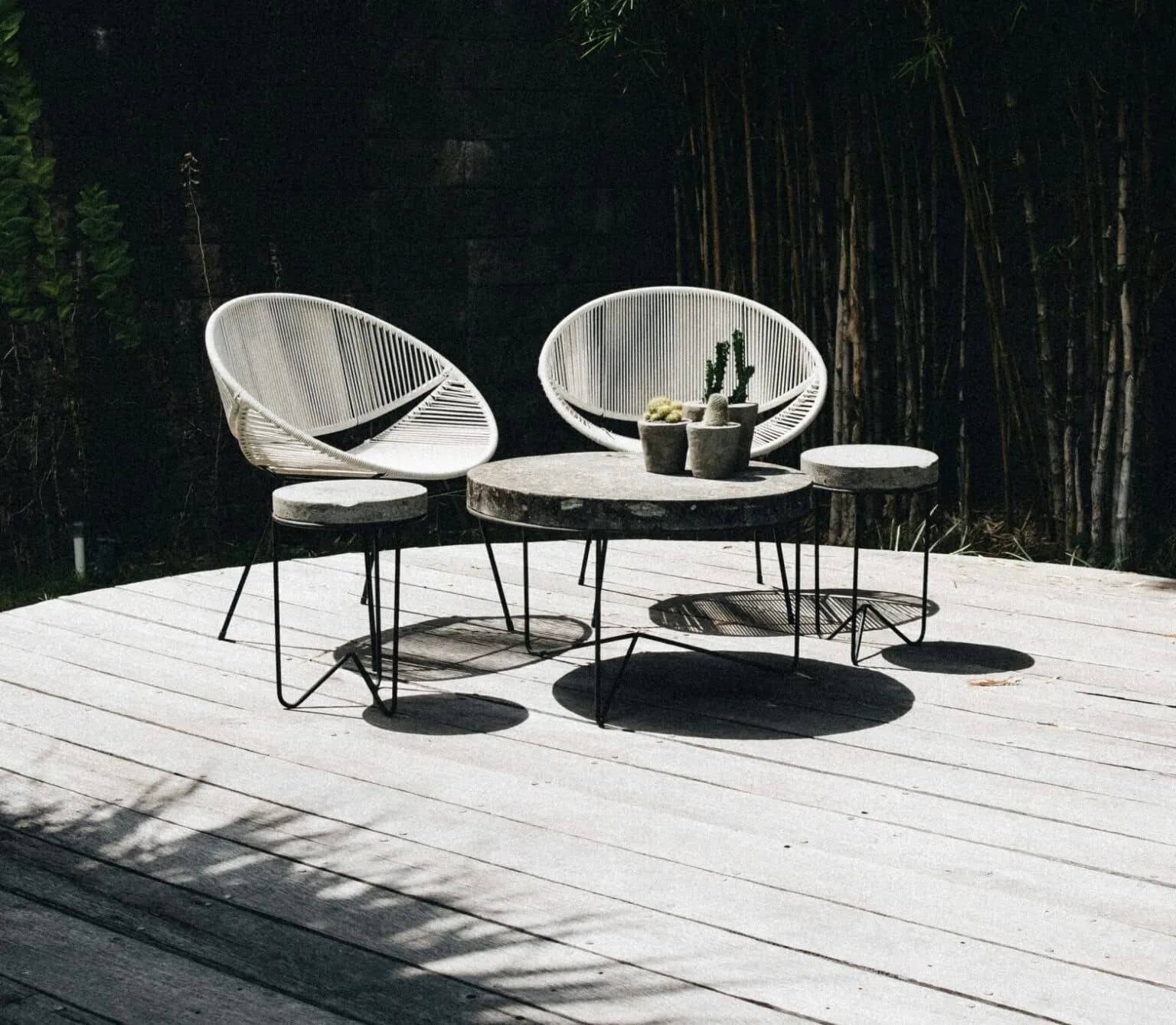
Concrete benchtops and furniture: what to plan first
Thinking about a polished concrete benchtop or custom concrete furniture? What it is, how it is made, and what to plan before you order in WA.
 Guide
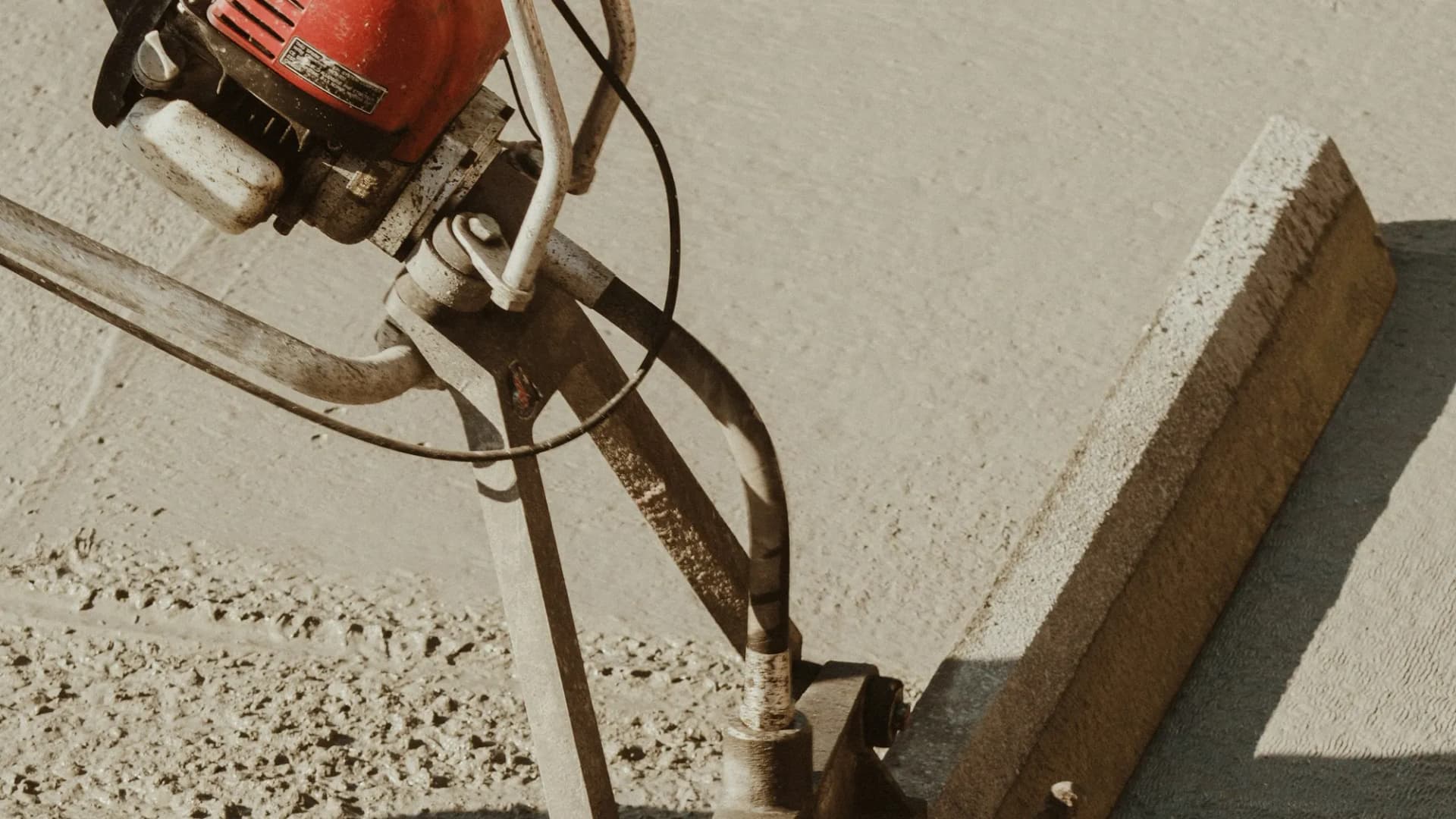
Polished concrete cost: what decides the price
What drives the cost of polished concrete floors: slab condition, area, level of finish and access. How to get an accurate quote in Bunbury and WA.