
Polished concrete finish levels: aggregate exposure, sheen and grind and seal
"Polished concrete" covers a wide range of floors. The glassy showroom floor and the flat grey cafe floor can both be polished concrete, and the difference is two settings we agree with you before the grinder starts: how deep the grind goes, and how far the sheen is taken. A third choice, grind and seal or a true mechanical polish, decides how the sheen is made. This is what each level means and where it suits, as we explain it on jobs in Bunbury and the South West.
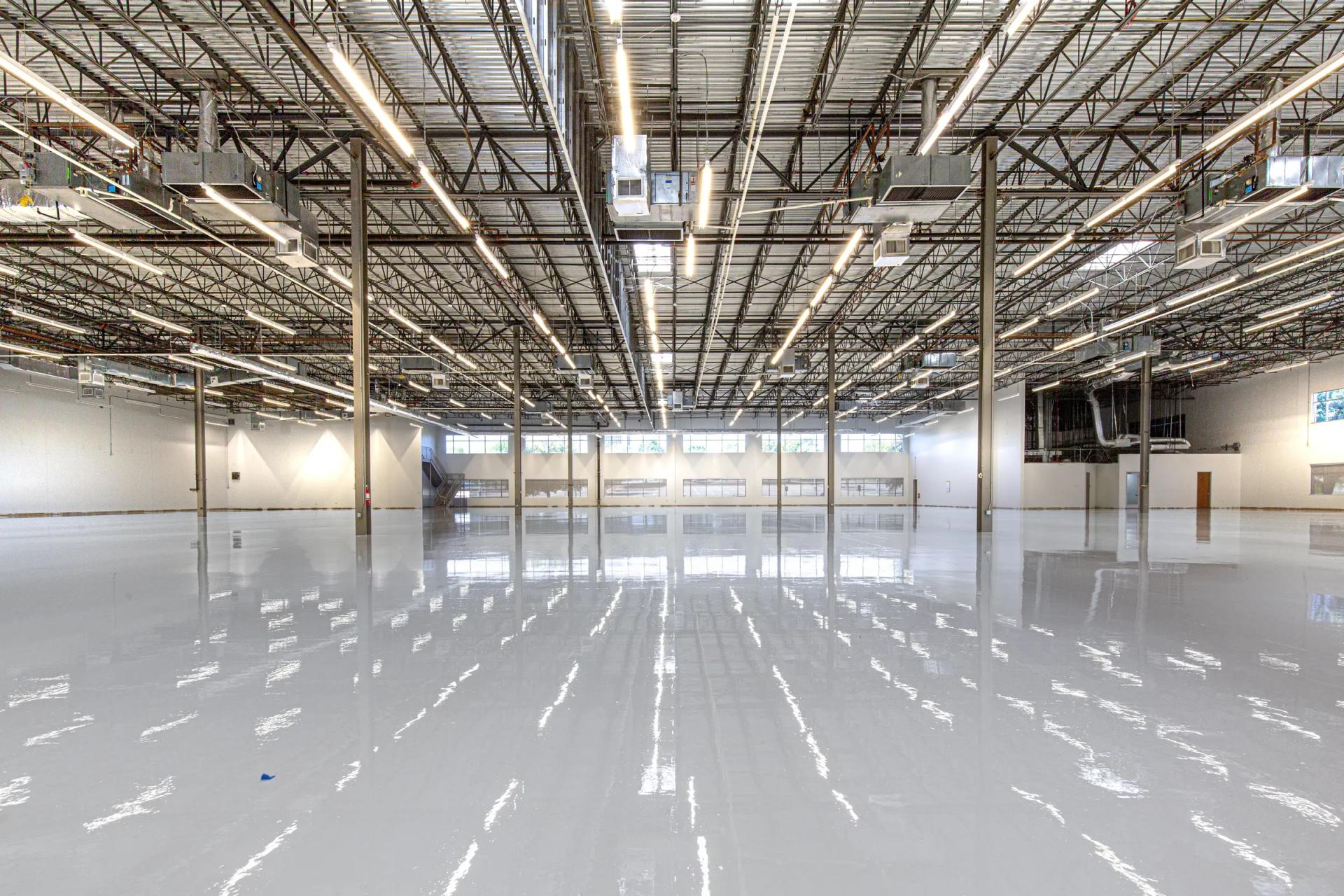
Aggregate exposure: how deep we grind
Concrete is cement paste, sand and stone. A slab is finished with the paste at the top, the sand just under it and the large stone lower down. The depth of the first, coarsest grind sets what the floor shows.
- Cream. A light grind, a millimetre or less, that keeps the smooth trowelled skin of the slab. Little or no stone shows. The floor reads as an even, soft grey with the trowel marks and the character of the pour showing through. It depends most on the slab being finished well, because there is nothing to hide a rough trowel job.
- Salt and pepper. A grind of a few millimetres, through the skin into the sand. A fine, even scatter of sand grains and small stone shows against the paste. This is the most common level on new homes: it hides small surface flaws, looks consistent across a big floor and does not need a special mix.
- Full exposure. A deep grind into the large aggregate, so the stone in the mix becomes the floor. The result depends on the stone, so on a new pour the aggregate is chosen for the look, and on an existing slab we test a patch first. It costs the most in grinding time and tooling.
Exposure is partly fixed by the slab. A thin or uneven topping cannot take a deep grind, and an old slab with patches shows them at any depth. Our guide to polished concrete colours covers how exposure and the mix set the colour.
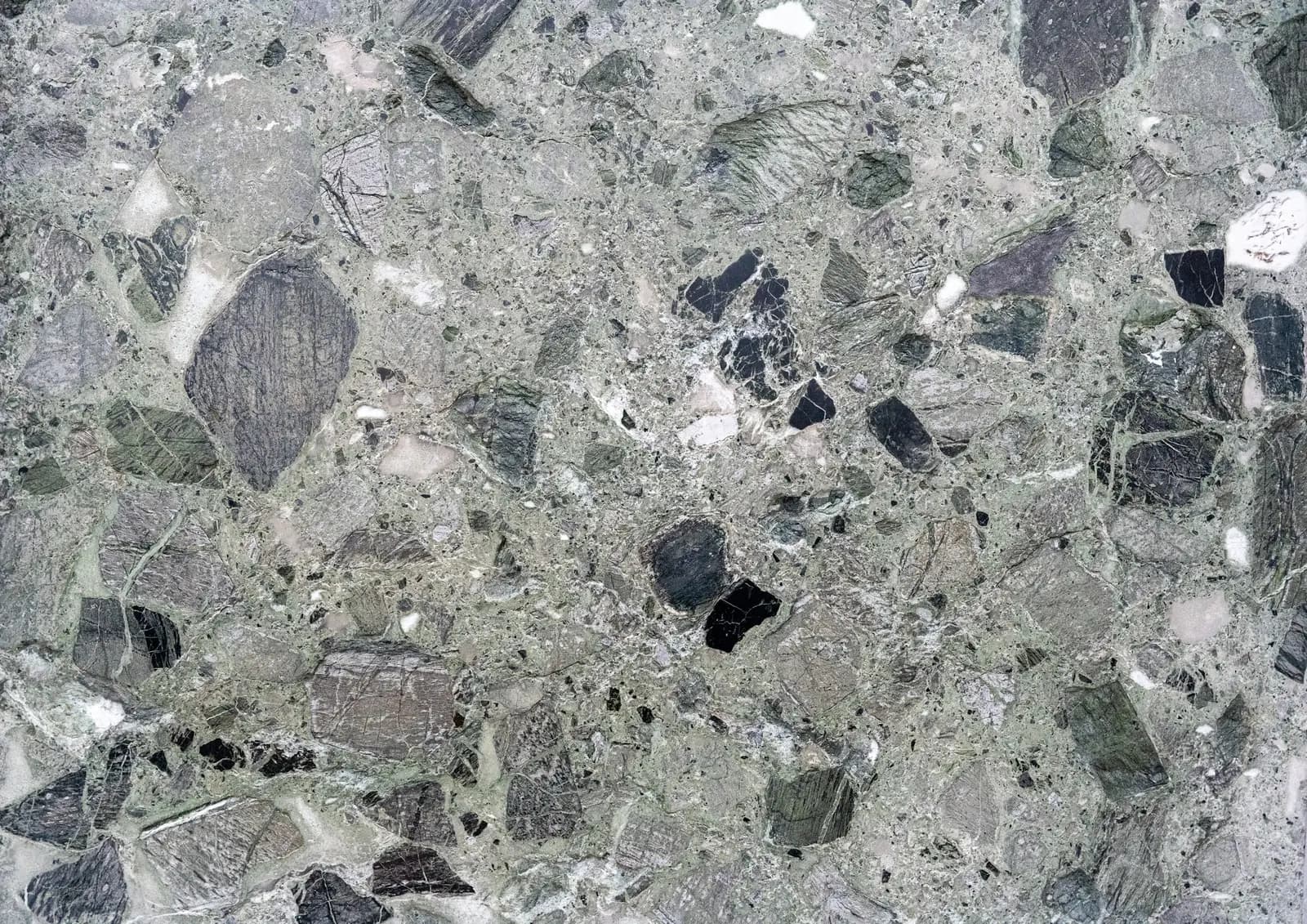
Sheen: how far the grits go
After the exposure is set, the floor is worked through finer and finer diamond grits. Where we stop sets the sheen.
- Matte. Stops at a low grit. The floor is flat and smooth with almost no reflection. Easy on the eye in a bright room, forgiving of dust and footprints, and the most grip of the three. At this level it is close to honed concrete, which is the same process stopped here and used outdoors.
- Satin. The middle. A soft, diffused reflection, so you see light on the floor but not a mirror image of the window. The usual choice in homes.
- High gloss. Taken to the finest grits. A clear reflection and the deepest colour. It shows every speck of dust and every scuff, and it is slippery when wet, so it belongs on indoor floors that stay dry: showrooms, foyers, living areas without a wet doorway.
Sheen and exposure are independent. A cream floor can be high gloss and a full-exposure floor can be matte; the combinations are what a sample panel settles.
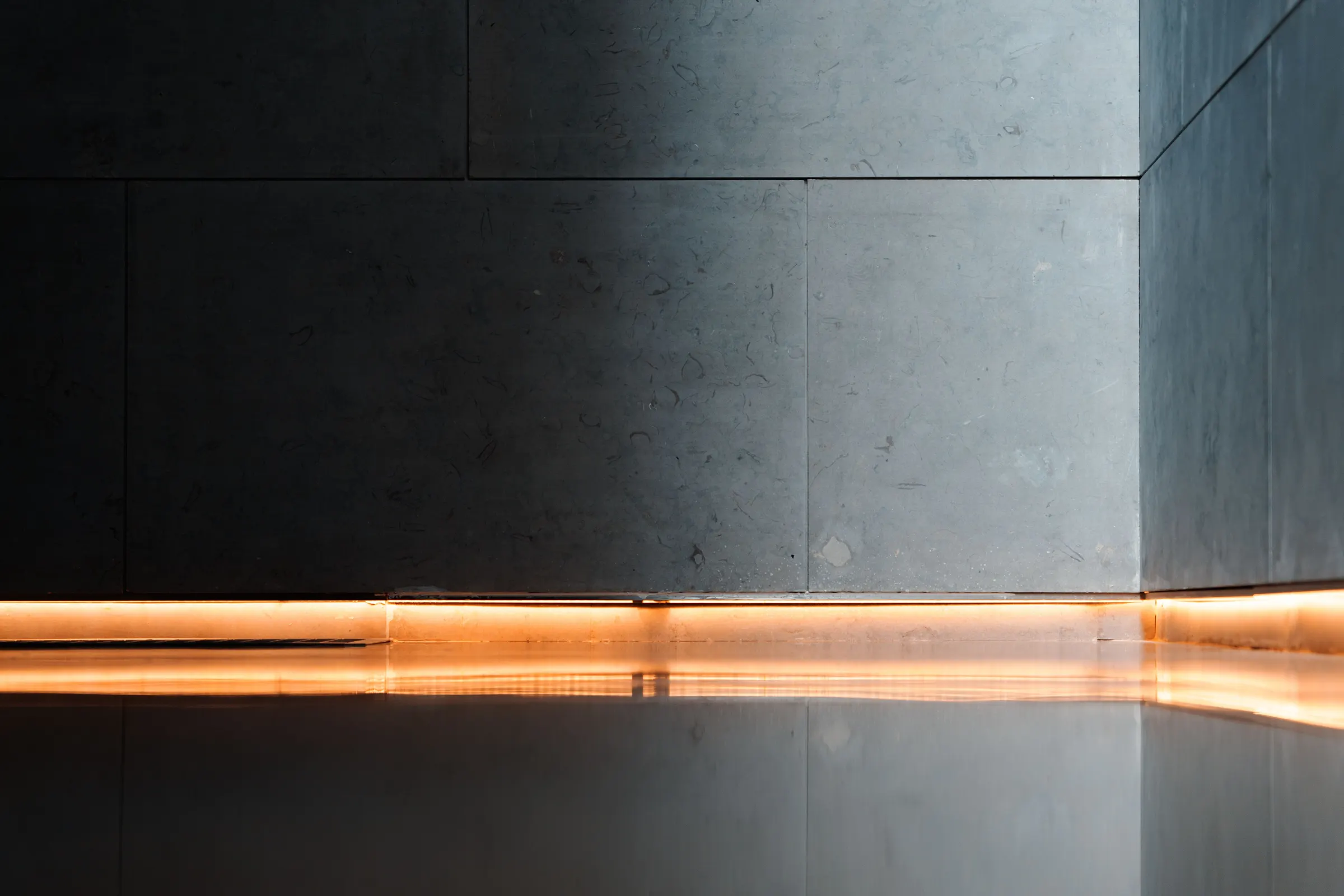
Grind and seal vs mechanically polished
The two are often sold under the one name, and the price difference is large, so it is worth knowing which you are being quoted.
| Grind and seal | Mechanically polished | |
|---|---|---|
| Where the sheen comes from | A film sealer applied after the grind | The concrete itself, ground to a fine grit and densified |
| Grits used | Coarse to medium, then sealer | Coarse through to fine, with densifier in between |
| Look | Sheen set by the sealer: matte, satin or gloss | Sheen set by the final grit; deeper, more glass-like at the top end |
| Wear | The film scratches and wears in traffic lanes and is recoated every few years | The surface is the slab; a thin stain guard is topped up, the floor is not redone |
| Grip when wet | Depends on the sealer; a grip additive can be mixed in | Lower at high gloss; matte and satin are fine indoors |
| Time and cost | Fewer passes, so quicker and cheaper | More passes and consumables, so dearer |
| Suits | Garages, sheds, shops on a budget, floors that will be covered later | Living areas, showrooms, long-life commercial floors |
Grind and seal is a legitimate floor. It is what a lot of garage and warehouse polishing actually is, and our comparison of polished concrete vs epoxy covers where a coating still makes sense. The point is to know which one you are paying for, and to get a quote that says so. Burnished concrete is a third route for large floors: no grind, the slab is trowelled and burnished to a soft sheen at the pour.
Homes vs commercial
Homes. Salt and pepper exposure at a satin sheen is the usual answer: it hides the small faults of a house slab, suits natural light and does not show every footprint. Cream suits a new slab poured and trowelled for polishing. High gloss is for a feature area, not a kitchen with a sink and a dog bowl. See residential polished concrete floors.
Commercial. Trolleys, foot traffic and cleaning machines favour a mechanically polished floor, because a film would wear through in the aisles. Exposure is often salt and pepper for consistency across a large area, with satin or gloss depending on the lighting. Grind and seal is the cheaper option for a tenancy on a short lease or a back-of-house floor. See commercial polished concrete.
Either way. Ask for a sample panel at the exposure and sheen you are considering, on your slab, under your light. A photo from another job tells you less than a square metre of your own floor. Then see the polished concrete page for how the whole job runs.
Where we work: Bunbury and the South West of Western Australia.
Common questions
- What is a salt and pepper polished concrete finish?
- A light to medium grind that takes off the top skin of the slab and shows a fine scatter of sand and small stone, like pepper on a grey ground. It sits between a cream finish, which shows almost no stone, and full exposure, which cuts into the large aggregate.
- What is the difference between grind and seal and mechanically polished concrete?
- Grind and seal grinds the slab to the exposure you want and then gets its sheen from a sealer coat on top. Mechanically polished concrete is ground through finer and finer grits and densified so the sheen is the concrete itself, with only a thin stain guard applied. Mechanical polish lasts longer and never peels; grind and seal is quicker and cheaper.
- Is a matte polished concrete floor still polished?
- Yes. Matte means the grind stopped at a lower grit, so the floor is flat and smooth with little reflection. At that point it is close to honed concrete. Satin and gloss take the same floor further through the grits.
Related services
 Service
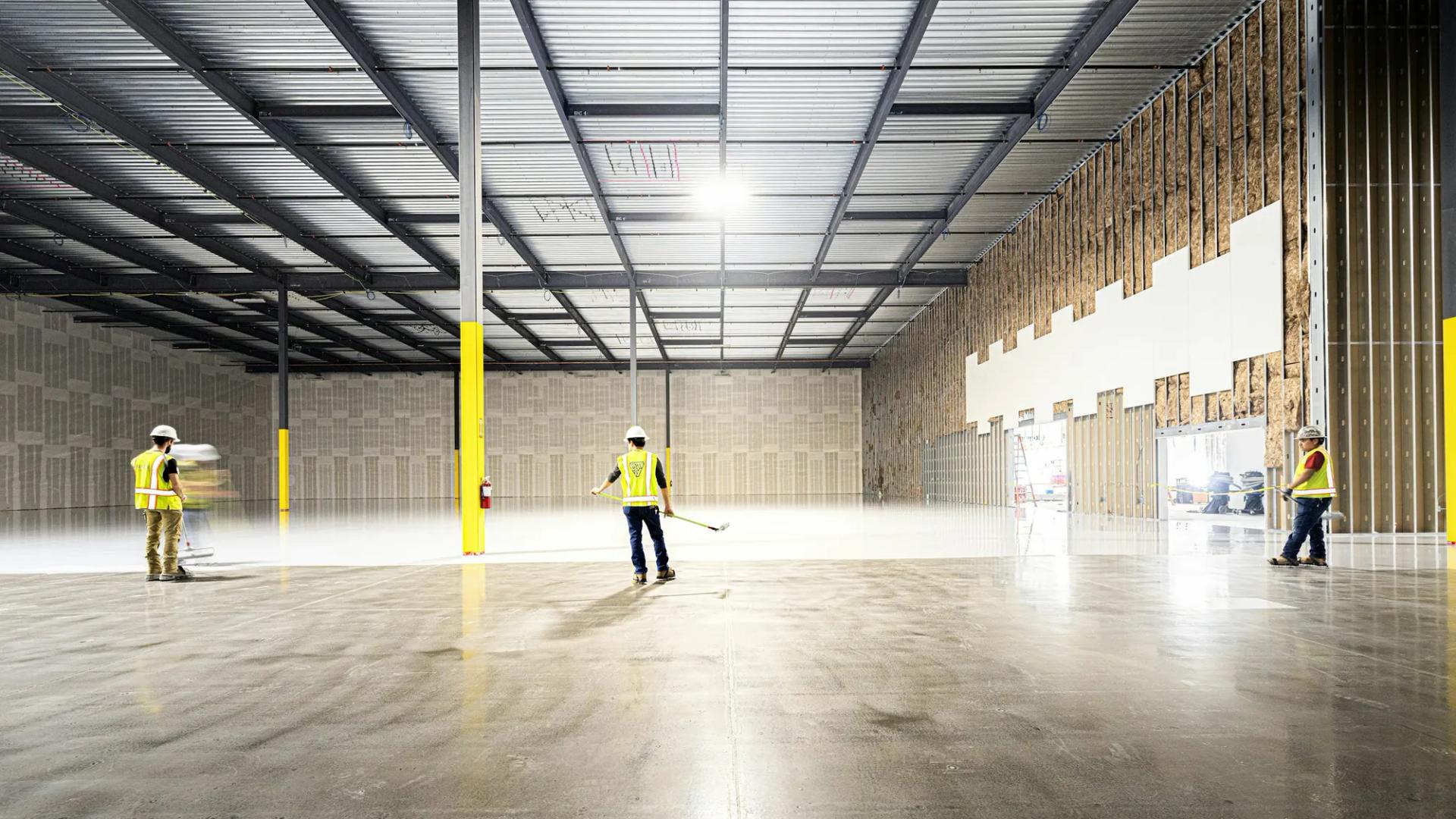
Polished concrete
 Service
Burnished concrete
 Service
Honed concrete
 Who we work for
Residential
 Who we work for
Commercial
More guides
 Guide
Polished concrete bathroom floors: waterproofing, falls, grip and walls
Polished concrete bathroom floors in WA: where the waterproofing sits, falls to the waste, grip in the shower, sealer for a wet room, walls and hobs.
 Guide
Polished concrete kitchen floors: stains, chips, warmth and the benchtop
Polished concrete kitchen floors in WA: oil, wine and lemon stains, dropped plates, warmth and hydronic heating, colour, the benchtop and open plan.
 Guide
Concrete sealers explained: penetrating vs acrylic, and how often to reseal
Penetrating vs acrylic concrete sealers: which suits polished, honed, burnished, liquid limestone and exposed aggregate, how often to reseal and the signs.
 Guide
Types of concrete finishes for patios, and how to pick one
Six concrete finishes for a patio compared: plain, honed, liquid limestone, exposed aggregate, coloured and stamped. Grip, heat, glare, upkeep and cost in WA.
 Guide
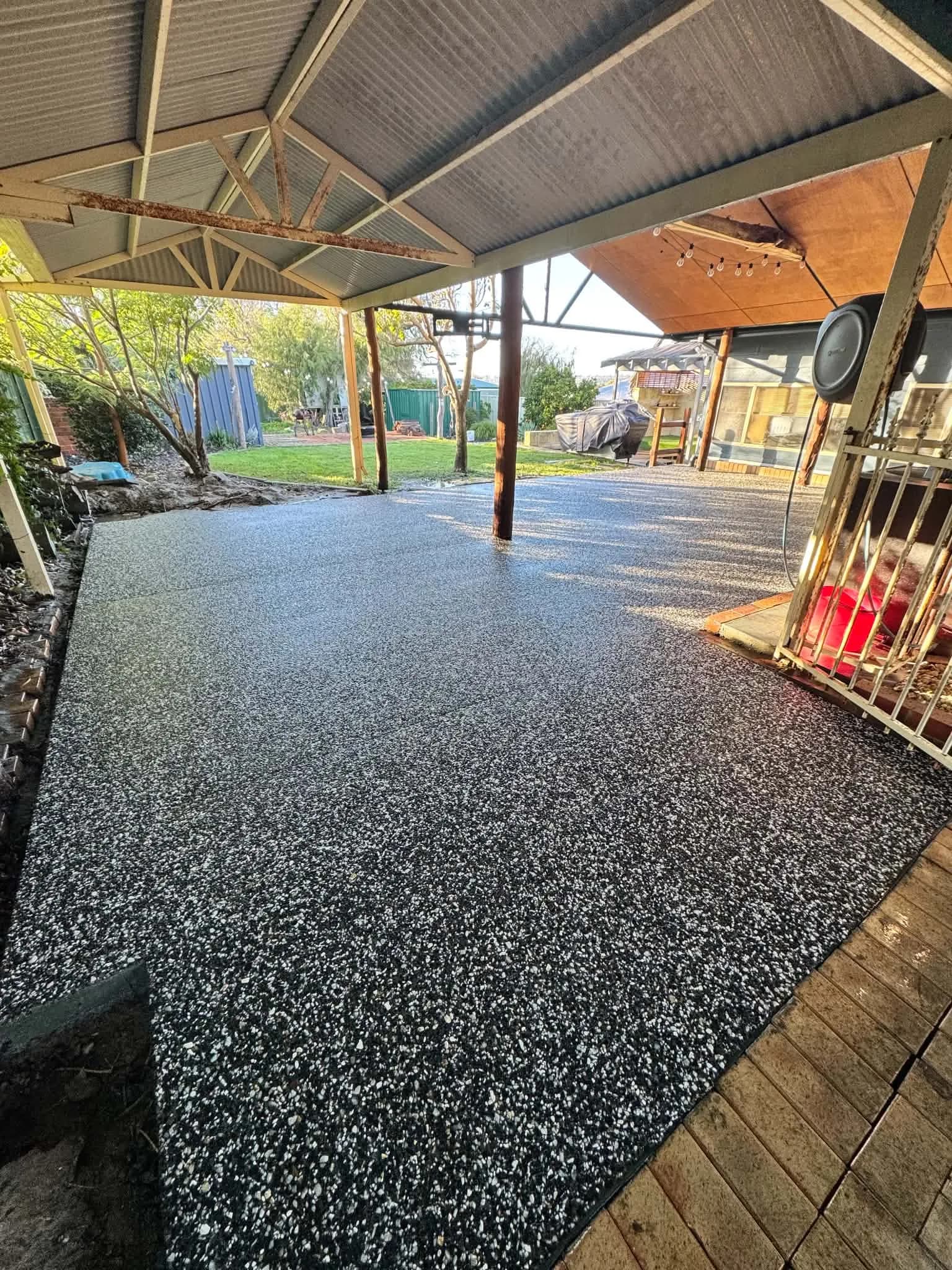
Outdoor polished concrete: alfresco, patio and the indoor-outdoor floor
Outdoor polished concrete usually means honed. Glare, heat, grip, sealers and how to run one finish from the living room to the alfresco, patio and pool in WA.
 Guide
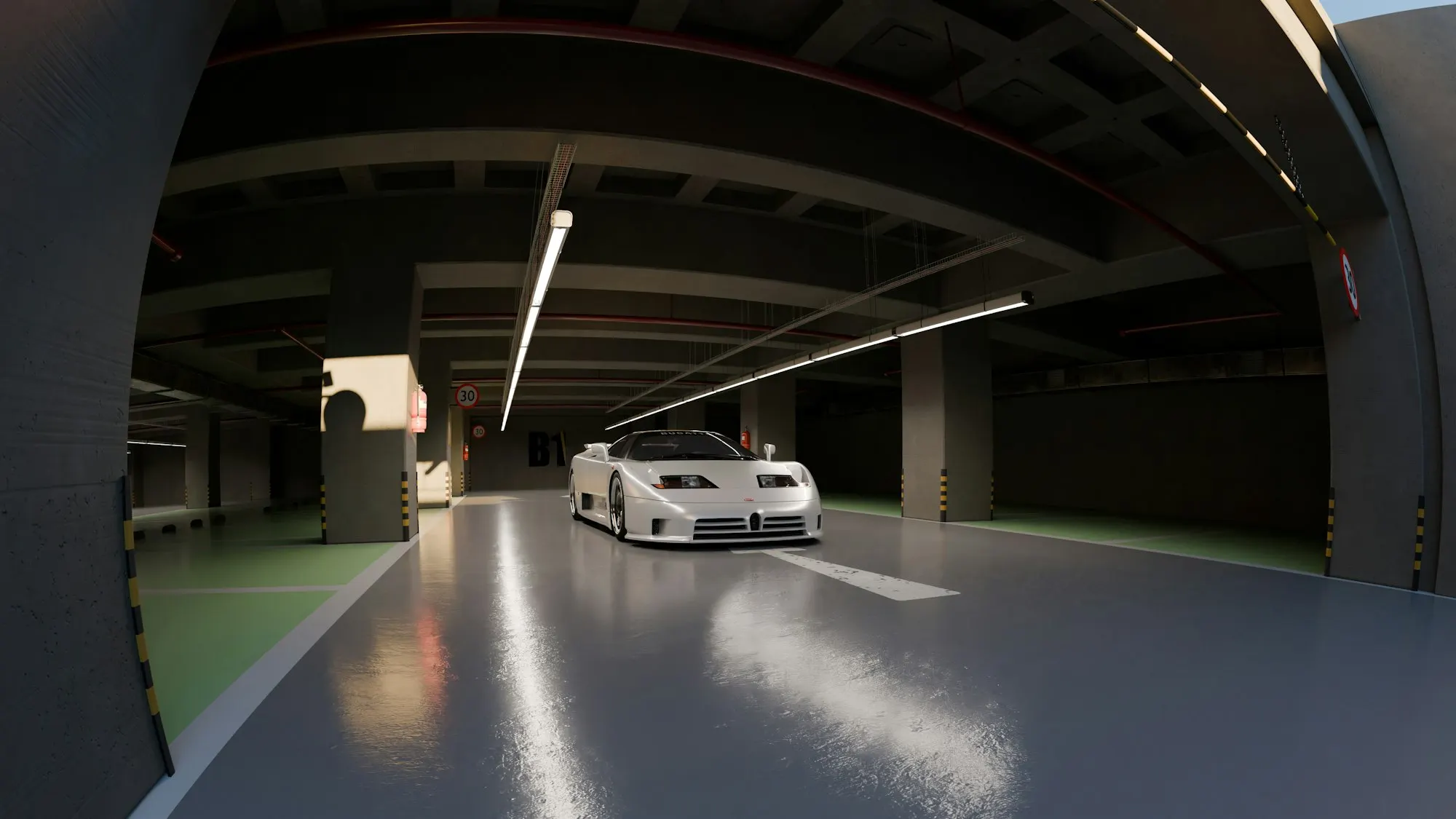
Polished concrete garage floors: what to know before you decide
Is a polished concrete garage floor a good idea? Tyre marks, oil, sheen, new slab versus old, and when burnished or sealed suits a garage or shed better in WA.
 Guide
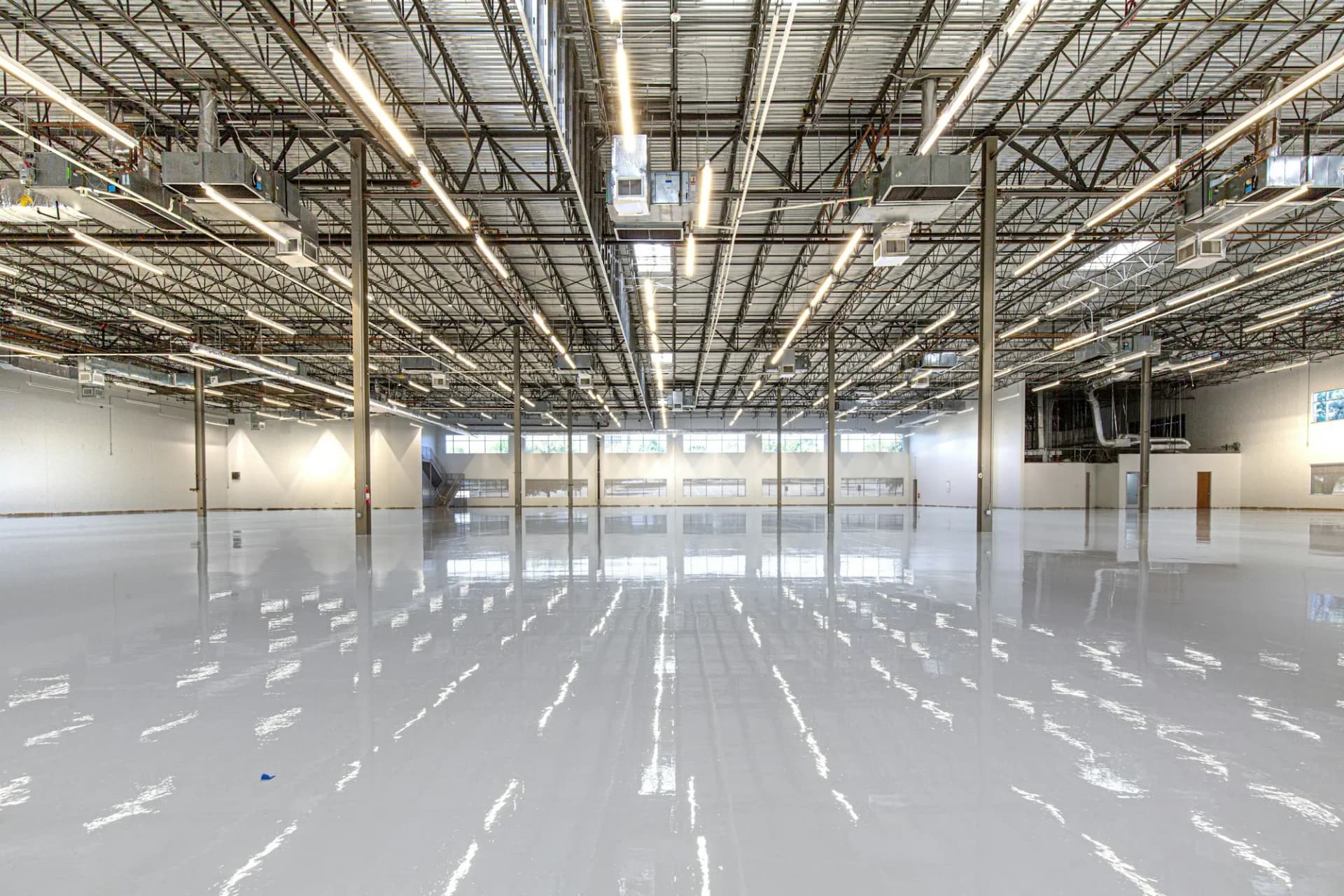
Polished concrete vs epoxy: which floor for a workshop, warehouse or shop
Polished concrete vs epoxy for a workshop, warehouse, shop or garage: wear, peeling, chemical resistance, downtime, upkeep and where grind and seal fits in.
 Guide
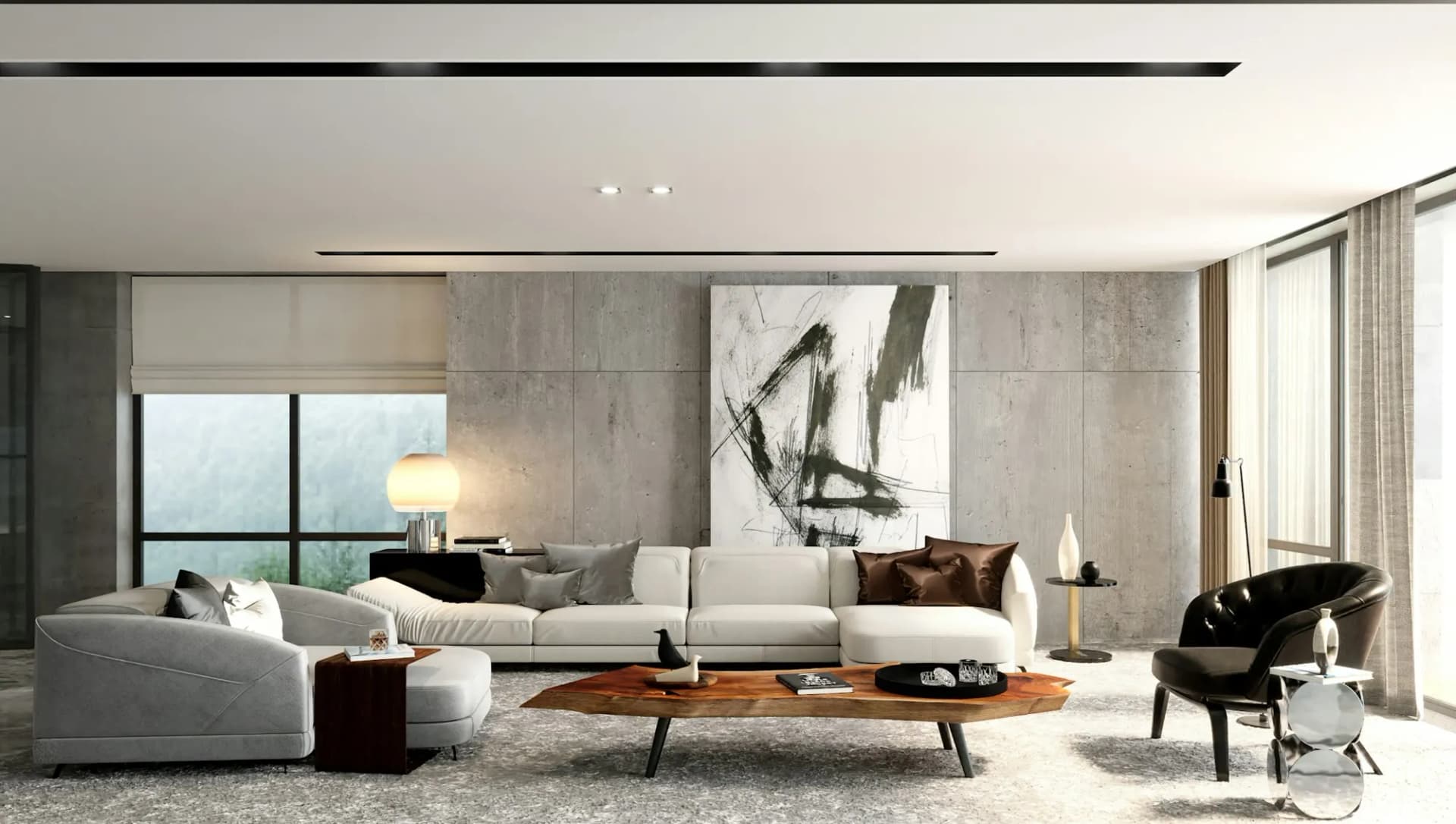
Polished concrete vs tiles: which floor makes sense
Is polished concrete cheaper than tiles? Often, on a new slab. How cost, grout, wet areas, comfort and resale compare, and why you can't polish over tiles.
 Guide
Exposed aggregate vs honed and polished concrete
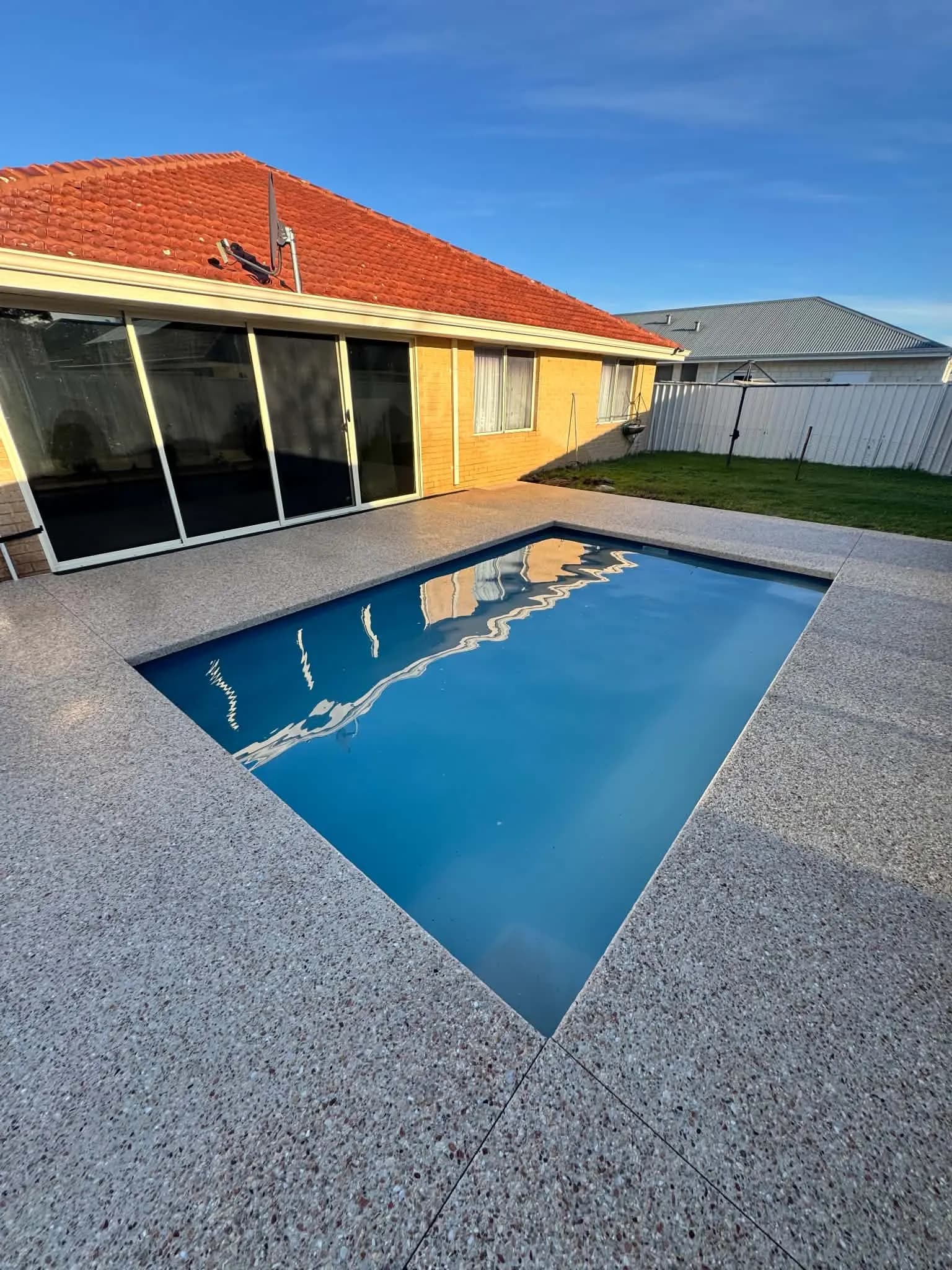
Exposed aggregate, honed or polished aggregate: how each is made, how they differ on grip, cleaning and look, and which suits a driveway, pool or floor in WA.
 Guide
How to clean polished concrete floors
Everyday cleaning, what never to use, stains, and when a polished, honed or burnished floor needs resealing. Plain maintenance advice from Bunbury, WA.
 Guide
Polished concrete colours: what decides the final look
White, grey, black or aggregate? Where polished concrete colour comes from (cement, stone, oxides, sheen) and what you can choose on a new or existing slab.
 Guide
Polished concrete on an existing slab: can it be done?
Can an old slab be polished? What we check, what the slab decides for you, when an overlay or topping is the answer, and why a new slab is planned differently.
 Guide
Concrete pool surround finishes: honed or liquid limestone?
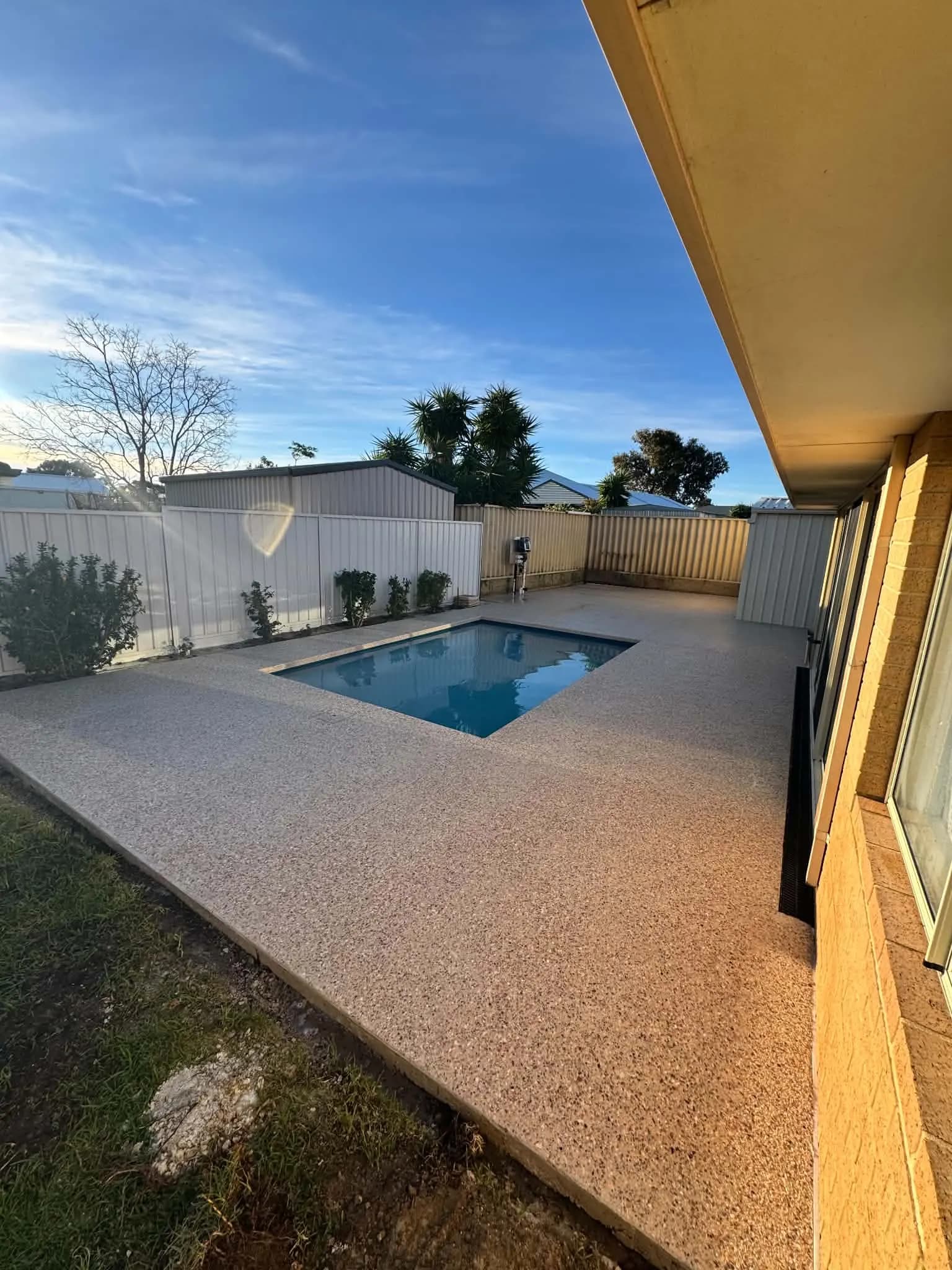
Honed concrete or liquid limestone for a pool surround? How the finishes differ on grip, heat, glare and upkeep, and how to choose in WA.
 Guide
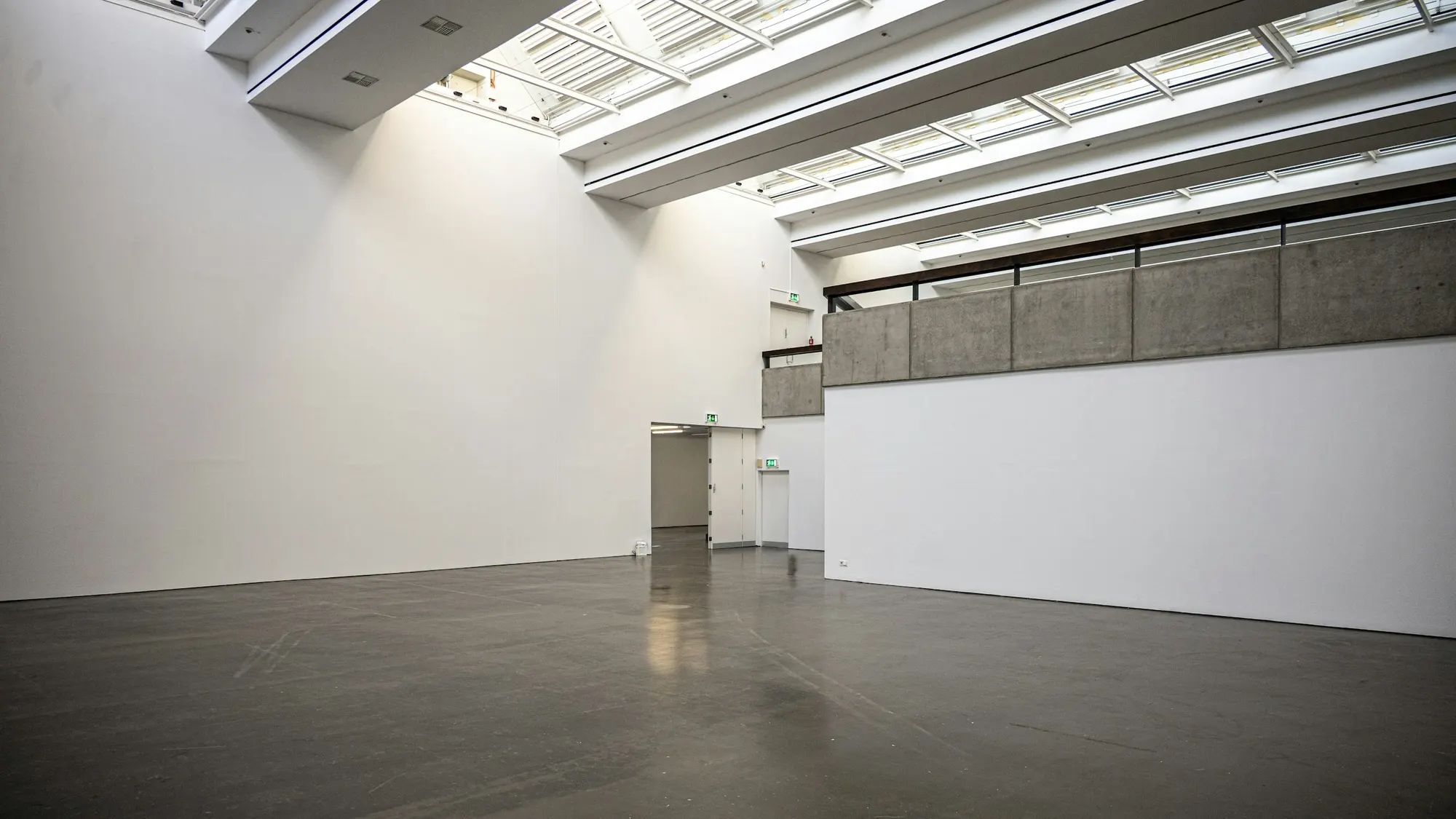
Is polished concrete slippery?
Is polished concrete slippery when wet? What decides grip, where a lower sheen suits better, and what to ask before you choose a finish.
 Guide
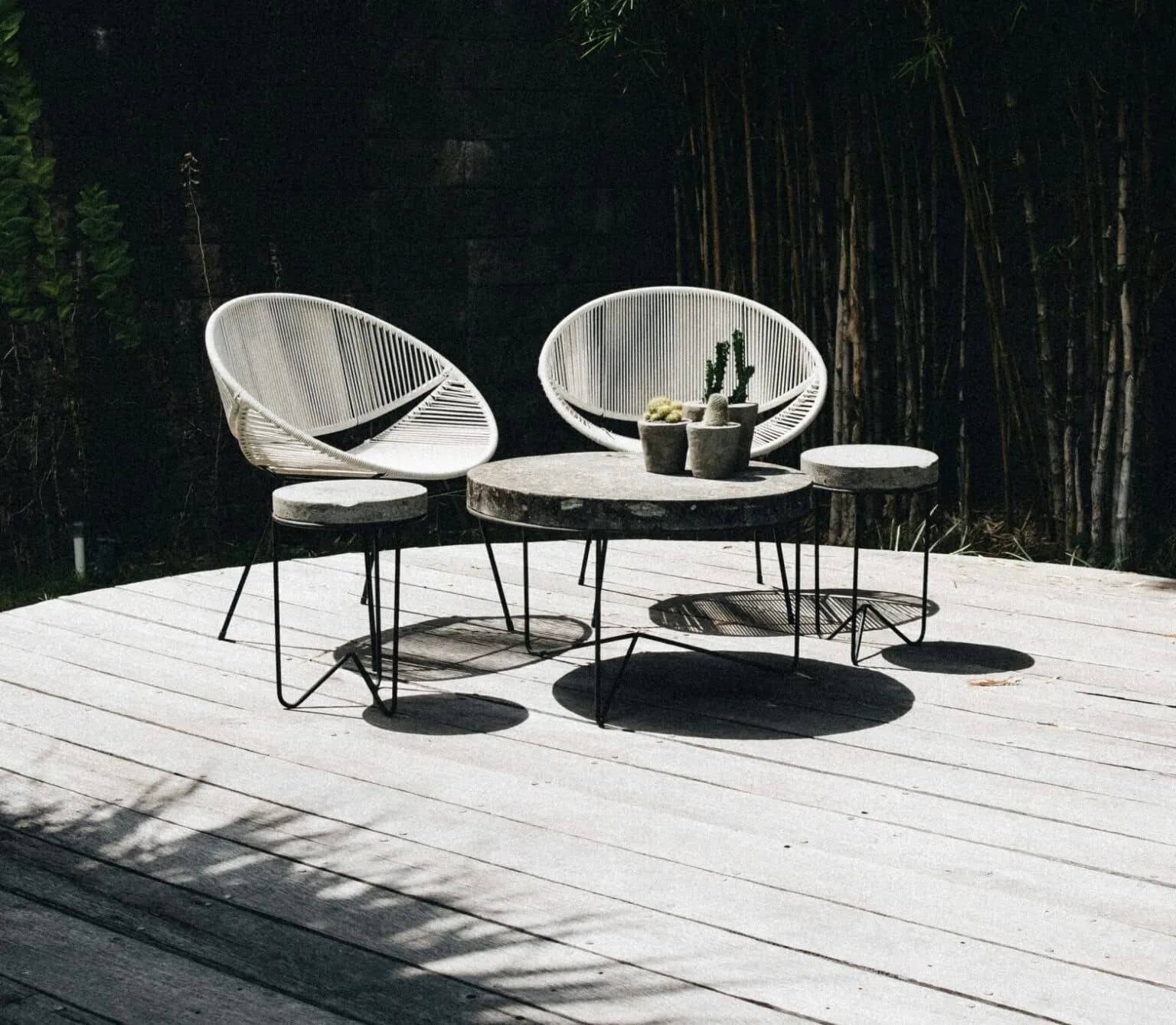
Concrete benchtops and furniture: what to plan first
Thinking about a polished concrete benchtop or custom concrete furniture? What it is, how it is made, and what to plan before you order in WA.
 Guide
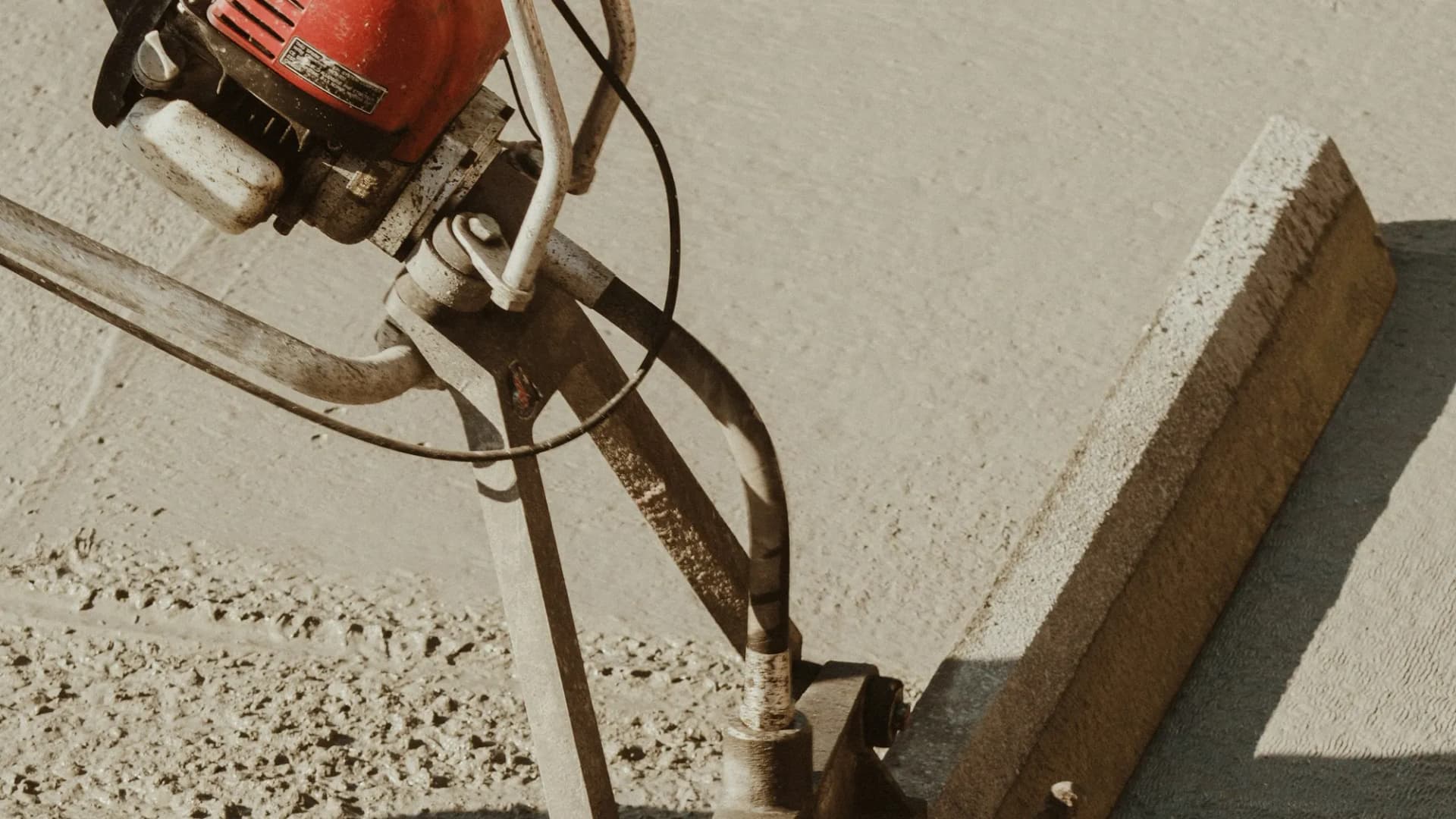
Polished concrete cost: what decides the price
What drives the cost of polished concrete floors: slab condition, area, level of finish and access. How to get an accurate quote in Bunbury and WA.