
Polished concrete cost: what decides the price
"How much per square metre?" is the first question we get about polished floors. A single number would mislead you, because the price comes from the floor, not just the size. These are the things that move it.
The slab you start with
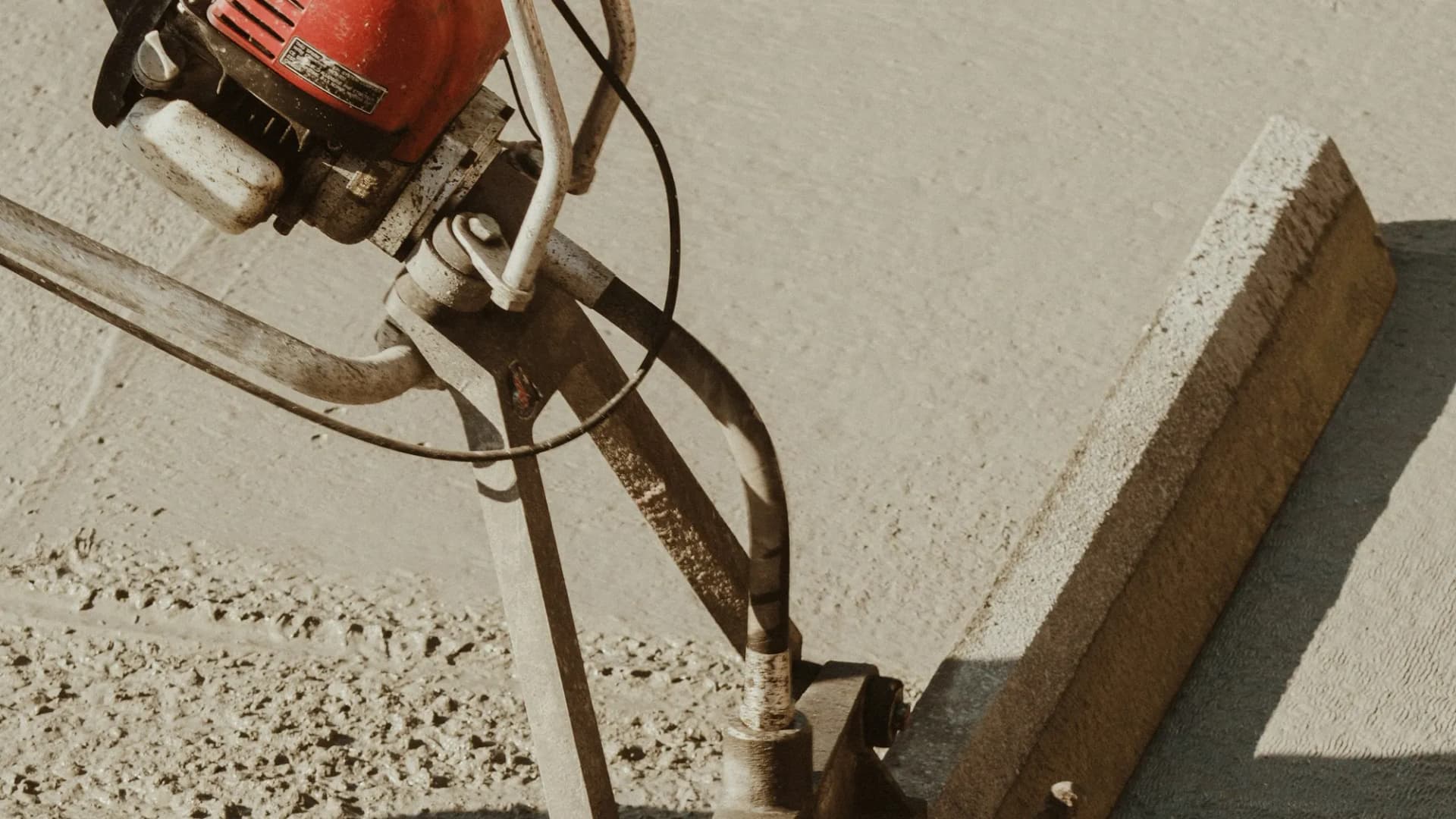
A new slab that has been poured and finished for polishing is the simplest case. An existing slab might have cracks, joints to fill, old sealers, glue or paint to grind off, or uneven areas to level. That prep work can take longer than the polishing itself. This is why we look at photos of the surface first.
The finish you want
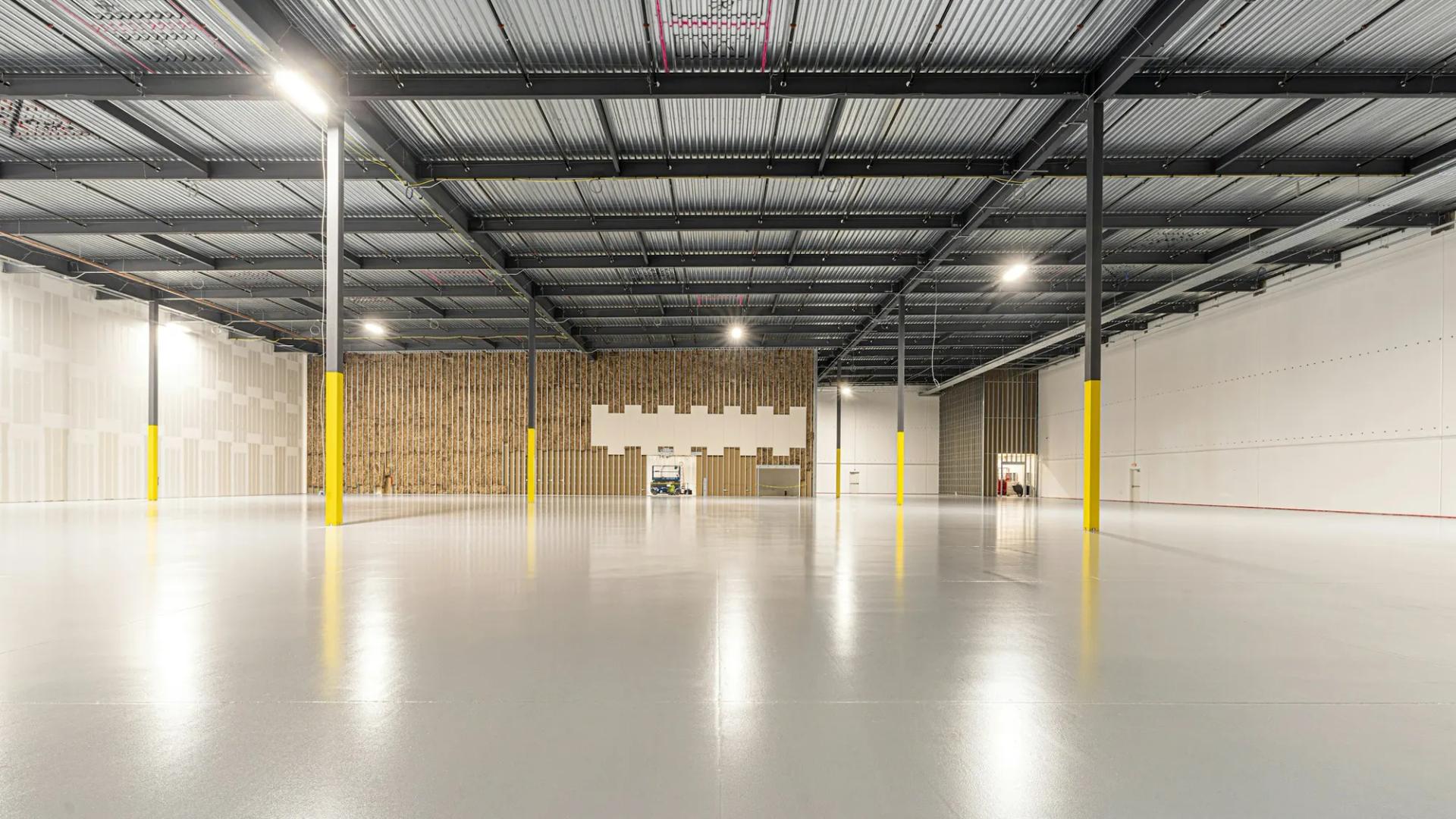
Polishing works through a series of finer diamond grits. How far the floor is taken decides the sheen: a lower-sheen finish needs fewer steps than a high-gloss one. How deep we grind also decides whether the stone and sand show. See polished concrete floors for the finishes, or burnished concrete for a soft-sheen alternative on larger floors.

Size, layout and access
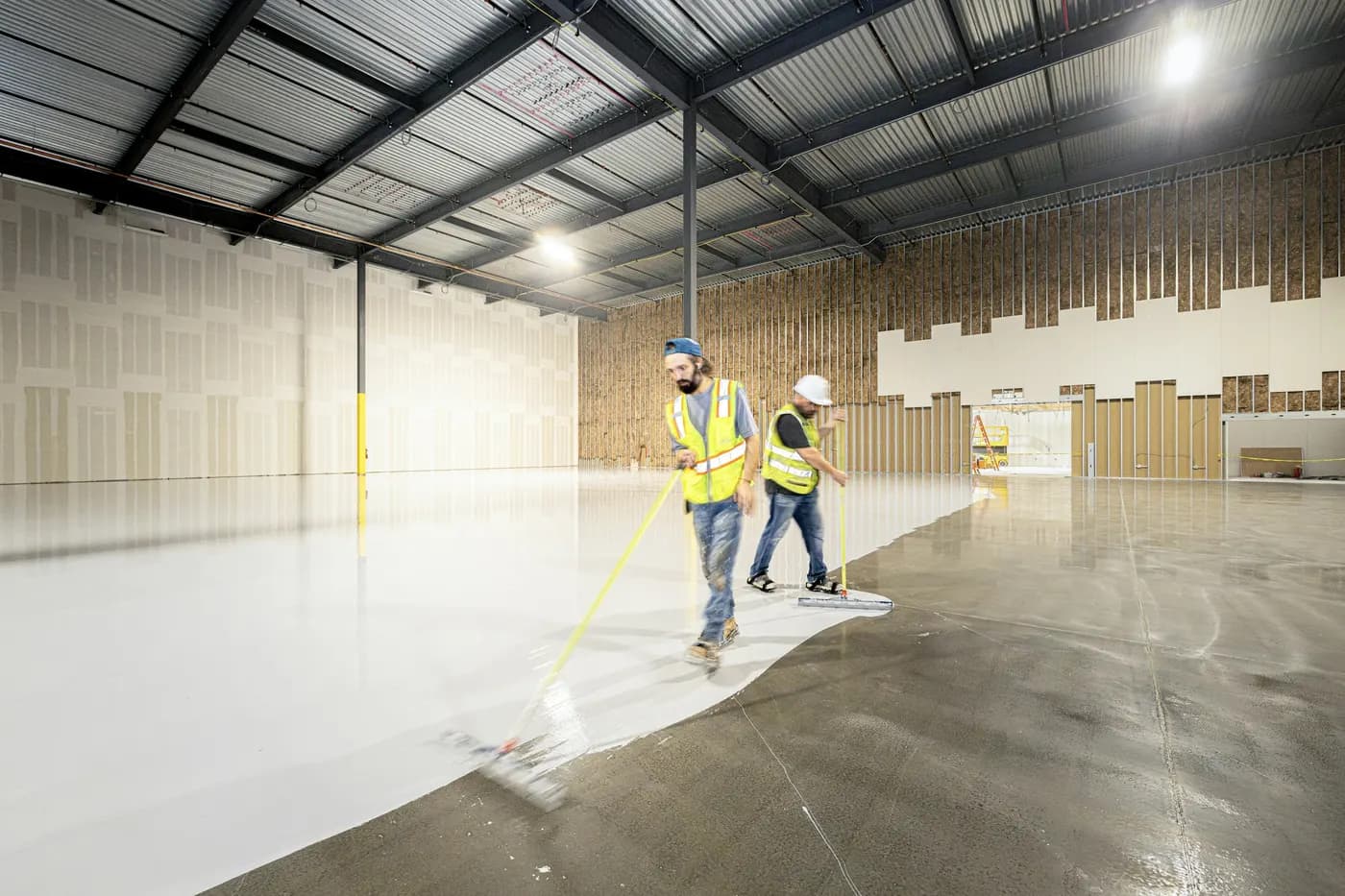
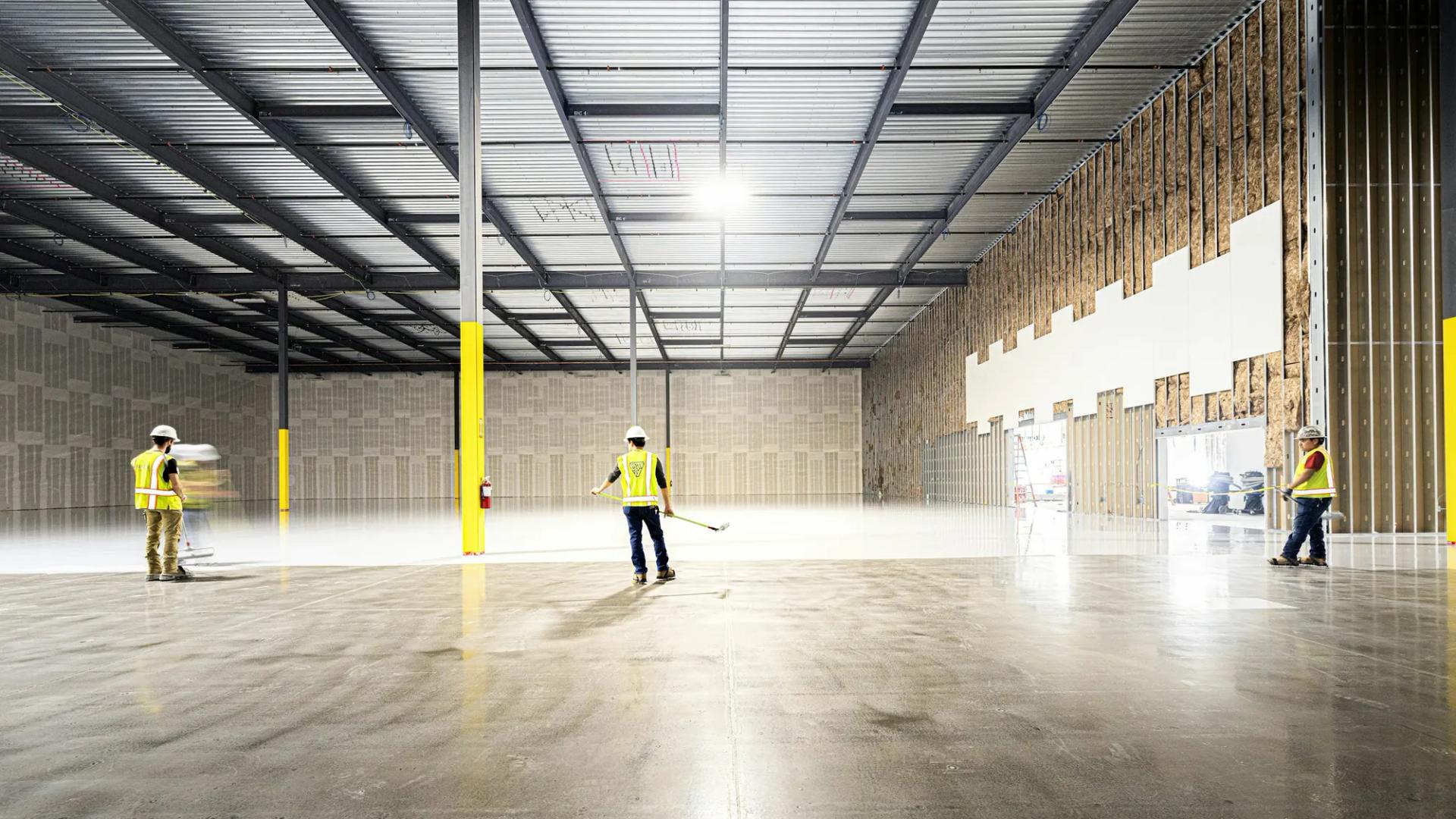
Large open floors are more efficient to grind than many small rooms with edges and corners. Access, stairs, working around fixtures and whether the space is occupied also affect the work.
Where it is going
A home floor, a shop and a warehouse have different needs. Compare how we approach residential polished concrete floors, commercial polished concrete and industrial and mine-site jobs.
How to get a useful quote
Send the town, the rough area, whether the slab is new or existing, and a few photos. Use the form below to request a quote, or message us on WhatsApp with the photos.
Where we work: Bunbury and the South West of Western Australia.
Common questions
- How much does polished concrete cost?
- It varies a lot from job to job, so we quote after seeing the area and the slab. The factors below explain why two floors of the same size can price differently.
- Is burnished concrete cheaper than polished?
- It depends on the floor and the finish you want. We compare the options for your slab when we quote.
- What do you need to give me a quote?
- The town, the rough area, whether the slab is new or existing, and a few photos.
Related services
 Service
Polished concrete
 Service
Burnished concrete
 Who we work for
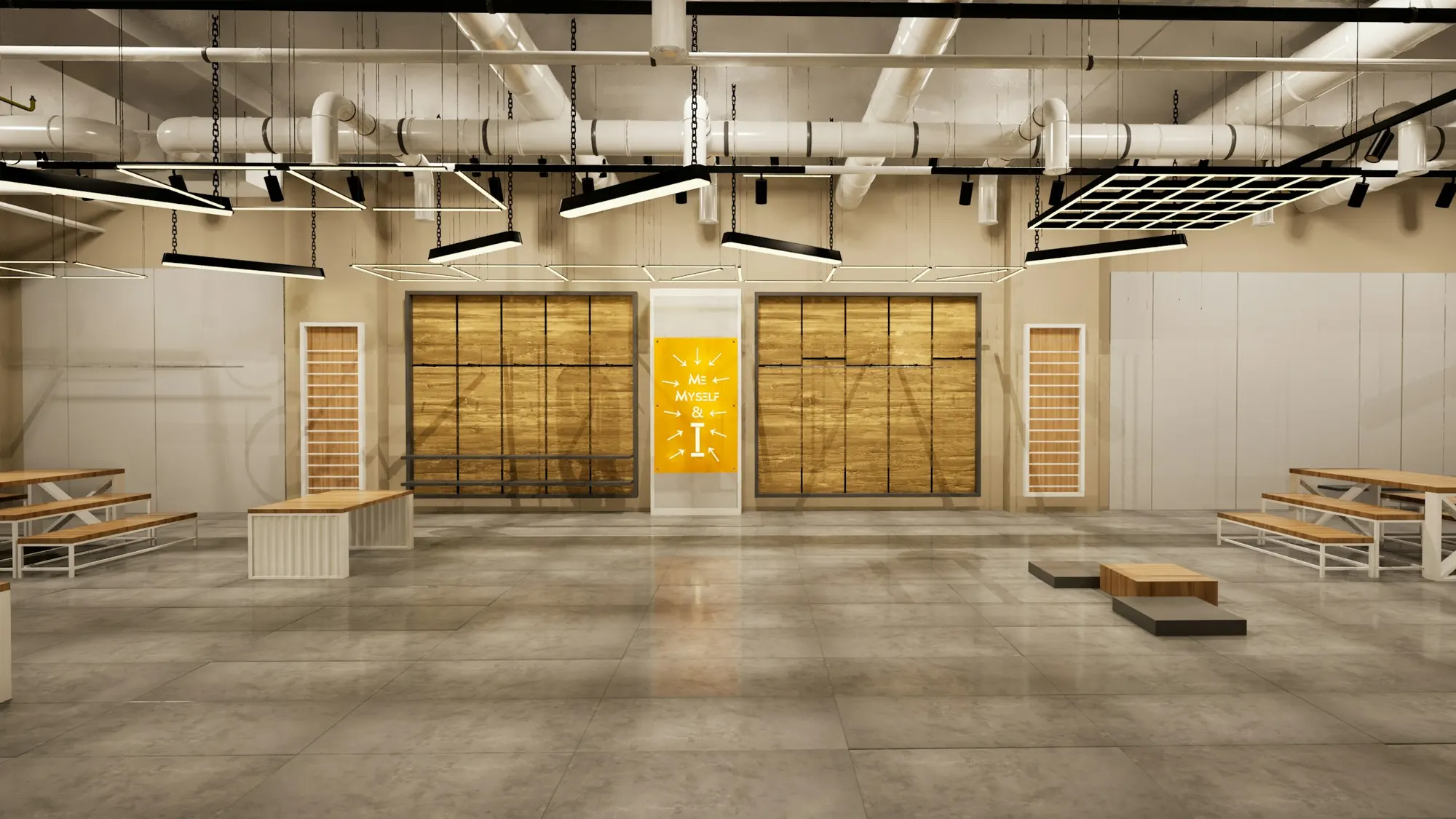
Commercial
 Who we work for
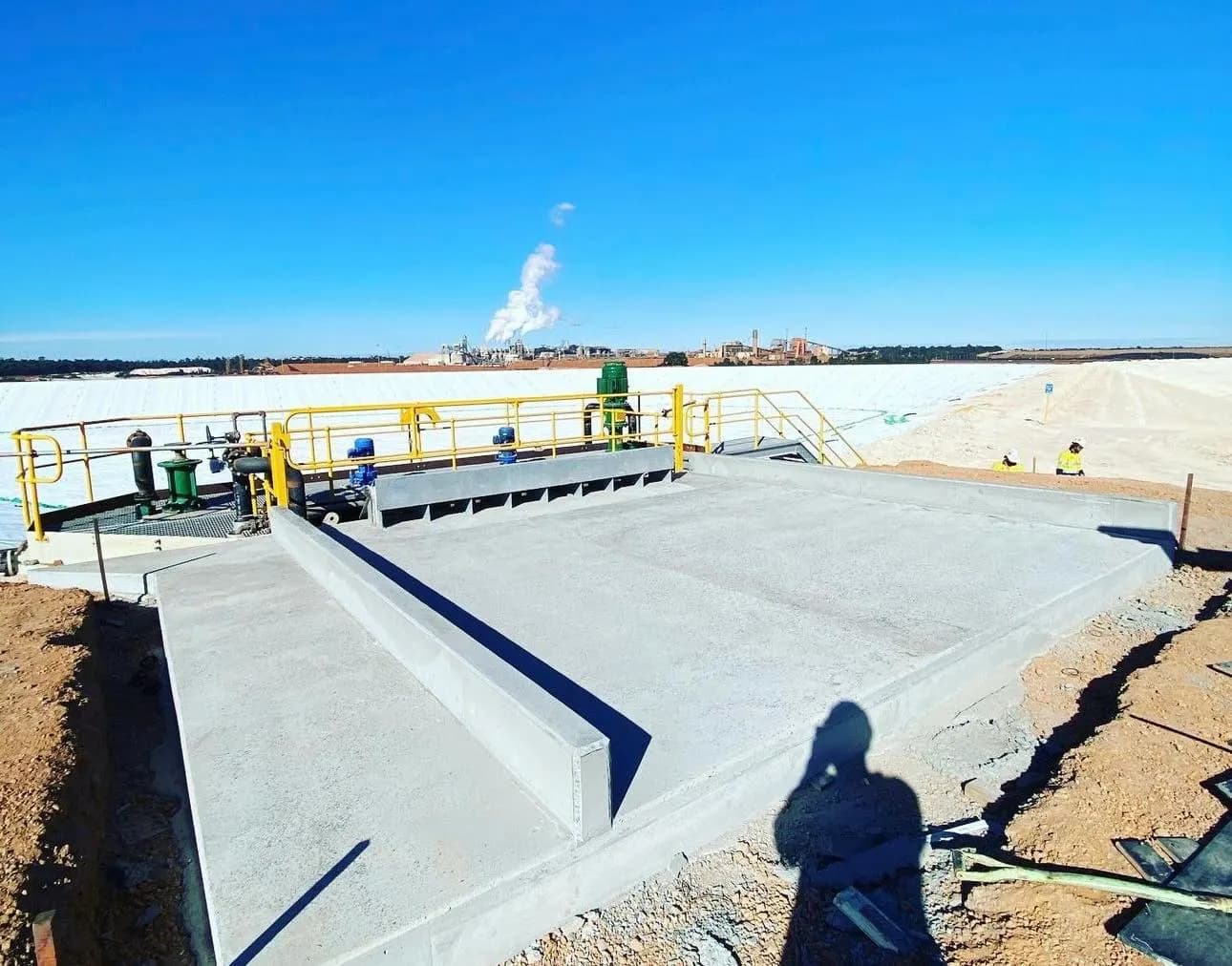
Industrial and mine sites
 Who we work for
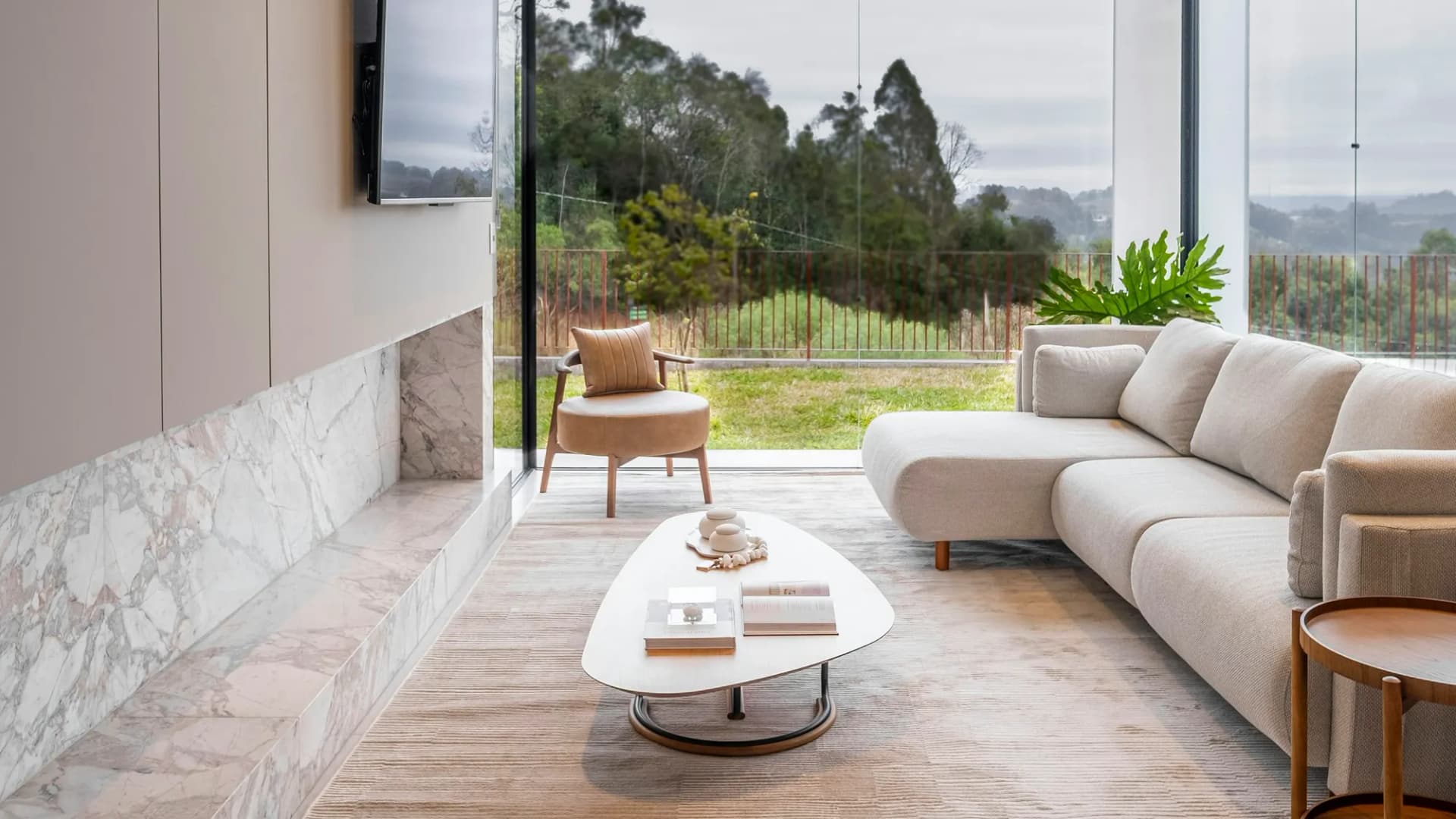
Residential
More guides
 Guide
Polished concrete bathroom floors: waterproofing, falls, grip and walls
Polished concrete bathroom floors in WA: where the waterproofing sits, falls to the waste, grip in the shower, sealer for a wet room, walls and hobs.
 Guide
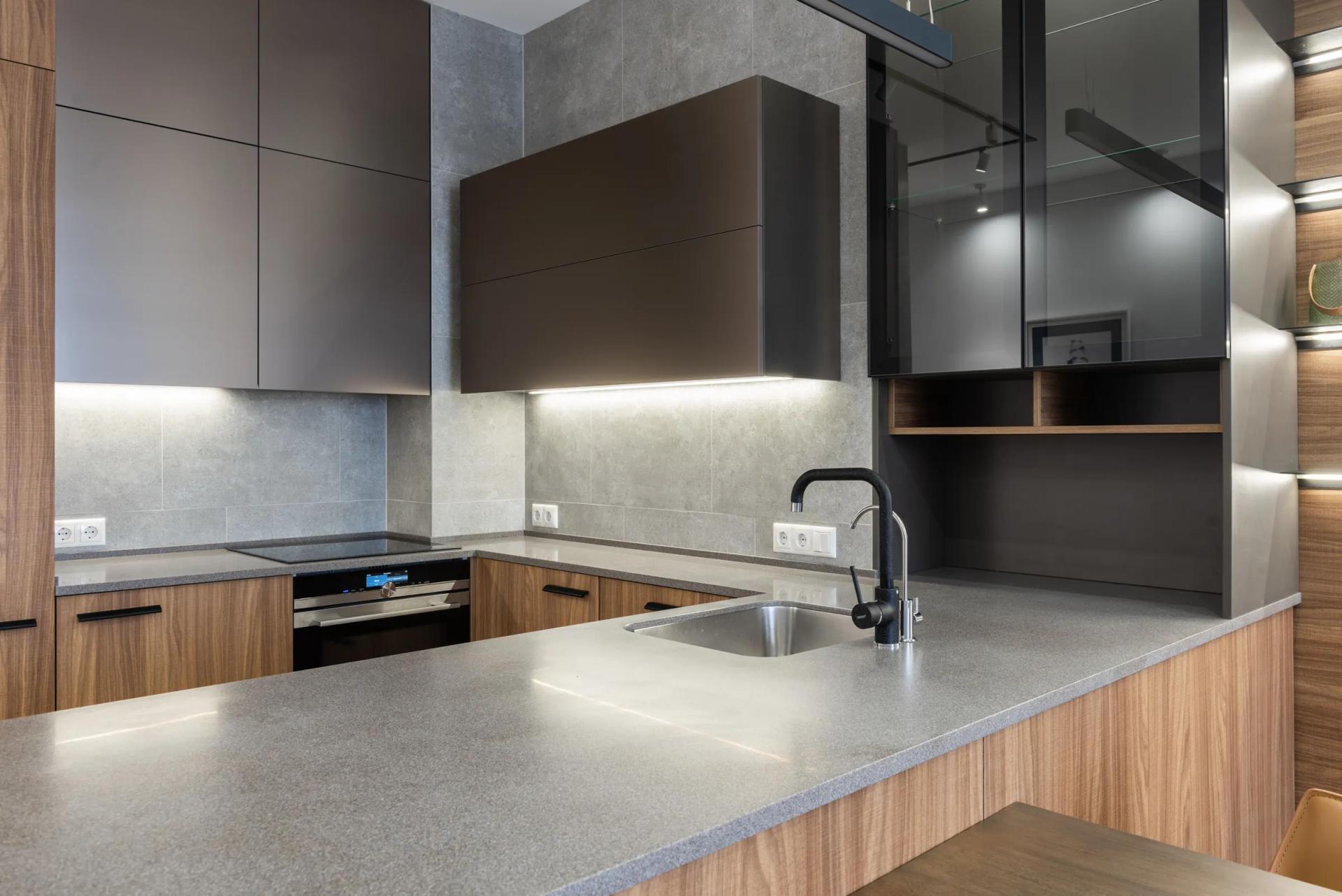
Polished concrete kitchen floors: stains, chips, warmth and the benchtop
Polished concrete kitchen floors in WA: oil, wine and lemon stains, dropped plates, warmth and hydronic heating, colour, the benchtop and open plan.
 Guide
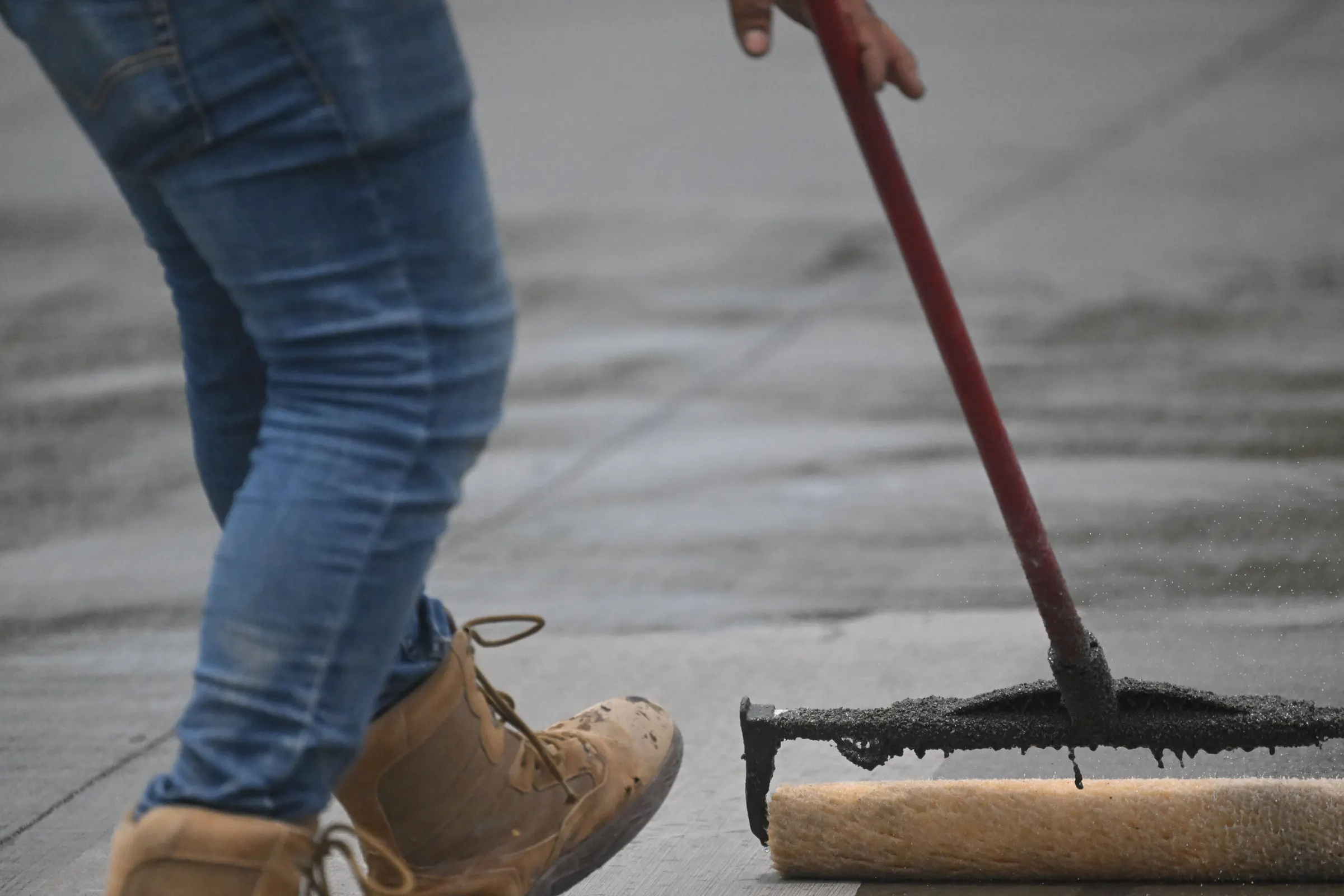
Concrete sealers explained: penetrating vs acrylic, and how often to reseal
Penetrating vs acrylic concrete sealers: which suits polished, honed, burnished, liquid limestone and exposed aggregate, how often to reseal and the signs.
 Guide
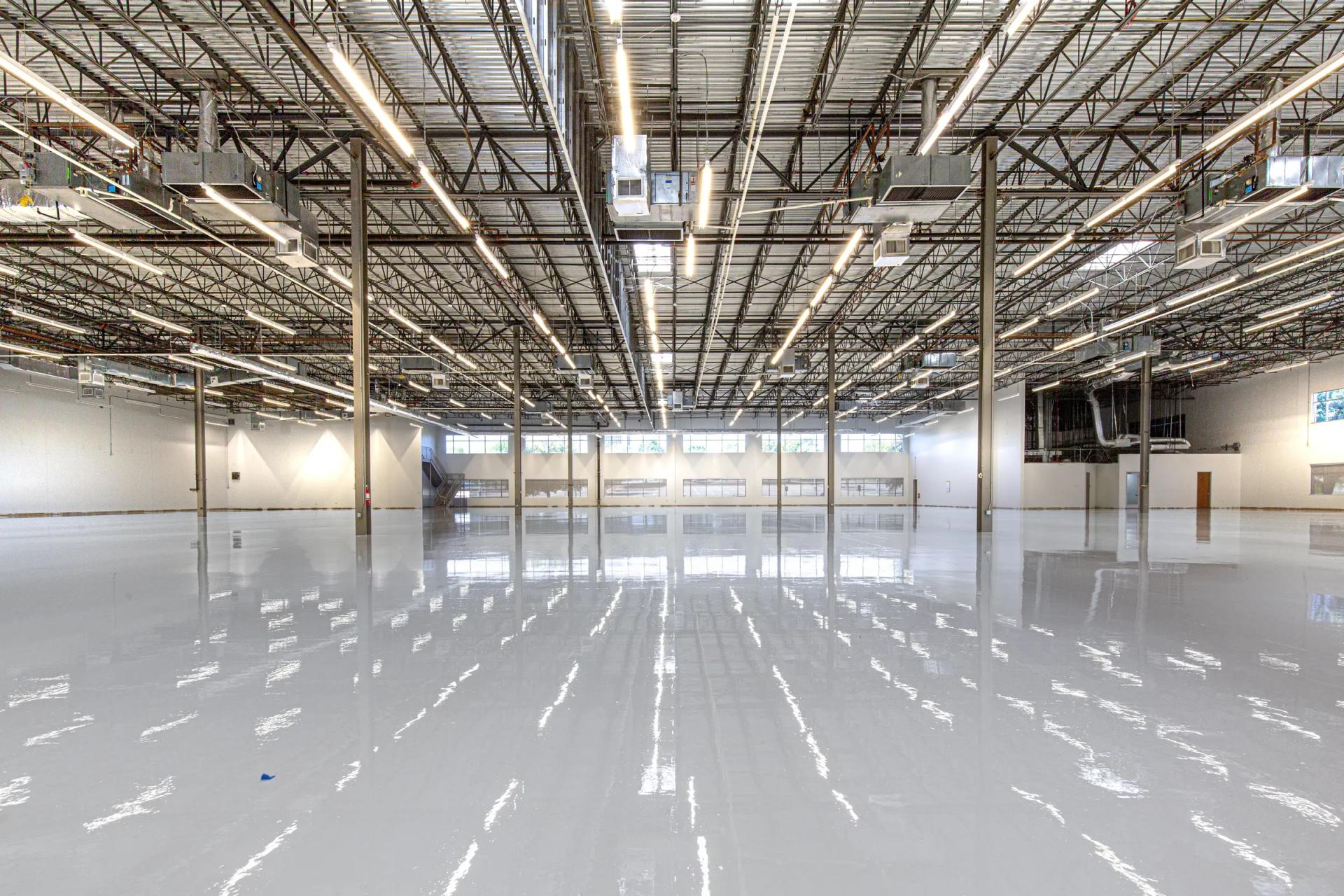
Polished concrete finish levels: aggregate exposure, sheen and grind and seal
Cream, salt and pepper or full exposure; matte, satin or high gloss; grind and seal or mechanically polished. Polished concrete finish levels explained.
 Guide
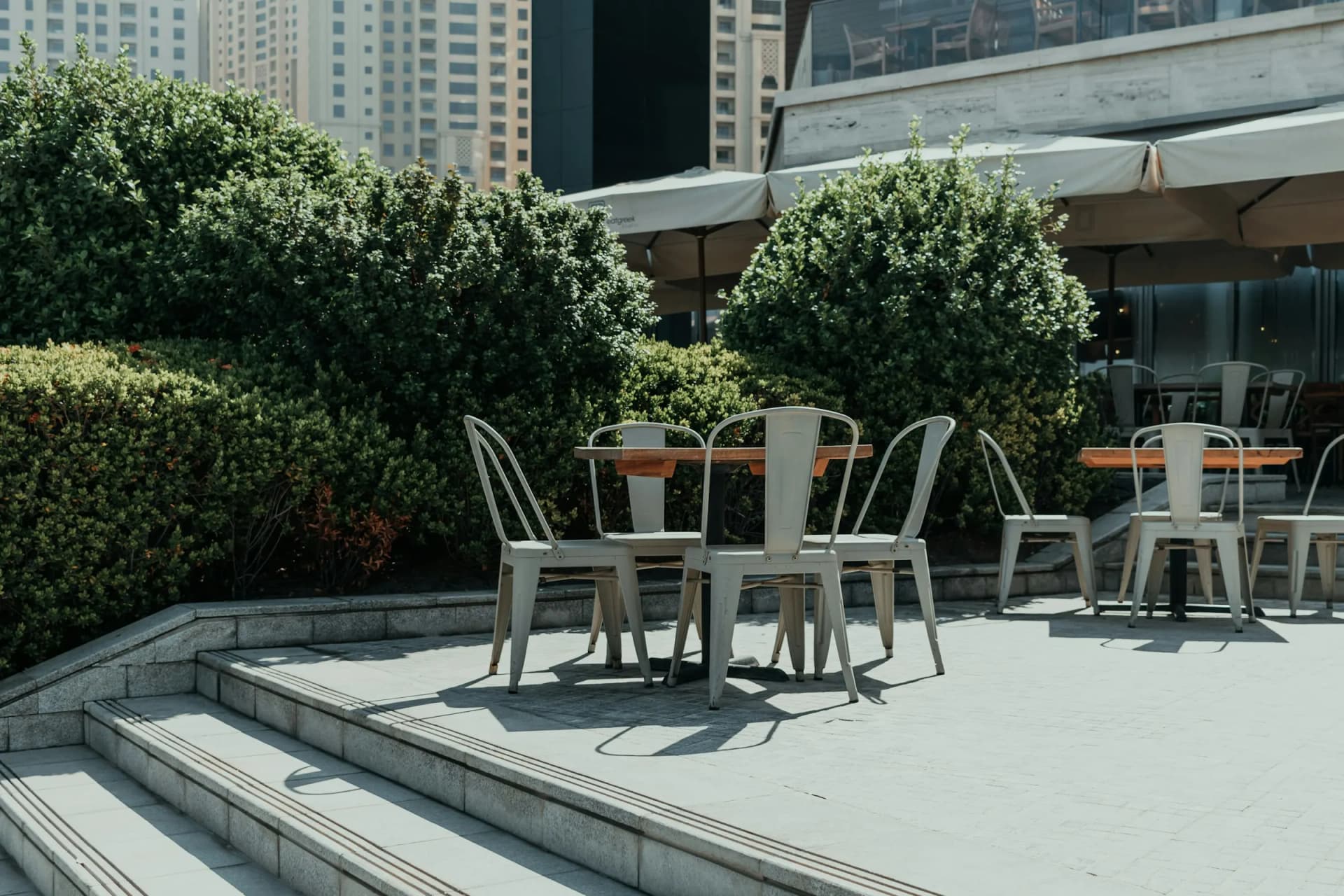
Types of concrete finishes for patios, and how to pick one
Six concrete finishes for a patio compared: plain, honed, liquid limestone, exposed aggregate, coloured and stamped. Grip, heat, glare, upkeep and cost in WA.
 Guide
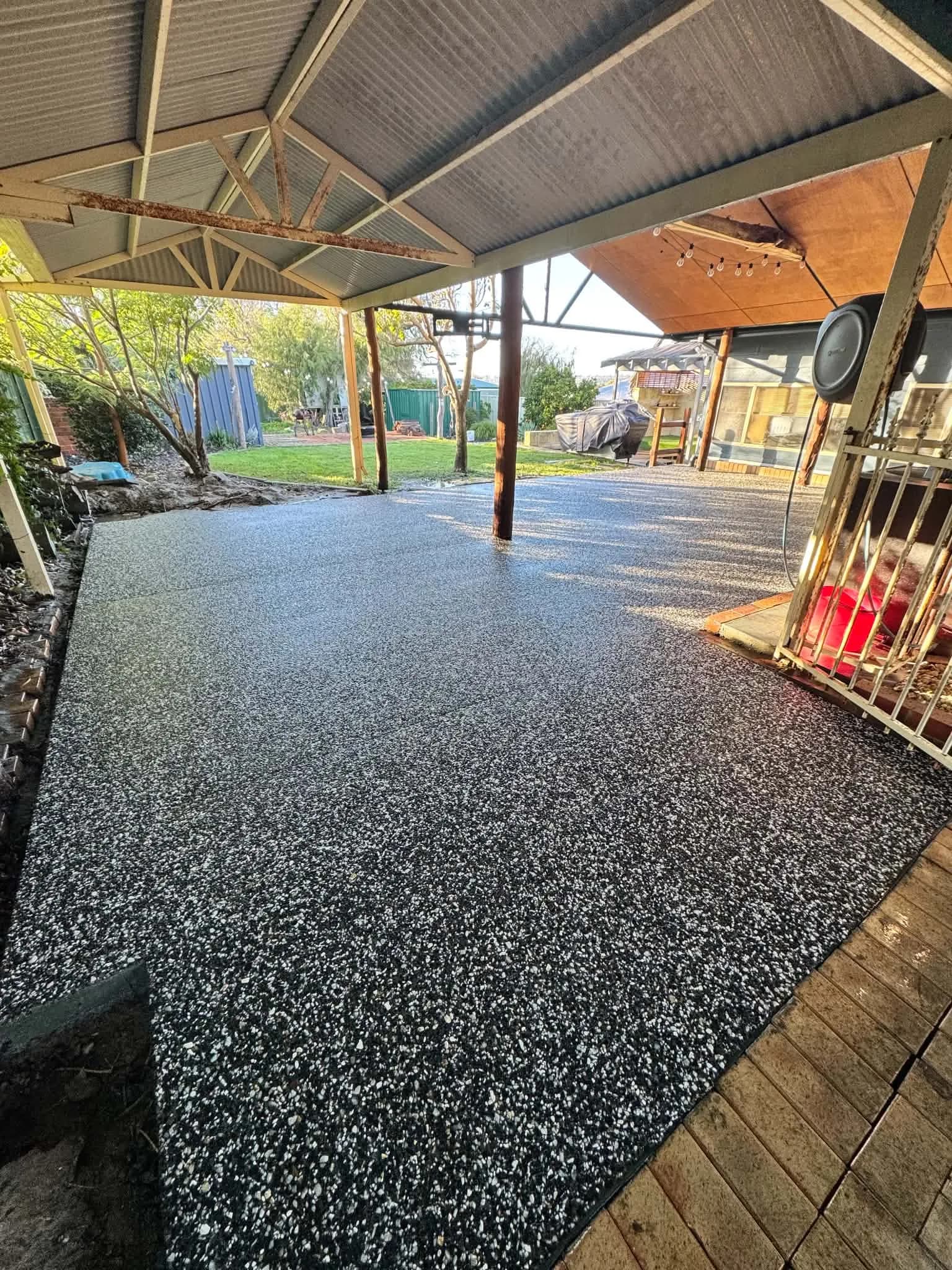
Outdoor polished concrete: alfresco, patio and the indoor-outdoor floor
Outdoor polished concrete usually means honed. Glare, heat, grip, sealers and how to run one finish from the living room to the alfresco, patio and pool in WA.
 Guide
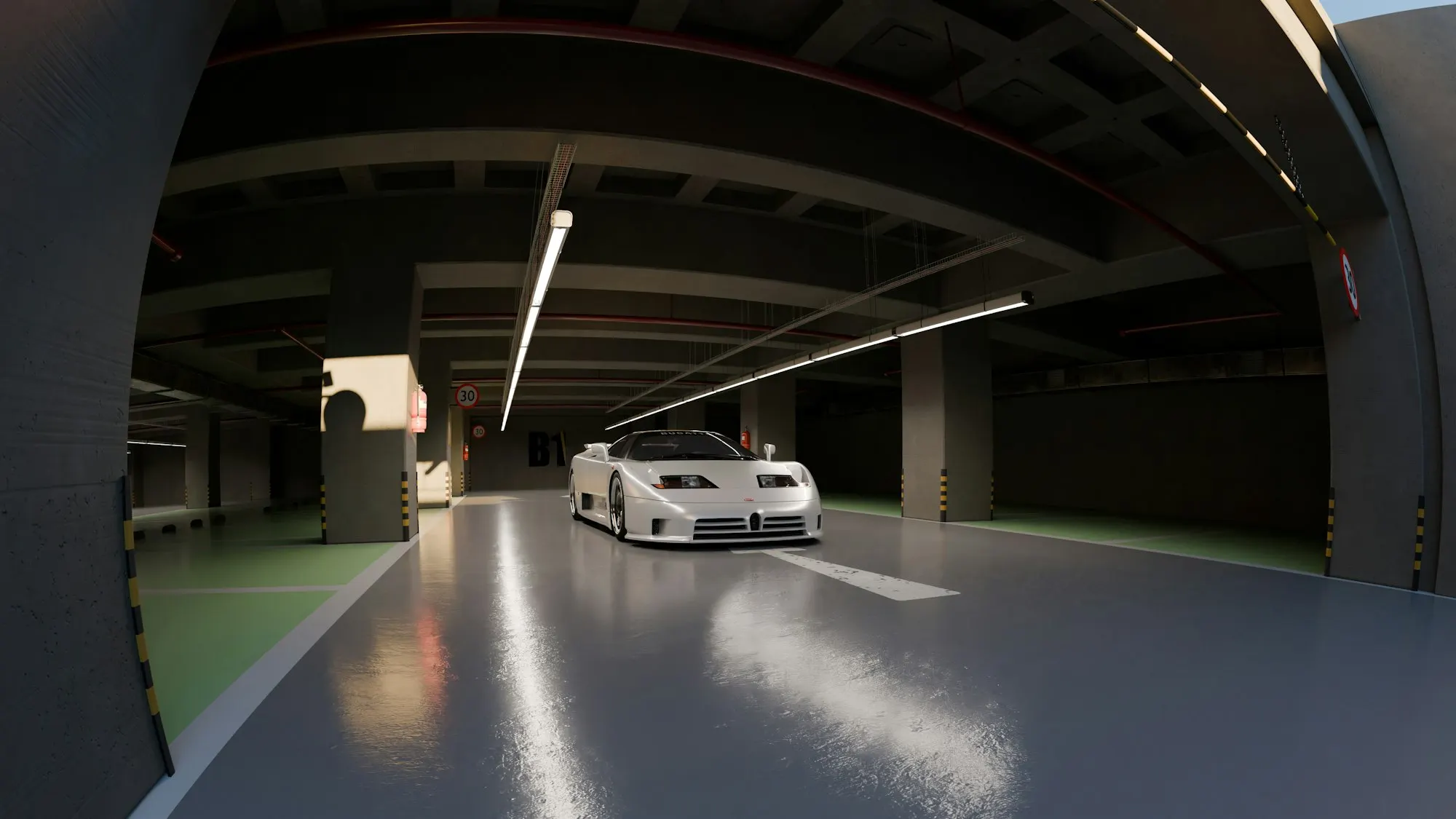
Polished concrete garage floors: what to know before you decide
Is a polished concrete garage floor a good idea? Tyre marks, oil, sheen, new slab versus old, and when burnished or sealed suits a garage or shed better in WA.
 Guide
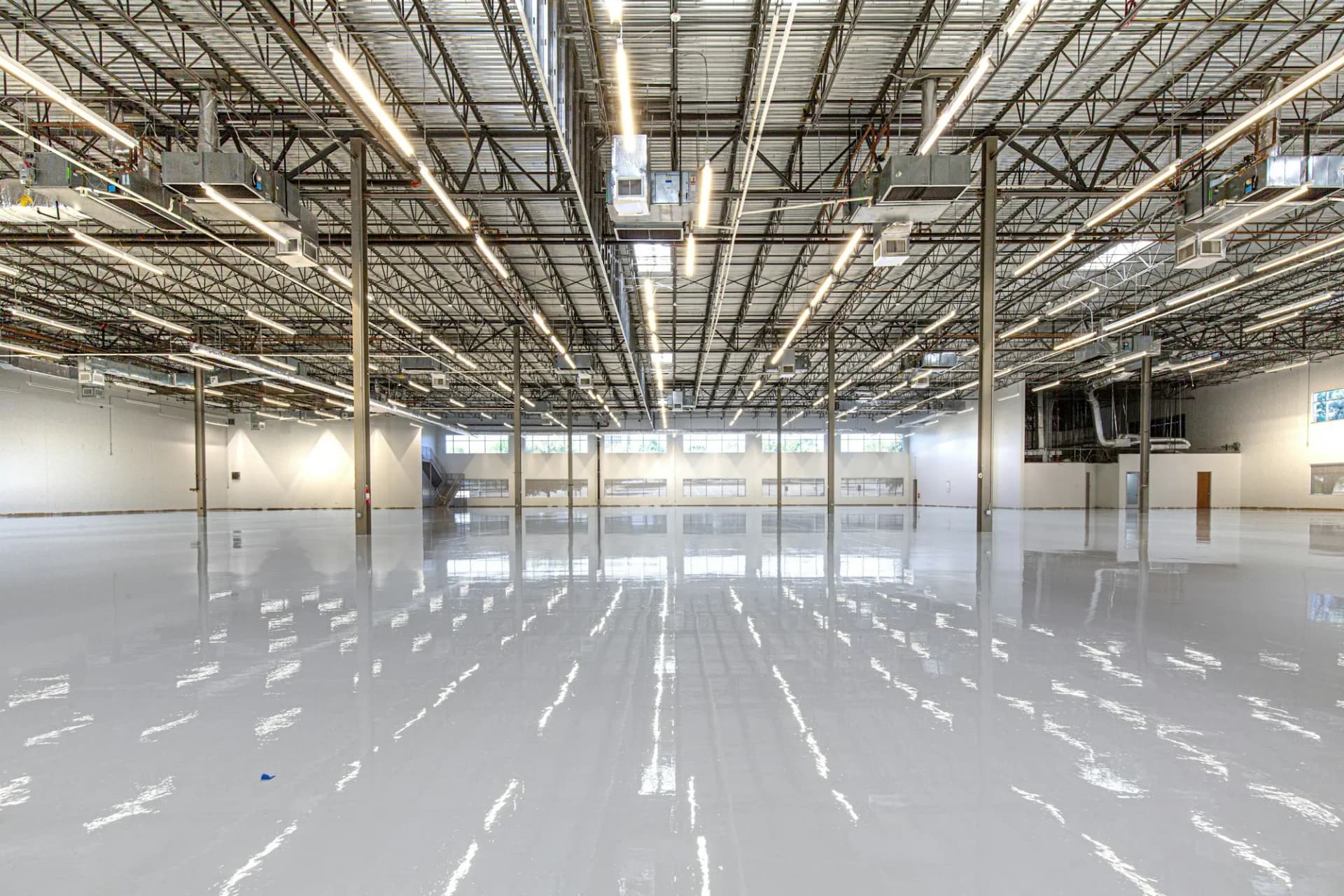
Polished concrete vs epoxy: which floor for a workshop, warehouse or shop
Polished concrete vs epoxy for a workshop, warehouse, shop or garage: wear, peeling, chemical resistance, downtime, upkeep and where grind and seal fits in.
 Guide
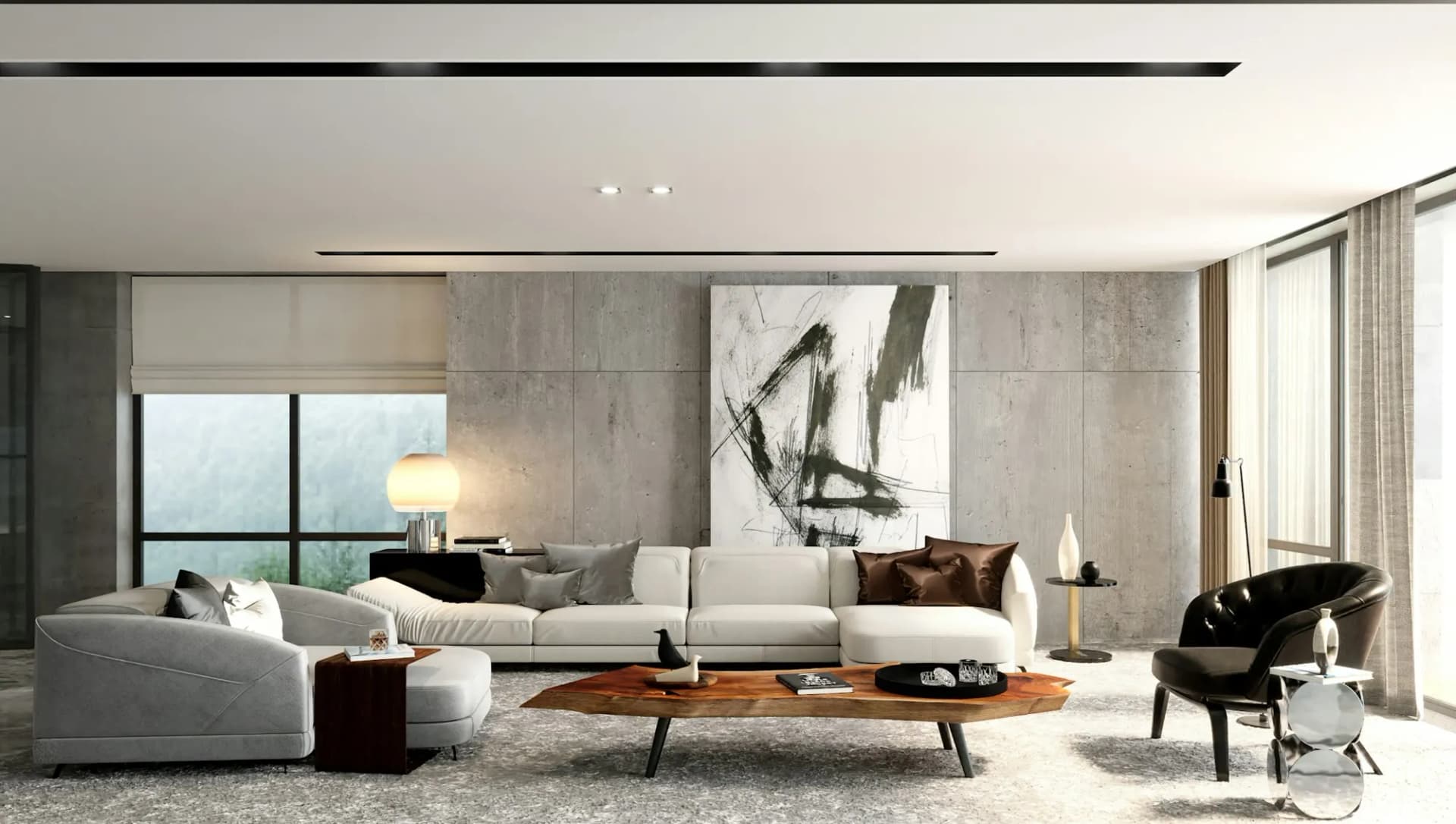
Polished concrete vs tiles: which floor makes sense
Is polished concrete cheaper than tiles? Often, on a new slab. How cost, grout, wet areas, comfort and resale compare, and why you can't polish over tiles.
 Guide
Exposed aggregate vs honed and polished concrete
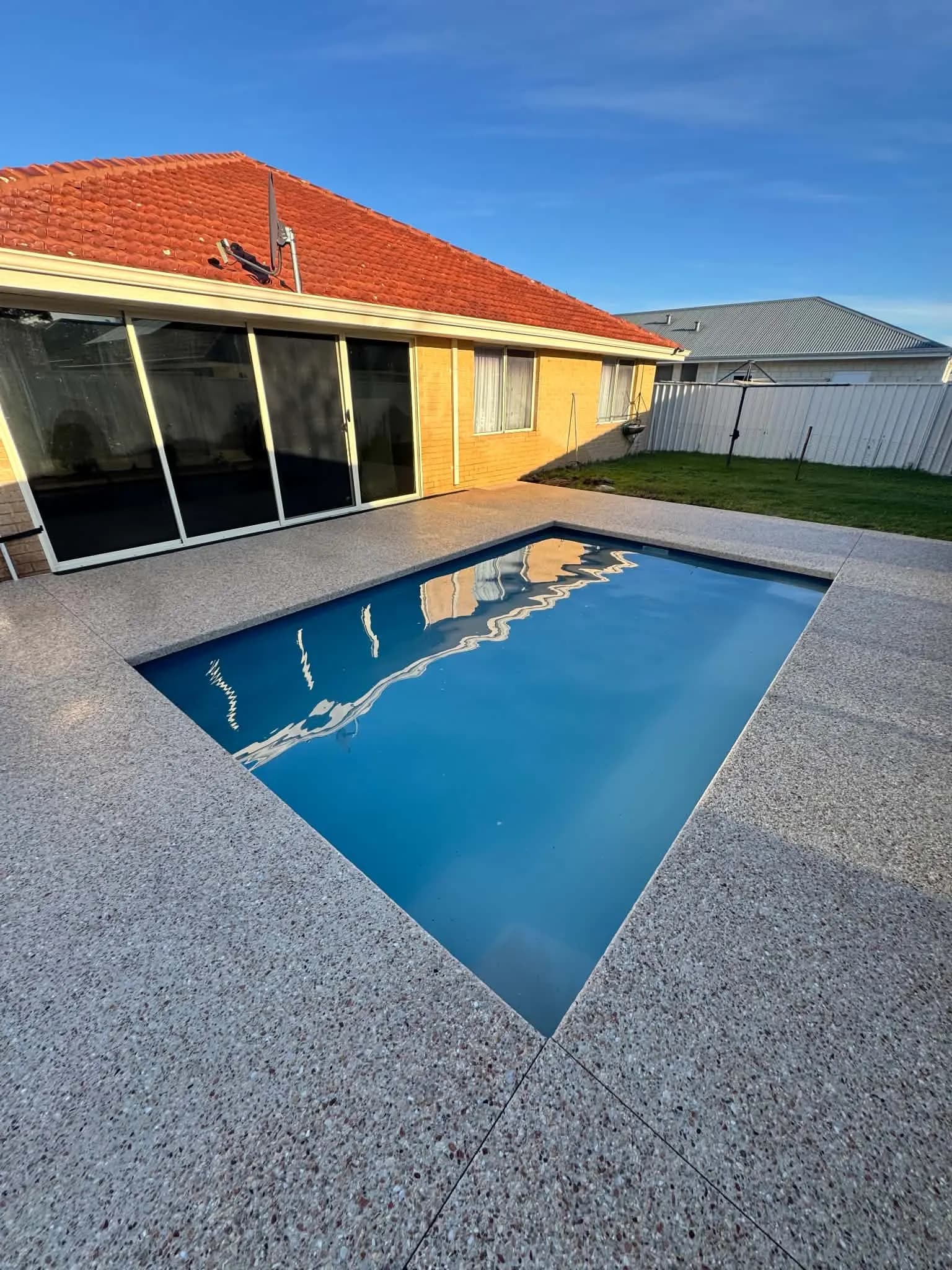
Exposed aggregate, honed or polished aggregate: how each is made, how they differ on grip, cleaning and look, and which suits a driveway, pool or floor in WA.
 Guide
How to clean polished concrete floors
Everyday cleaning, what never to use, stains, and when a polished, honed or burnished floor needs resealing. Plain maintenance advice from Bunbury, WA.
 Guide
Polished concrete colours: what decides the final look
White, grey, black or aggregate? Where polished concrete colour comes from (cement, stone, oxides, sheen) and what you can choose on a new or existing slab.
 Guide
Polished concrete on an existing slab: can it be done?
Can an old slab be polished? What we check, what the slab decides for you, when an overlay or topping is the answer, and why a new slab is planned differently.
 Guide
Concrete pool surround finishes: honed or liquid limestone?
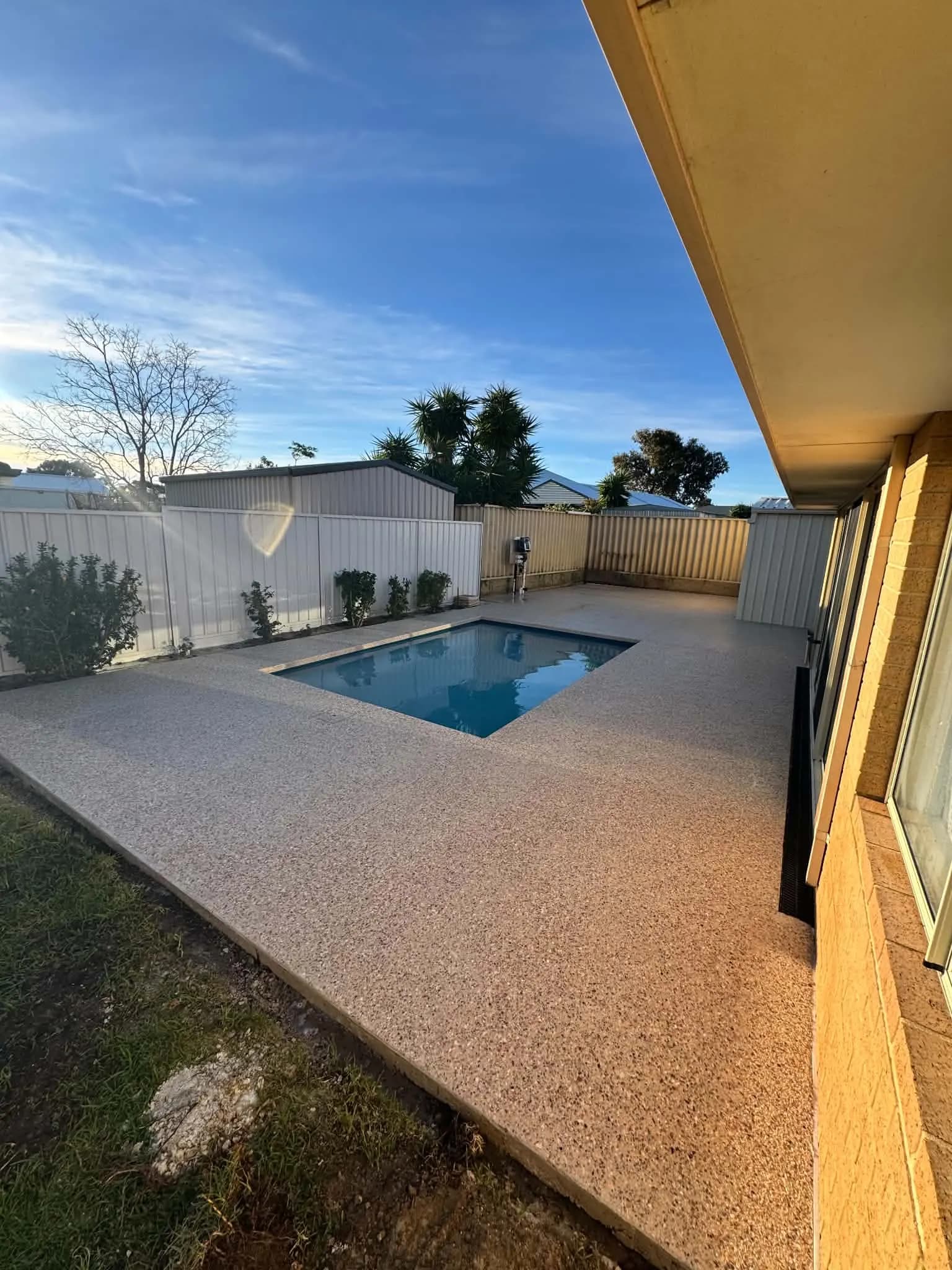
Honed concrete or liquid limestone for a pool surround? How the finishes differ on grip, heat, glare and upkeep, and how to choose in WA.
 Guide
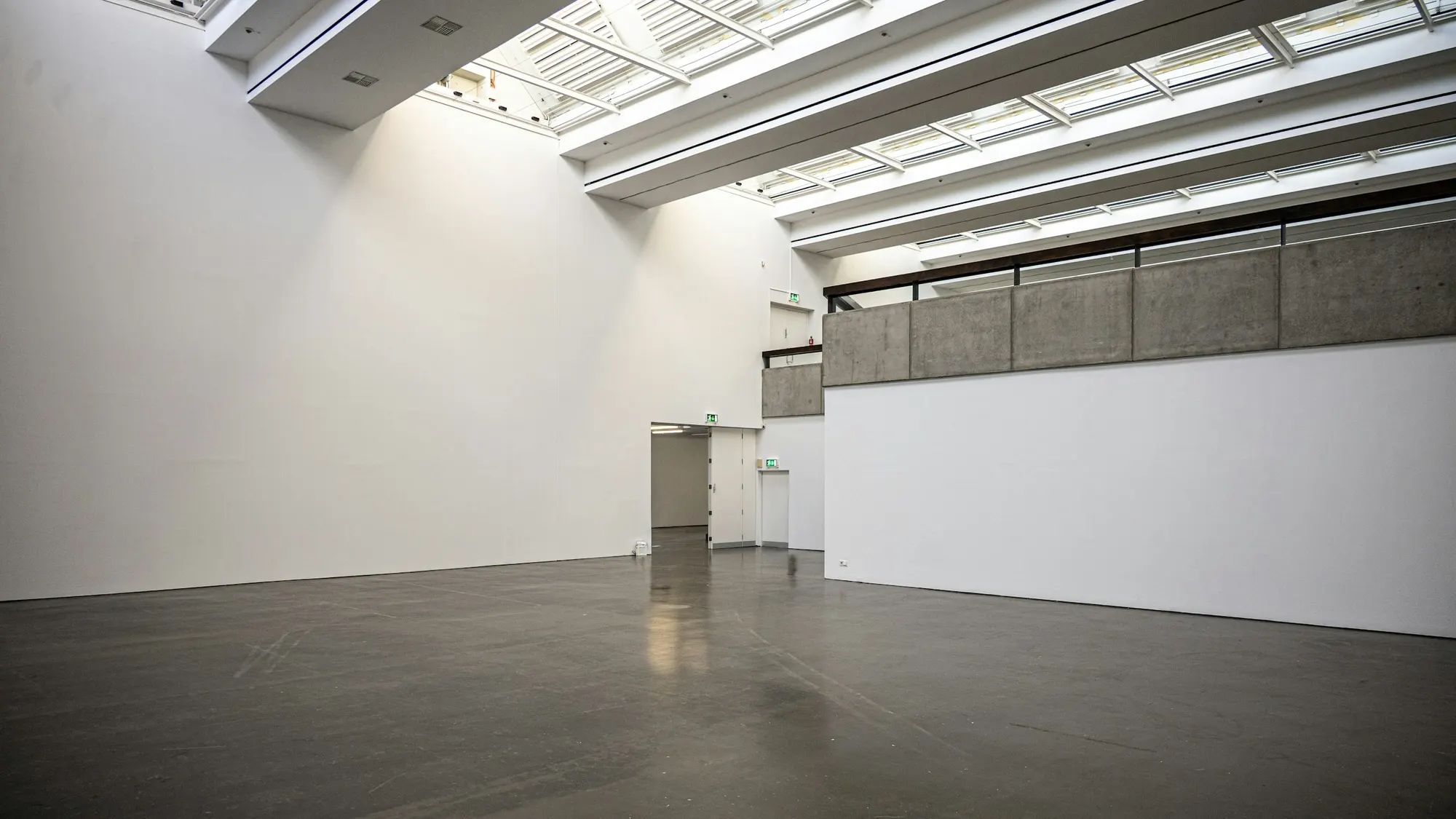
Is polished concrete slippery?
Is polished concrete slippery when wet? What decides grip, where a lower sheen suits better, and what to ask before you choose a finish.
 Guide
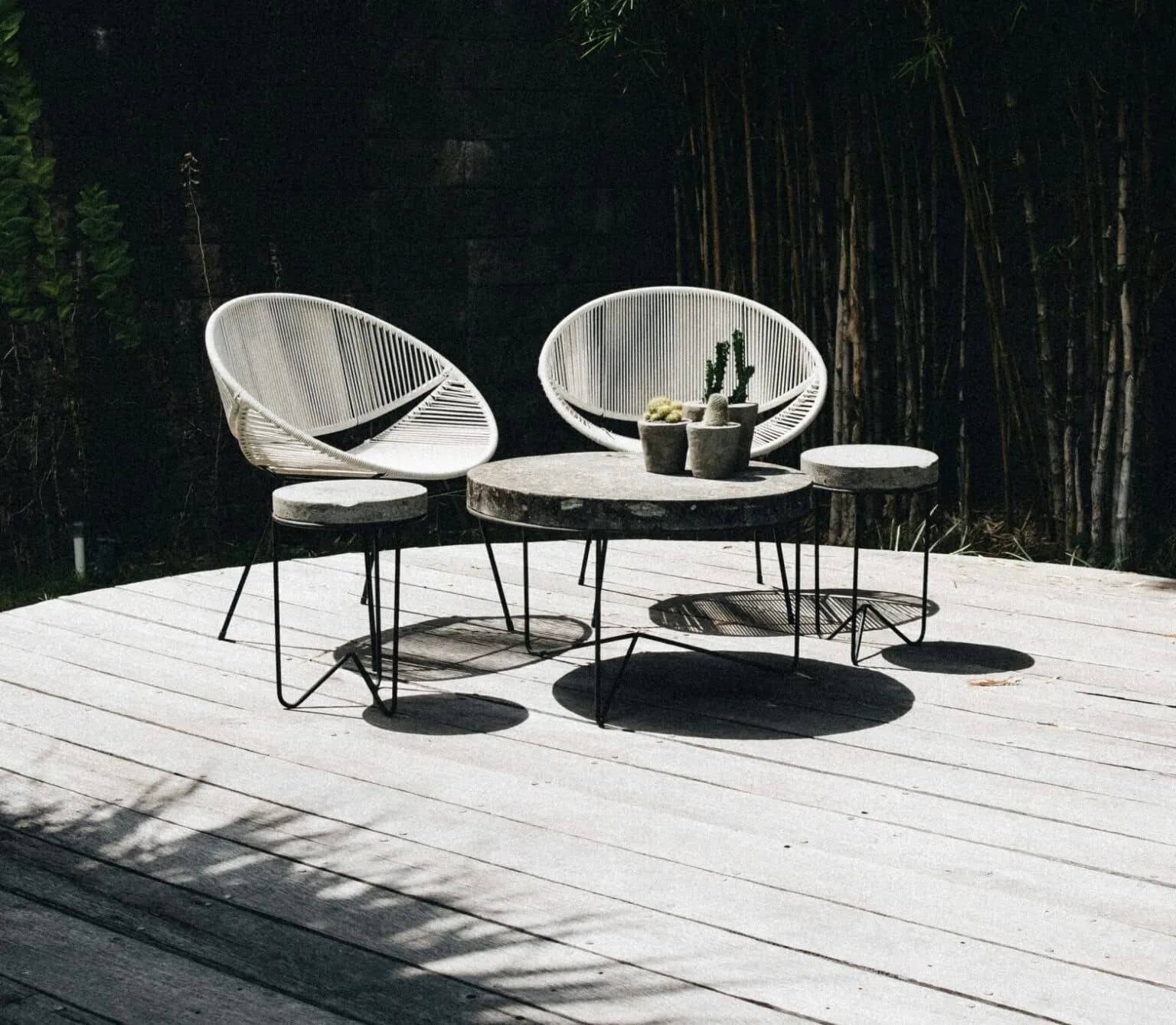
Concrete benchtops and furniture: what to plan first
Thinking about a polished concrete benchtop or custom concrete furniture? What it is, how it is made, and what to plan before you order in WA.