
Polished concrete on an existing slab: can it be done?
Most of the floors we polish in Bunbury and the South West started as an ordinary slab under carpet, tiles or vinyl. So yes, an existing slab can usually be polished. The useful question is what the slab will give you, and what it will not.
What we check first
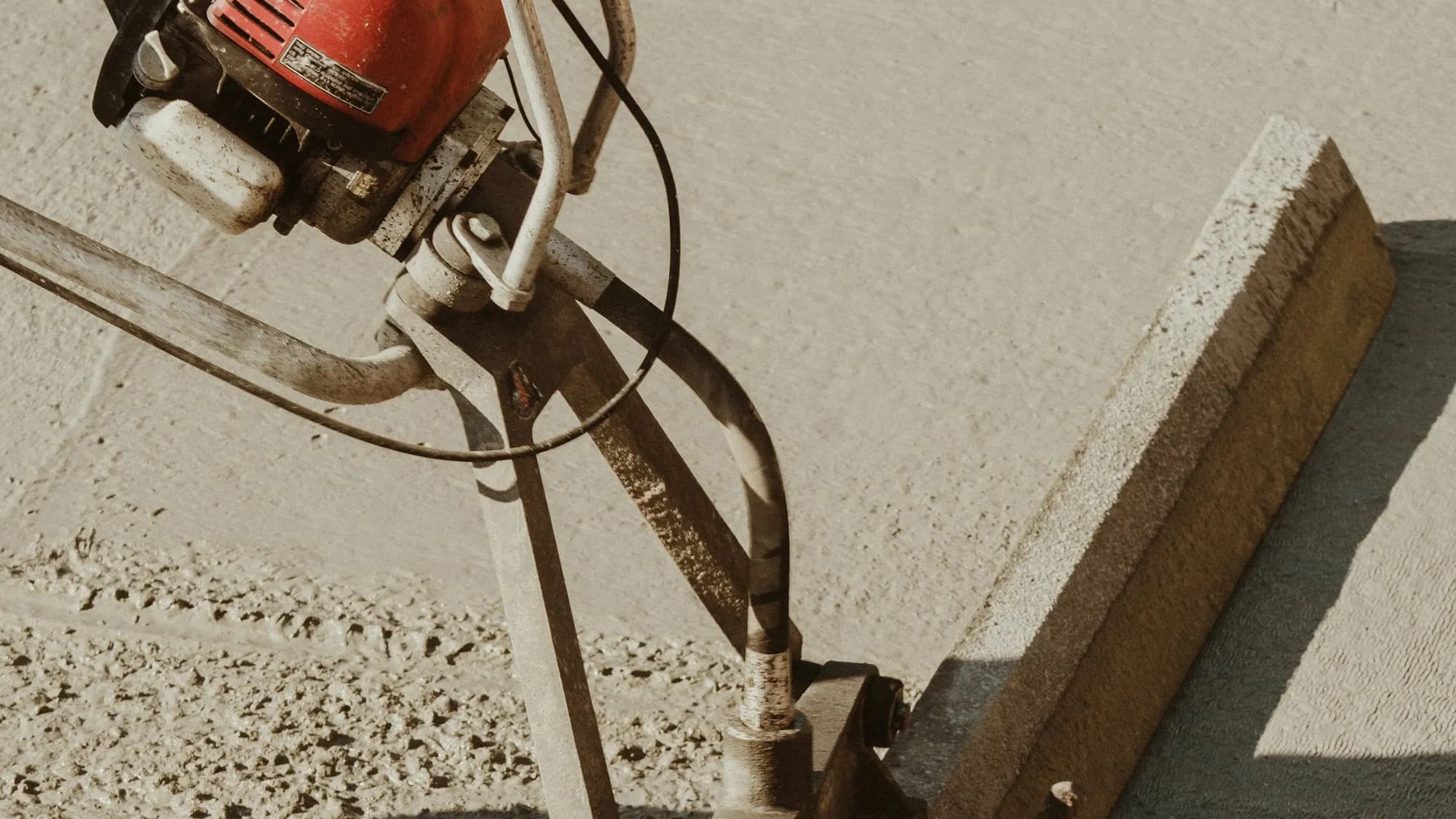
- Cracks and movement. Hairline cracks can be filled and will show as fine lines. Cracks that are moving, or slabs that have settled unevenly, need a structural look before any finishing.
- Flatness. Grinding flattens a slab a little, but it cannot take out big humps or dips. A floor that was screeded for tiles is often fine; a rough shed slab may need more work.
- Old coverings and glue. Tile adhesive, carpet glue, paint and old sealers all have to come off. This is the slow, dusty part and it is where most of the extra cost sits.
- Moisture. Slabs without a vapour barrier can push moisture up through a polished surface. We test before sealing.
- Patches and trenches. Plumbing trenches, old repairs and different pours show as different colours once ground. They can be a feature or a problem, depending on taste.
What the slab decides for you
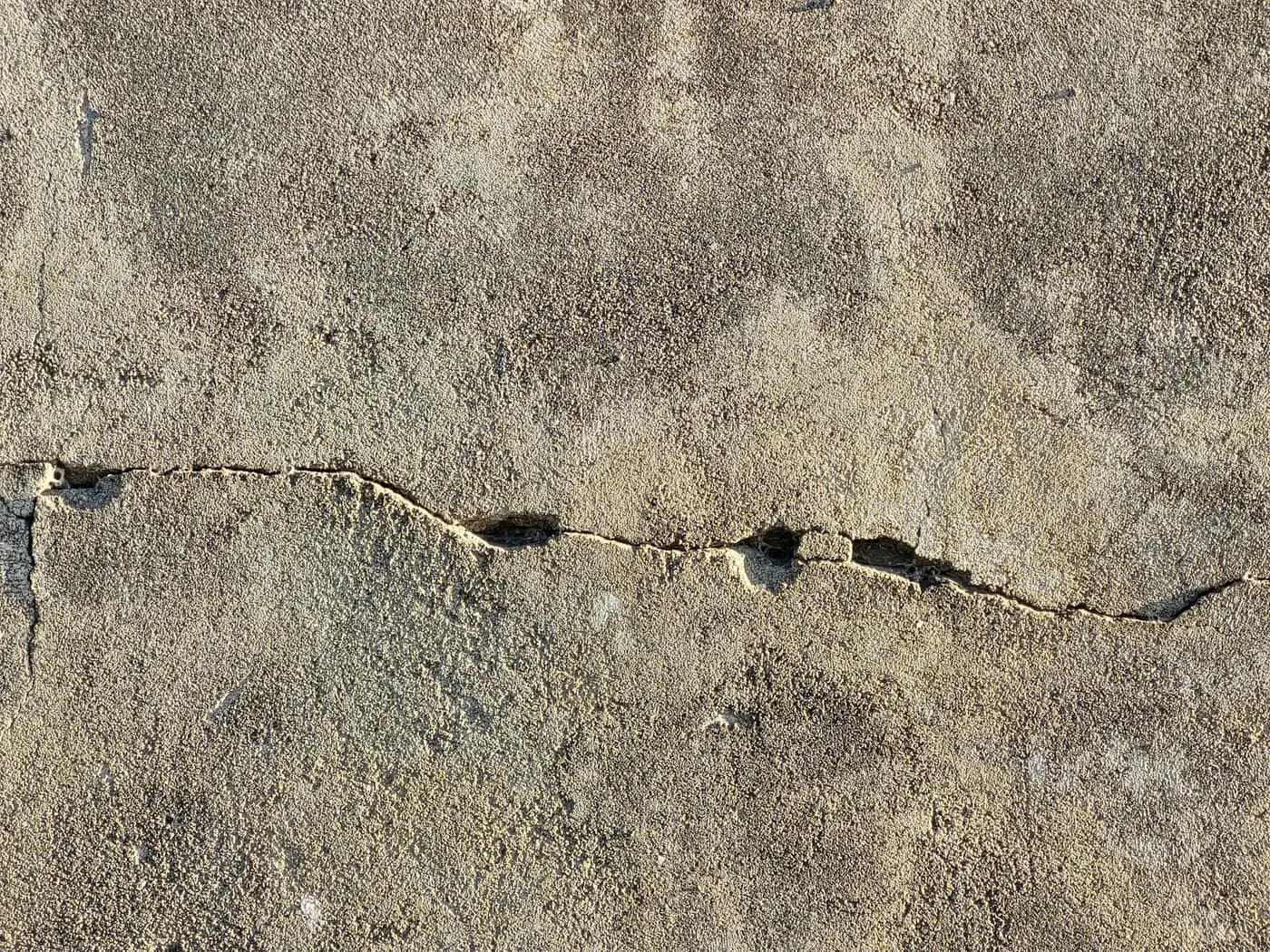
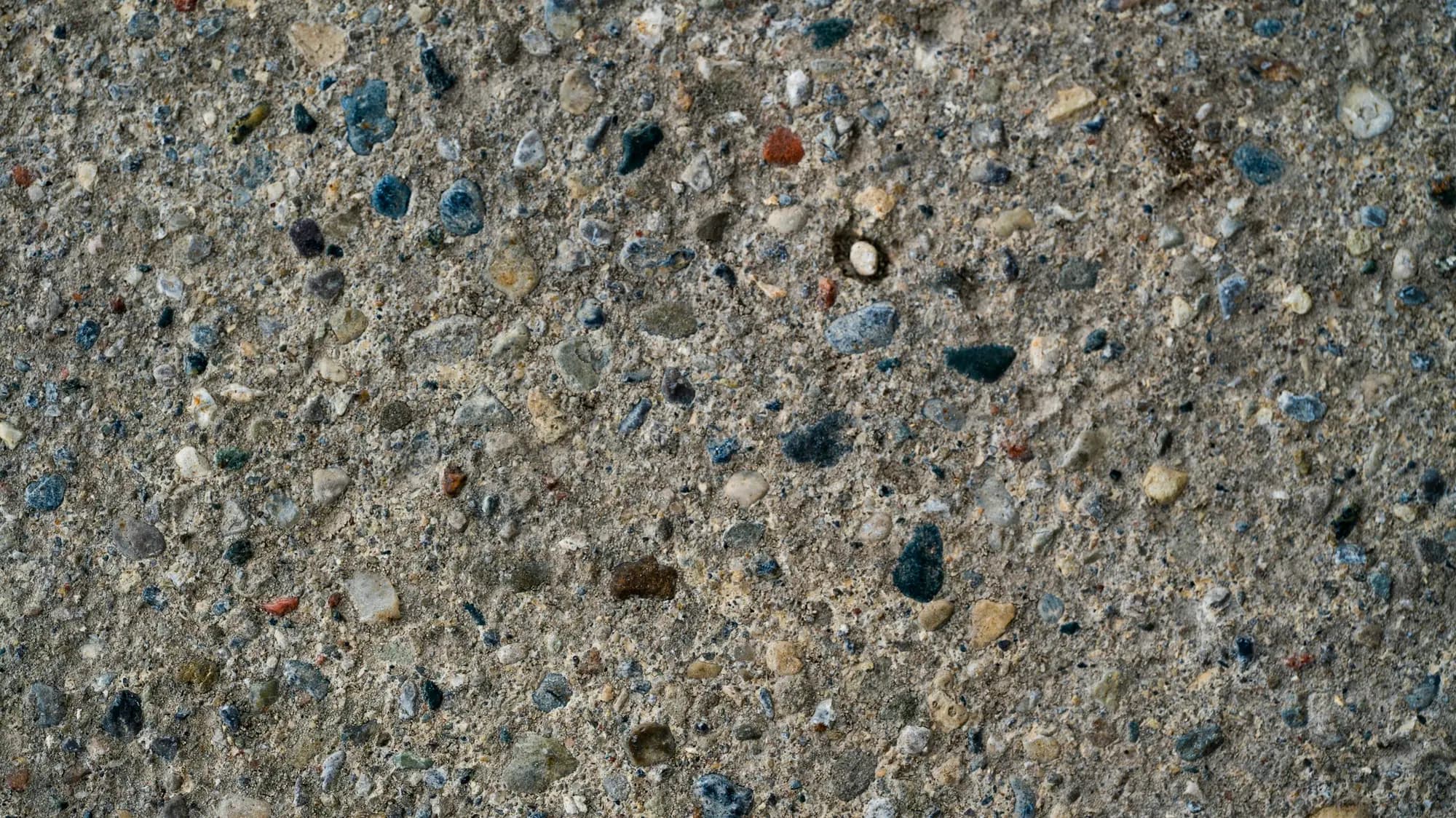
On an existing floor the cement colour and the stone are already set. We choose how deep to grind and how much sheen to leave, and that is about it. Many older slabs have a lot of large stone, so a deep grind gives a busy, stone-rich floor; a light grind keeps more of the cream top. If you want a particular colour, read our guide to polished concrete colours before deciding.
For big, open commercial floors where a full polish is more than needed, burnished concrete can be a lighter option on a sound slab.
When an overlay or topping is the answer
If the slab is sound but you want a colour, a stone or a level the old concrete cannot give, a bonded topping poured over it solves that. It needs enough thickness to be ground safely, a properly prepared base so it bonds, and it raises the floor level, which matters at doors and stairs. It is not a cure for a slab that is cracking or moving.
Why a new slab is planned differently
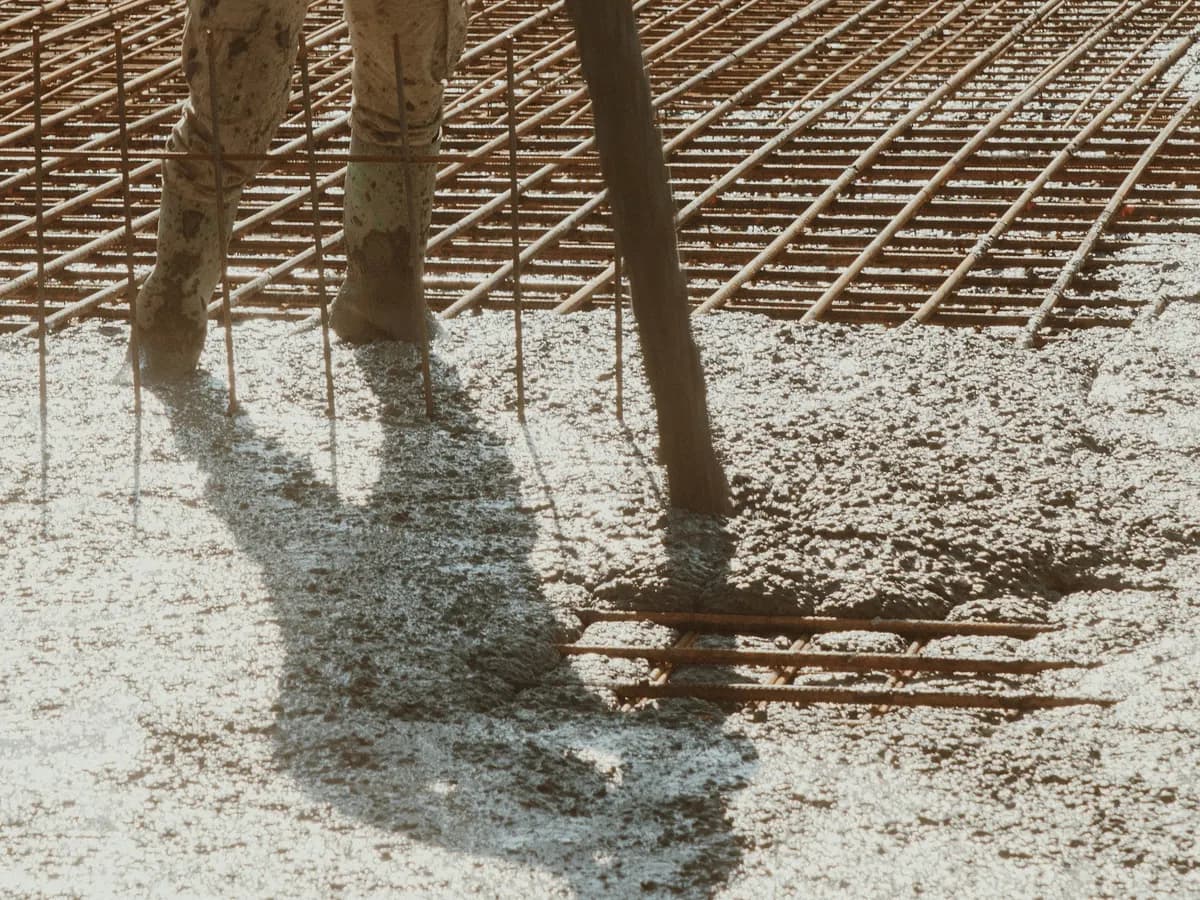
When we pour a house or shed slab that will be polished, the mix, the stone, the placement and the surface are all chosen for the finish. The slab is placed flatter, the joints are laid out with the finished floor in mind, and the colour is decided before the truck arrives. One crew from structure to finish removes most of the surprises that an existing slab can throw up.
Getting an answer for your floor
Send photos of the bare slab if you can see it, tell us what is on top of it now, and the rough area. We will say whether it suits polished concrete, a honed finish, a topping, or a new slab. This applies to residential renovations and commercial fit-outs alike.
Where we work: Bunbury and the South West of Western Australia.
Common questions
- Can you polish an existing concrete slab?
- Usually, if it is sound, reasonably flat and thick enough to grind. We check for cracks, movement, moisture and old coverings before saying yes.
- How thick does concrete need to be to polish?
- Grinding removes only a few millimetres, so most house and shed slabs are fine. The question is more often whether the slab is flat and sound than how thick it is. A bonded topping needs enough depth to be ground without breaking through.
- Can you put polished concrete over floorboards?
- Not directly. Timber moves and cannot carry a polished finish. It needs a concrete slab or a properly supported topping underneath, which is a structural question before it is a finishing one.
Related services
More guides
 Guide
GuideExposed aggregate vs honed and polished concrete
Exposed aggregate, honed or polished aggregate: how each is made, how they differ on grip, cleaning and look, and which suits a driveway, pool or floor in WA.
View → Guide
GuideHow to clean polished concrete floors
Everyday cleaning, what never to use, stains, and when a polished, honed or burnished floor needs resealing. Plain maintenance advice from Bunbury, WA.
View → Guide
GuidePolished concrete colours: what decides the final look
Where the colour of polished, honed and burnished concrete comes from: cement, stone, oxides and sheen. What you can choose on a new slab versus an old one.
View → Guide
GuideConcrete pool surround finishes: honed or liquid limestone?
Honed concrete or liquid limestone for a pool surround? How the finishes differ on grip, heat, glare and upkeep, and how to choose in WA.
View → Guide
GuideIs polished concrete slippery?
Is polished concrete slippery when wet? What decides grip, where a lower sheen suits better, and what to ask before you choose a finish.
View → Guide
GuideConcrete benchtops and furniture: what to plan first
Thinking about a polished concrete benchtop or custom concrete furniture? What it is, how it is made, and what to plan before you order in WA.
View → Guide
GuidePolished concrete cost: what decides the price
What drives the cost of polished concrete floors: slab condition, area, level of finish and access. How to get an accurate quote in Bunbury and WA.
View →