
Is polished concrete slippery?
People in Bunbury and the South West ask us this before almost every polished floor, and the honest answer is: it depends on the finish, not on the concrete.
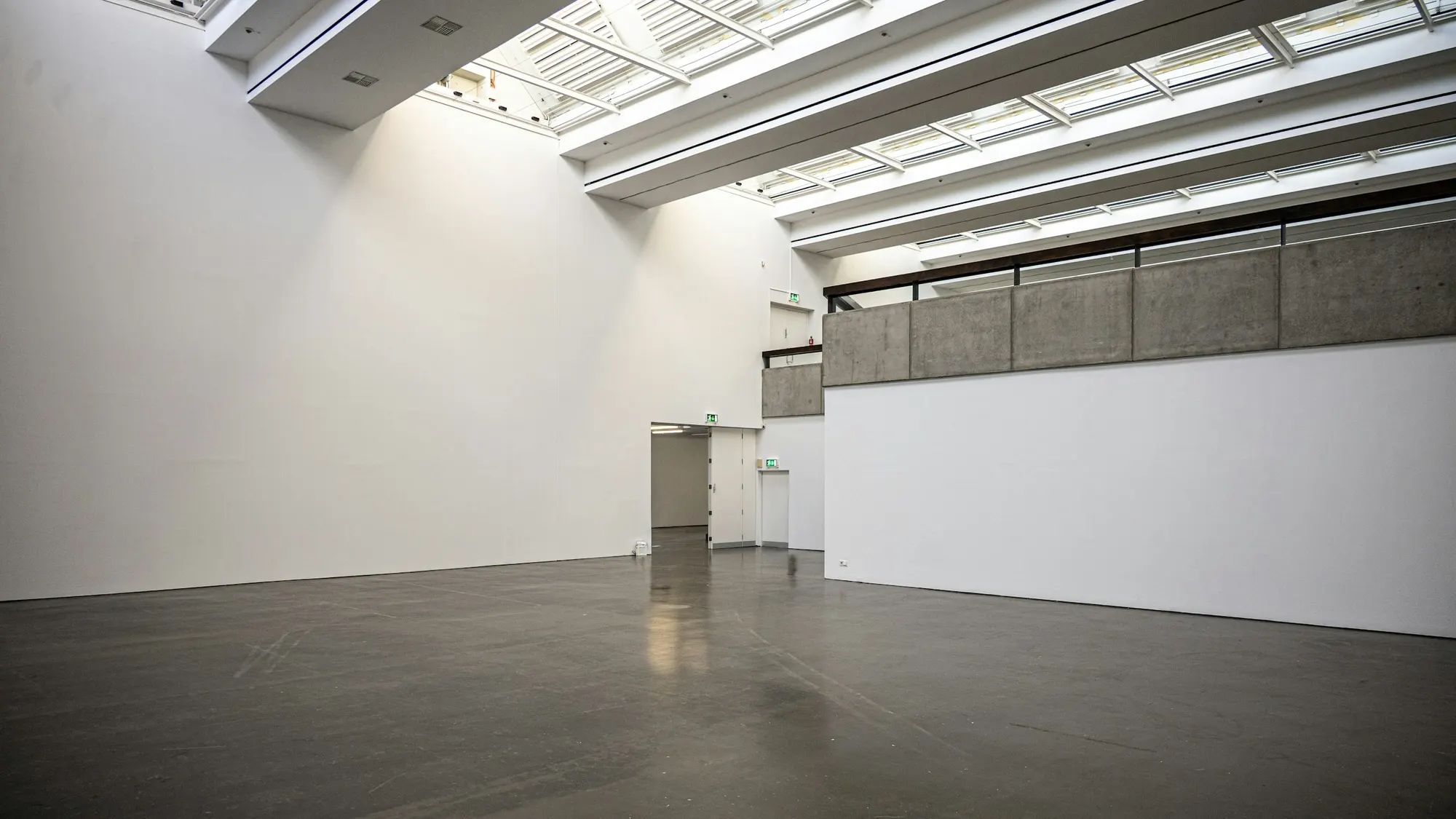
What decides grip
Grip comes from the surface texture, and polishing is the process of making that texture finer. The further a floor is taken up through the diamond grits, the smoother and glossier it gets. Three things matter most:
- Sheen level. A low-sheen finish keeps more texture than a high-gloss one.
- Sealer. Some sealers add a film, others sit inside the concrete. The choice changes how the surface feels, especially when wet.
- What is on the floor. Water, dust, oil and wax all reduce grip on any smooth surface.
Dry indoor floors
Inside a dry room, such as a living area, shop or office, a polished floor is normally comfortable to walk on. Polished concrete is a good fit there, and the sheen can be kept moderate if you would rather not have a mirror finish.

Wet and outdoor areas
Around a pool, on a patio or on a driveway, grip matters more than shine. A honed finish stops before the gloss grits, so it is flatter and grippier, and it avoids the sun glare of a polished surface. For a softer, easy-care result on larger floors, see burnished concrete. For vehicle areas, read how we build concrete driveways.
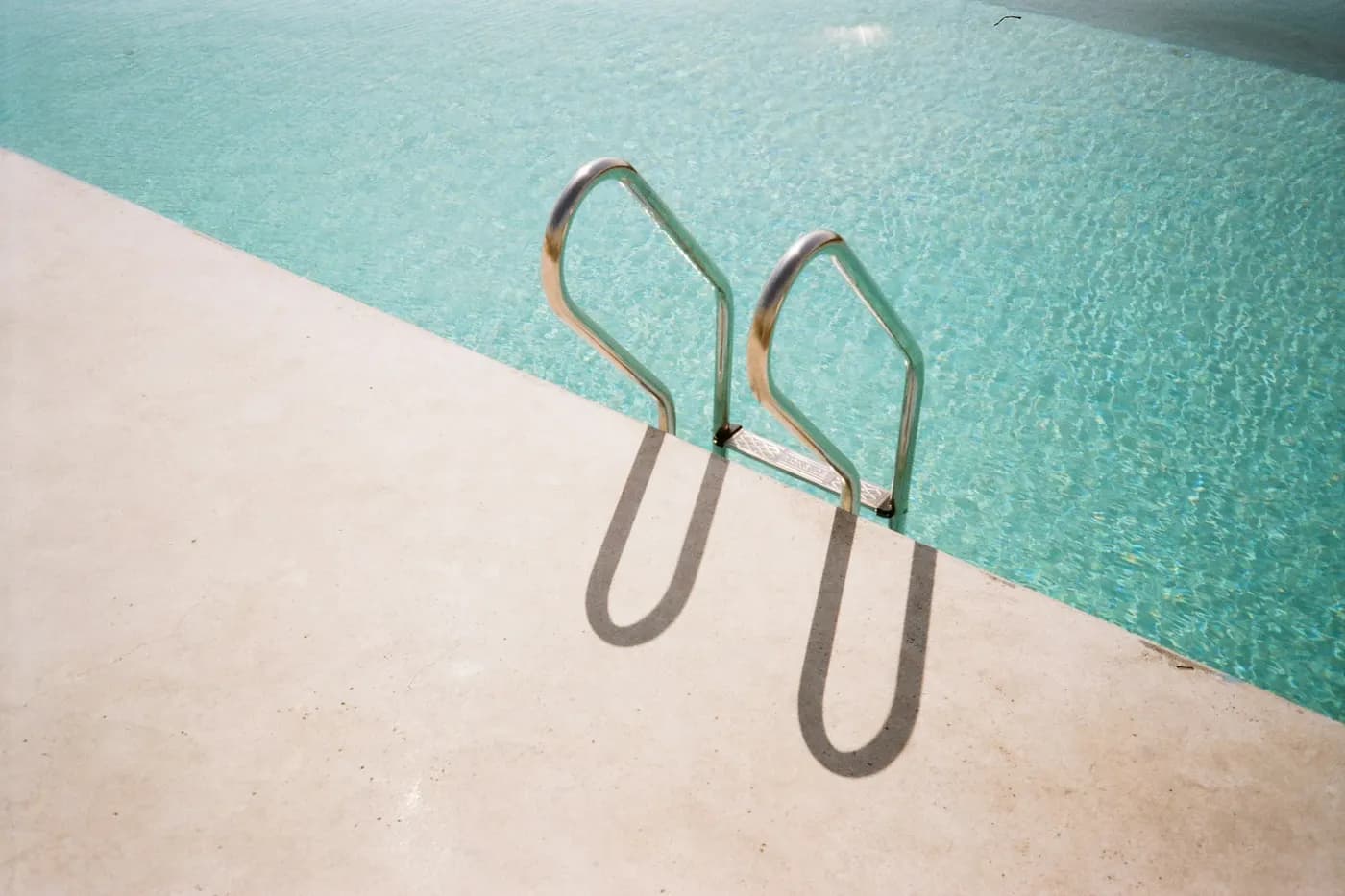
Questions to ask before you choose
- Will the floor ever be wet, or used by people in socks, bare feet or work boots?
- Do you need a lower sheen for grip, or is the look the priority?
- For commercial or public floors, do you need a slip-resistance test result? If so, say so early.
If you are weighing the three finishes, our comparison of polished, honed and burnished concrete sets them side by side. Tell us where the floor is going and we will say which we would use.
Where we work: Bunbury and the South West of Western Australia.
Common questions
- Is polished concrete slippery when wet?
- It can be. A high-gloss, smooth surface has less grip when wet than a matte one. How much less depends on the sheen, the sealer and what is on the floor.
- Can polished concrete be made less slippery?
- Often, yes. The sheen can be kept lower, the sealer can be chosen for grip, and a honed finish stops before the gloss stage. The right option depends on where the floor is.
- Should I use polished concrete outside?
- For wet outdoor areas we usually suggest a honed or limestone finish rather than a glossy one.
Related services
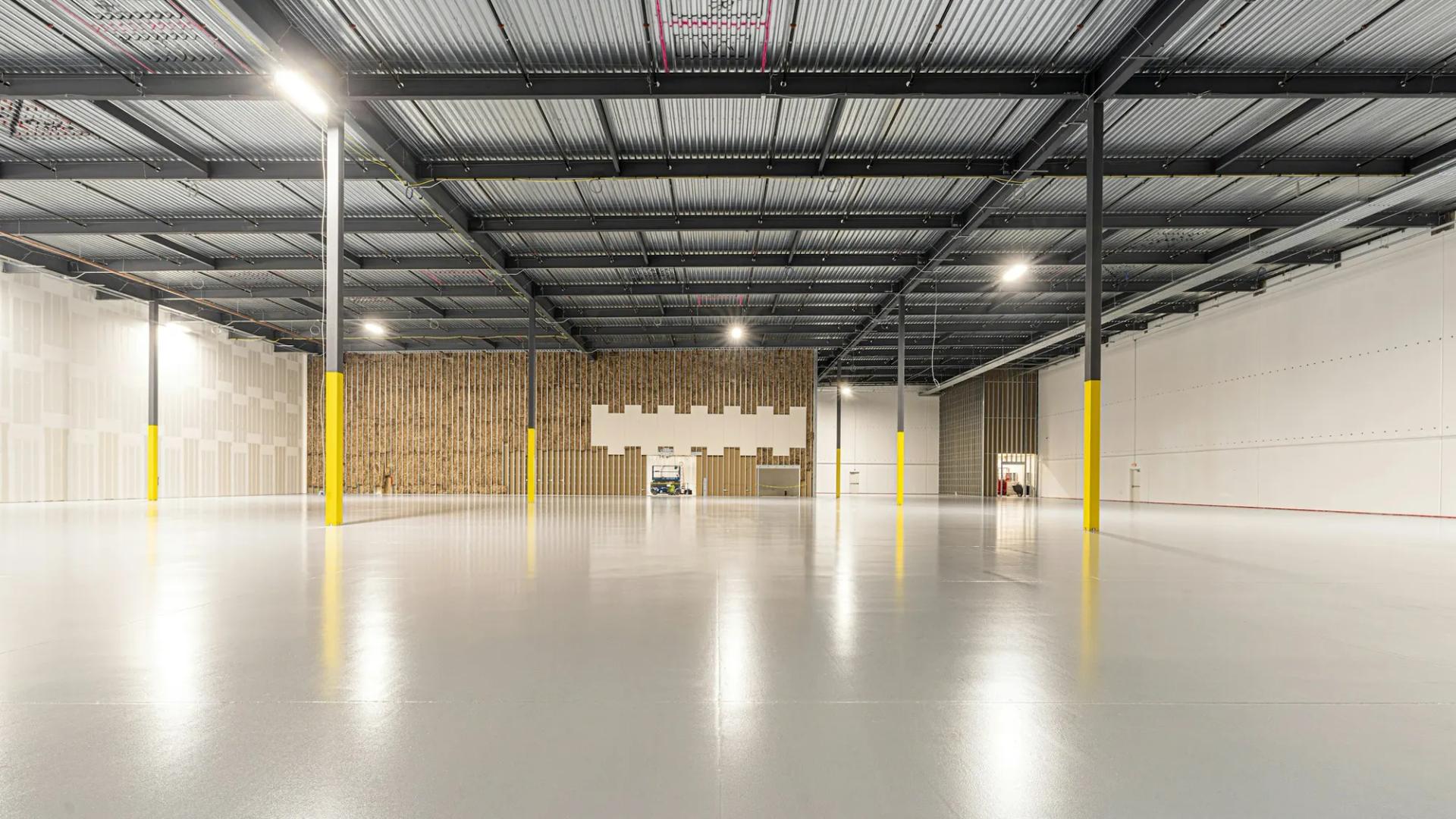 Service
Polished concrete
 Service
Honed concrete
 Service
Burnished concrete
 Service
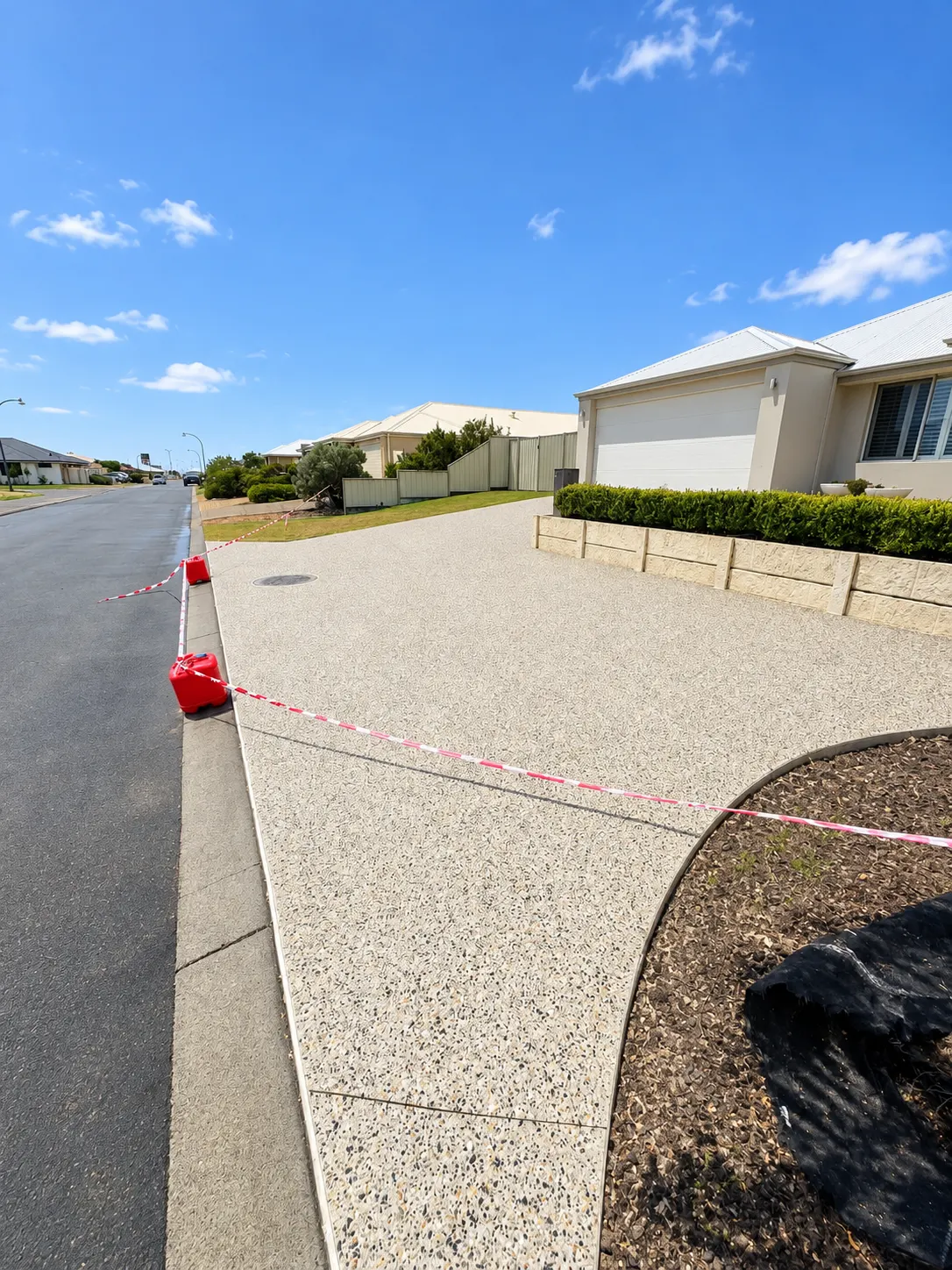
Concrete driveways and paths

More guides
 Guide
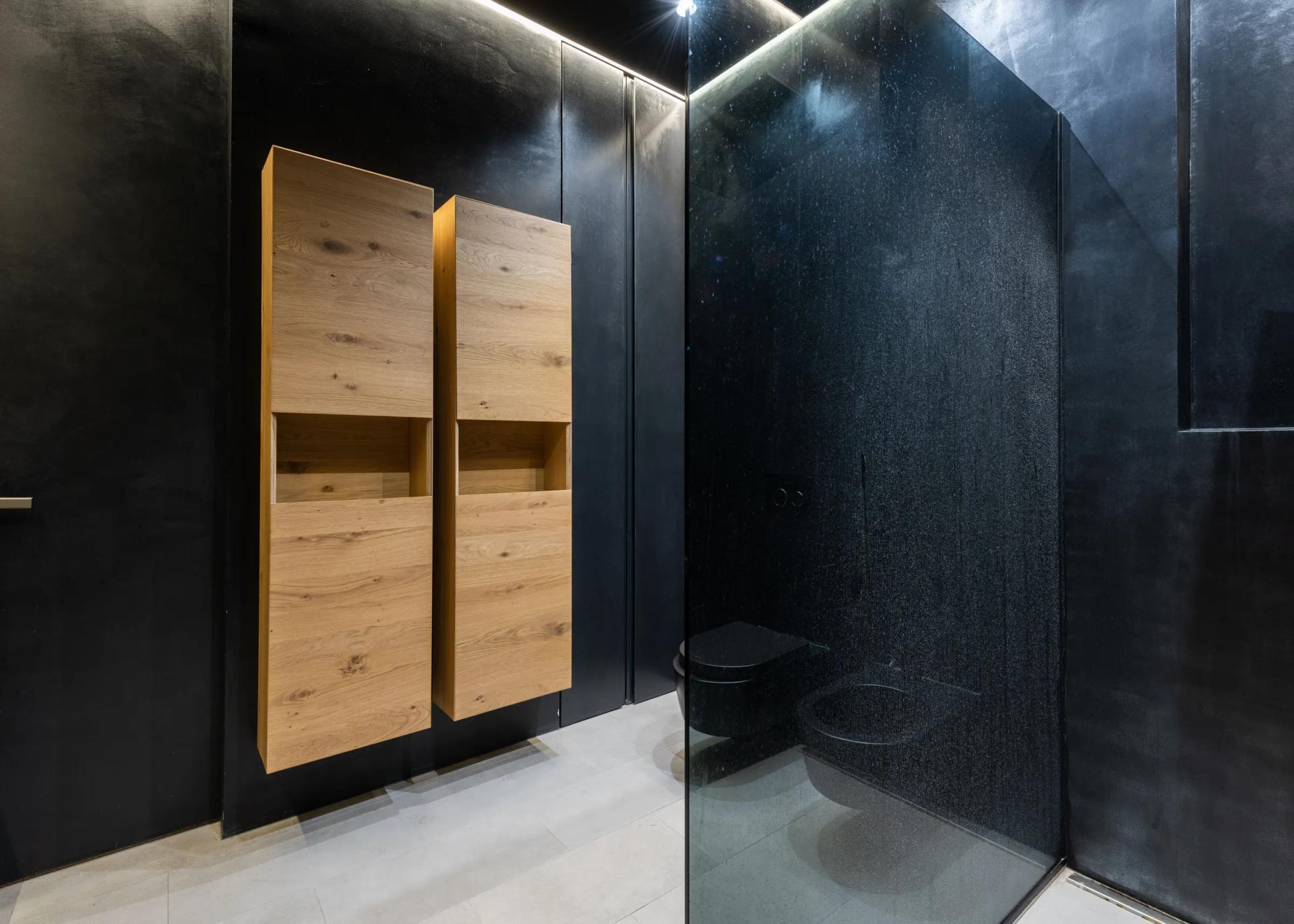
Polished concrete bathroom floors: waterproofing, falls, grip and walls
Polished concrete bathroom floors in WA: where the waterproofing sits, falls to the waste, grip in the shower, sealer for a wet room, walls and hobs.
 Guide
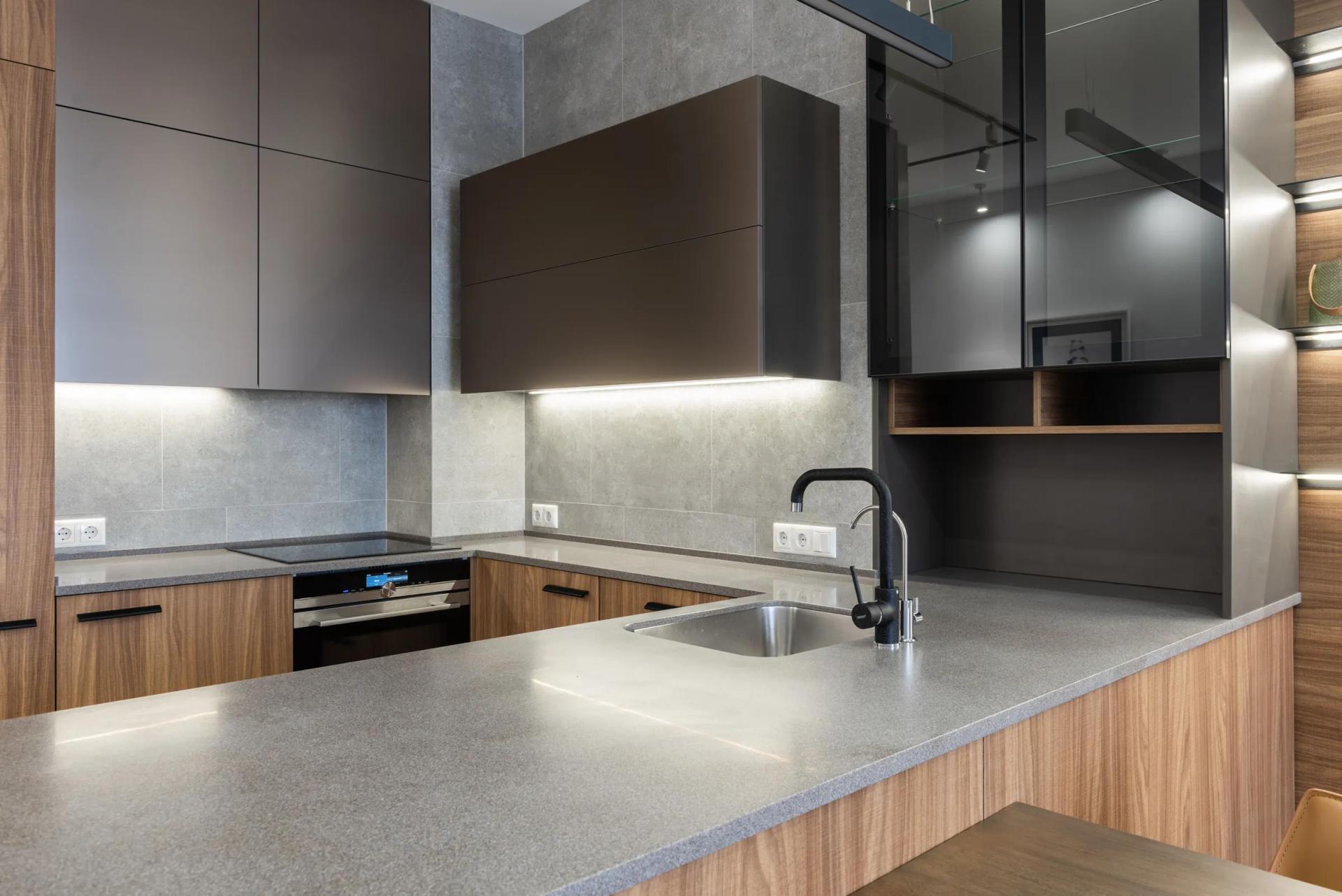
Polished concrete kitchen floors: stains, chips, warmth and the benchtop
Polished concrete kitchen floors in WA: oil, wine and lemon stains, dropped plates, warmth and hydronic heating, colour, the benchtop and open plan.
 Guide
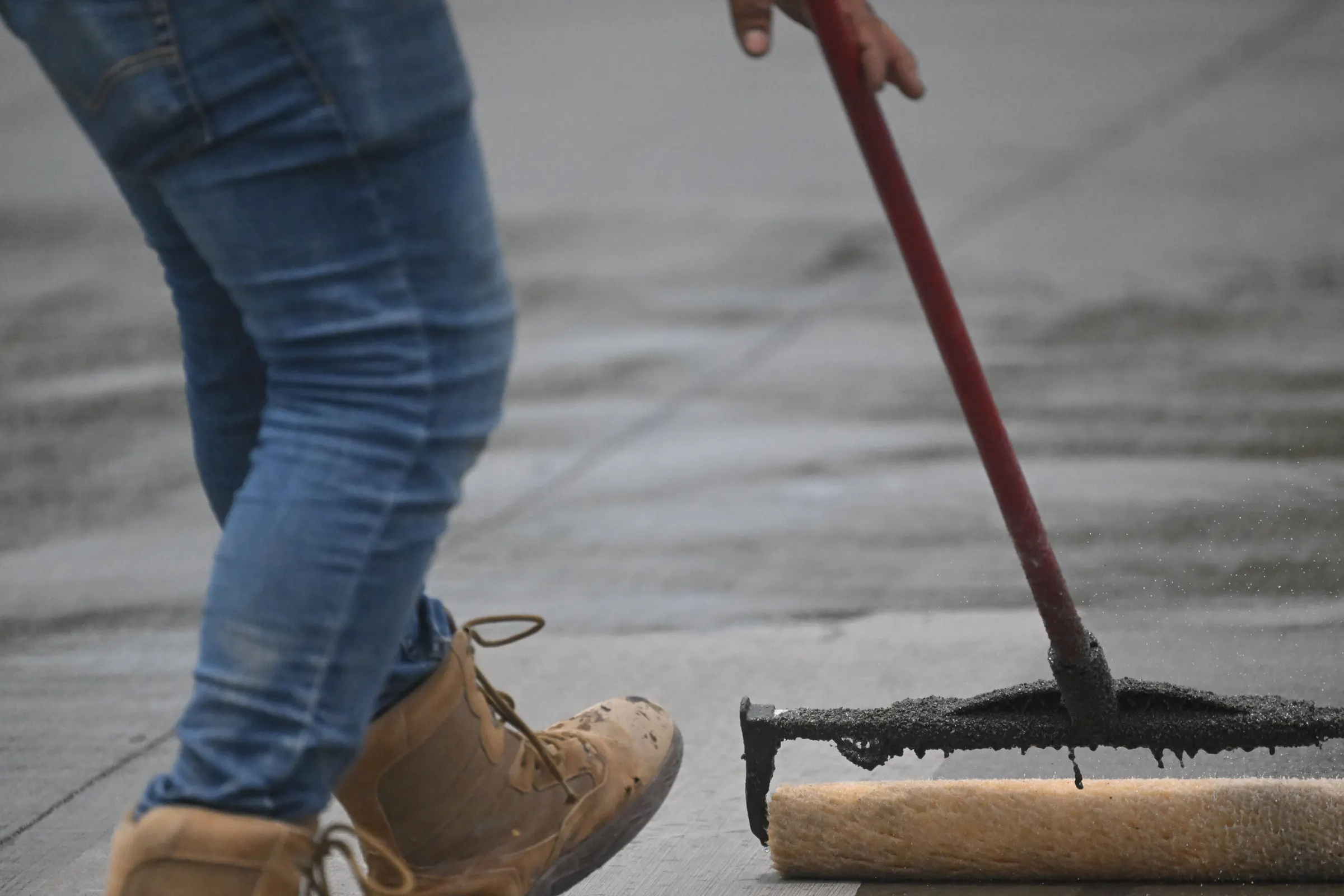
Concrete sealers explained: penetrating vs acrylic, and how often to reseal
Penetrating vs acrylic concrete sealers: which suits polished, honed, burnished, liquid limestone and exposed aggregate, how often to reseal and the signs.
 Guide
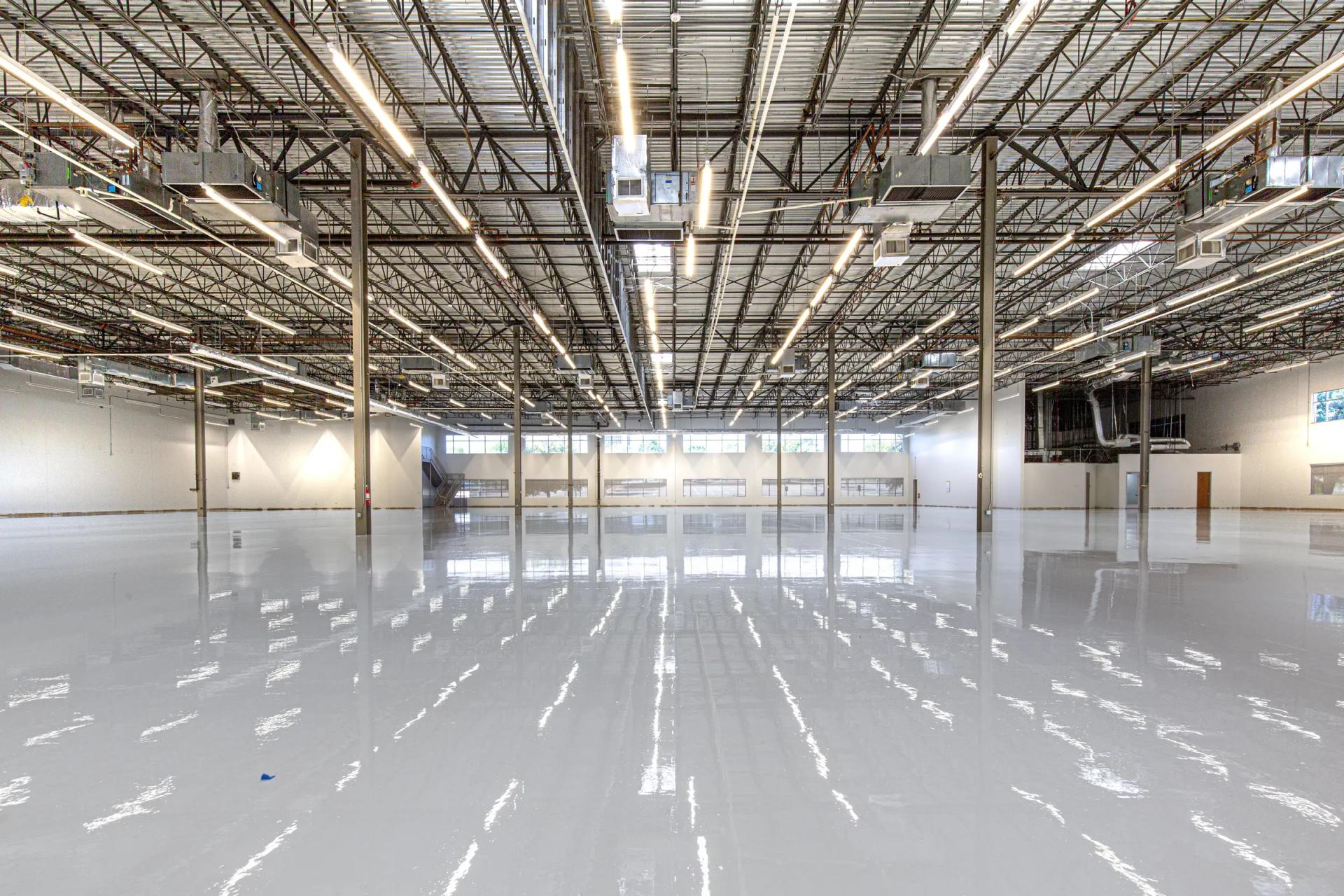
Polished concrete finish levels: aggregate exposure, sheen and grind and seal
Cream, salt and pepper or full exposure; matte, satin or high gloss; grind and seal or mechanically polished. Polished concrete finish levels explained.
 Guide
Types of concrete finishes for patios, and how to pick one
Six concrete finishes for a patio compared: plain, honed, liquid limestone, exposed aggregate, coloured and stamped. Grip, heat, glare, upkeep and cost in WA.
 Guide
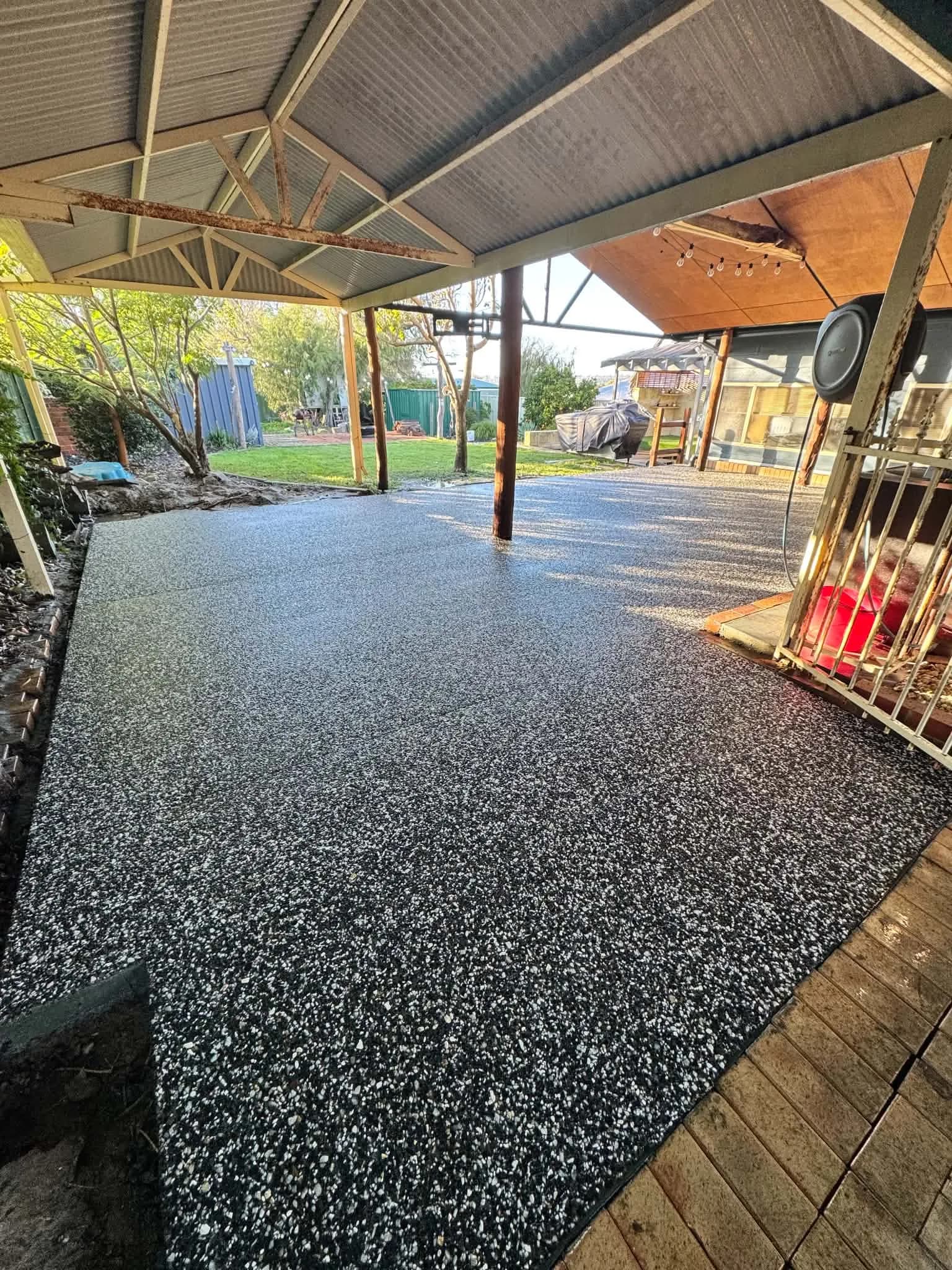
Outdoor polished concrete: alfresco, patio and the indoor-outdoor floor
Outdoor polished concrete usually means honed. Glare, heat, grip, sealers and how to run one finish from the living room to the alfresco, patio and pool in WA.
 Guide
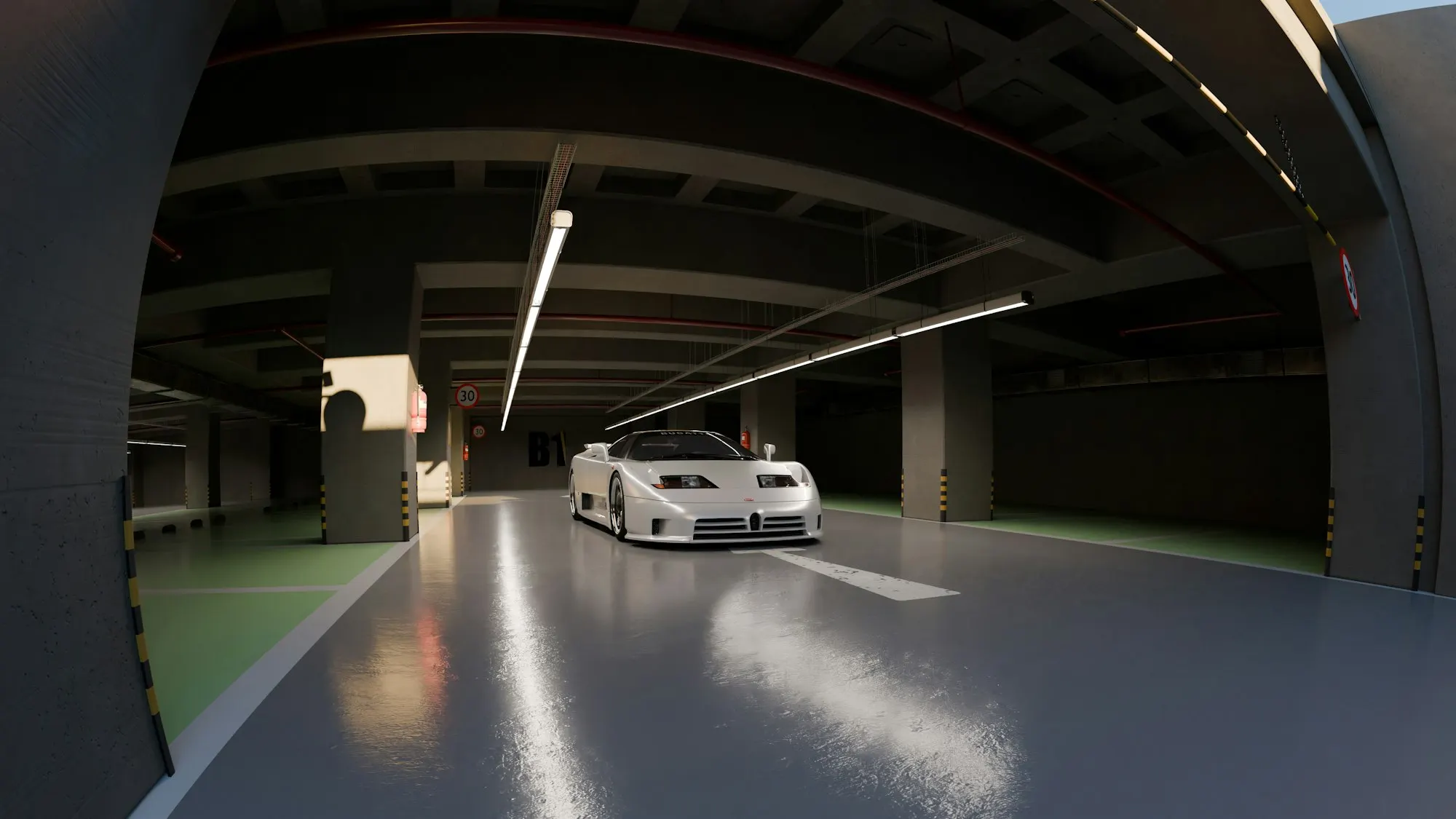
Polished concrete garage floors: what to know before you decide
Is a polished concrete garage floor a good idea? Tyre marks, oil, sheen, new slab versus old, and when burnished or sealed suits a garage or shed better in WA.
 Guide
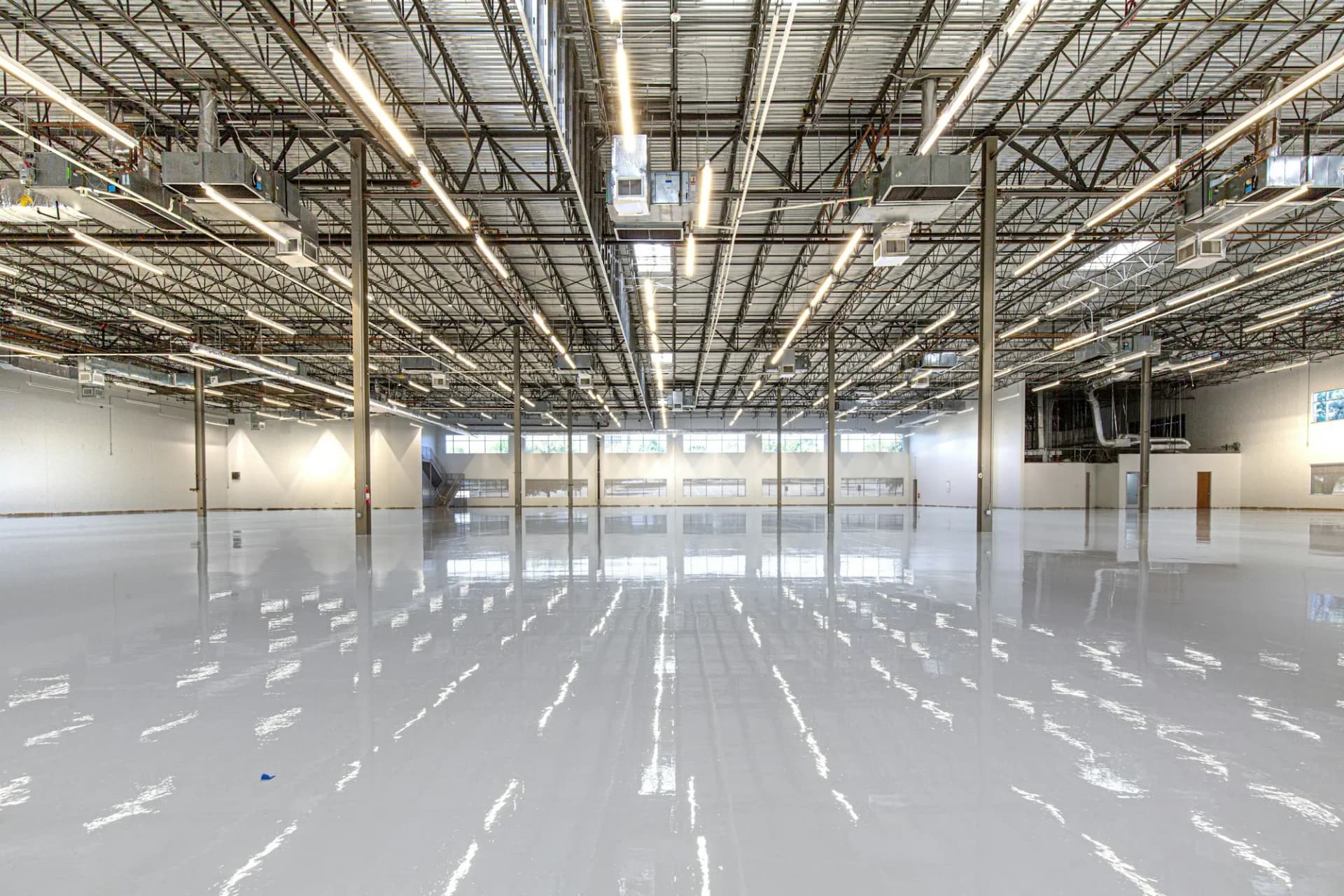
Polished concrete vs epoxy: which floor for a workshop, warehouse or shop
Polished concrete vs epoxy for a workshop, warehouse, shop or garage: wear, peeling, chemical resistance, downtime, upkeep and where grind and seal fits in.
 Guide
Polished concrete vs tiles: which floor makes sense
Is polished concrete cheaper than tiles? Often, on a new slab. How cost, grout, wet areas, comfort and resale compare, and why you can't polish over tiles.
 Guide
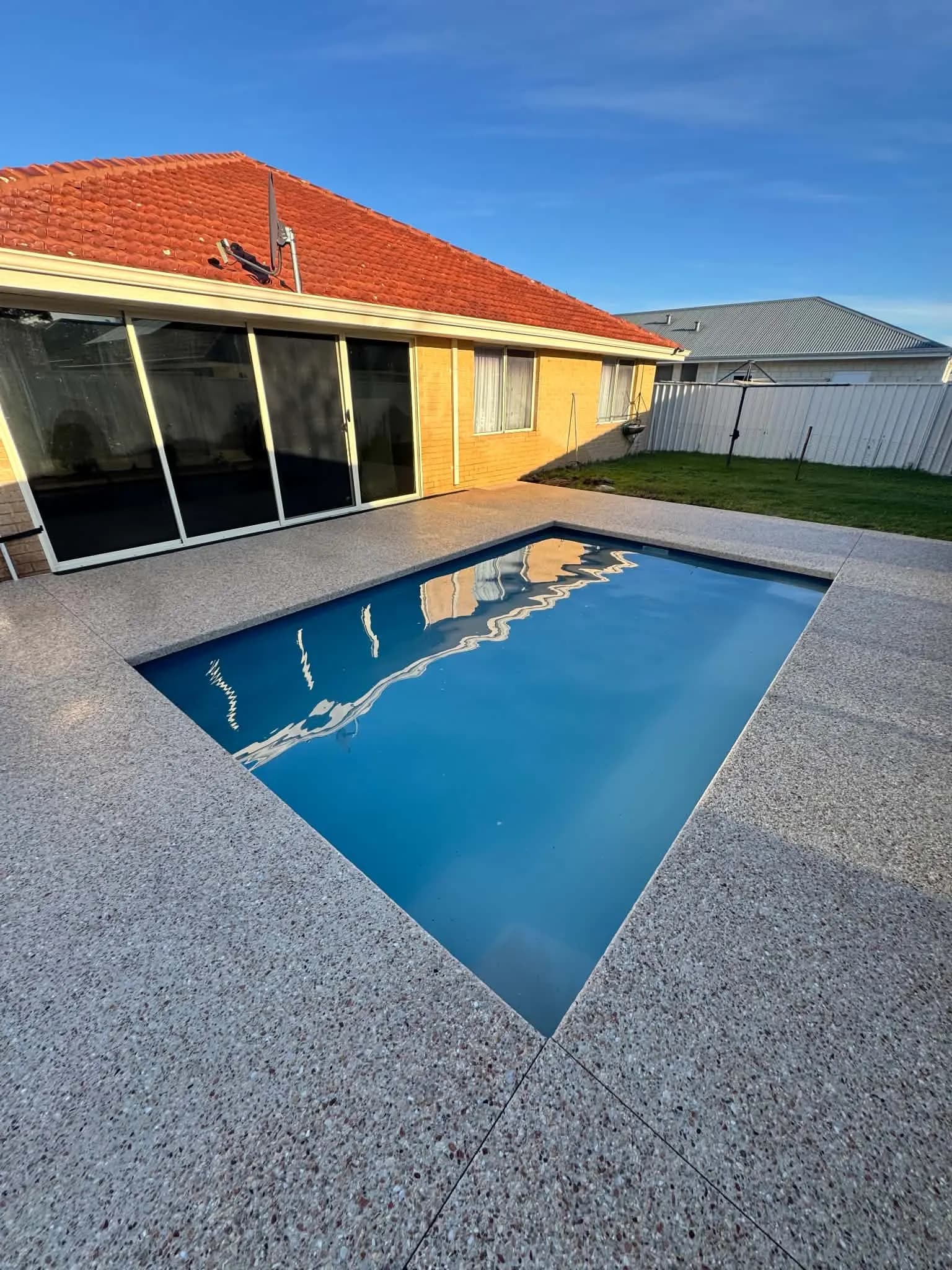
Exposed aggregate vs honed and polished concrete
Exposed aggregate, honed or polished aggregate: how each is made, how they differ on grip, cleaning and look, and which suits a driveway, pool or floor in WA.
 Guide
How to clean polished concrete floors
Everyday cleaning, what never to use, stains, and when a polished, honed or burnished floor needs resealing. Plain maintenance advice from Bunbury, WA.
 Guide
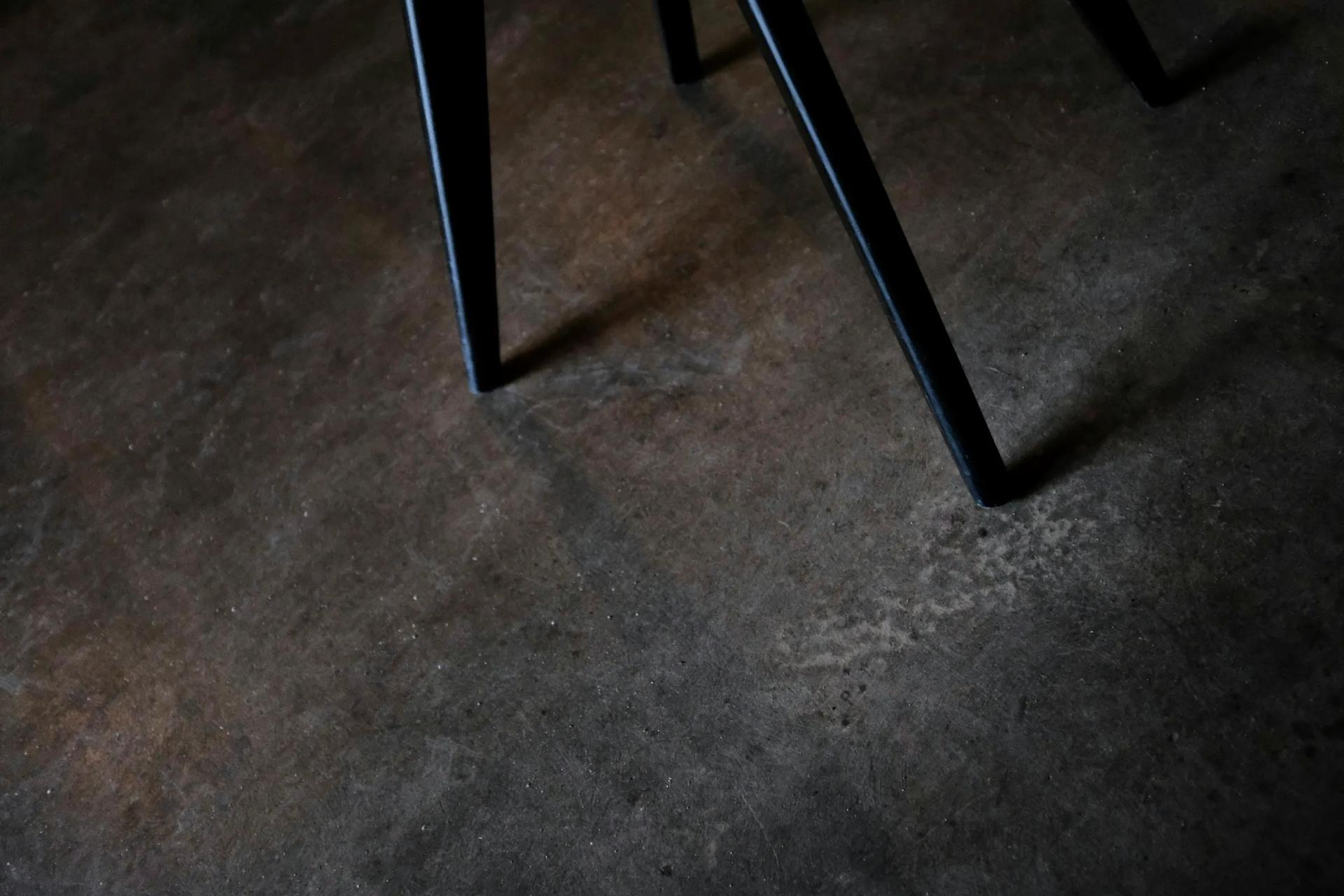
Polished concrete colours: what decides the final look
White, grey, black or aggregate? Where polished concrete colour comes from (cement, stone, oxides, sheen) and what you can choose on a new or existing slab.
 Guide
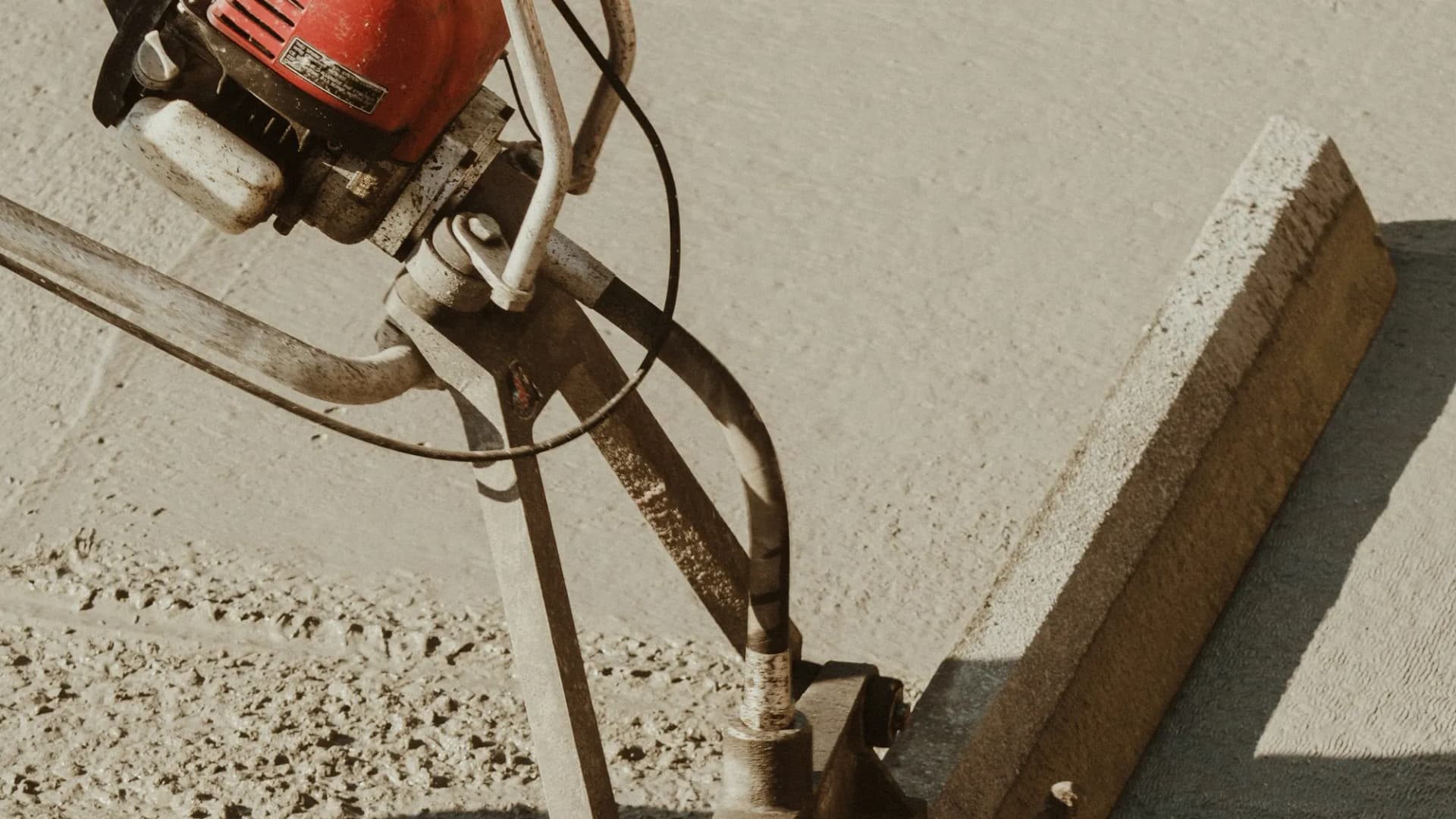
Polished concrete on an existing slab: can it be done?
Can an old slab be polished? What we check, what the slab decides for you, when an overlay or topping is the answer, and why a new slab is planned differently.
 Guide
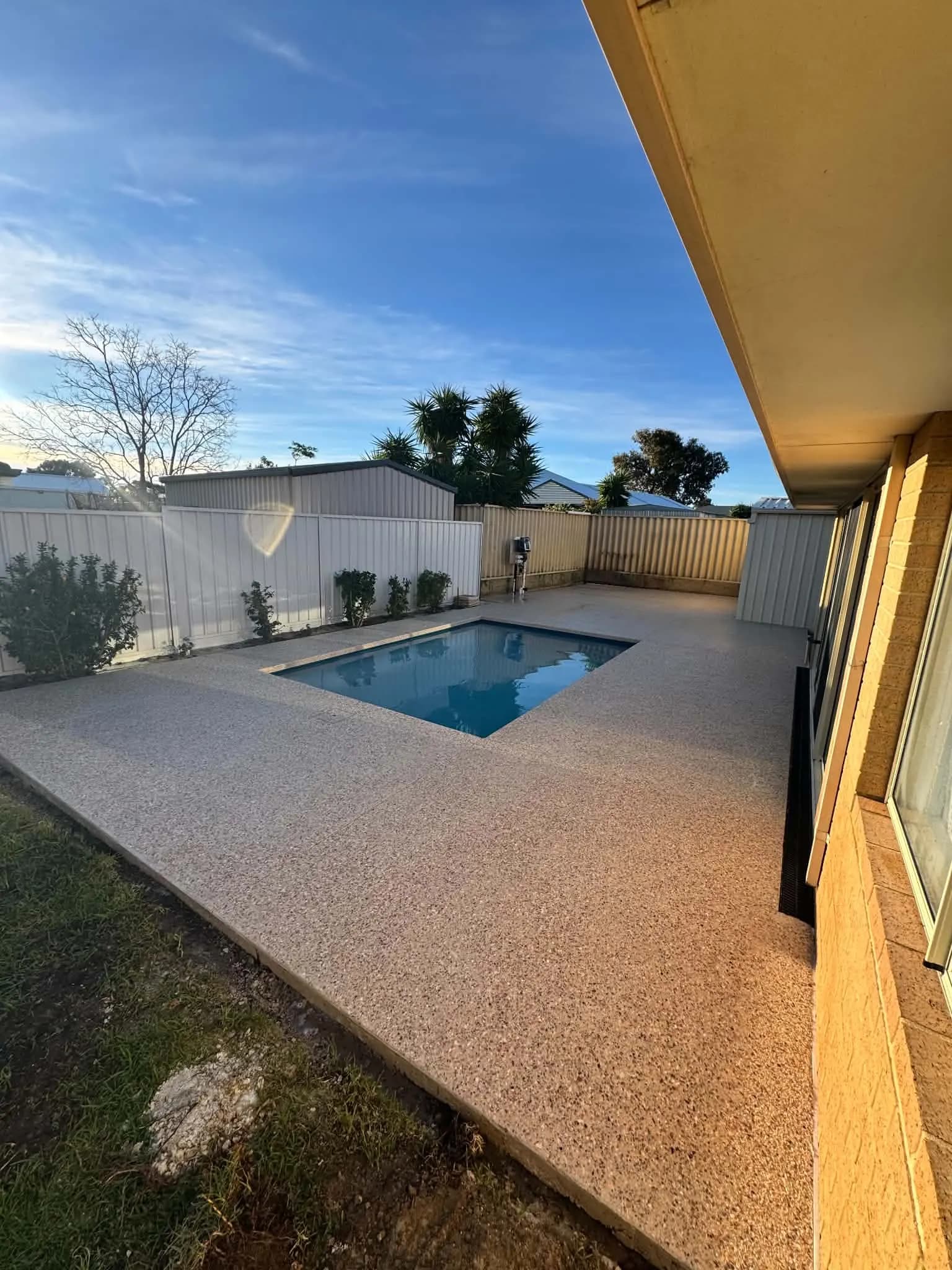
Concrete pool surround finishes: honed or liquid limestone?
Honed concrete or liquid limestone for a pool surround? How the finishes differ on grip, heat, glare and upkeep, and how to choose in WA.
 Guide
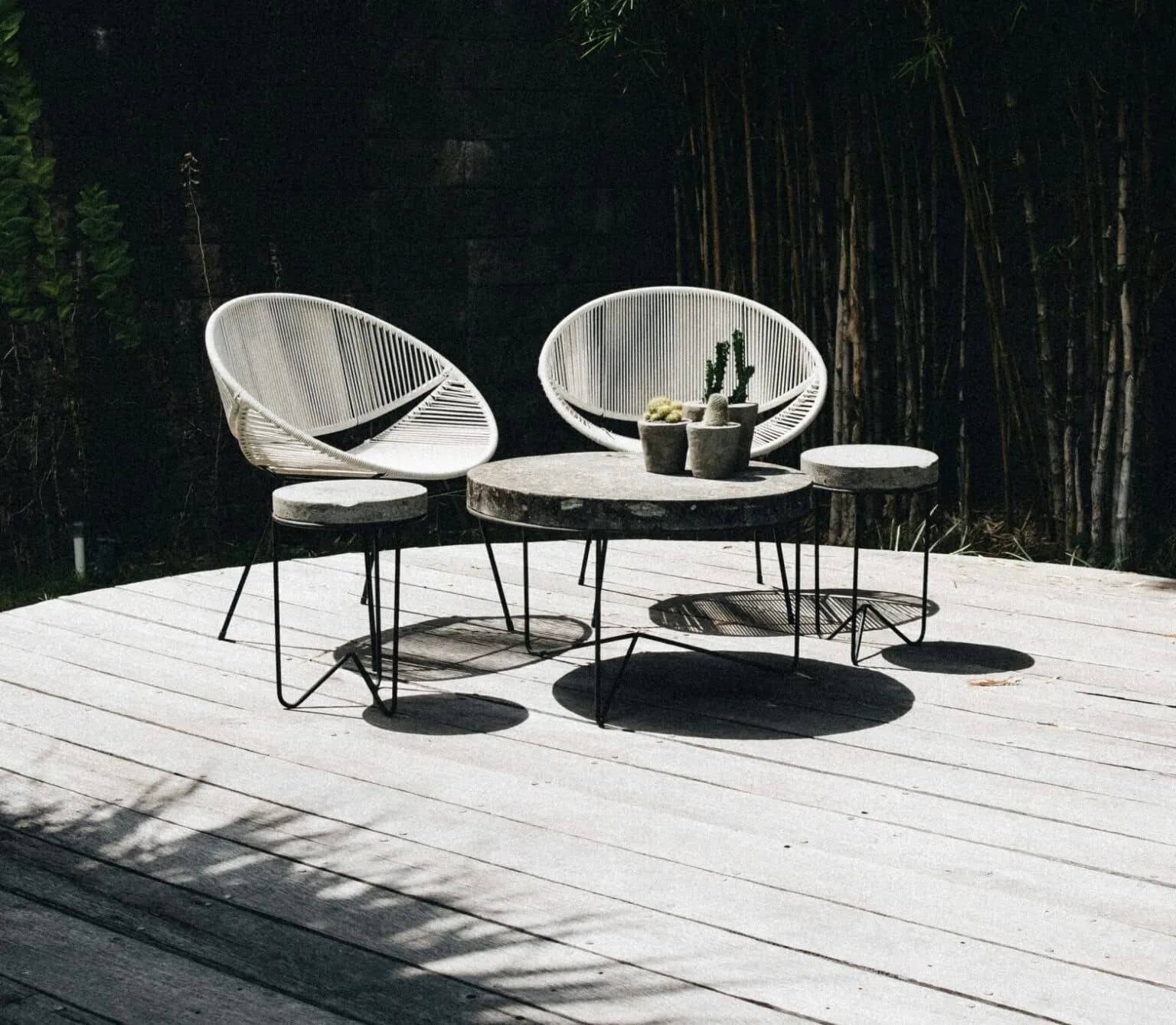
Concrete benchtops and furniture: what to plan first
Thinking about a polished concrete benchtop or custom concrete furniture? What it is, how it is made, and what to plan before you order in WA.
 Guide
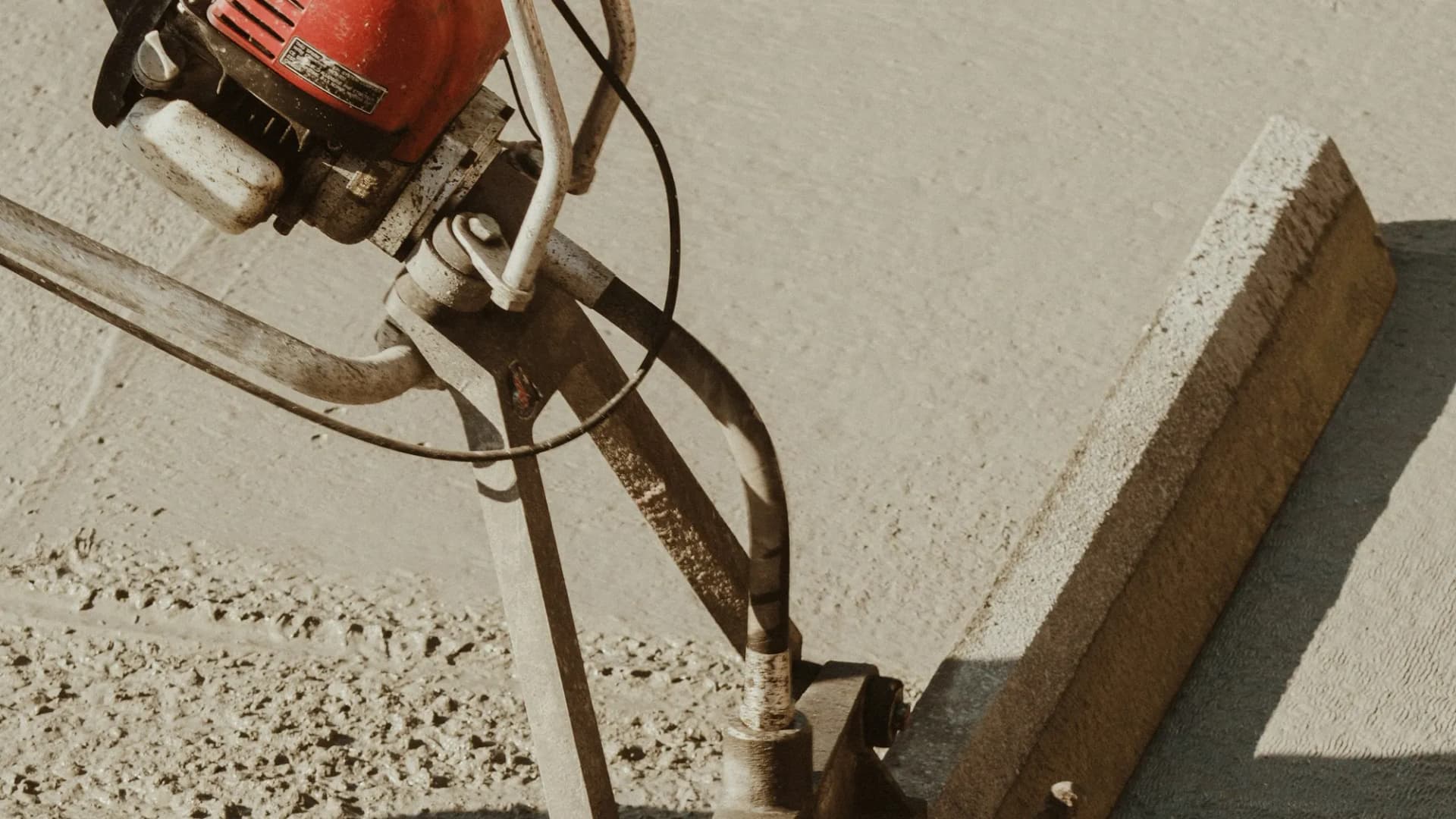
Polished concrete cost: what decides the price
What drives the cost of polished concrete floors: slab condition, area, level of finish and access. How to get an accurate quote in Bunbury and WA.