
Concrete sealers explained: penetrating vs acrylic, and how often to reseal
Every finish we do in Bunbury and the South West ends with a sealer, and most of the questions we get after a job are about it: which one, does it make the floor slippery, and when does it need doing again. This is the plain version.
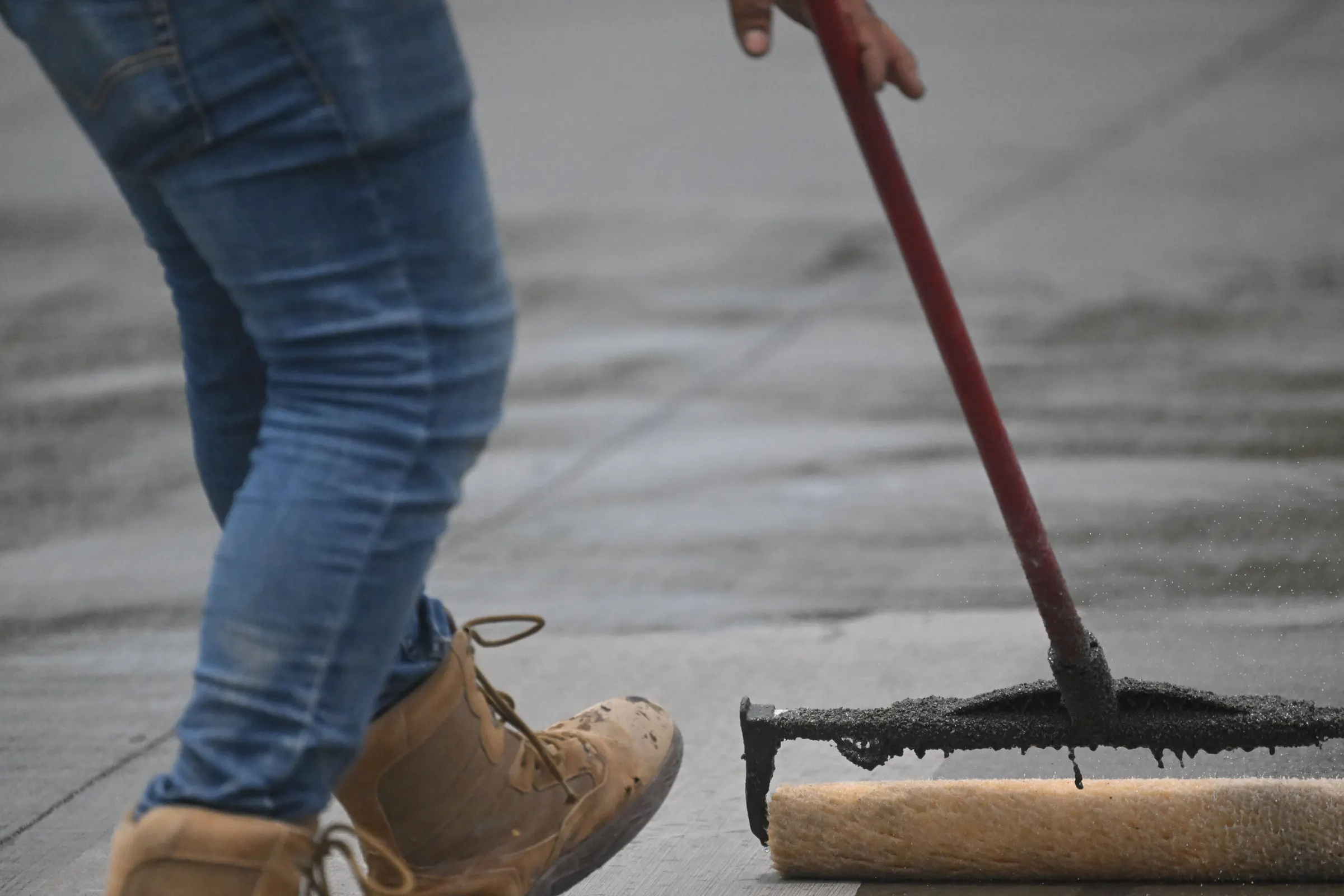
What a sealer does
Concrete is porous. Left bare, it soaks up water, oil, red wine and tannin from leaves, and the stain sits in the surface where no amount of scrubbing reaches it. A sealer closes the surface so spills sit on top long enough to be wiped up. Outdoors it also slows moss, keeps dirt from working into the texture and, on coloured concrete, stops the colour fading unevenly.
What a sealer does not do is hold a slab together or hide cracks. It is a wearing layer that is renewed from time to time, not a one-off.
Penetrating sealers
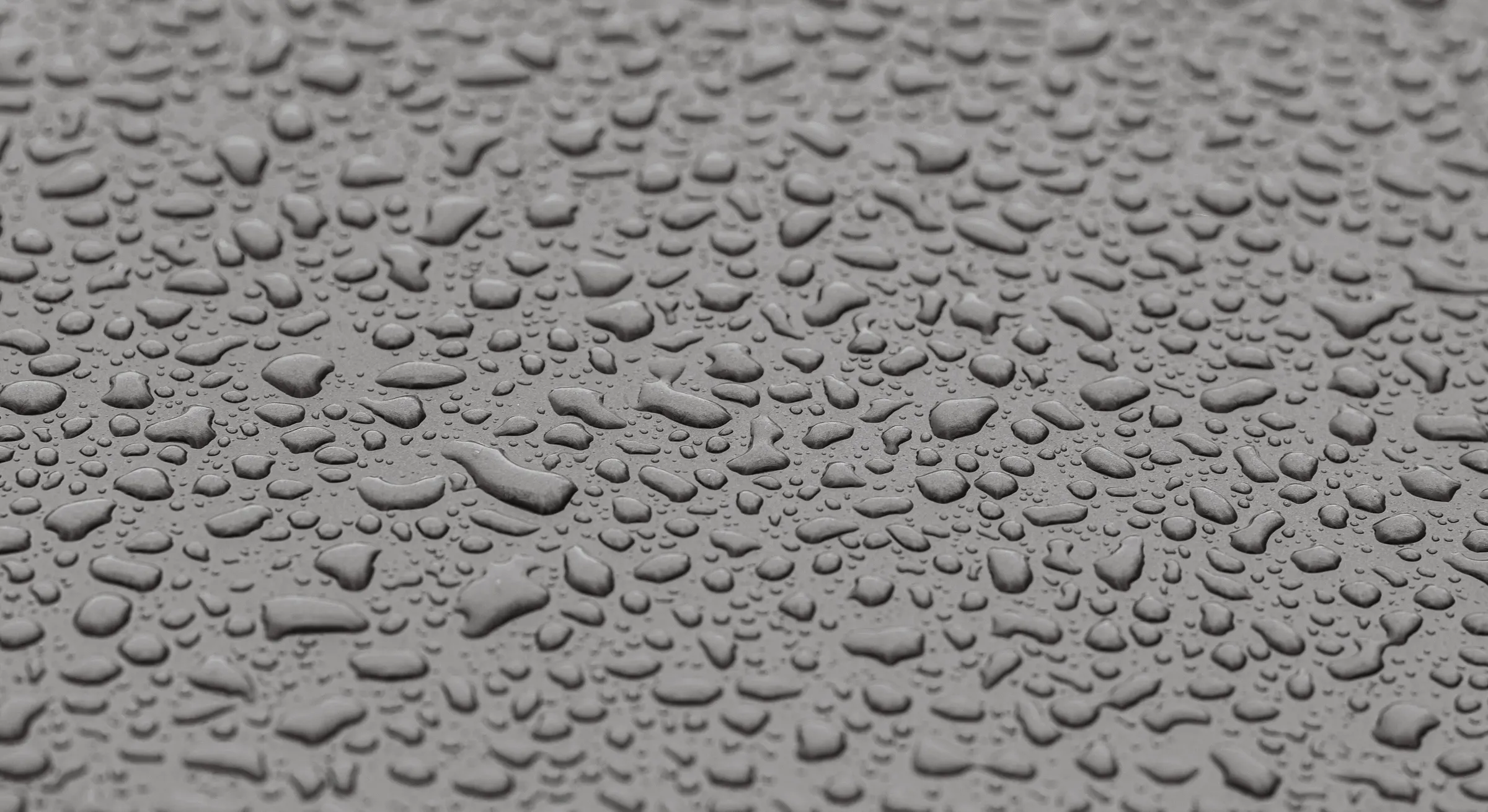
A penetrating sealer soaks into the top few millimetres and reacts inside the pores. It leaves nothing on the surface: the concrete looks the same, dry and matte, and feels the same underfoot. Water beads on it for a while and then, as the sealer ages, beads less.
Because there is no film, there is nothing to peel, scratch or go cloudy, and the surface keeps its grip. The trade-off is that it does not deepen the colour and it gives less protection against oil and acid than a film. It suits floors that must not change in look or grip: polished and honed surfaces, pool surrounds and plain slabs.
Acrylic and other topical sealers
A topical sealer sits on the surface as a thin film. Acrylic is the common outdoor one; polyurethane and epoxy are the heavier-duty versions used on commercial and workshop floors. A film deepens the colour the way wet concrete looks darker, gives a matte, satin or gloss sheen depending on the product, and resists oil and stains better than a penetrating sealer.
The costs: a film can be slippery when wet unless a grip additive is mixed in, it wears where feet and tyres go, it can go milky if applied over damp concrete, and when it fails it has to be stripped before a new coat goes on. It suits exposed aggregate, liquid limestone, coloured and stamped slabs and plain driveways, where the deepened colour is wanted and the texture of the finish supplies the grip.
Which finish gets which sealer
| Finish | Usual sealer | Why |
|---|---|---|
| Polished concrete | Penetrating stain guard | The sheen comes from the grind, not a coating. A film would peel and dull the floor |
| Burnished concrete | Penetrating, or a thin film burnished in | Keeps the soft sheen and the easy care |
| Honed concrete | Penetrating, or a matte film with grip additive | Must stay matte and grippy, especially around a pool |
| Liquid limestone | Acrylic film | Deepens the limestone colour and protects the hand-finished surface |
| Exposed aggregate | Acrylic film, kept thin | Brings up the stone colour; too thick a coat fills the texture and takes the grip |
| Plain and coloured slabs (driveways, patios, shed floors) | Penetrating for a natural look, acrylic to deepen colour | Oil and tyre marks on a drive argue for a film |
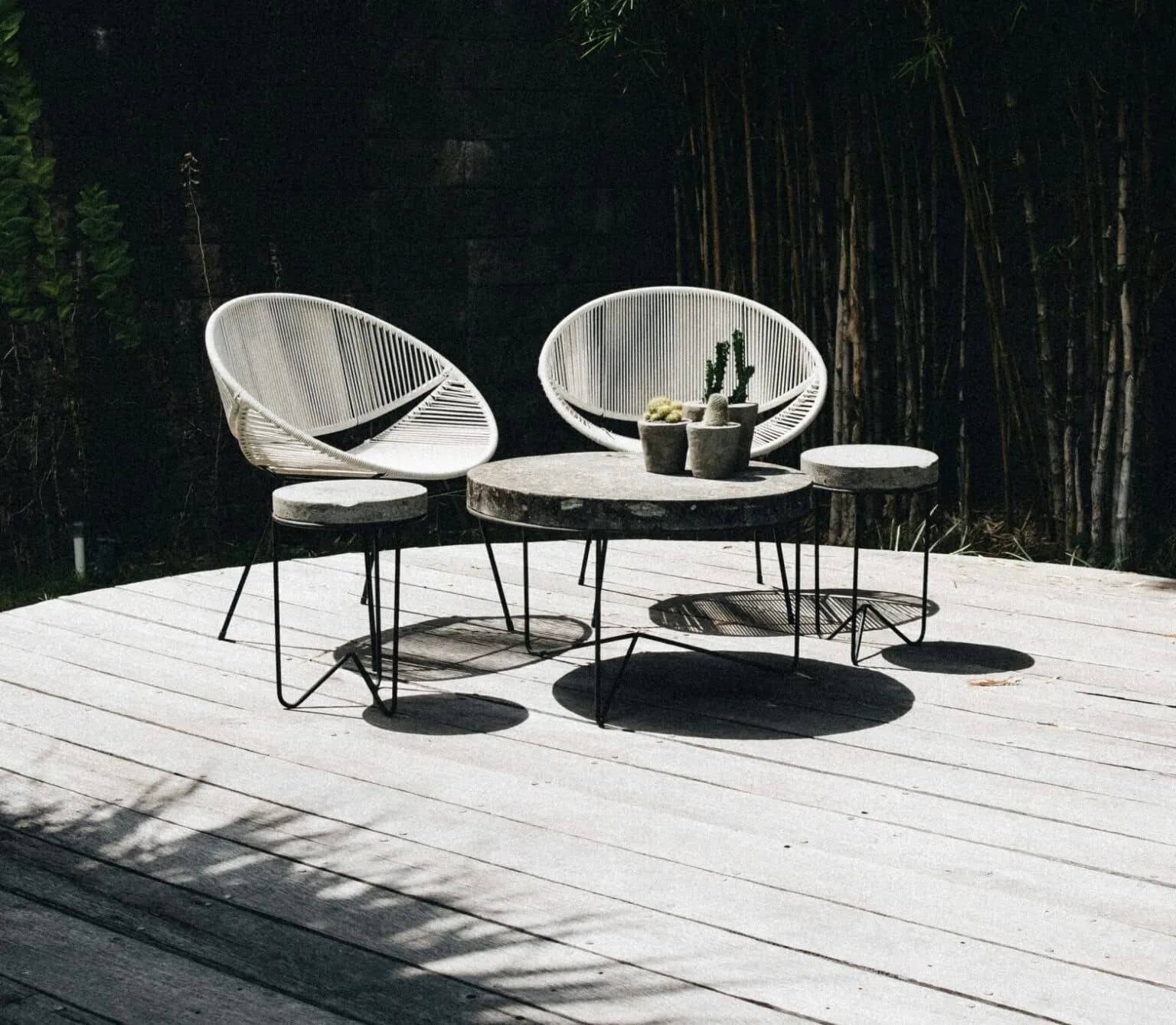
| Concrete benchtops and furniture | Food-safe penetrating sealer or a thin film | Lemon, wine and oil are the daily test |
Indoors, the choice is almost always penetrating. Outdoors it is usually a film, and the finish decides how much grip additive goes in.
How often to reseal
A rough guide for the South West climate, where sun and salt air do most of the damage:
- Indoor polished and burnished floors: reapply the stain guard when water stops beading, typically every few years in a home and sooner in a shop. The floor itself is not redone.
- Honed and liquid limestone outdoors: every two to four years, sooner on a pool surround that is hosed daily.
- Exposed aggregate and plain driveways: every two to three years on a drive used every day; longer on a path.
- Benchtops: when stains start to take or water stops beading, often yearly in a busy kitchen.
Cars, full sun, shade that holds moisture and the amount of hosing all shorten the interval. A north-facing drive wears faster than a shaded side path.
Signs it is time
- Water soaks in and darkens the concrete instead of beading on top.
- The colour has gone flat or dull, especially on exposed aggregate and liquid limestone.
- Dirt is harder to hose off and stains start to stick.
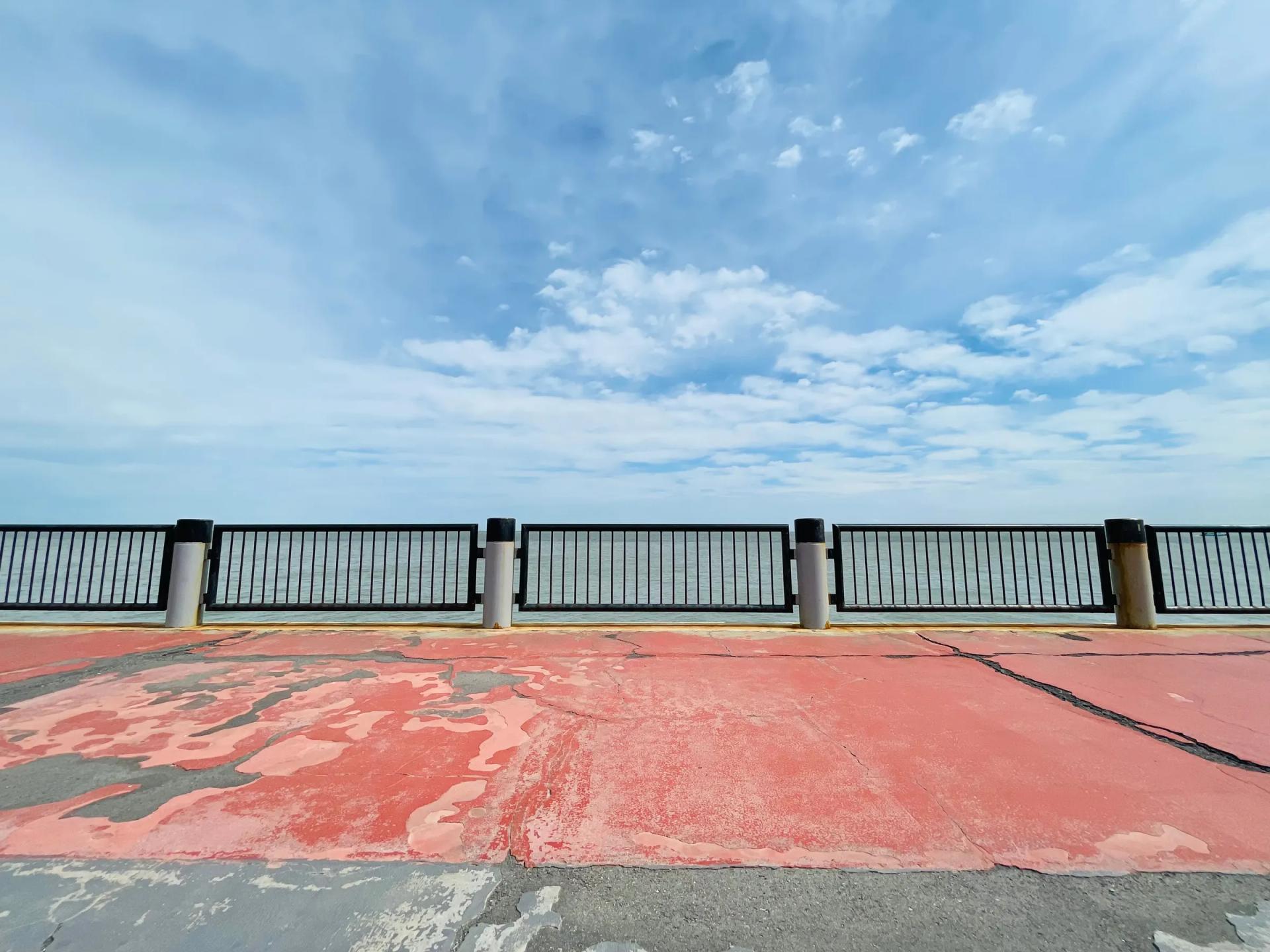
- A film sealer is flaking, peeling or has white cloudy patches.
- Moss or mould is getting a hold in shaded corners.
The first two are the useful ones, because they show up before the concrete is damaged. Peeling and cloudiness mean the old coat has to be stripped first, which costs more.
Resealing a surface we did not pour
Most of the sealing we do is on our own jobs, but a sound slab that someone else poured can usually be cleaned and resealed. We need to know, or test, what is on it now: a penetrating sealer can go over most things, but a film has to go over a compatible film or over bare concrete. Send a photo of the surface, where it is and how it is used, and we will tell you what it needs.
Where we work: Bunbury and the South West of Western Australia.
Common questions
- What is the best sealer for polished concrete?
- A penetrating sealer or a thin stain-guard made for polished floors. It protects against spills without sitting on top as a film, so the floor keeps its sheen and does not peel. Thick acrylic coatings are for outdoor and plain slabs, not polished floors.
- How often should a concrete driveway be resealed?
- Every few years for most driveways, sooner if it carries cars every day, sits in full sun or is hosed often. The surface tells you: when water soaks in instead of beading and the colour looks dull, it is time.
- Can I reseal concrete myself?
- On a plain slab, yes, if the old sealer is sound and the surface is clean and dry. On honed, exposed aggregate or liquid limestone the sealer has to match what is already there, and on polished concrete the wrong product dulls the floor. Ask before you buy a tin.
Related services
 Service
Polished concrete
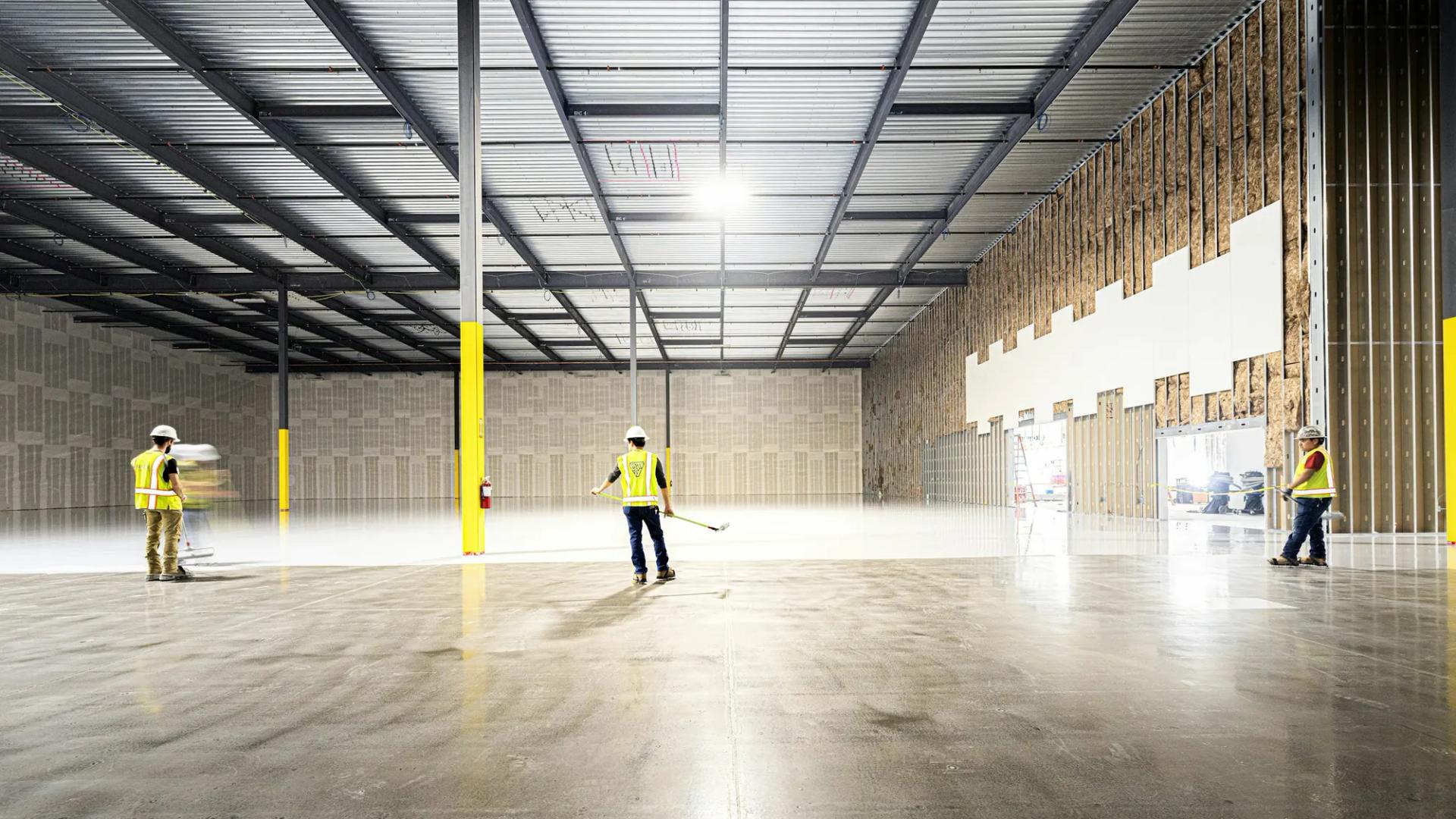 Service
Burnished concrete
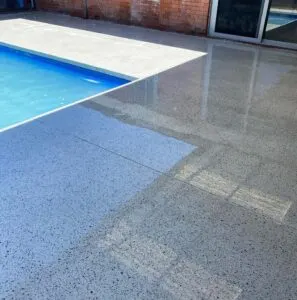 Service
Honed concrete
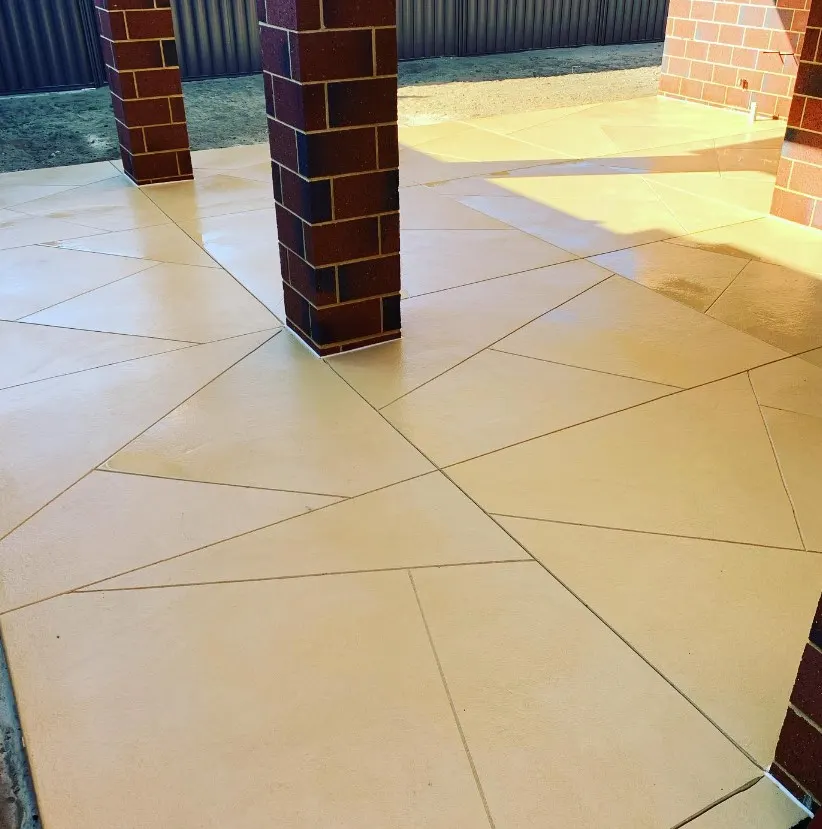 Service
Liquid limestone
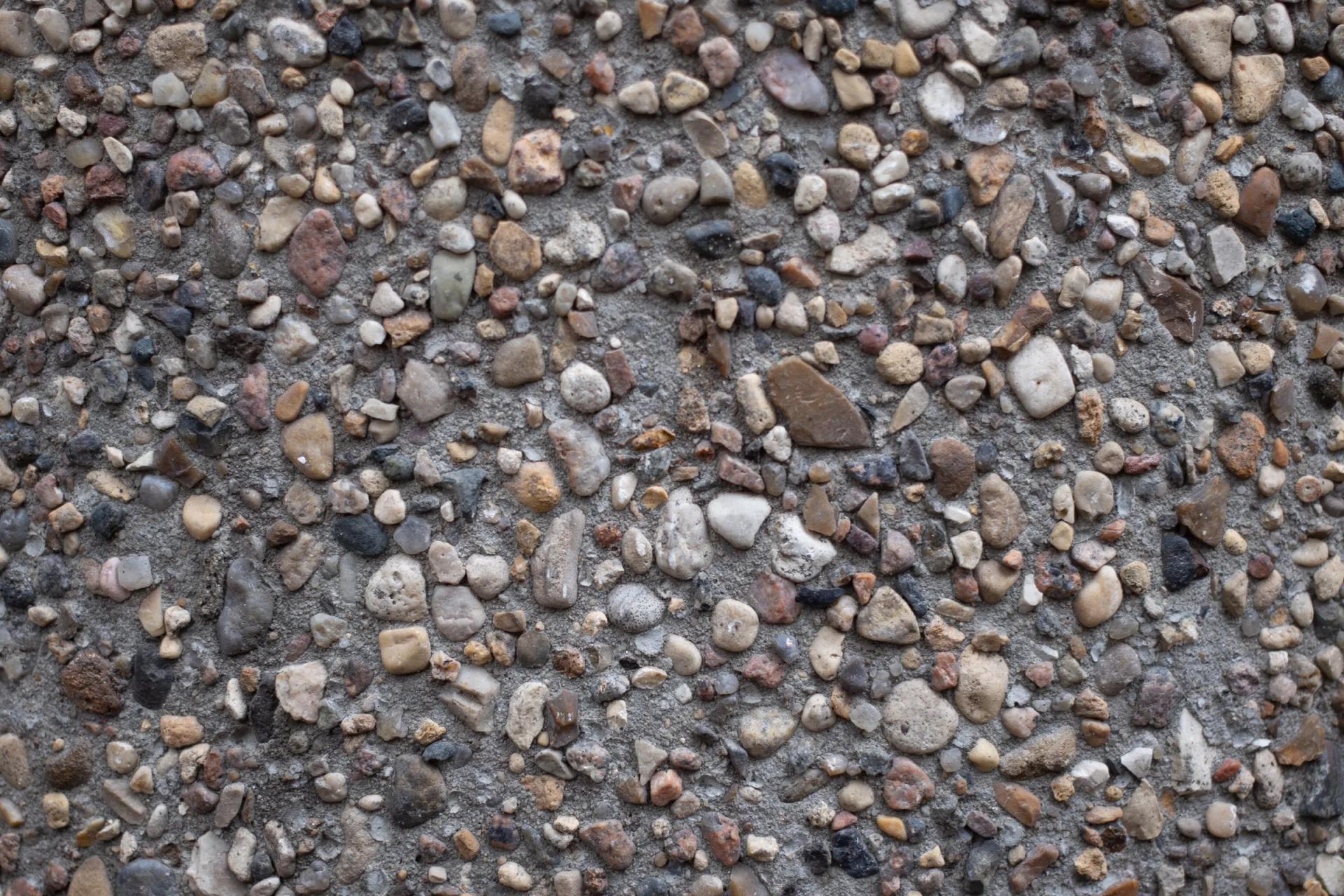 Service
Exposed aggregate
 Service
Concrete driveways and paths
 Service
Concrete patios
 Service
Concrete furniture
 Service
House and shed foundations
More guides
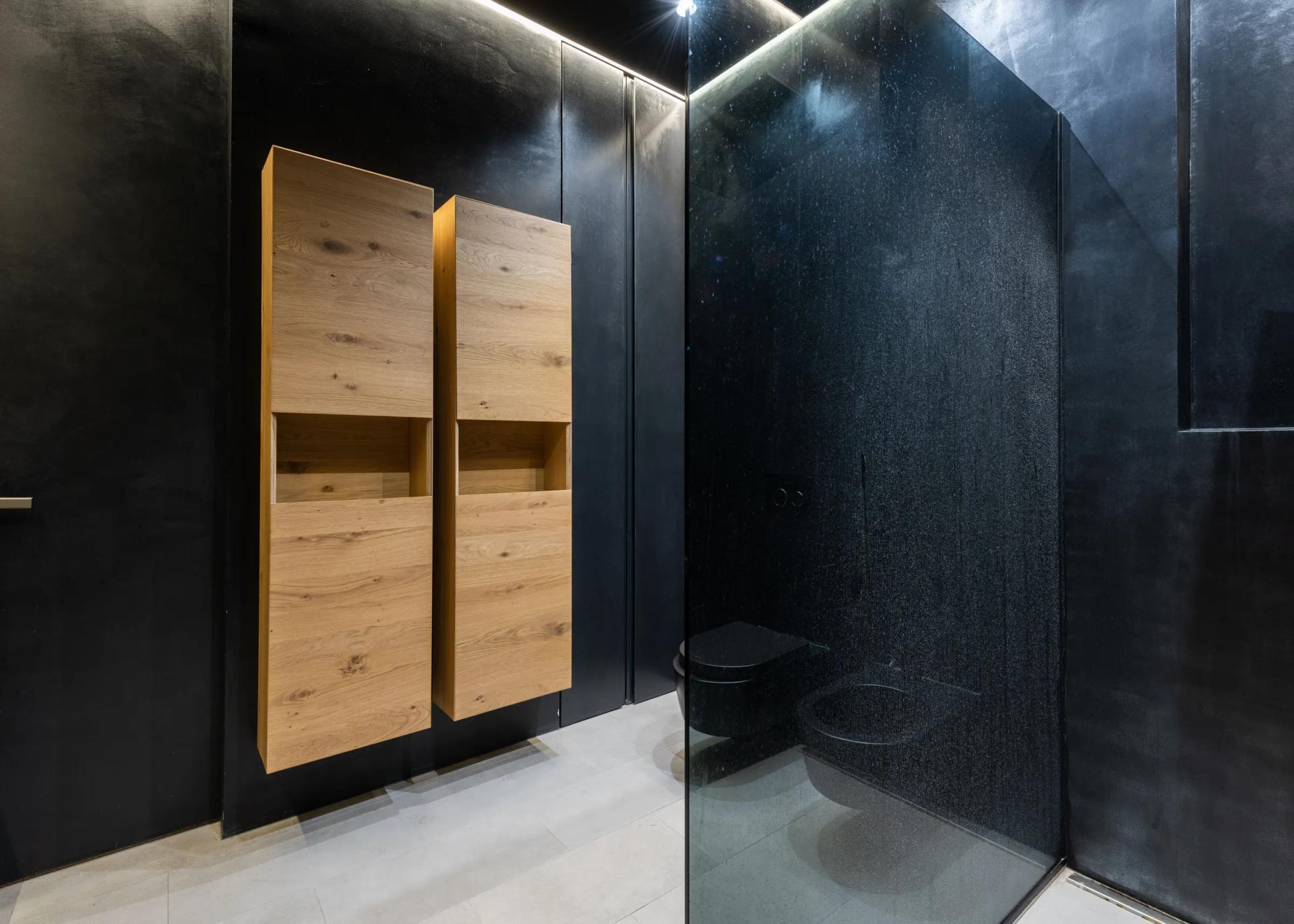 Guide
Polished concrete bathroom floors: waterproofing, falls, grip and walls
Polished concrete bathroom floors in WA: where the waterproofing sits, falls to the waste, grip in the shower, sealer for a wet room, walls and hobs.
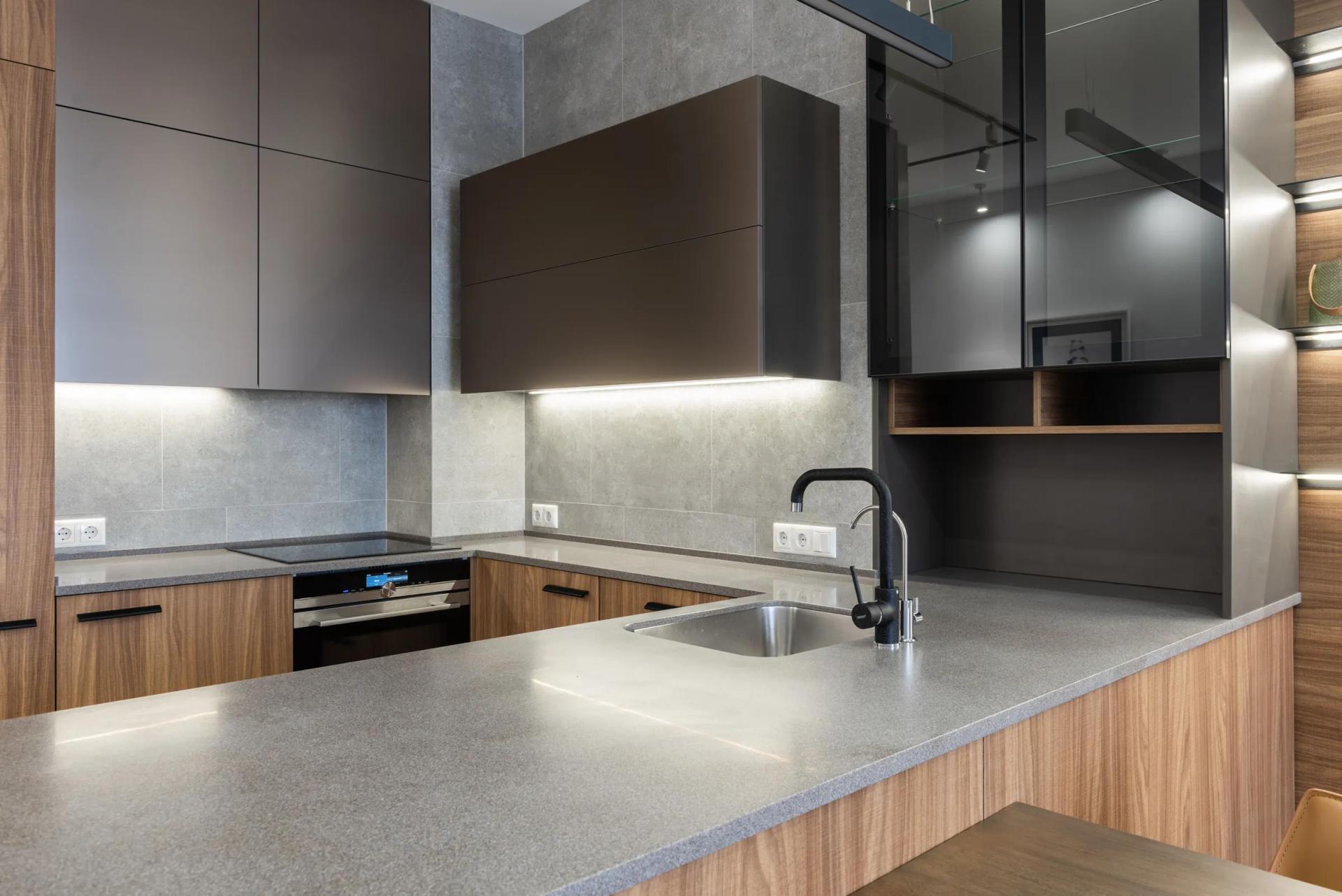 Guide
Polished concrete kitchen floors: stains, chips, warmth and the benchtop
Polished concrete kitchen floors in WA: oil, wine and lemon stains, dropped plates, warmth and hydronic heating, colour, the benchtop and open plan.
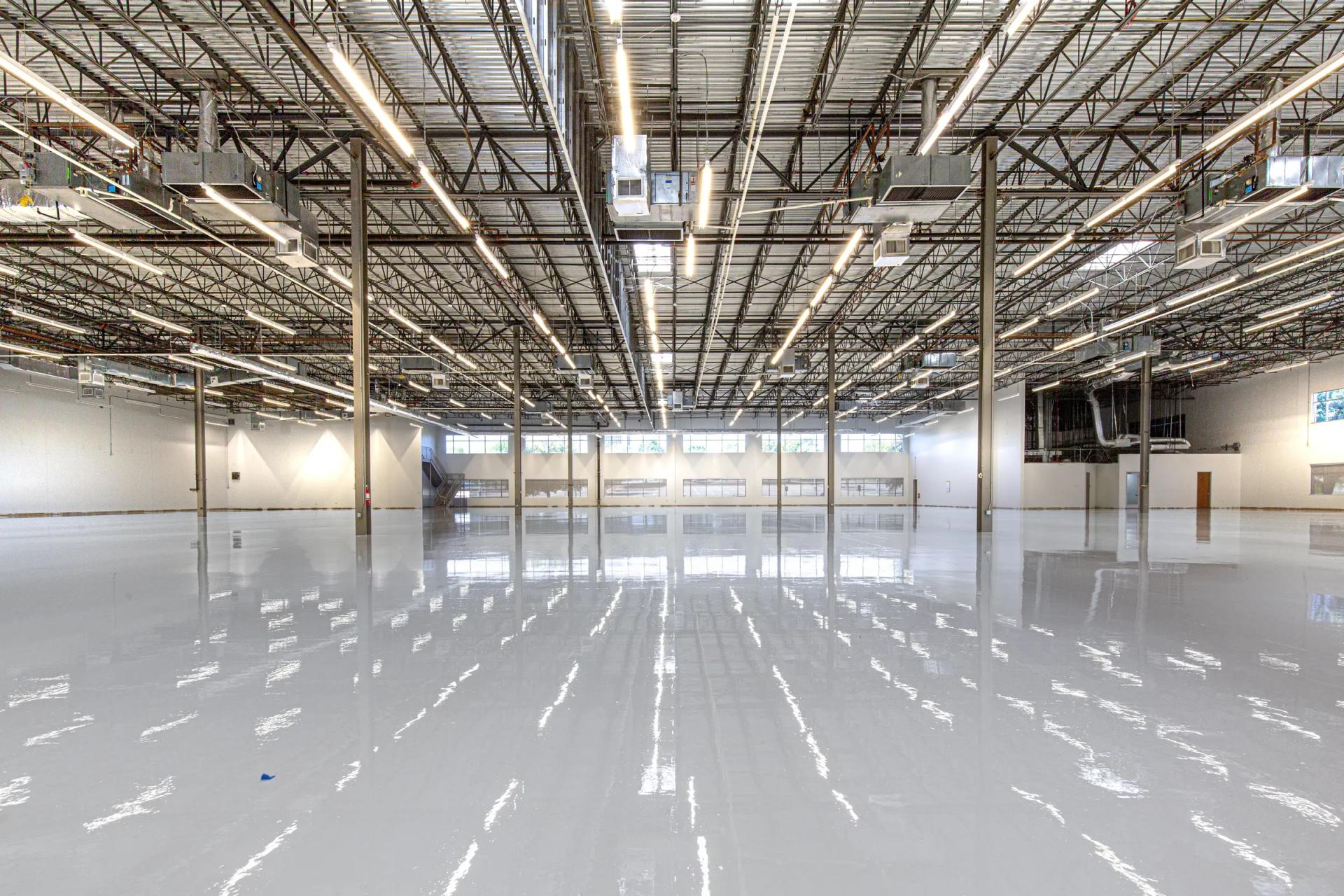 Guide
Polished concrete finish levels: aggregate exposure, sheen and grind and seal
Cream, salt and pepper or full exposure; matte, satin or high gloss; grind and seal or mechanically polished. Polished concrete finish levels explained.
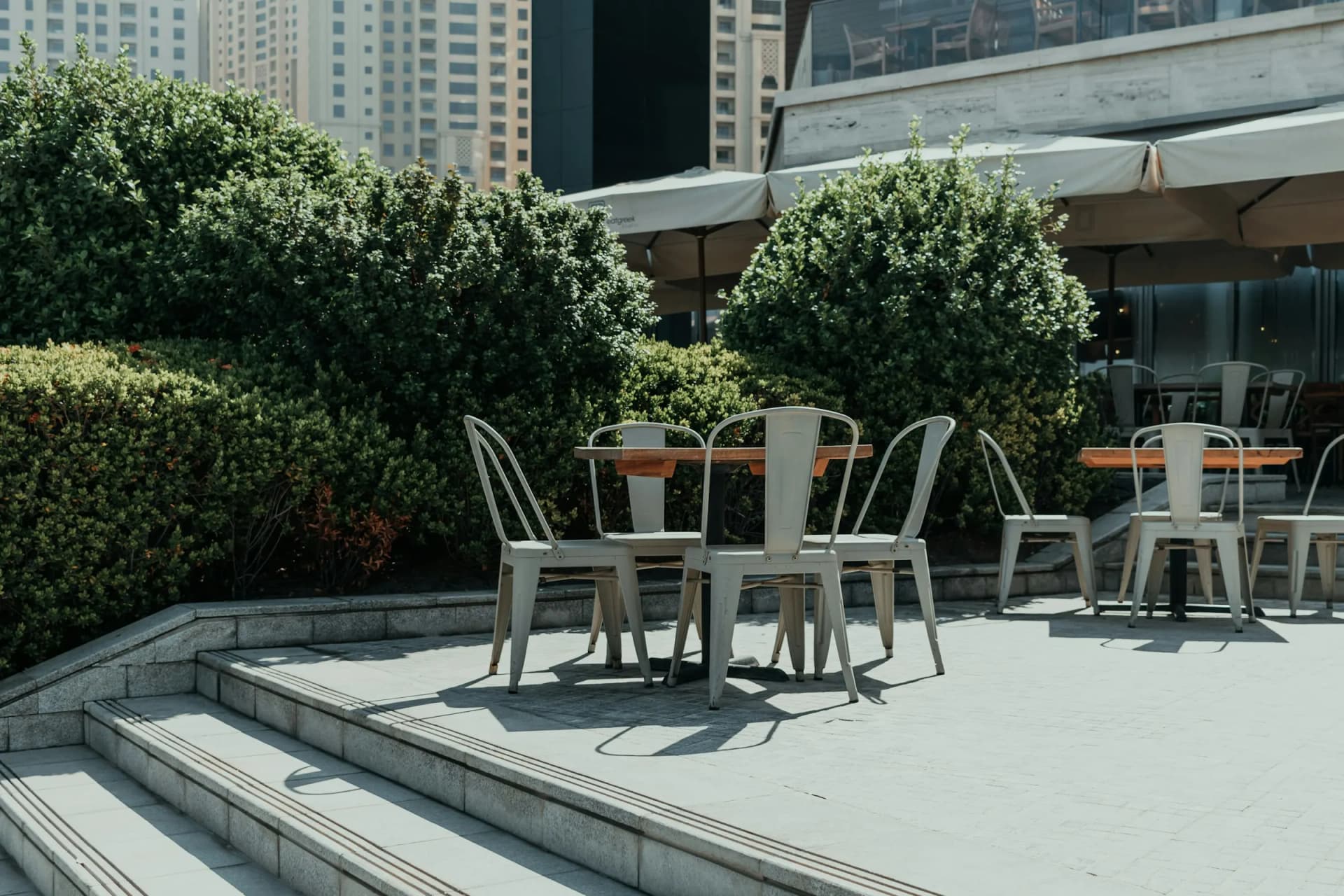 Guide
Types of concrete finishes for patios, and how to pick one
Six concrete finishes for a patio compared: plain, honed, liquid limestone, exposed aggregate, coloured and stamped. Grip, heat, glare, upkeep and cost in WA.
 Guide
Outdoor polished concrete: alfresco, patio and the indoor-outdoor floor
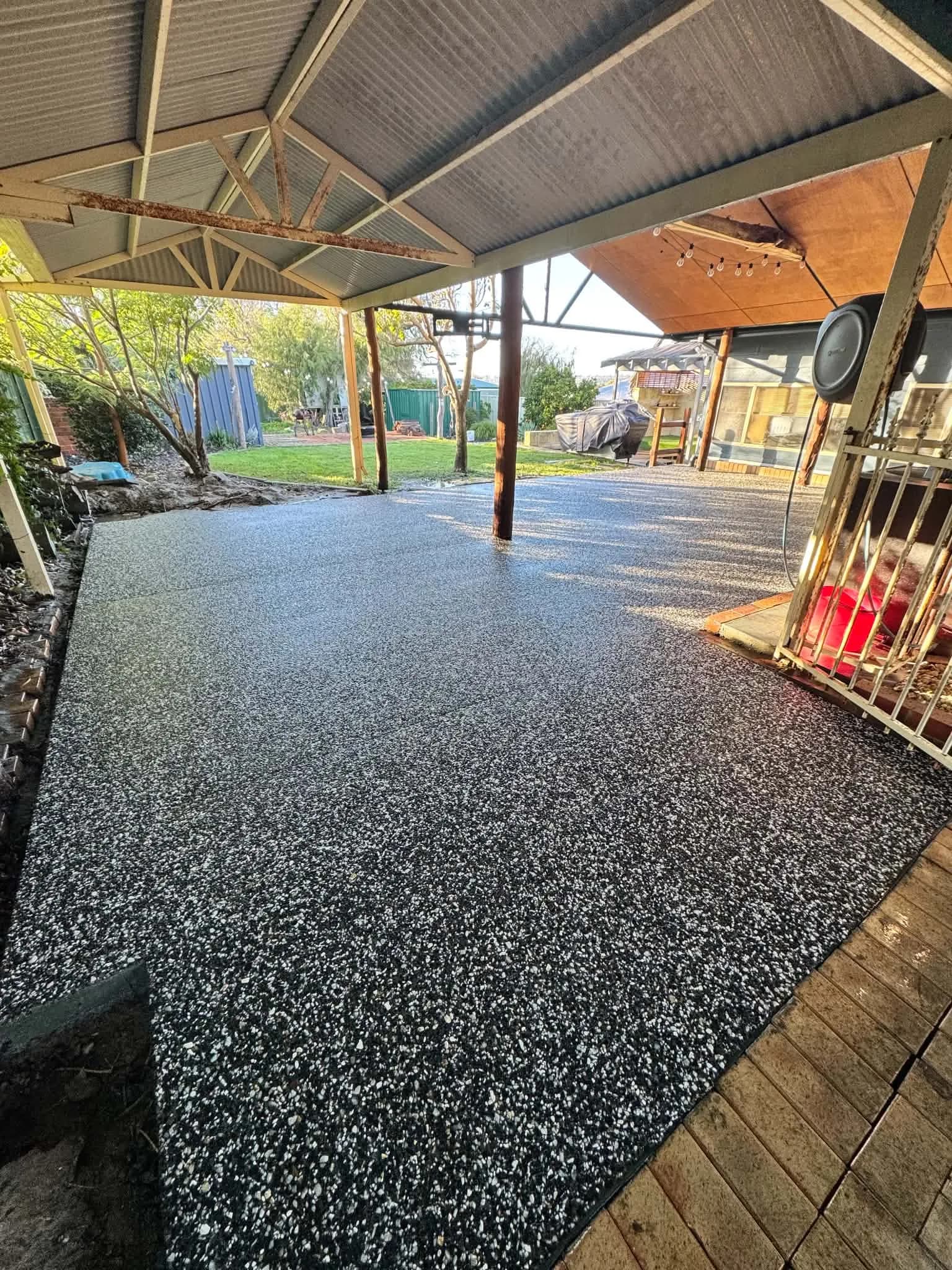
Outdoor polished concrete usually means honed. Glare, heat, grip, sealers and how to run one finish from the living room to the alfresco, patio and pool in WA.
 Guide
Polished concrete garage floors: what to know before you decide
Is a polished concrete garage floor a good idea? Tyre marks, oil, sheen, new slab versus old, and when burnished or sealed suits a garage or shed better in WA.
 Guide
Polished concrete vs epoxy: which floor for a workshop, warehouse or shop
Polished concrete vs epoxy for a workshop, warehouse, shop or garage: wear, peeling, chemical resistance, downtime, upkeep and where grind and seal fits in.
 Guide
Polished concrete vs tiles: which floor makes sense
Is polished concrete cheaper than tiles? Often, on a new slab. How cost, grout, wet areas, comfort and resale compare, and why you can't polish over tiles.
 Guide
Exposed aggregate vs honed and polished concrete
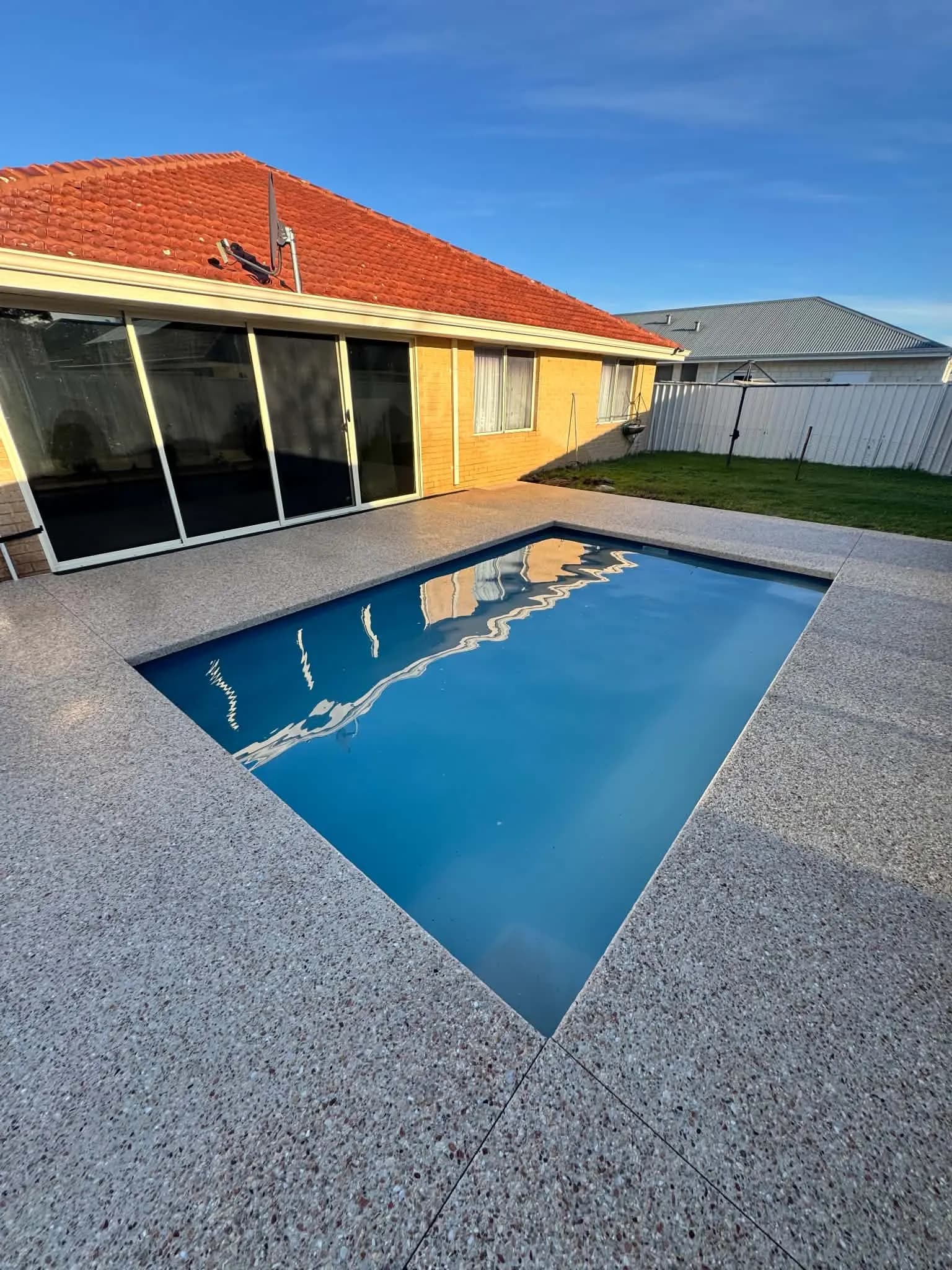
Exposed aggregate, honed or polished aggregate: how each is made, how they differ on grip, cleaning and look, and which suits a driveway, pool or floor in WA.
 Guide
How to clean polished concrete floors
Everyday cleaning, what never to use, stains, and when a polished, honed or burnished floor needs resealing. Plain maintenance advice from Bunbury, WA.
 Guide
Polished concrete colours: what decides the final look
White, grey, black or aggregate? Where polished concrete colour comes from (cement, stone, oxides, sheen) and what you can choose on a new or existing slab.
 Guide
Polished concrete on an existing slab: can it be done?
Can an old slab be polished? What we check, what the slab decides for you, when an overlay or topping is the answer, and why a new slab is planned differently.
 Guide
Concrete pool surround finishes: honed or liquid limestone?
Honed concrete or liquid limestone for a pool surround? How the finishes differ on grip, heat, glare and upkeep, and how to choose in WA.
 Guide
Is polished concrete slippery?
Is polished concrete slippery when wet? What decides grip, where a lower sheen suits better, and what to ask before you choose a finish.
 Guide
Concrete benchtops and furniture: what to plan first
Thinking about a polished concrete benchtop or custom concrete furniture? What it is, how it is made, and what to plan before you order in WA.
 Guide
Polished concrete cost: what decides the price
What drives the cost of polished concrete floors: slab condition, area, level of finish and access. How to get an accurate quote in Bunbury and WA.