
Polished concrete vs epoxy: which floor for a workshop, warehouse or shop
When a workshop, warehouse or shop in Bunbury or the South West needs a floor, the shortlist is usually epoxy or polished concrete. They solve the same problem from opposite directions: epoxy covers the slab, polishing turns the slab into the floor. Which one is right depends on what lands on it.
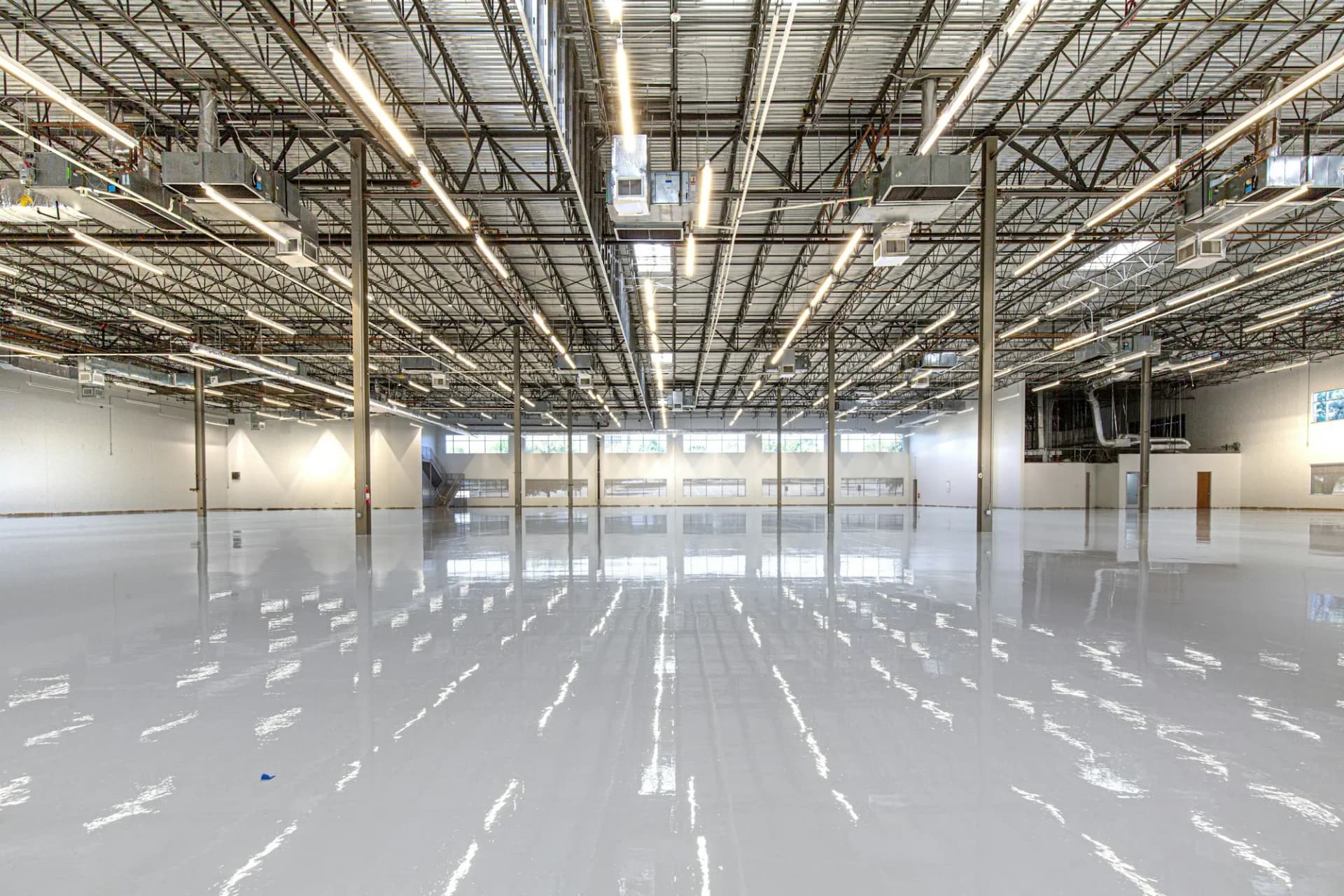
Coating versus finish
Epoxy is a resin coating, usually a few millimetres thick, rolled or trowelled over a prepared slab. It bonds to the surface and gives a sealed, coloured film. Its weaknesses are the film itself: it can scratch, lift under hot tyres, peel where moisture pushes up through the slab, and it goes dull and needs recoating.
Mechanically polished concrete is the slab, ground with diamond abrasives, hardened with a densifier and finished with a penetrating sealer. There is no layer to lift. Wear shows as a gradual loss of sheen over many years, which is brought back with a maintenance pass. See polished concrete.
Burnished concrete sits between the two on cost. It is a sealed, machine-buffed slab with a soft sheen, well suited to large sheds and warehouses. See burnished concrete.
Side by side
| Polished concrete | Epoxy coating | |
|---|---|---|
| What it is | The slab, ground and densified | A resin film over the slab |
| Peeling or lifting | Cannot | Can, at hot tyres, moisture or poor prep |
| Chemical spills | Resists most, but acids etch if left | Resists most chemicals, including many acids |
| Forklift and trolley wear | Very good | Good until the film wears through |
| Colour choice | Comes from the slab and aggregate | Any colour, flake or pattern |
| Light reflection | High, cuts lighting needs | High when new, dulls |
| Downtime to install | Dust-controlled grinding, no cure smell | Cure time and fumes, area closed |
| Upkeep | Dust mop, damp mop, occasional reseal | Recoat every few years |
| Moisture in the slab | Tolerates it | Needs a moisture test first |
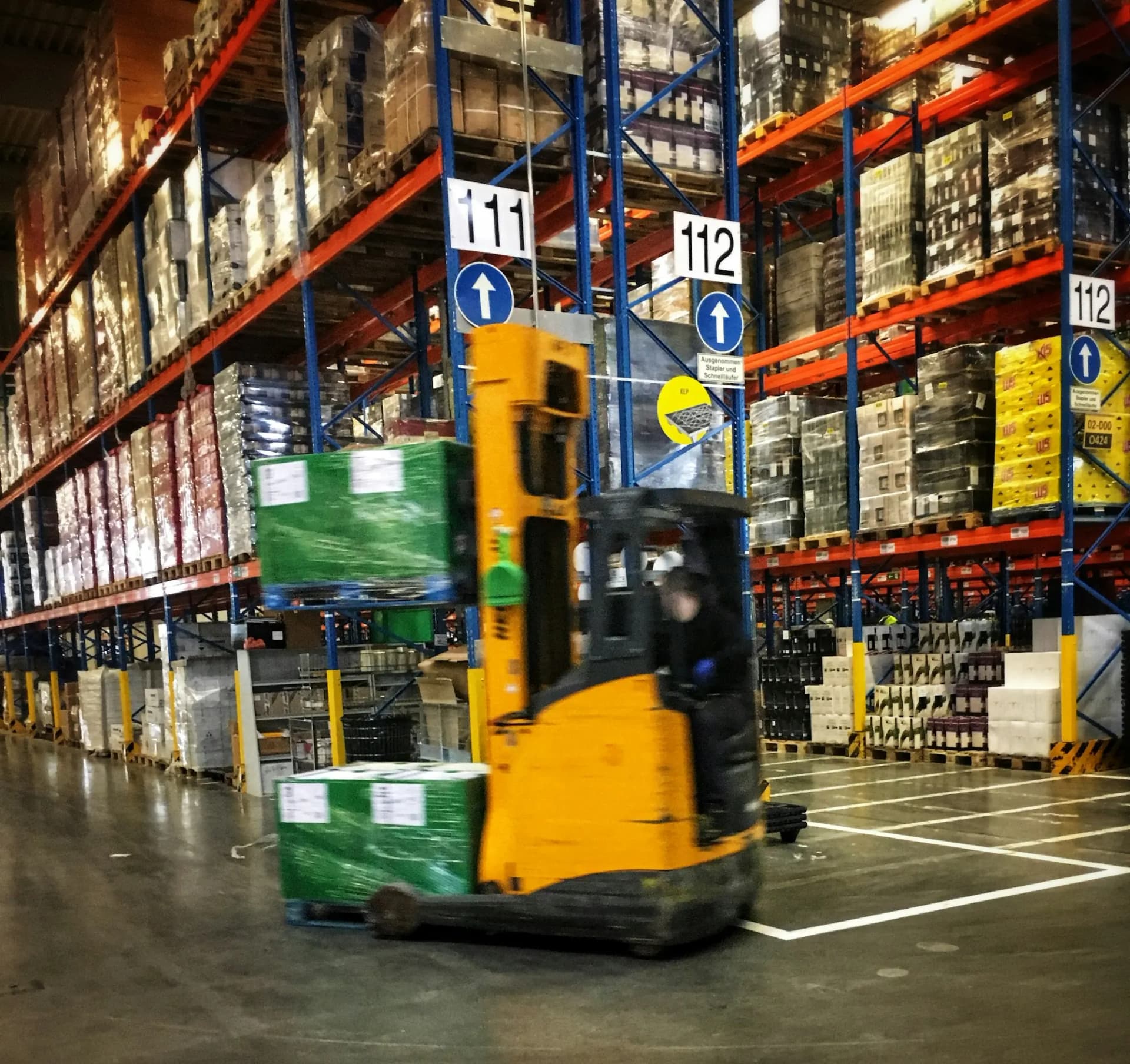
Where epoxy still wins
Be straight about it: some floors want a coating. A commercial kitchen, a food processing area or a lab that needs a coved, fully sealed floor to a hygiene standard. A workshop where battery acid, brake fluid or solvents hit the floor daily. A space that needs a specific safety colour or line marking built into the surface. In those cases a coating does a job polishing does not. We polish and burnish, so if your floor is one of these we will say so rather than talk you into a ground finish.
Where polished concrete wins
Everything else that sees people, trolleys, pallet jacks and forklifts: showrooms, retail, offices, gyms, warehouses, workshops without heavy chemicals, and garages. It costs more than a basic epoxy up front and less over the life of the floor because there is nothing to recoat. It is also the finish most commercial clients choose for the look (see commercial polished concrete), and the one we recommend for most industrial floors outside the chemical cases above.
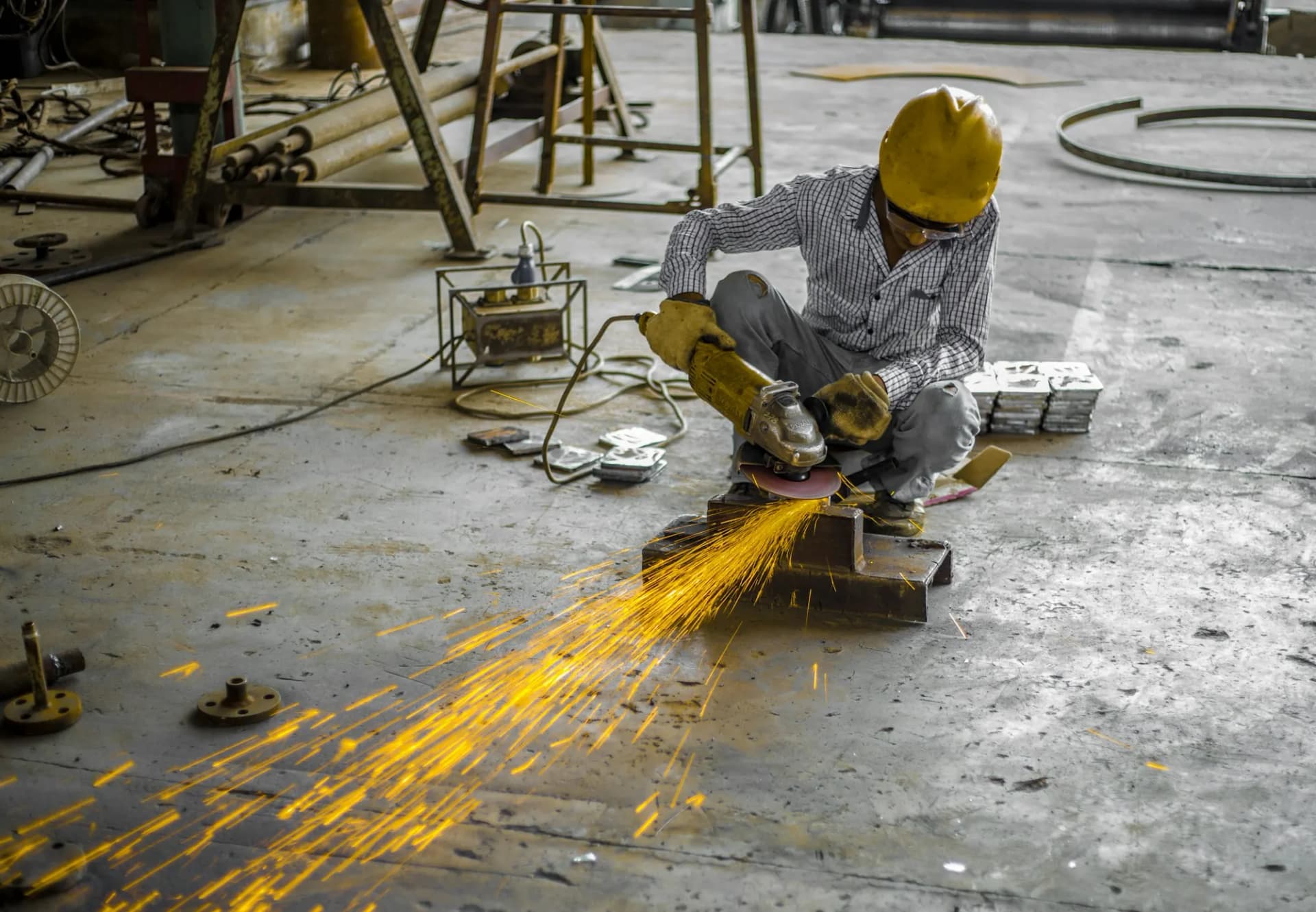
Grind and seal: the middle option
A light grind to flatten and expose the surface, then a topical sealer for sheen and protection. It is faster and cheaper than full polishing and suits a tight budget or a floor with a short expected life before a refit. The catch is the sealer: it is a film, so it scratches and wears like one, and it needs recoating. If the floor is staying for twenty years, full polishing is the better spend. For how the ground finishes compare with each other, see burnished vs polished concrete, with honed alongside.
Replacing a failing epoxy floor
Old epoxy that is peeling comes off by grinding. Once it is off, the slab underneath can usually be polished or burnished, and the problem that lifted the epoxy, often moisture, no longer matters because there is no film for it to push against. Send us photos of the floor and we will tell you what is under it.
Where we work: Bunbury and the South West of Western Australia.
Common questions
- Is polished concrete better than epoxy?
- For most floors that take foot traffic, trolleys and forklifts, yes, because it cannot peel and lasts the life of the slab. Epoxy is better where the floor must resist strong chemicals or needs a specific colour or a seamless coved finish for hygiene.
- Can you put epoxy over polished concrete?
- Not without grinding the polish off first. Epoxy needs an open, rough surface to bond to, and a densified, sealed polished floor is the opposite. It can be done, but you are paying to remove a finish.
- What is grind and seal, and how is it different?
- Grind and seal is a light grind followed by a topical sealer. It is quicker and cheaper than full mechanical polishing, but the sealer is a film that wears and needs recoating. Polished concrete is densified and the sheen is in the concrete itself.
Related services
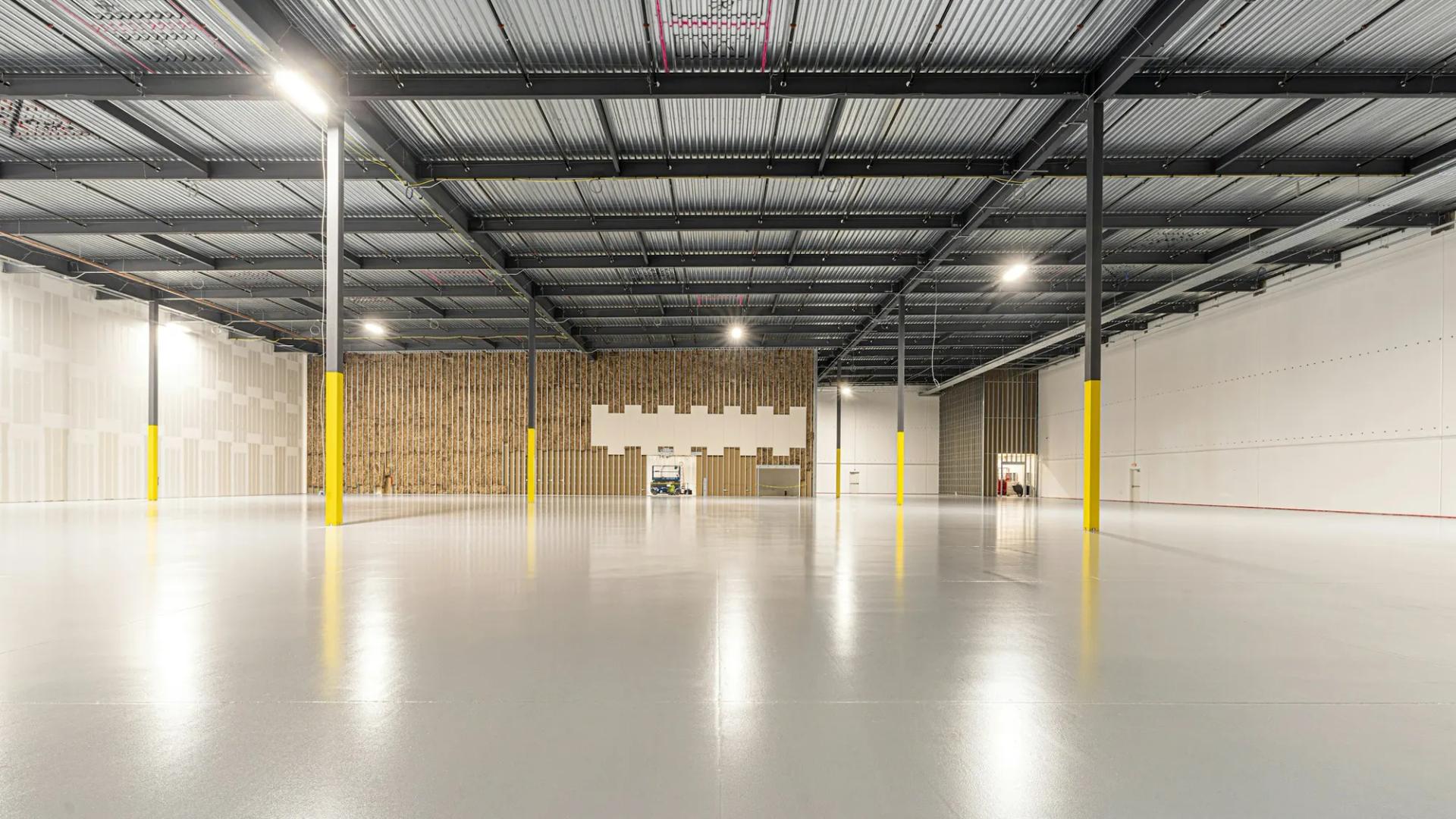 Service
Polished concrete
 Service
Burnished concrete
 Who we work for
Commercial
 Who we work for
Industrial and mine sites
More guides
 Guide
Polished concrete bathroom floors: waterproofing, falls, grip and walls
Polished concrete bathroom floors in WA: where the waterproofing sits, falls to the waste, grip in the shower, sealer for a wet room, walls and hobs.
 Guide
Polished concrete kitchen floors: stains, chips, warmth and the benchtop
Polished concrete kitchen floors in WA: oil, wine and lemon stains, dropped plates, warmth and hydronic heating, colour, the benchtop and open plan.
 Guide
Concrete sealers explained: penetrating vs acrylic, and how often to reseal
Penetrating vs acrylic concrete sealers: which suits polished, honed, burnished, liquid limestone and exposed aggregate, how often to reseal and the signs.
 Guide
Polished concrete finish levels: aggregate exposure, sheen and grind and seal
Cream, salt and pepper or full exposure; matte, satin or high gloss; grind and seal or mechanically polished. Polished concrete finish levels explained.
 Guide
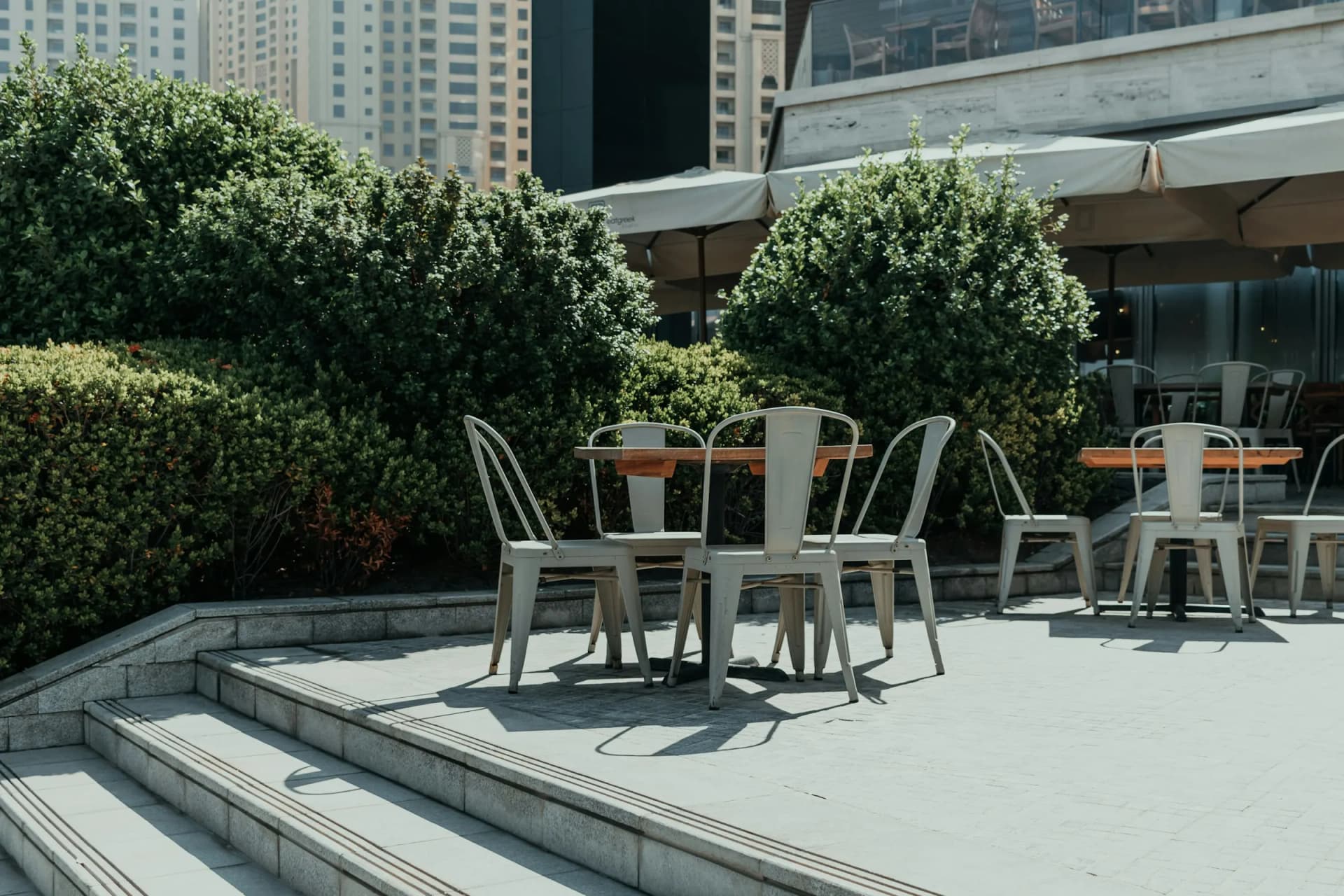
Types of concrete finishes for patios, and how to pick one
Six concrete finishes for a patio compared: plain, honed, liquid limestone, exposed aggregate, coloured and stamped. Grip, heat, glare, upkeep and cost in WA.
 Guide
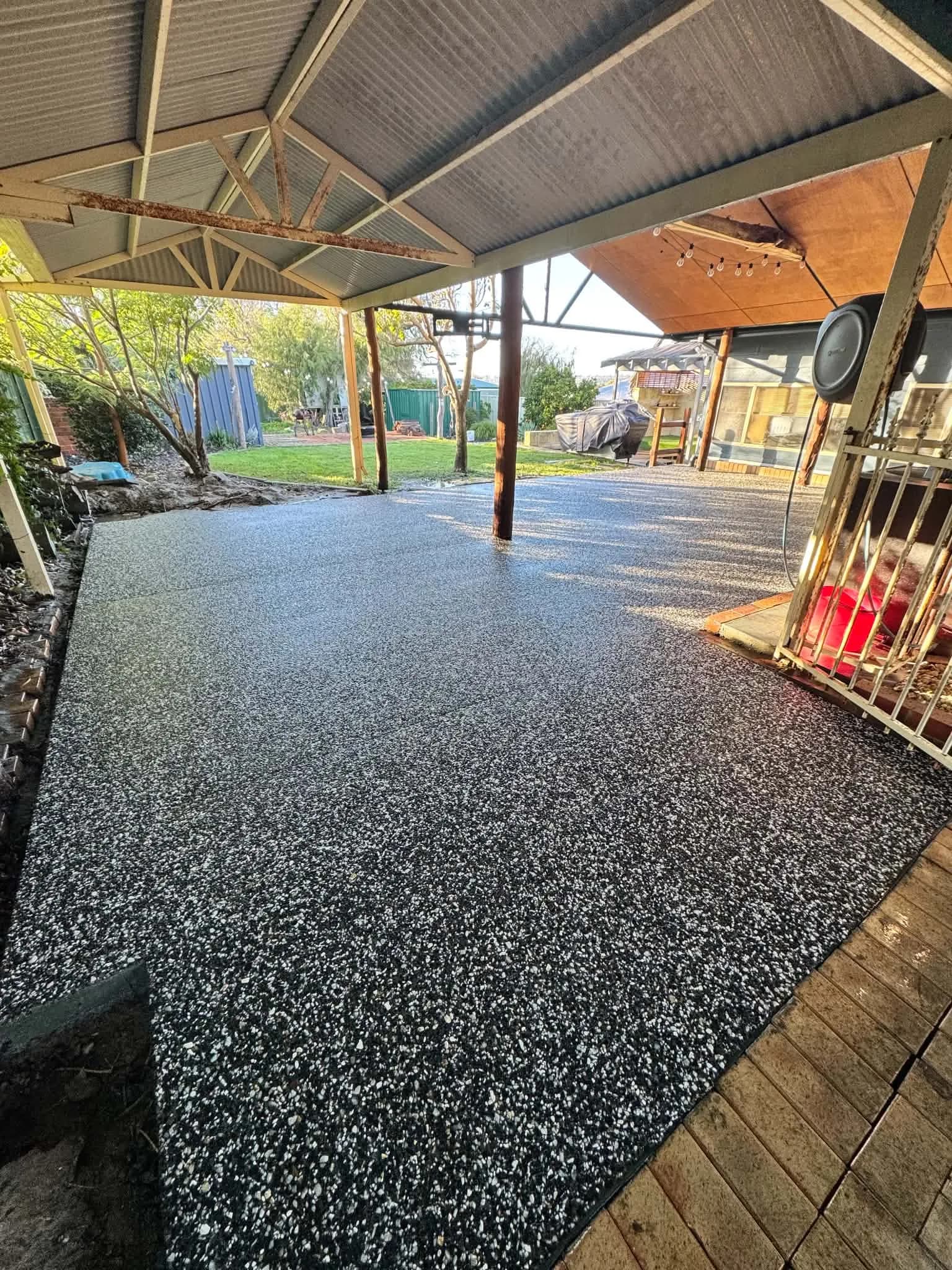
Outdoor polished concrete: alfresco, patio and the indoor-outdoor floor
Outdoor polished concrete usually means honed. Glare, heat, grip, sealers and how to run one finish from the living room to the alfresco, patio and pool in WA.
 Guide
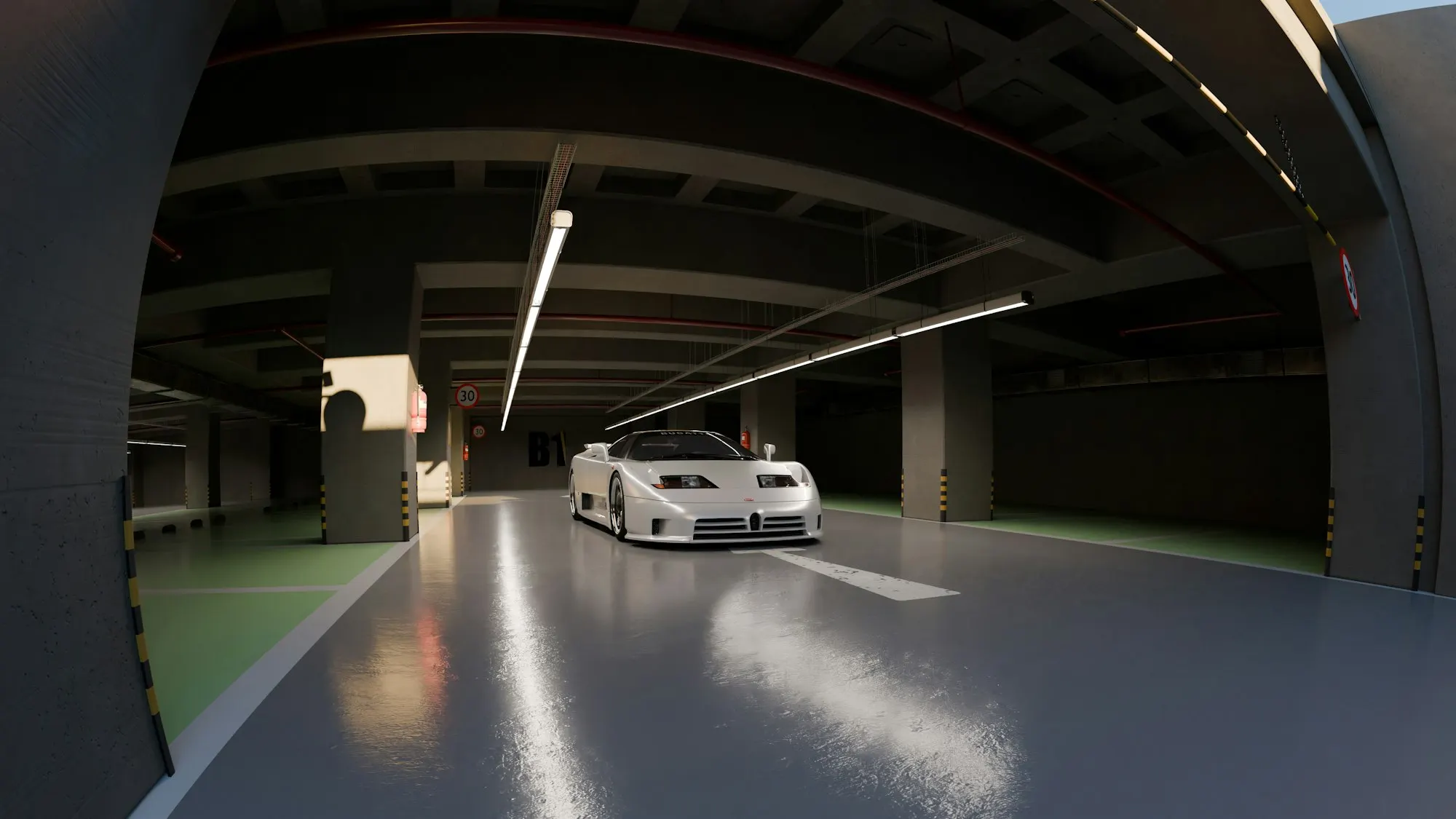
Polished concrete garage floors: what to know before you decide
Is a polished concrete garage floor a good idea? Tyre marks, oil, sheen, new slab versus old, and when burnished or sealed suits a garage or shed better in WA.
 Guide
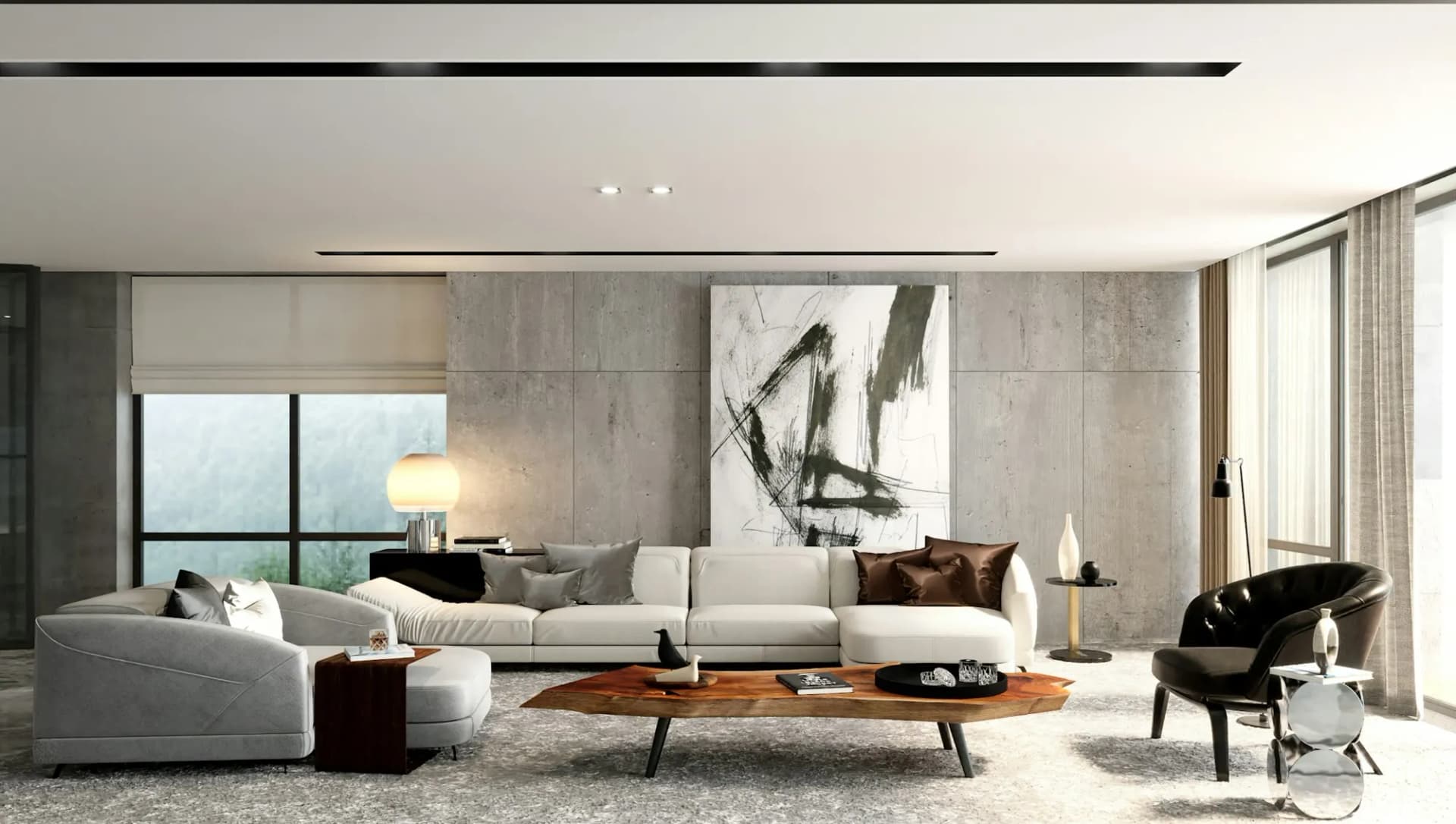
Polished concrete vs tiles: which floor makes sense
Is polished concrete cheaper than tiles? Often, on a new slab. How cost, grout, wet areas, comfort and resale compare, and why you can't polish over tiles.
 Guide
Exposed aggregate vs honed and polished concrete
Exposed aggregate, honed or polished aggregate: how each is made, how they differ on grip, cleaning and look, and which suits a driveway, pool or floor in WA.
 Guide
How to clean polished concrete floors
Everyday cleaning, what never to use, stains, and when a polished, honed or burnished floor needs resealing. Plain maintenance advice from Bunbury, WA.
 Guide
Polished concrete colours: what decides the final look
White, grey, black or aggregate? Where polished concrete colour comes from (cement, stone, oxides, sheen) and what you can choose on a new or existing slab.
 Guide
Polished concrete on an existing slab: can it be done?
Can an old slab be polished? What we check, what the slab decides for you, when an overlay or topping is the answer, and why a new slab is planned differently.
 Guide
Concrete pool surround finishes: honed or liquid limestone?
Honed concrete or liquid limestone for a pool surround? How the finishes differ on grip, heat, glare and upkeep, and how to choose in WA.
 Guide
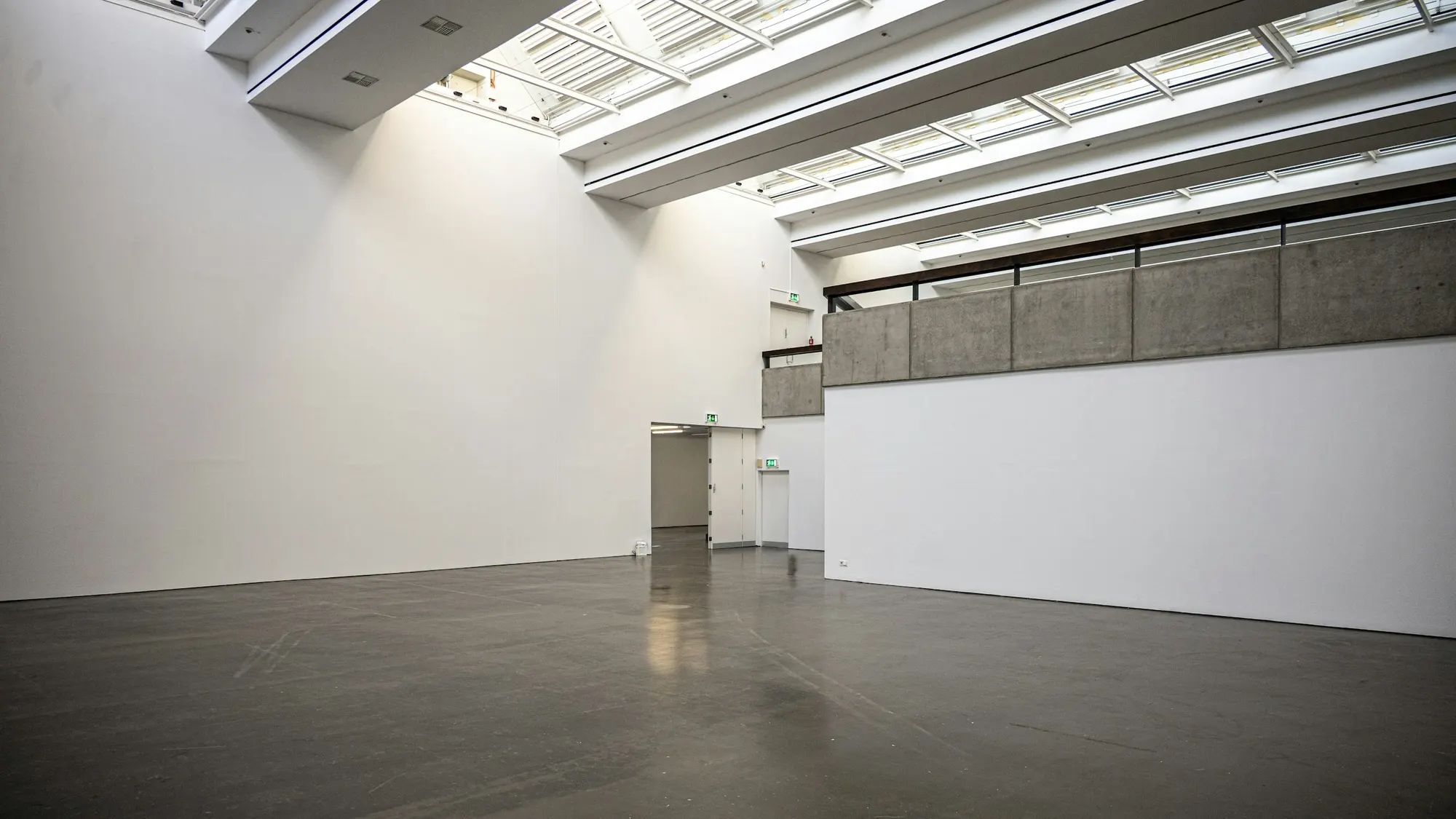
Is polished concrete slippery?
Is polished concrete slippery when wet? What decides grip, where a lower sheen suits better, and what to ask before you choose a finish.
 Guide
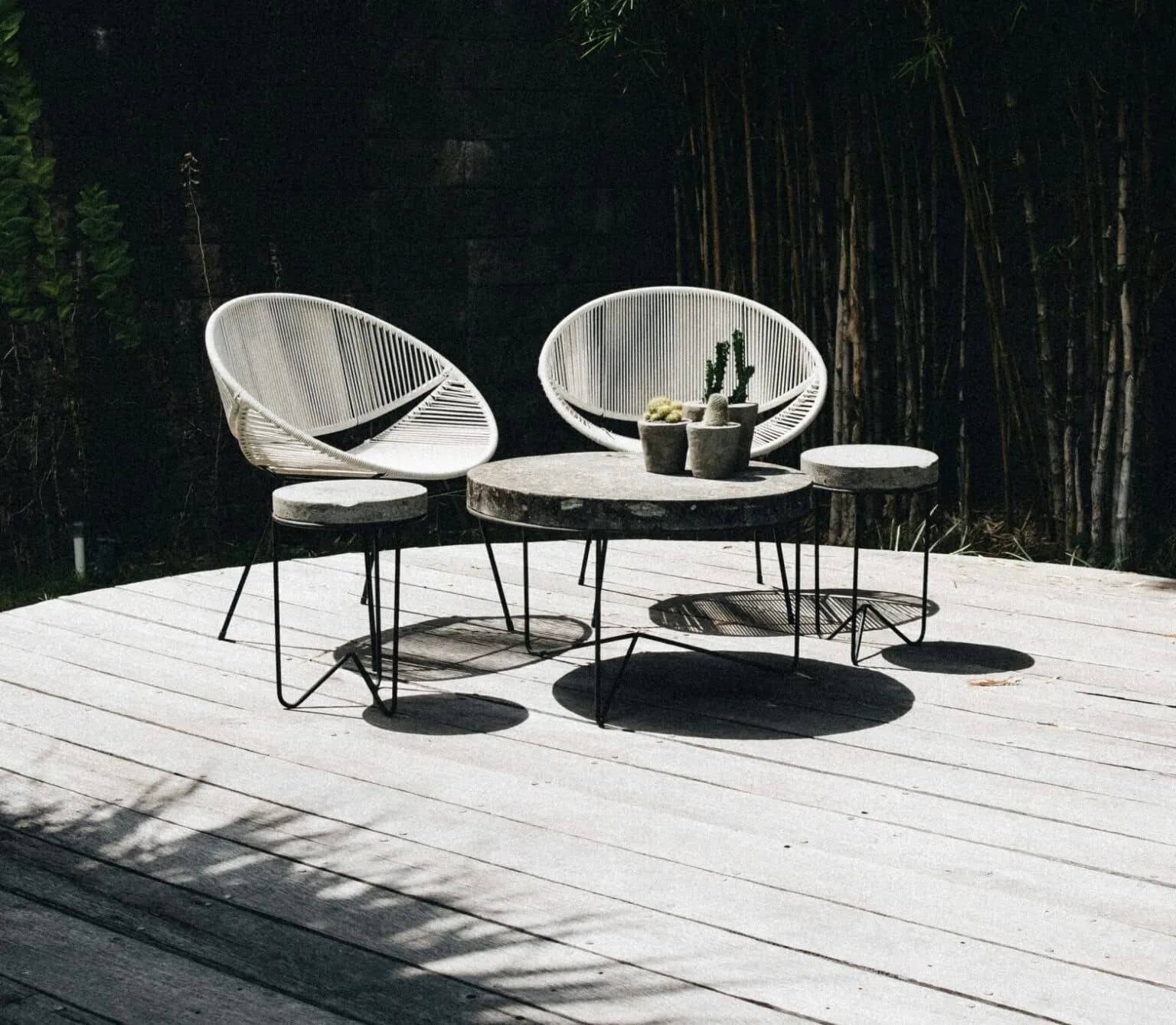
Concrete benchtops and furniture: what to plan first
Thinking about a polished concrete benchtop or custom concrete furniture? What it is, how it is made, and what to plan before you order in WA.
 Guide
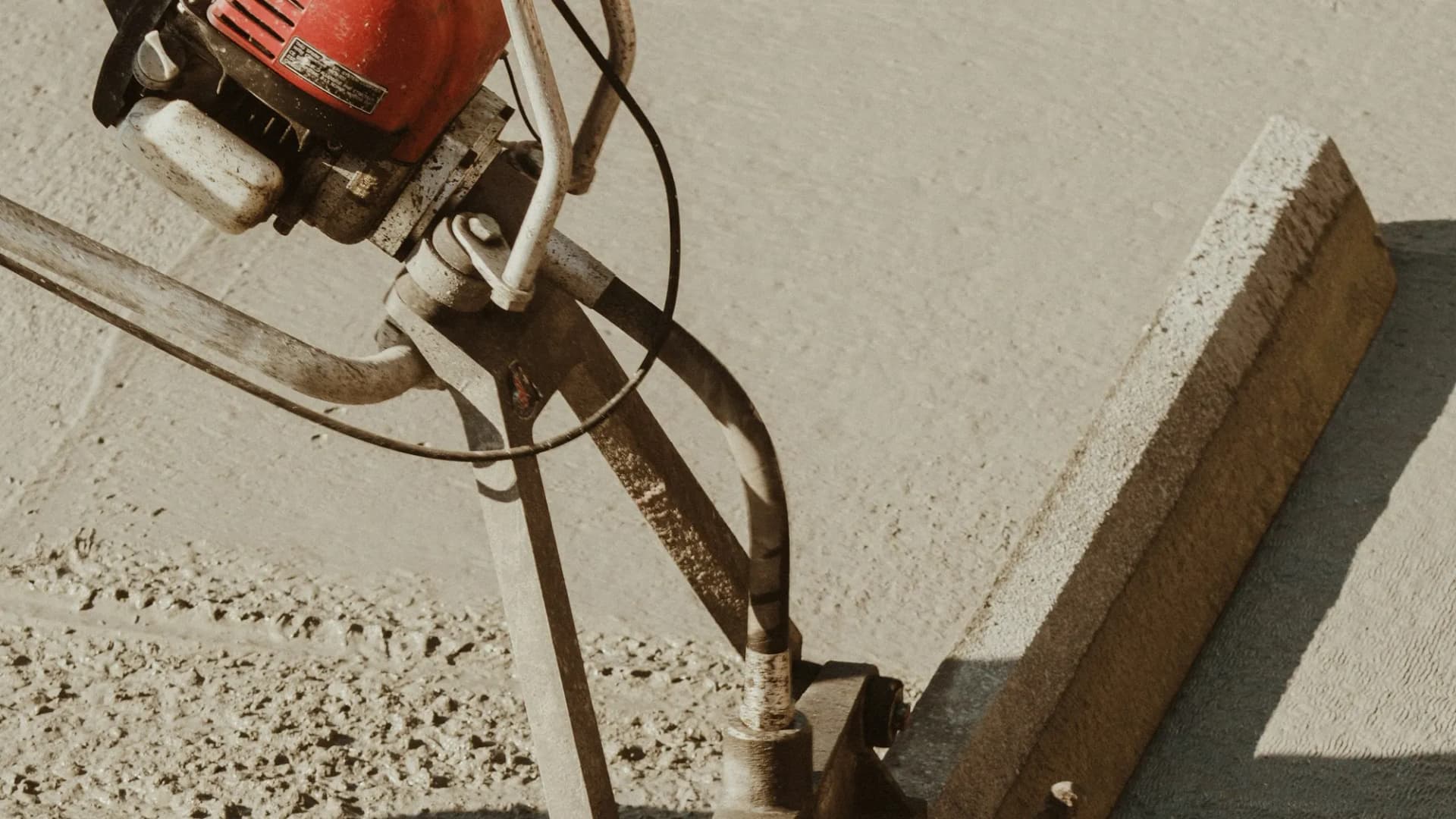
Polished concrete cost: what decides the price
What drives the cost of polished concrete floors: slab condition, area, level of finish and access. How to get an accurate quote in Bunbury and WA.