
Exposed aggregate concrete in Bunbury and the South West
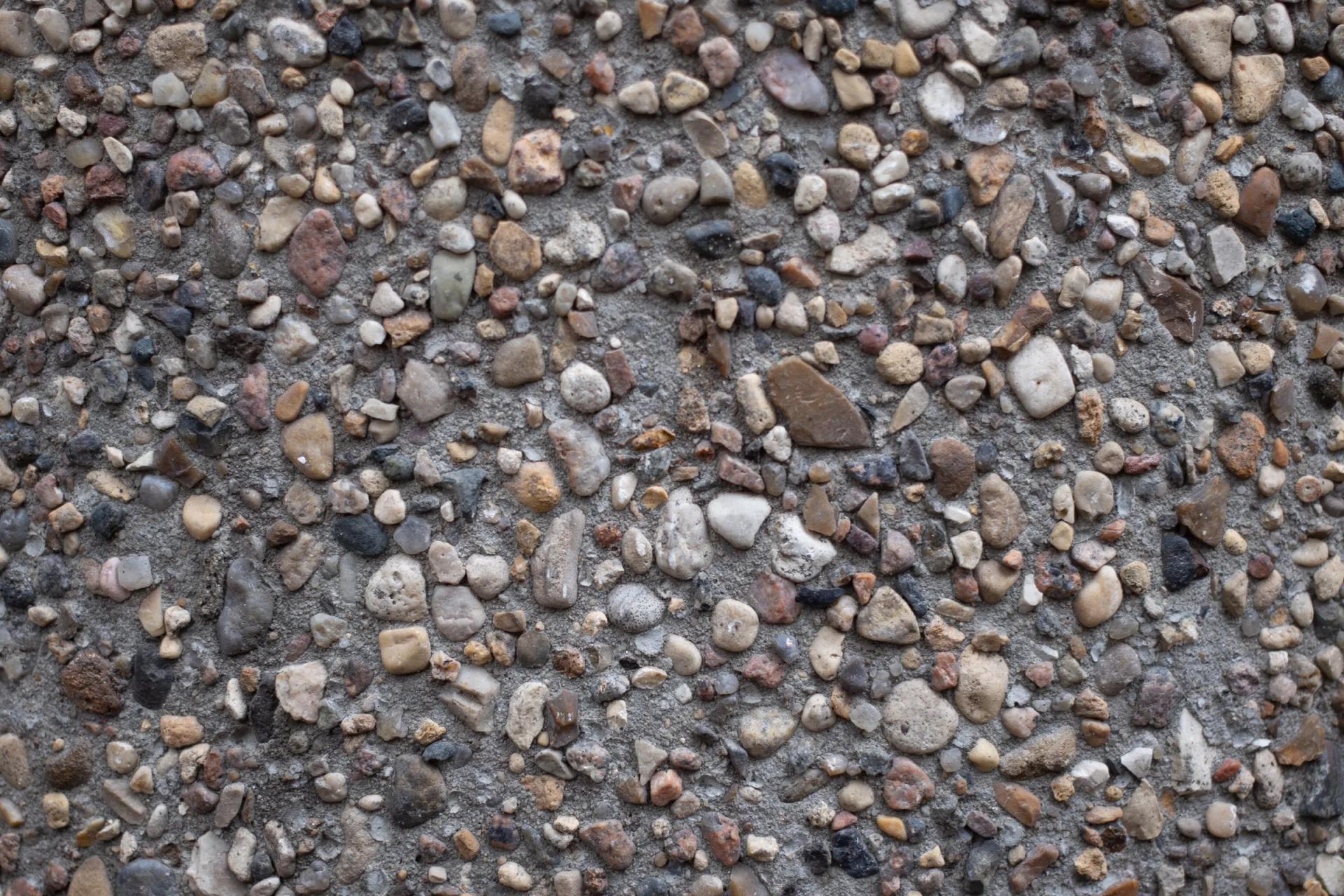
Clutch Construction pours and finishes exposed aggregate concrete for driveways, paths, patios, pool surrounds and alfresco areas in Bunbury and the South West of Western Australia. The slab and the finish are done by one crew, so the mix is chosen for the stone you want to see.
What exposed aggregate is
Exposed aggregate is a poured concrete surface with the stone in the mix showing. The slab is placed and screeded as normal, then, before it fully hardens, the cement paste on top is washed or retarded away so the stones sit proud. The surface is textured rather than smooth, and once cured it is cleaned and sealed.
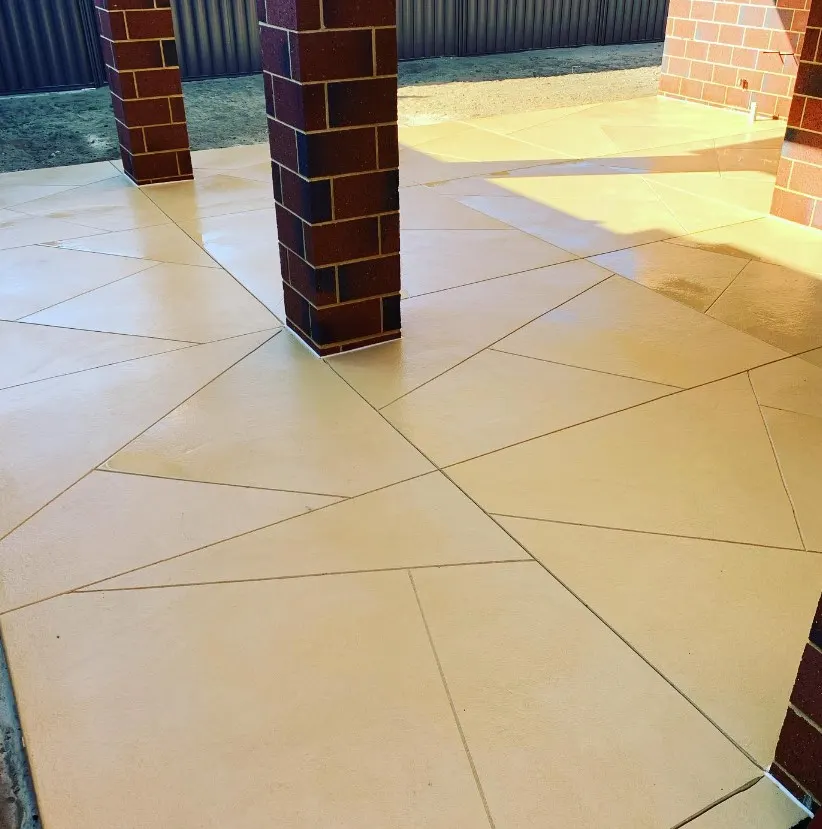
It is a new-pour finish, so an existing slab cannot be turned into exposed aggregate. If you want stone showing on a slab that is already there, honed concrete grinds it flat and shows the stone cut level with the surface.
Where it works
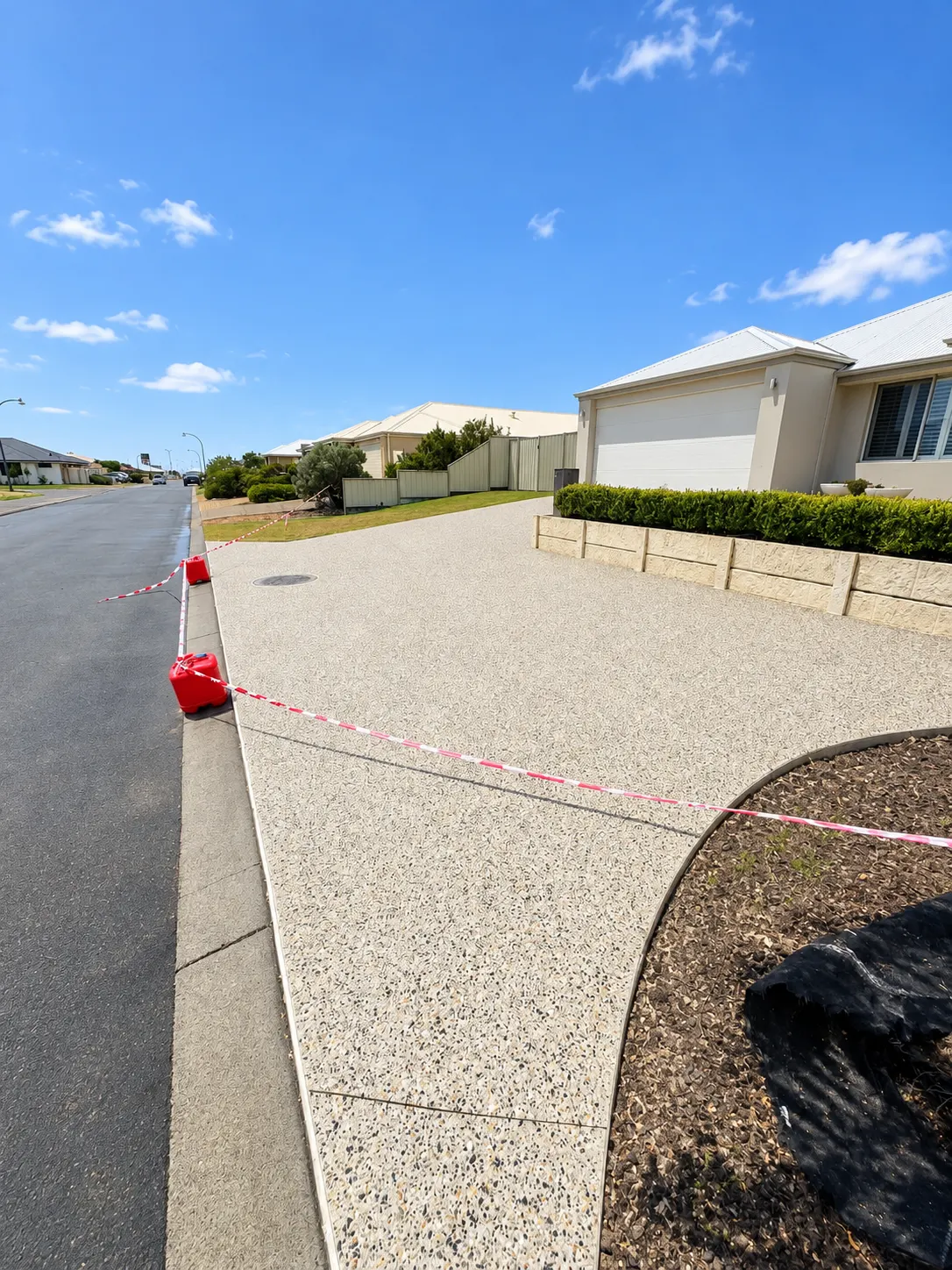
- Driveways. Grip for tyres and feet on a slope, and tyre marks disappear into the texture. See concrete driveways and paths.
- Paths and entries. Front paths, side paths and steps that are walked in the rain.
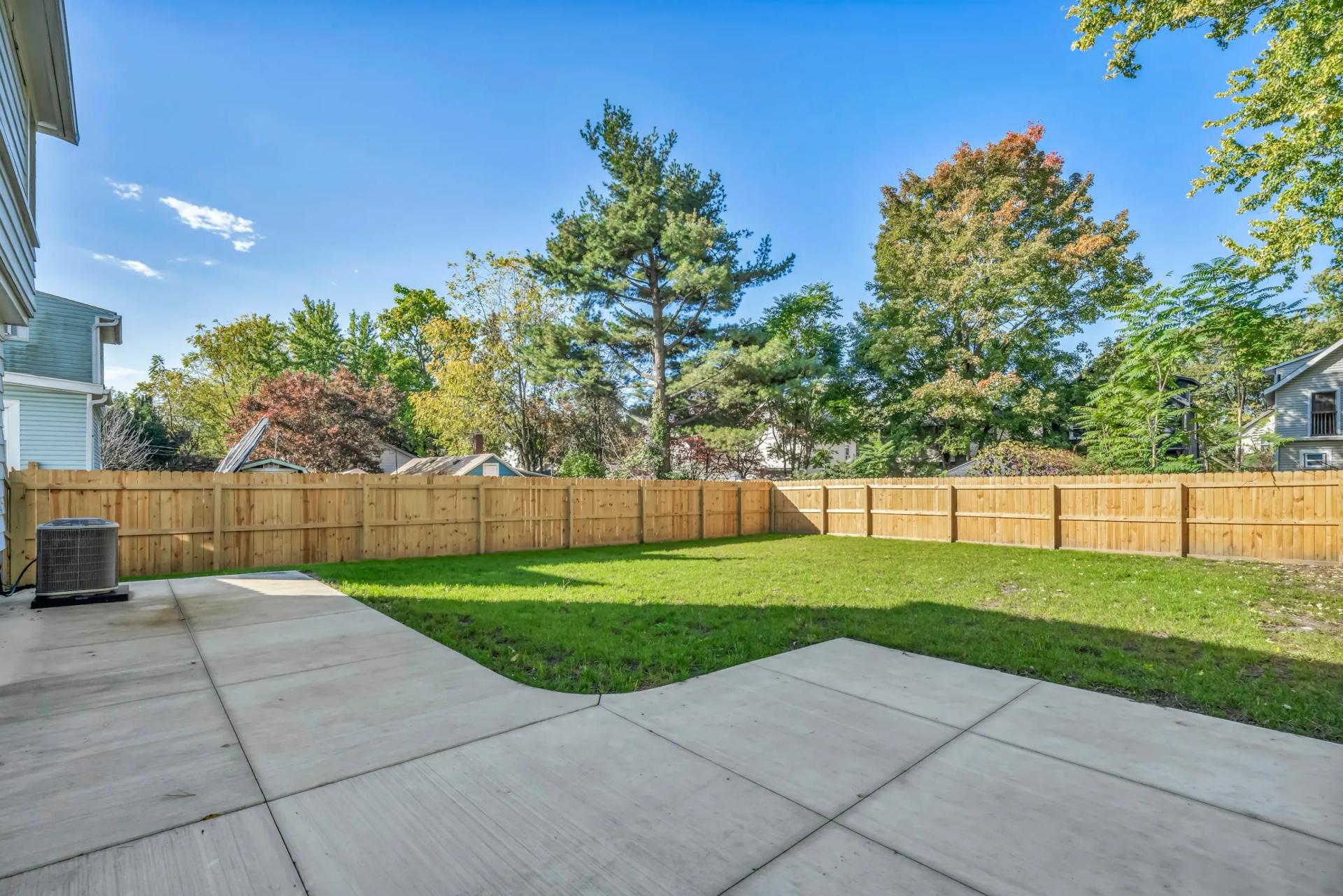
- Patios and alfresco areas. An open concrete patio that gets wet, or one that should match the driveway in the same stone.
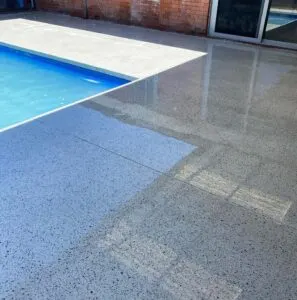
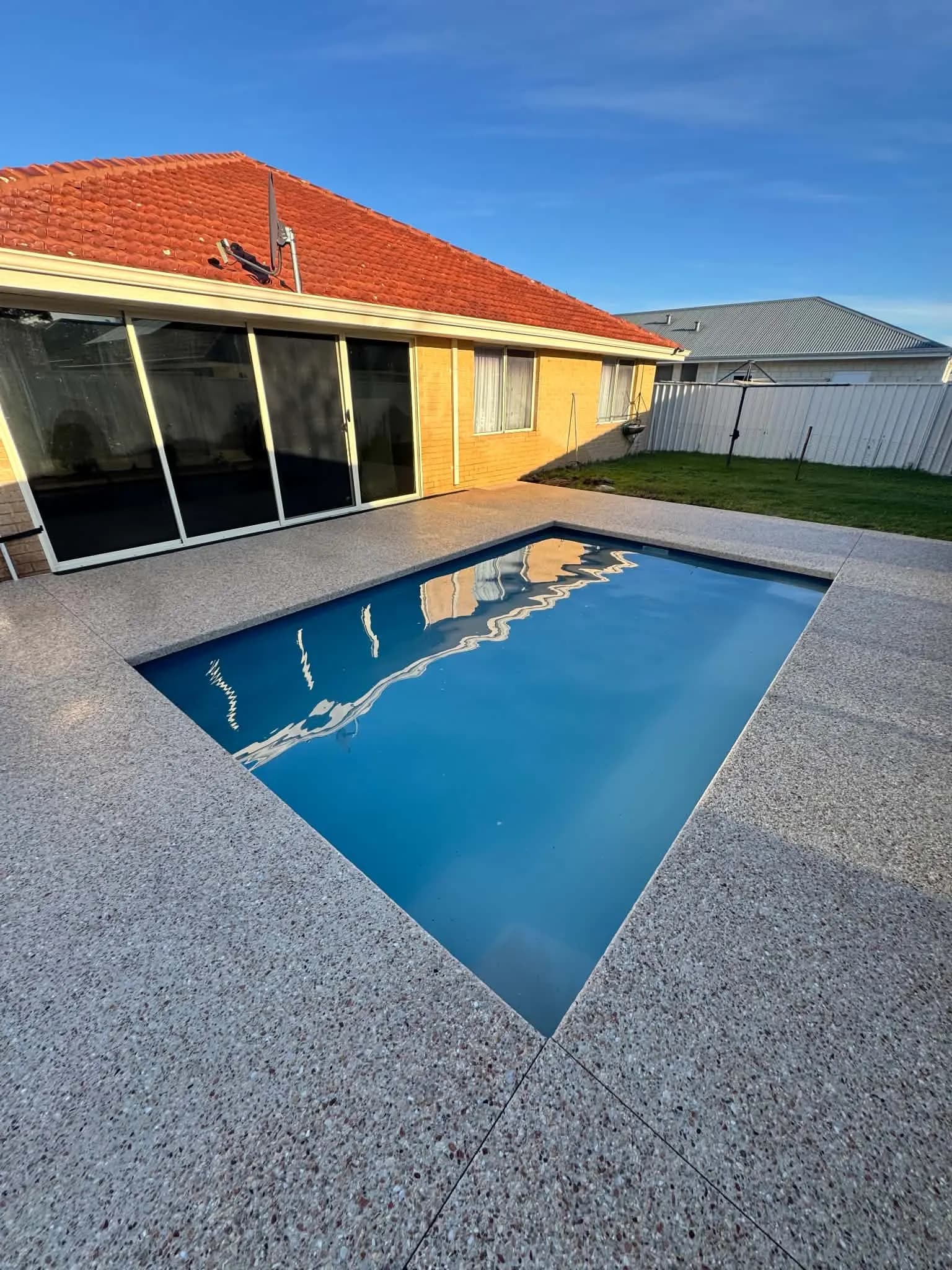
- Pool surrounds. Grip when wet is the point. A pale, rounded stone keeps it comfortable barefoot.
Stone and colour
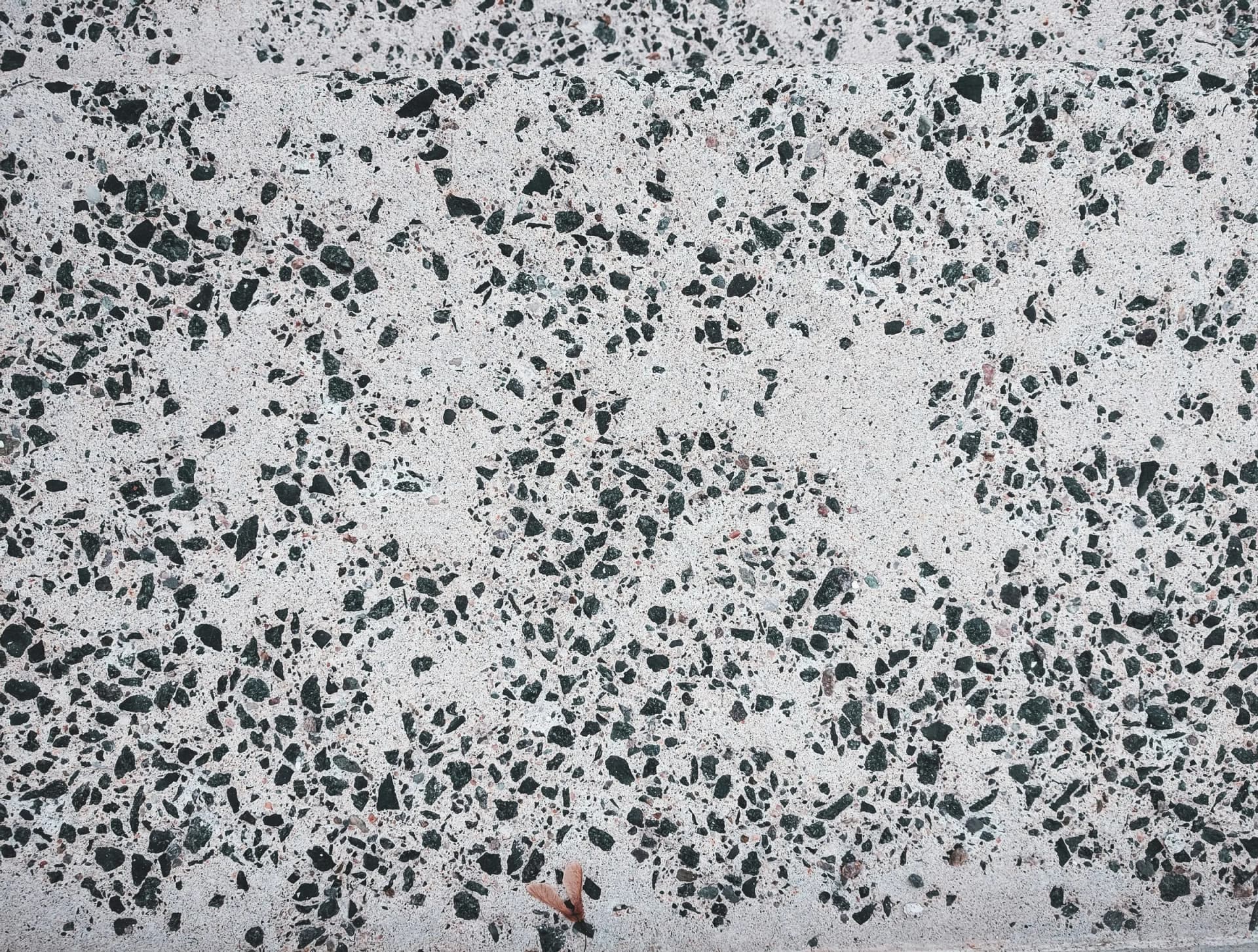
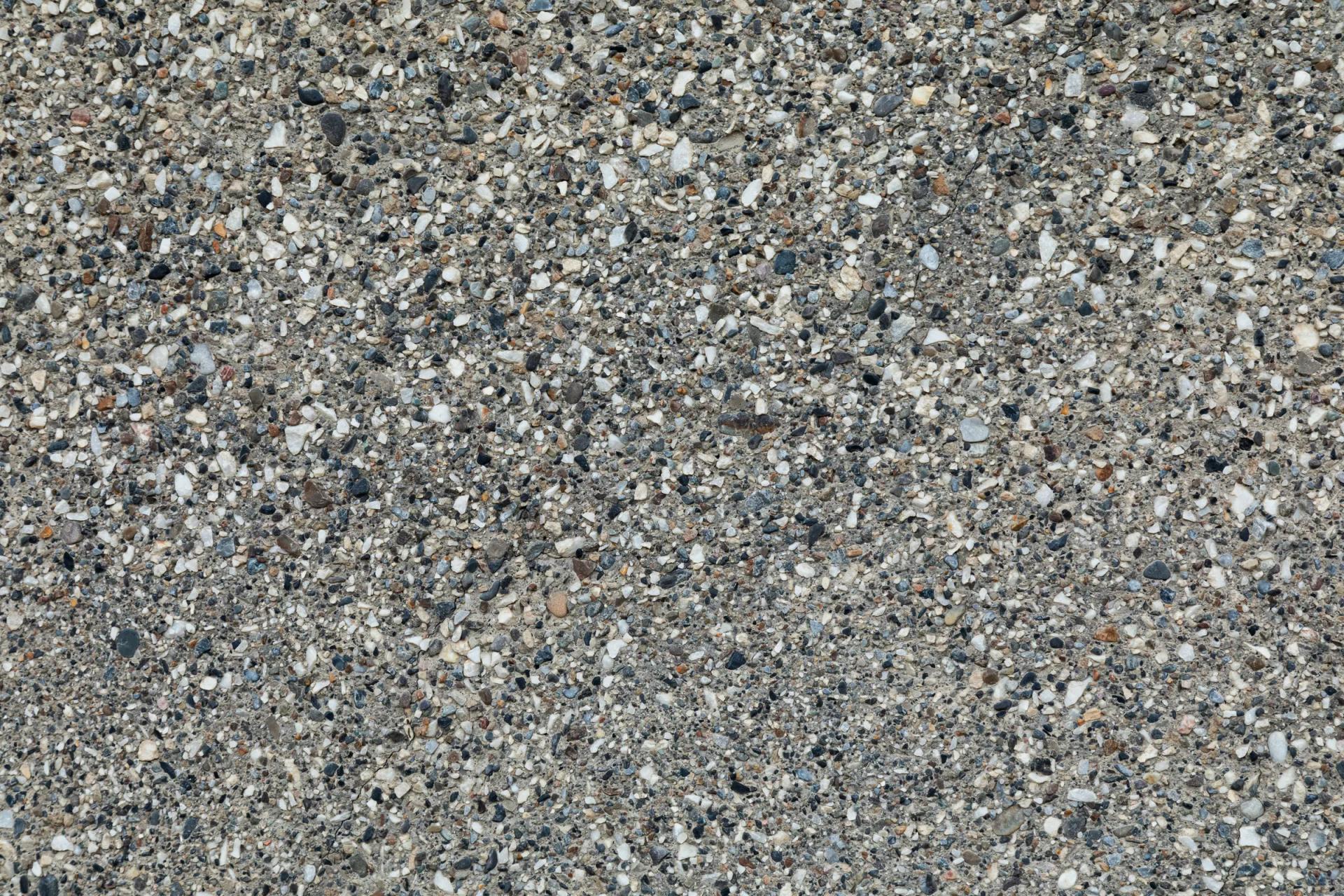
The look comes from the aggregate, so that is the first choice. Pale quartz and cream pebble read light and stay cooler in the sun. Dark basalt or blue metal gives a charcoal surface. Mixed river pebble gives the traditional speckled look. A small stone is finer underfoot, a larger one bolder and rougher.
The cement paste between the stones can be coloured with oxide, so the background can be grey, off-white, sand or charcoal. We bring samples so you can see stone and paste together before anything is poured.
Sealing, grip and heat
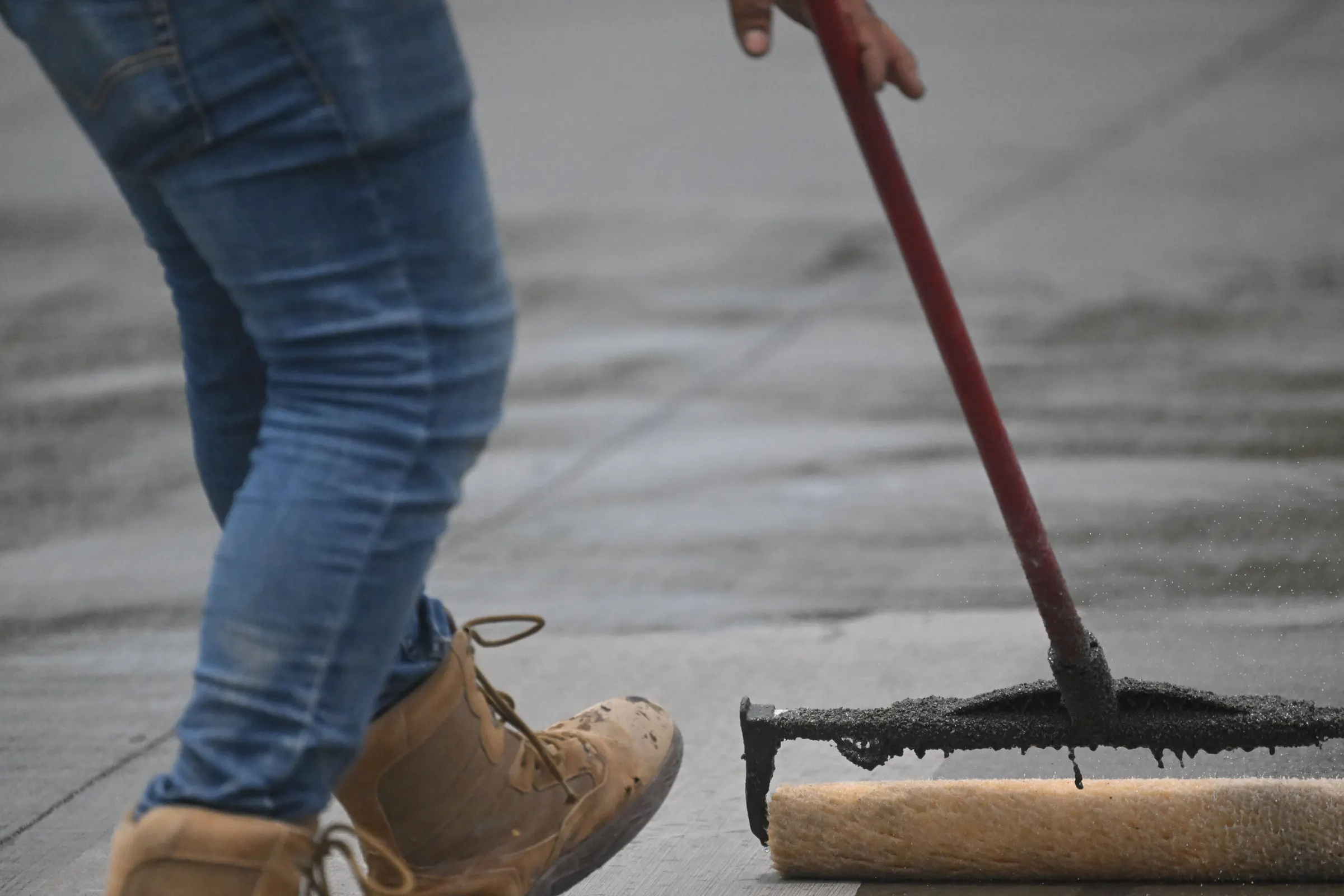
Exposed aggregate is sealed after it cures. The sealer deepens the colour of the stone, keeps dirt and oil out of the surface and slows moss in shade. On a driveway or around a pool we choose a sealer that leaves the texture open, because a thick gloss coat fills the gaps between the stones and takes away the grip. It is resealed every few years, sooner on a busy drive; our sealer guide, under Related guides, covers how to tell when it is time.
Dark stone in full sun gets hot, the same as dark paving, so choose a lighter mix for a barefoot area.
What decides the cost
The area, access for the truck, whether an old slab has to come out, the stone, oxide in the mix and the sealer. We quote after seeing the site or your photos.
Before you start
Send us the address, the rough area, a photo of what is there now and a reference picture of the stone you like. Tell us whether it is a driveway, a pool surround or a patio, because that sets the stone size, the exposure depth and the sealer.
Where we work: Bunbury and the South West of Western Australia.
Common questions
- Is exposed aggregate slippery when wet?
- No. It is one of the grippiest concrete finishes, because the stone stands proud of the surface. A thick gloss sealer can fill the texture, so on a slope or around a pool we use one that keeps the grip.
- Does exposed aggregate get hot in summer?
- Dark stone in full sun gets hot, like dark pavers. Pale quartz or a lighter mix stays cooler, so tell us if the area is used barefoot.
- How often does exposed aggregate need resealing?
- Most outdoor surfaces are resealed every few years, sooner on a driveway that carries cars every day. When water stops beading and the stone looks dull or holds dirt, it is time.
- Can an existing slab be given an exposed aggregate finish?
- Not directly. The stone has to be exposed while the concrete is fresh, so it is a new-pour finish. A sound existing slab can be ground to a honed aggregate finish instead.
Related services
 Service
Concrete driveways and paths
 Service
Concrete patios
 Service
Honed concrete
 Service
Liquid limestone
 Who we work for
Residential
Related guides
 Guide
Concrete sealers explained: penetrating vs acrylic, and how often to reseal
Penetrating vs acrylic concrete sealers: which suits polished, honed, burnished, liquid limestone and exposed aggregate, how often to reseal and the signs.
 Guide
Exposed aggregate vs honed and polished concrete
Exposed aggregate, honed or polished aggregate: how each is made, how they differ on grip, cleaning and look, and which suits a driveway, pool or floor in WA.