
Polished concrete bathroom floors: waterproofing, falls, grip and walls
Bathrooms come up on most residential polished floor enquiries in Bunbury and the South West, usually as a follow-up: "we are doing the living areas, can the ensuite be the same?" It can, but a bathroom asks more of polished concrete floors than a lounge does. Water has to go somewhere, the room has to be waterproof, and bare feet on a wet surface need grip. This post covers how those three things are handled.
Where it fits in a house is covered on our residential polished concrete floors page. Here we stay on the bathroom.
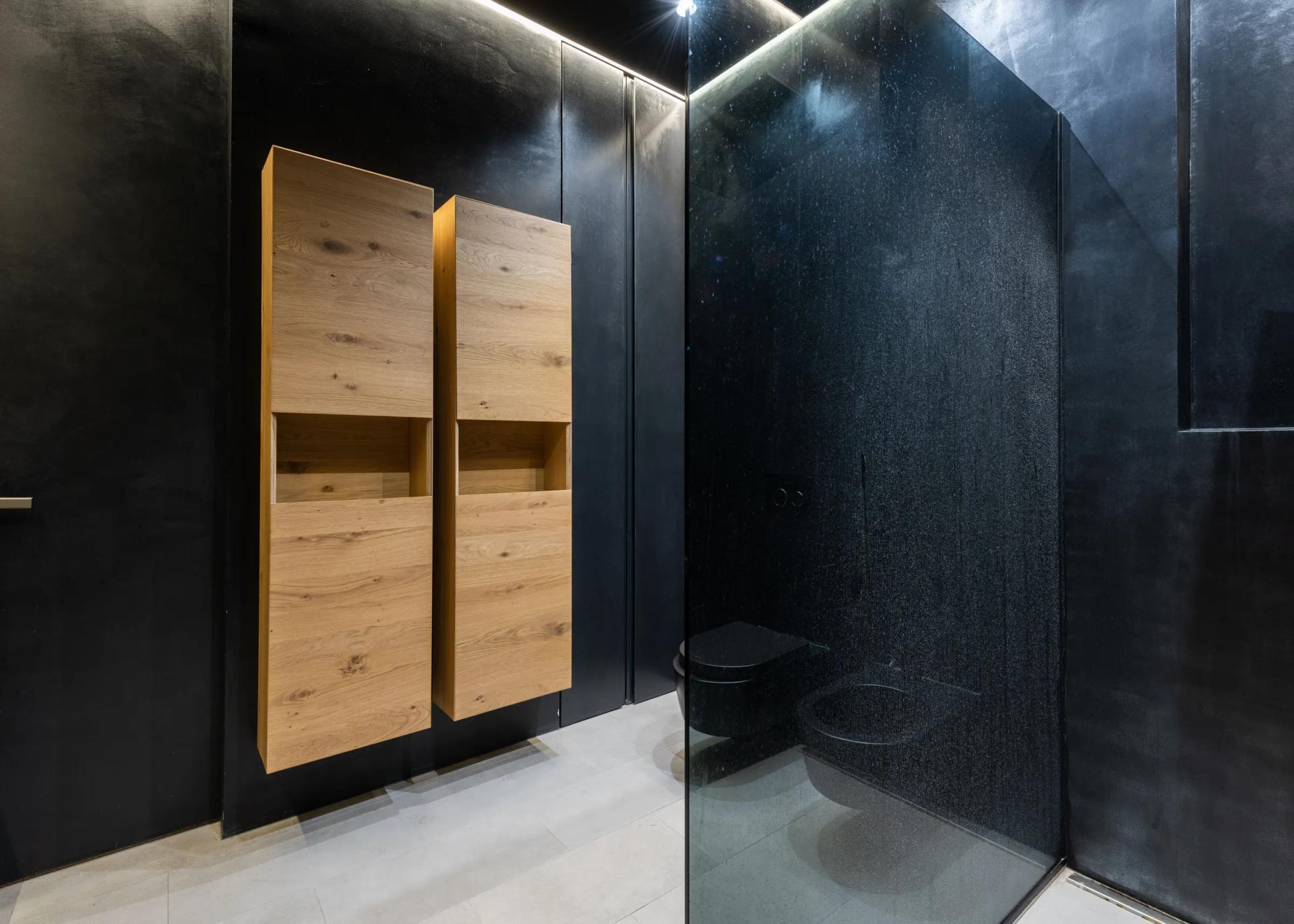
What a polished concrete bathroom floor actually is
In a living room the slab is the floor: ground, densified and sealed. A bathroom works the same way, with two differences. The surface has to slope to a floor waste, so it is a new slab or a topping over the existing slab with the falls placed in it. And the room has to meet the wet-area waterproofing standard, which was written with tiles in mind. Both are solvable, but at design stage, not on the day we turn up with the grinder.
Where the waterproofing sits
With tiles, the membrane goes on the slab and the tiles go over it. With a polished floor there is nothing to go over it: the concrete is the finish. So the membrane moves. On a new build the usual arrangement is a membrane under a bonded topping slab, turned up the walls behind whatever wall finish is used and dressed around the waste and every pipe penetration. The topping is then ground and sealed as the walking surface.
The penetrating sealer on top is not the waterproofing. It slows water soaking into the surface and keeps soap and body oils from staining, but the membrane underneath is what protects the house. The waterproofer and the builder set this out and sign it off; our part is to grind to the depth they have allowed for and not cut through anything. Tell us early if a bathroom is in the plan and we will coordinate with them.
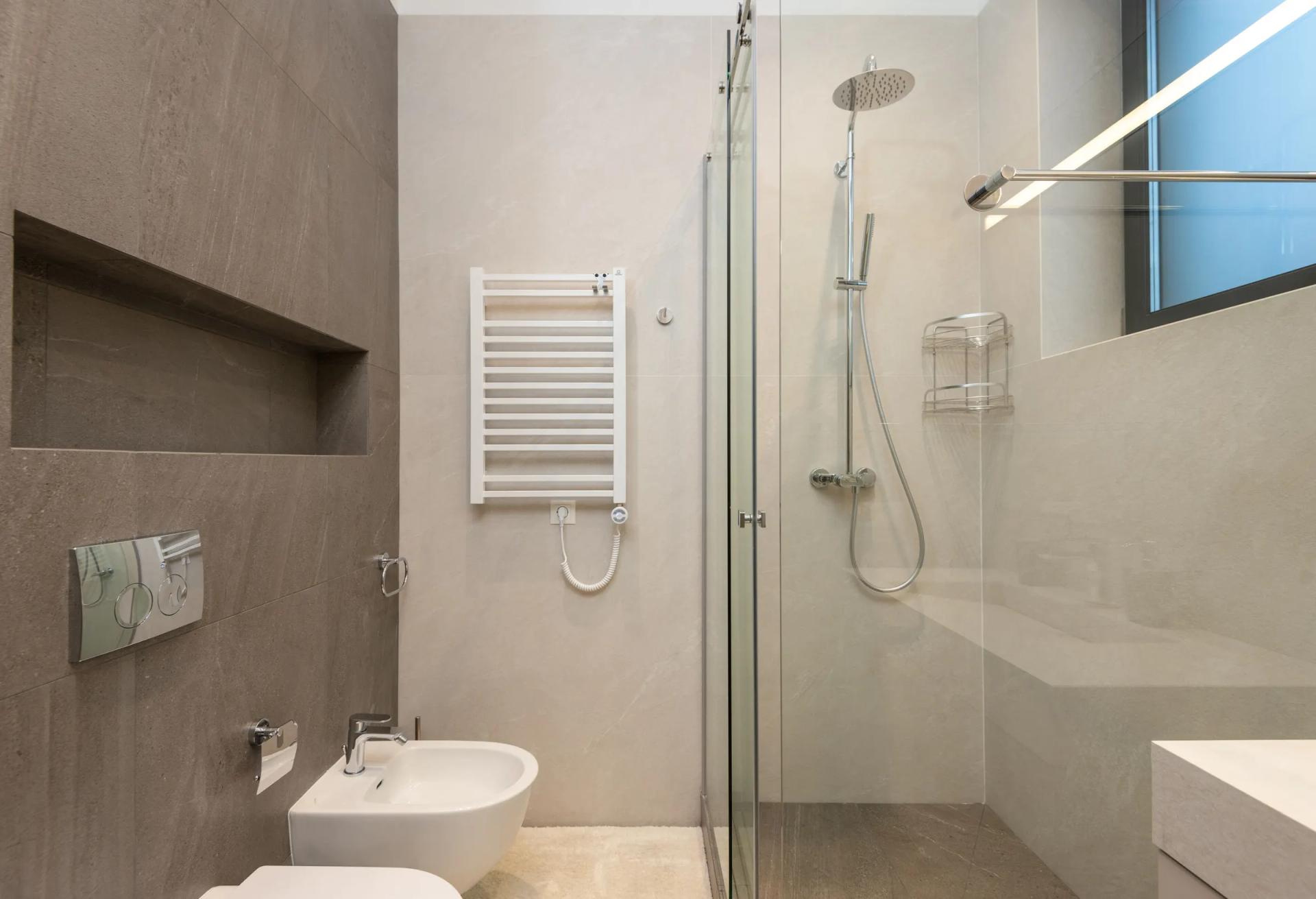
Falls to the floor waste
A tiled floor gets its falls from the screed bed under the tiles. A polished floor gets them from the concrete itself, which means they have to be placed and trowelled in before we grind. The wet-area standard asks for a fall to the waste across the shower and, in most layouts, across the rest of the room, with the shower steeper than the dry zone. Grinding takes a few millimetres off evenly, so it does not fix a floor that was poured flat.
Two things make this go well. A linear or channel waste along one wall is easier to fall to than a centre point waste, because the floor slopes in one plane instead of four. And a hobless shower on a single falling plane reads as one surface, which is the look most people want from concrete in the first place. If you want a step-down shower or a hob, say so before the pour.
Grip: the sheen does most of the work
Gloss polished concrete is fine where it is dry and a poor choice where it is wet and soapy. This is the same question we answer in is polished concrete slippery: the smoother the surface and the higher the sheen, the less grip there is once there is water on it.
In a bathroom we treat the shower zone and the rest of the room separately. The shower floor is finished matte, in practice a honed concrete finish with the aggregate cut flat and no gloss, which gives grip under wet feet. The rest of the room can be matte or satin to match the hallway outside the door. The two can run together on one slab, because the difference is in the last grinding and polishing steps, not in the concrete. Keep bath mats where you would with tiles.
The sealer for a wet room
Indoors we use a penetrating sealer, and in a bathroom that choice matters more than anywhere else. A film sealer sitting on top of the concrete goes slippery when wet, clouds with constant water and peels where it is scrubbed. A penetrating sealer soaks in, leaves the surface matte and grippy, and is renewed by wiping on another coat when water stops beading. How the two types differ is in concrete sealers explained.
What the sealer is up against in a bathroom: shampoo, body wash, hair dye, bleach-based cleaners and, in much of the South West, hard water that leaves mineral marks. The sealer handles the first group if spills are rinsed. The last one is managed by squeegeeing the shower floor, the same habit that keeps glass clear. Expect to reseal a bathroom floor sooner than a lounge, because it is wet every day.
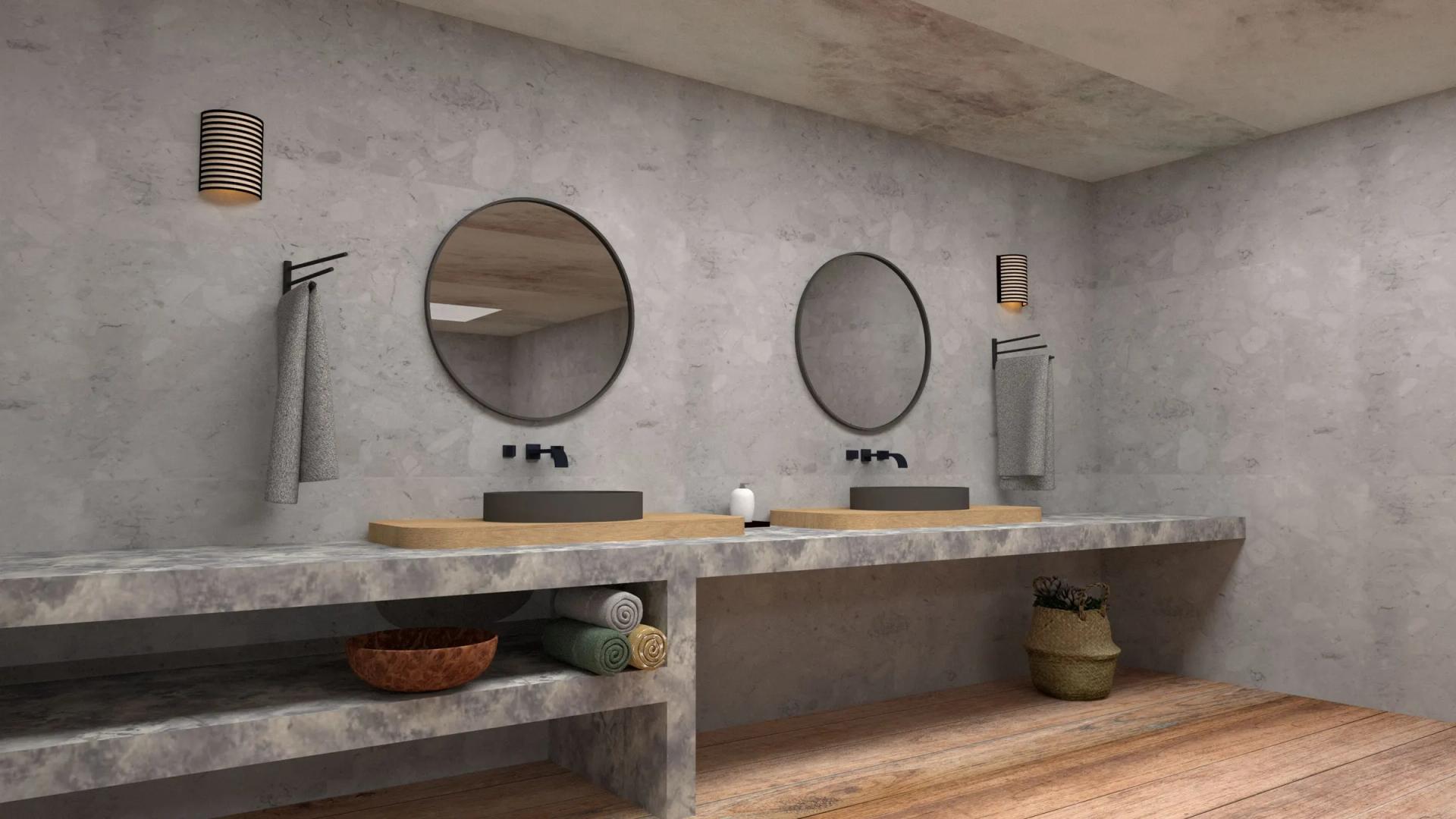
Walls, shower hobs and niches
"Polished concrete bathroom walls" is a popular search and mostly means a look rather than a method. A wall cannot be ground the way a floor can, so there are three ways to get it:
- Cement render or micro-topping. A thin cement-based coat trowelled onto the wall sheet or blockwork, burnished and sealed. This is what most "concrete wall" bathrooms are. It is a renderer's job, done over the membrane, and it matches the floor closely but not exactly.
- Poured concrete walls. Cast in formwork, then ground and sealed. Real polished concrete, and heavy, slow and costly. It suits a new build where the walls are structural anyway.
- Tiles on the walls, concrete on the floor. The common mix: tiles are the simpler surface to waterproof vertically, and a large plain tile reads quietly against a concrete floor. Our polished concrete vs tiles post compares the two for the floor.
A shower hob, if you want one, is formed and poured with the floor and ground to match. A niche in a rendered wall is a render detail, not a concrete one.
Existing slab or new build
A new build is the straightforward case: the slab or topping is poured with the falls and the set-down for the membrane already in it, and we grind it as planned. An existing bathroom is rarely a straight grind. Under the old tiles there is usually a screed bed with its own falls, tile adhesive, cut-outs around the waste and, in older Bunbury homes, a slab stepped down below the hallway. Most of the time the answer is a topping over the existing slab, which gives a fresh surface with correct falls and a place for the membrane. What that involves is in polished concrete on an existing slab.
Cleaning a polished concrete bathroom
The routine is the same as the rest of the house, with one addition: squeegee the shower after use. A pH-neutral cleaner and a microfibre mop handle the floor; avoid vinegar, acid-based tile cleaners and bleach left to sit, which etch the surface and strip the sealer. The full routine is in how to clean polished concrete floors.
Getting a bathroom floor quoted
If you are planning a residential polished floor and want the bathrooms or ensuite in the same finish, tell us at the start. Send the plans or a sketch showing the waste positions and whether the shower is hobless, say whether it is a new slab or an existing bathroom, and note who the builder and waterproofer are so we can line up the sequence. Use the form on this page or the contact page and we will come back with what the floor needs and where a honed shower zone makes sense.
Where we work: Bunbury and the South West of Western Australia.
Common questions
- Can you have polished concrete in a bathroom?
- Yes. The floor is the slab or a topping over it, ground and sealed, with the falls to the waste built in before grinding and the waterproofing placed under and around the surface rather than on top of it. The shower zone is normally finished matte for grip.
- How is a polished concrete bathroom floor waterproofed?
- The membrane cannot sit on the surface you walk on, because that surface is the concrete itself. It goes under a topping slab, up the walls behind the wall finish and around the waste and pipe penetrations, with the floor sealed on top. The waterproofer and the builder set this out before we grind.
- Is a polished concrete shower floor slippery?
- A high-gloss polish is, once wet and soapy. A honed or matte finish in the shower has far more grip, and a penetrating sealer keeps it that way. We treat the shower zone differently from the rest of the room.
- Can the bathroom walls be polished concrete too?
- Usually they are a cement render or micro-topping finished to match the floor, not a ground slab. A poured concrete wall ground and sealed is possible on a new build but it is heavy and costly. Tiles on the walls with a concrete floor is the common mix.
- Can my existing bathroom slab be polished?
- Sometimes, but most existing bathrooms need a topping to get the falls right and to cover the old tile bed and plumbing cuts. We check the slab, the waste position and the set-down before we say which route it is.
Related services
 Service
Polished concrete
 Who we work for
Residential
 Service
Honed concrete
More guides
 Guide
Polished concrete kitchen floors: stains, chips, warmth and the benchtop
Polished concrete kitchen floors in WA: oil, wine and lemon stains, dropped plates, warmth and hydronic heating, colour, the benchtop and open plan.
 Guide
Concrete sealers explained: penetrating vs acrylic, and how often to reseal
Penetrating vs acrylic concrete sealers: which suits polished, honed, burnished, liquid limestone and exposed aggregate, how often to reseal and the signs.
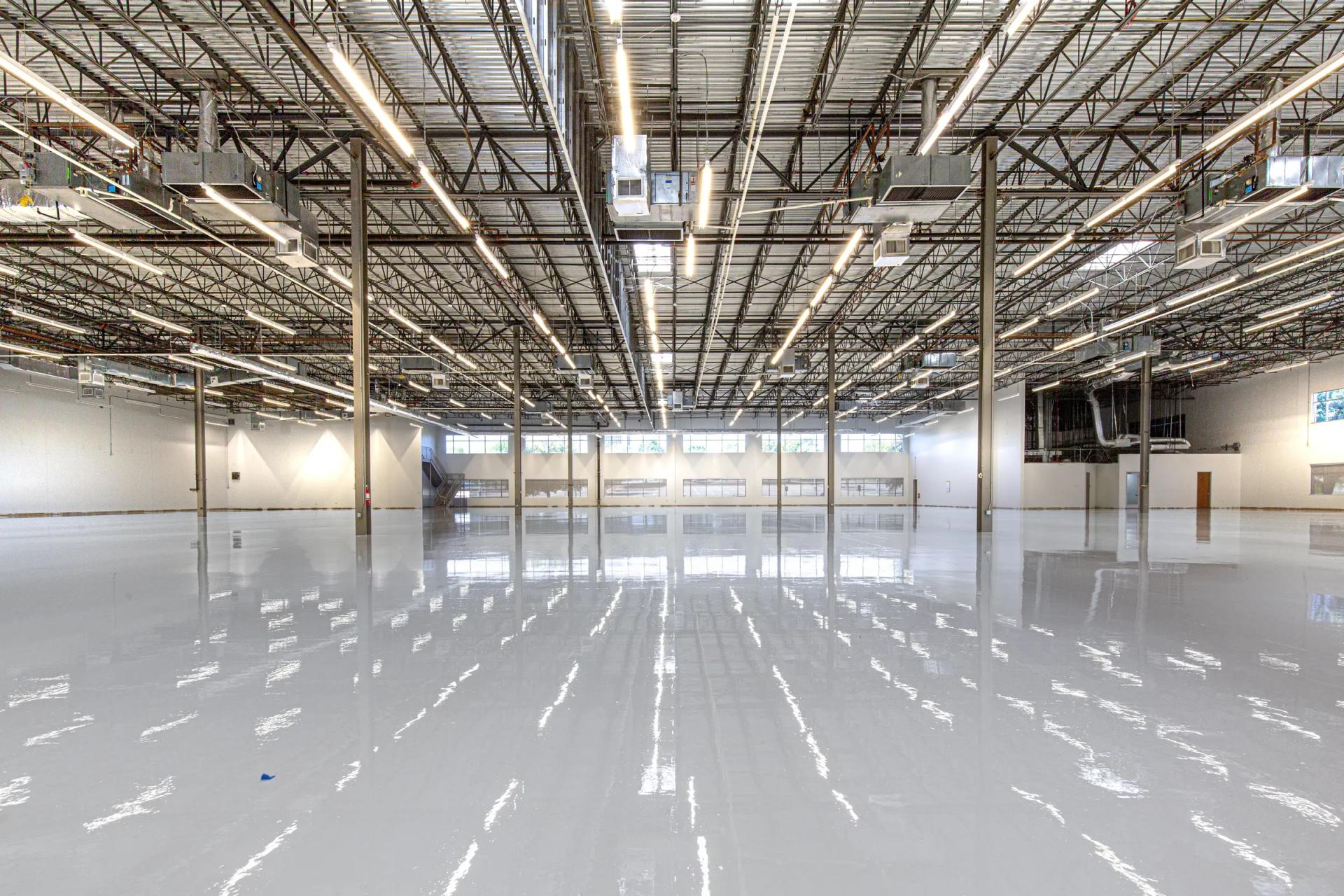 Guide
Polished concrete finish levels: aggregate exposure, sheen and grind and seal
Cream, salt and pepper or full exposure; matte, satin or high gloss; grind and seal or mechanically polished. Polished concrete finish levels explained.
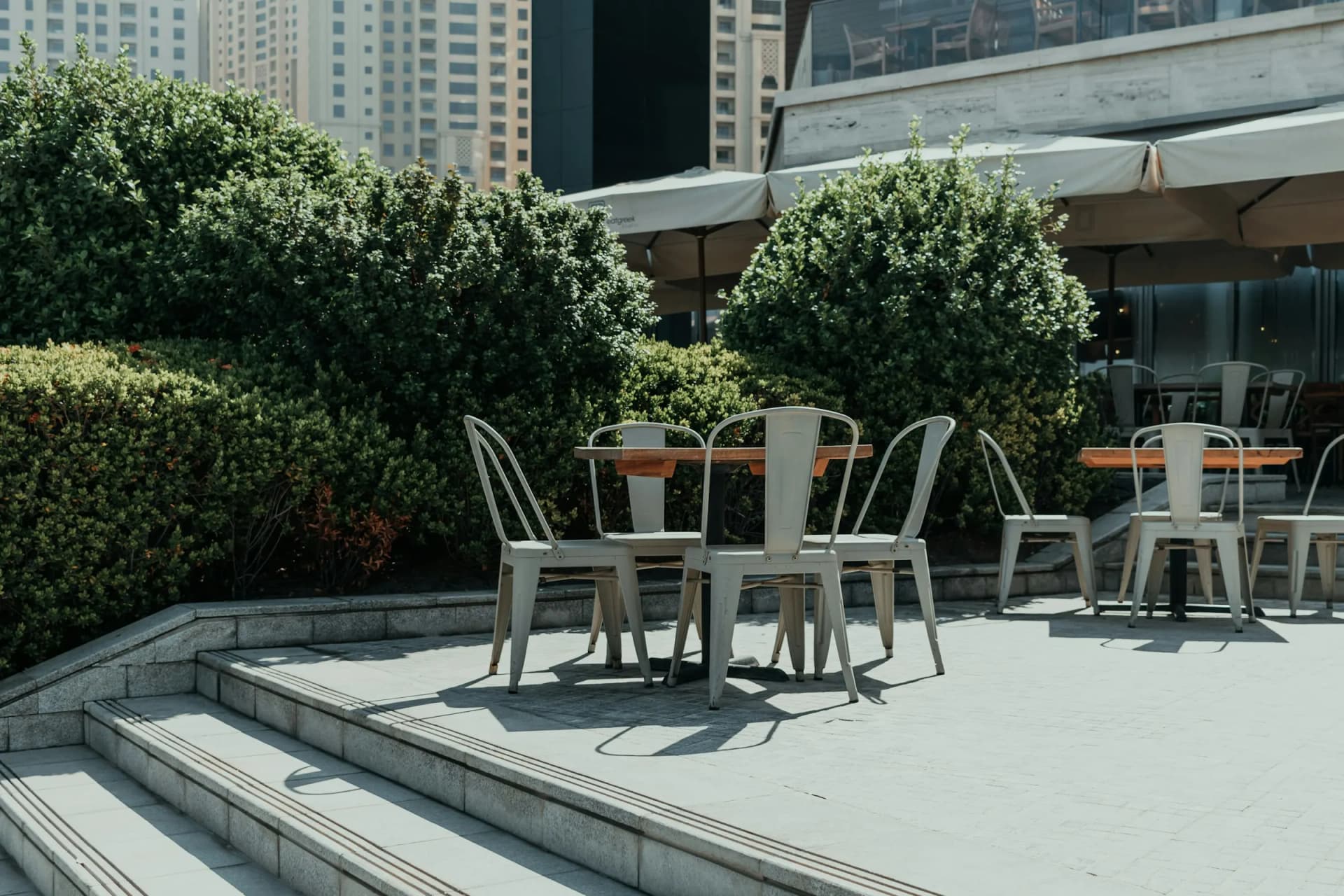 Guide
Types of concrete finishes for patios, and how to pick one
Six concrete finishes for a patio compared: plain, honed, liquid limestone, exposed aggregate, coloured and stamped. Grip, heat, glare, upkeep and cost in WA.
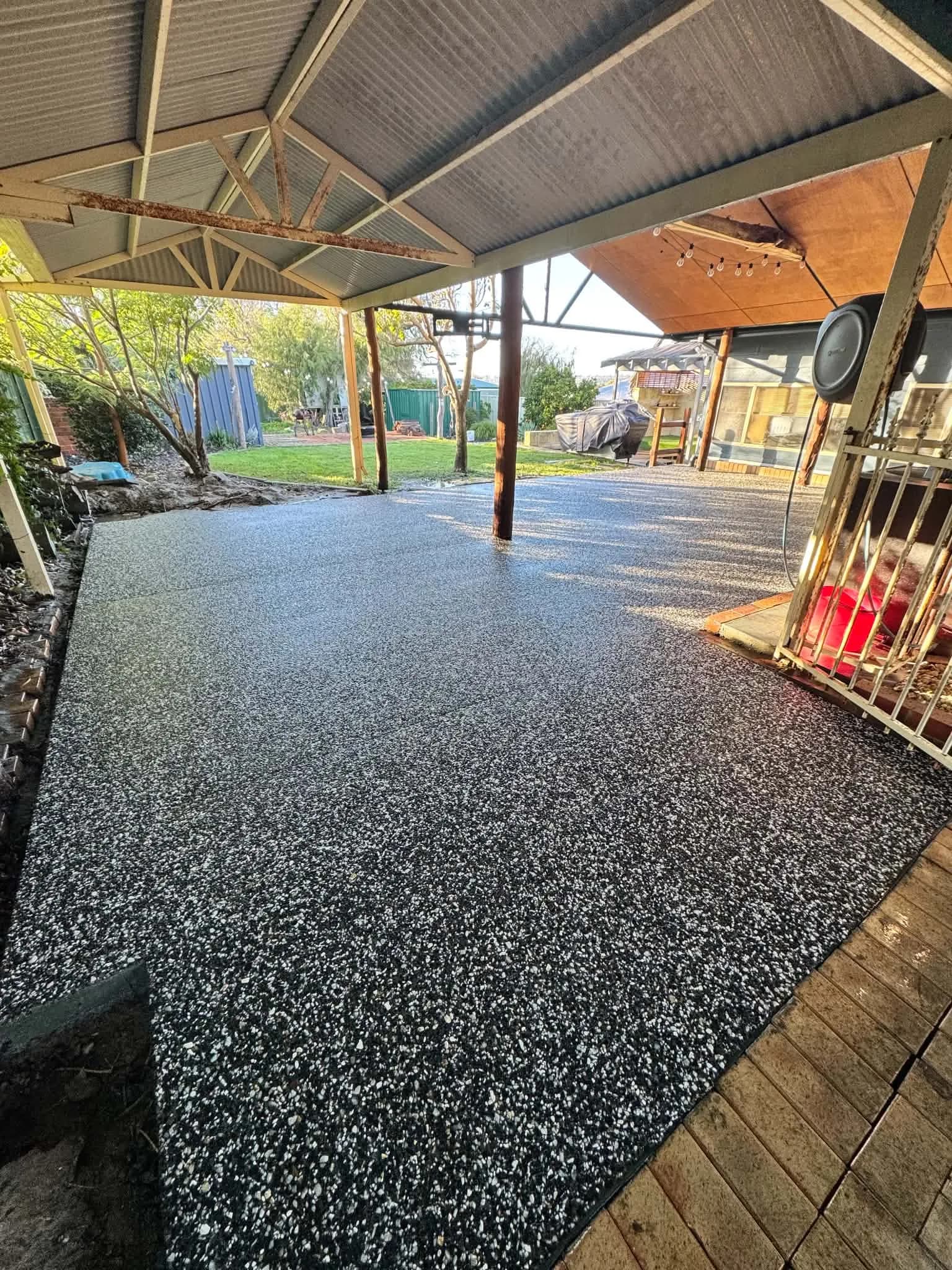 Guide
Outdoor polished concrete: alfresco, patio and the indoor-outdoor floor
Outdoor polished concrete usually means honed. Glare, heat, grip, sealers and how to run one finish from the living room to the alfresco, patio and pool in WA.
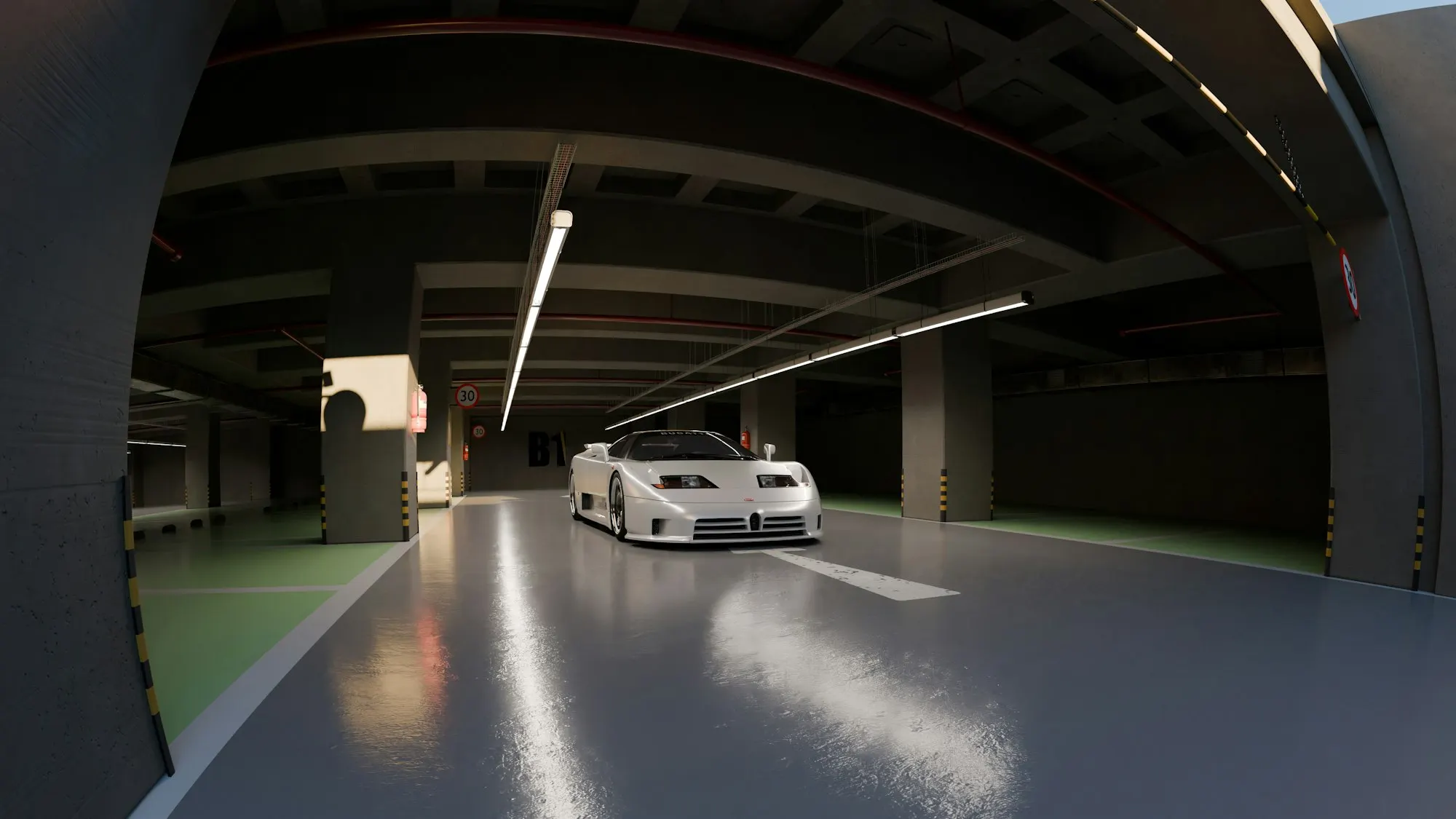 Guide
Polished concrete garage floors: what to know before you decide
Is a polished concrete garage floor a good idea? Tyre marks, oil, sheen, new slab versus old, and when burnished or sealed suits a garage or shed better in WA.
 Guide
Polished concrete vs epoxy: which floor for a workshop, warehouse or shop
Polished concrete vs epoxy for a workshop, warehouse, shop or garage: wear, peeling, chemical resistance, downtime, upkeep and where grind and seal fits in.
 Guide
Polished concrete vs tiles: which floor makes sense
Is polished concrete cheaper than tiles? Often, on a new slab. How cost, grout, wet areas, comfort and resale compare, and why you can't polish over tiles.
 Guide
Exposed aggregate vs honed and polished concrete
Exposed aggregate, honed or polished aggregate: how each is made, how they differ on grip, cleaning and look, and which suits a driveway, pool or floor in WA.
 Guide
How to clean polished concrete floors
Everyday cleaning, what never to use, stains, and when a polished, honed or burnished floor needs resealing. Plain maintenance advice from Bunbury, WA.
 Guide
Polished concrete colours: what decides the final look
White, grey, black or aggregate? Where polished concrete colour comes from (cement, stone, oxides, sheen) and what you can choose on a new or existing slab.
 Guide
Polished concrete on an existing slab: can it be done?
Can an old slab be polished? What we check, what the slab decides for you, when an overlay or topping is the answer, and why a new slab is planned differently.
 Guide
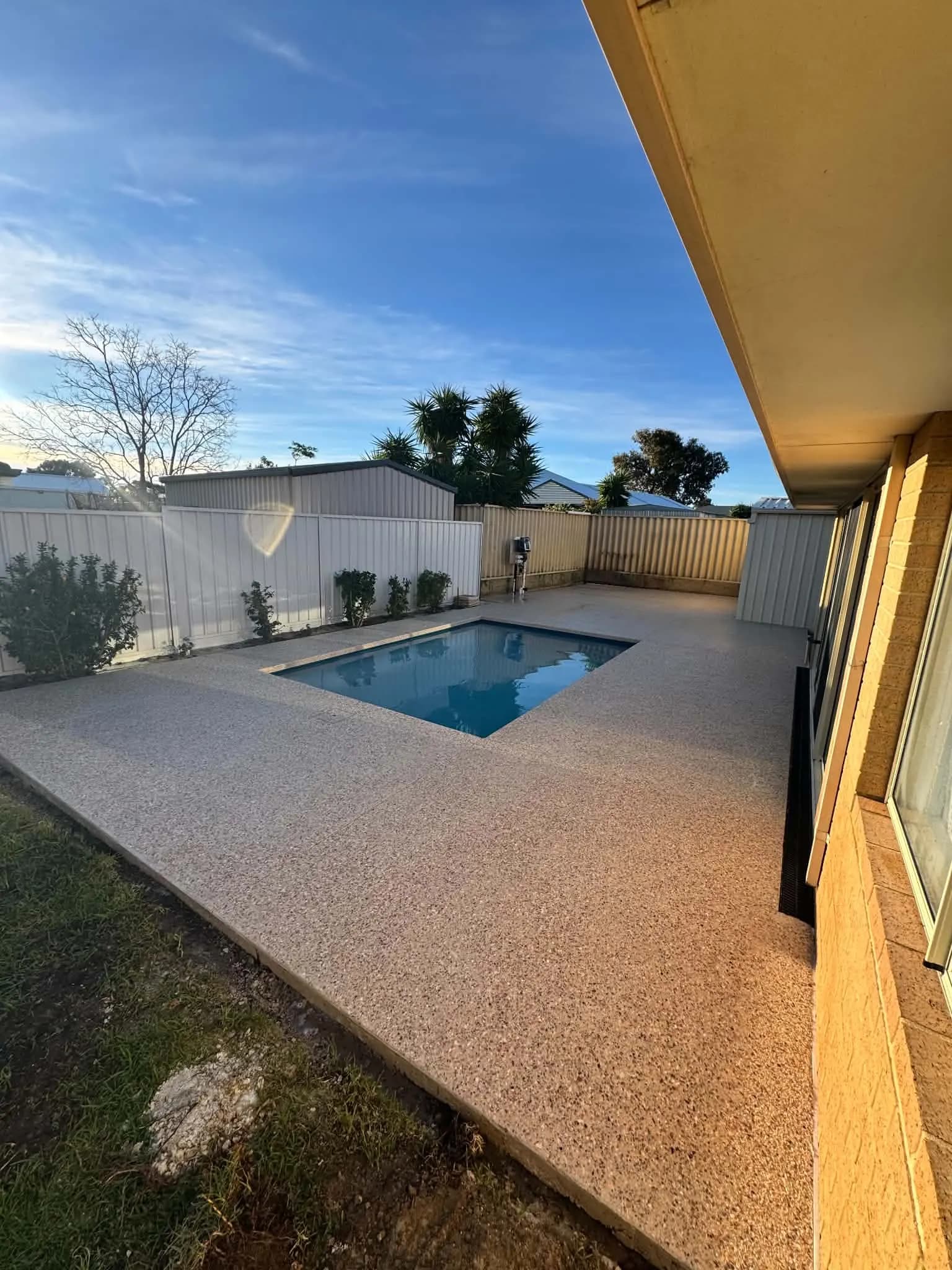
Concrete pool surround finishes: honed or liquid limestone?
Honed concrete or liquid limestone for a pool surround? How the finishes differ on grip, heat, glare and upkeep, and how to choose in WA.
 Guide
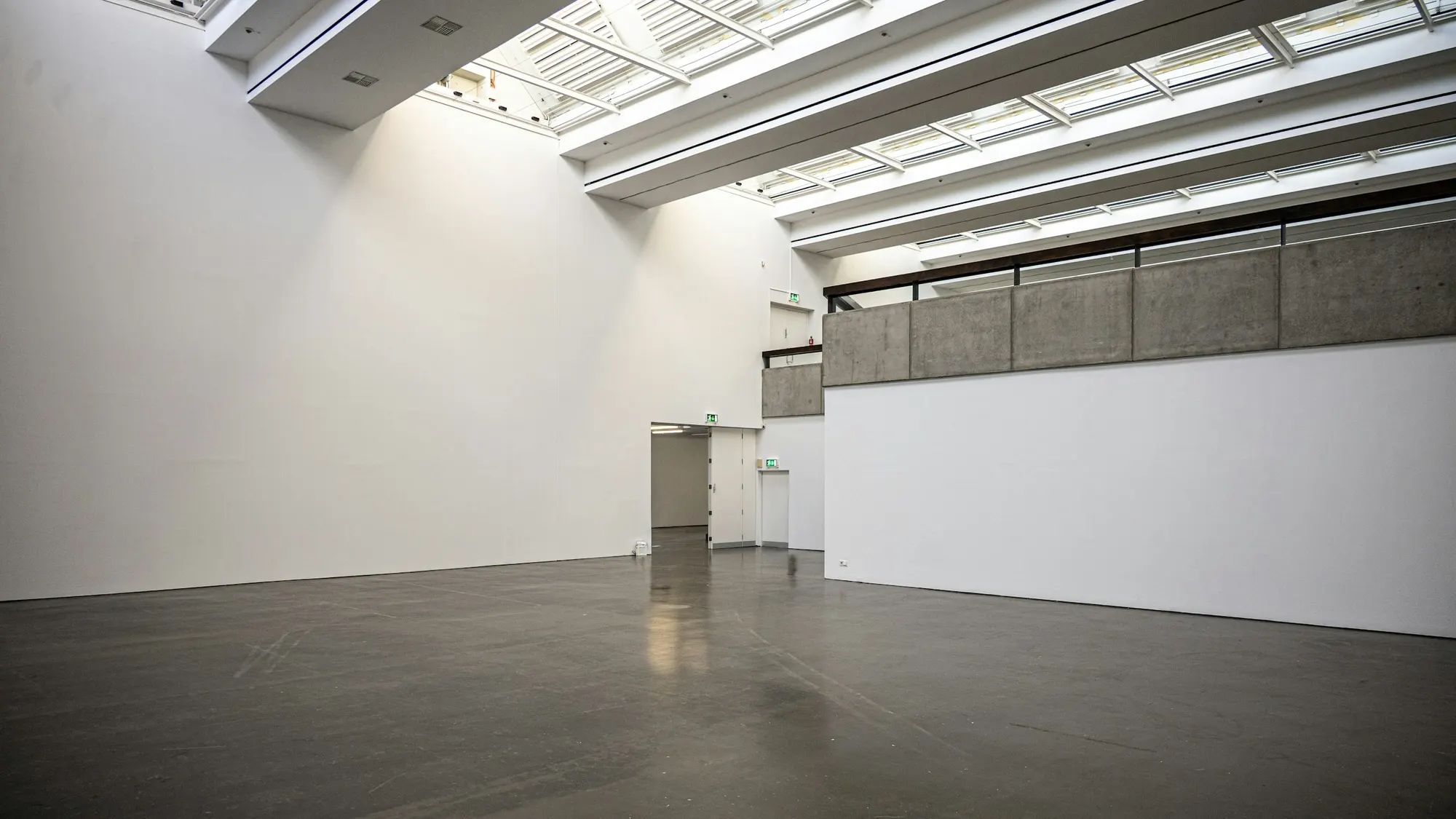
Is polished concrete slippery?
Is polished concrete slippery when wet? What decides grip, where a lower sheen suits better, and what to ask before you choose a finish.
 Guide
Concrete benchtops and furniture: what to plan first
Thinking about a polished concrete benchtop or custom concrete furniture? What it is, how it is made, and what to plan before you order in WA.
 Guide
Polished concrete cost: what decides the price
What drives the cost of polished concrete floors: slab condition, area, level of finish and access. How to get an accurate quote in Bunbury and WA.