
Types of concrete finishes for patios, and how to pick one
Once you have decided on a concrete patio, the next question in Bunbury and the South West is always the same: which finish. There are six we are asked about, and the right one depends on whether the area is roofed, how wet it gets and what the rest of the house looks like. Here they are, side by side.
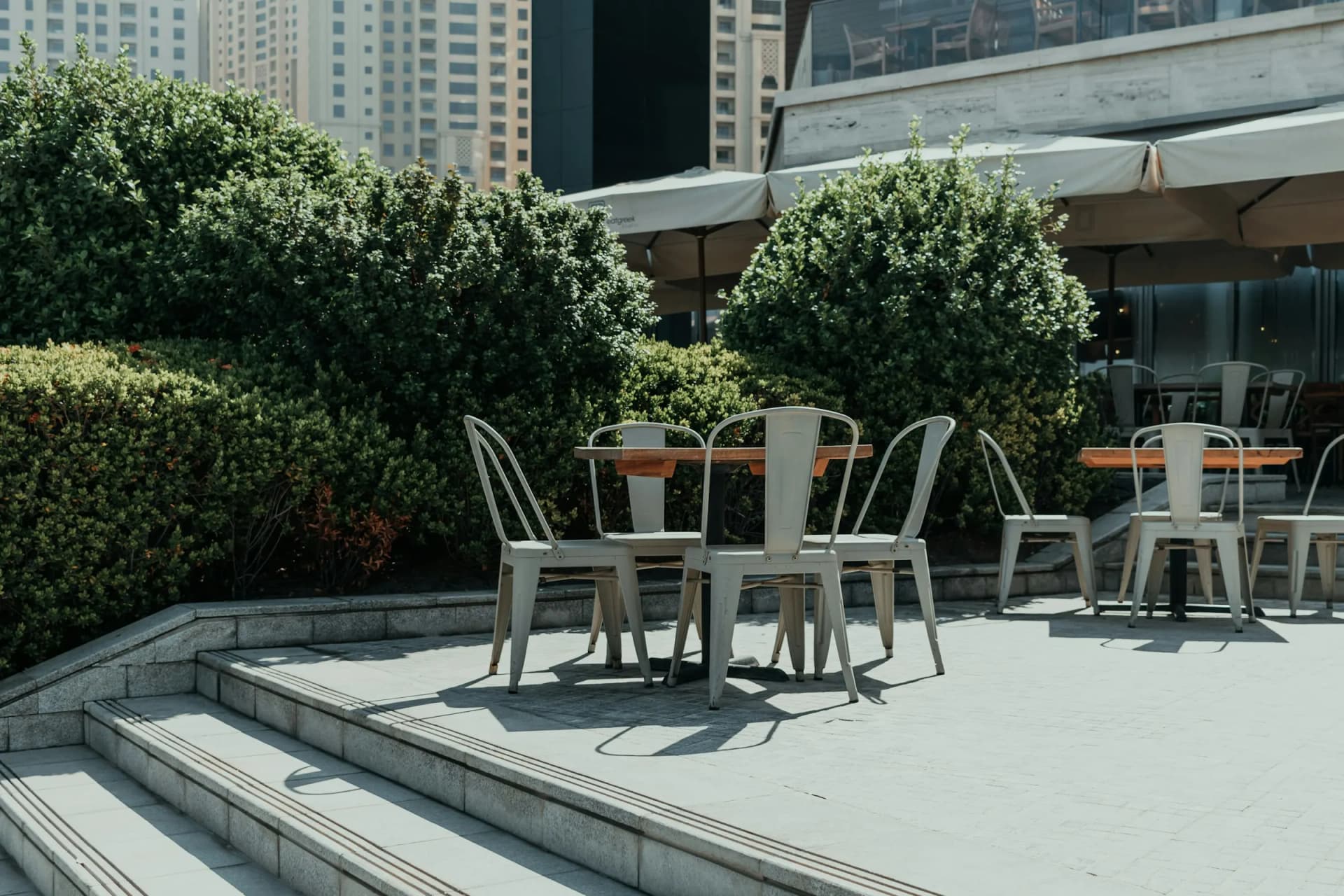
The six finishes at a glance
| Finish | Look | Grip when wet | Heat in sun | Upkeep | Cost |
|---|---|---|---|---|---|
| Plain (trowel or broom) | Flat grey, utilitarian | Broom good, trowel fair | Medium | Sweep, reseal rarely | Lowest |
| Honed | Smooth matte, stone showing | Good with grip sealer | Medium, lower if pale | Hose, reseal every few years | Mid |
| Liquid limestone | Pale natural limestone | Good | Lowest | Hose, reseal | Mid |
| Exposed aggregate | Textured stone surface | Very good | Medium to high | Hose, reseal, watch for moss | Mid |
| Coloured | Any of the above, tinted through | As the base finish | Dark colours hottest | As the base finish | Base plus pigment |
| Stamped or stencilled | Paver, slate or stone pattern | Fair to good | Medium | Reseal to keep pattern crisp | Mid to high |
Plain concrete
A steel-trowel finish is smooth and flat. A broom finish drags fine lines across the surface for grip. Neither is a feature, which is the point: under a patio roof or in a utility area, a plain slab is the right spend, and it can be honed later if you change your mind.
Honed concrete
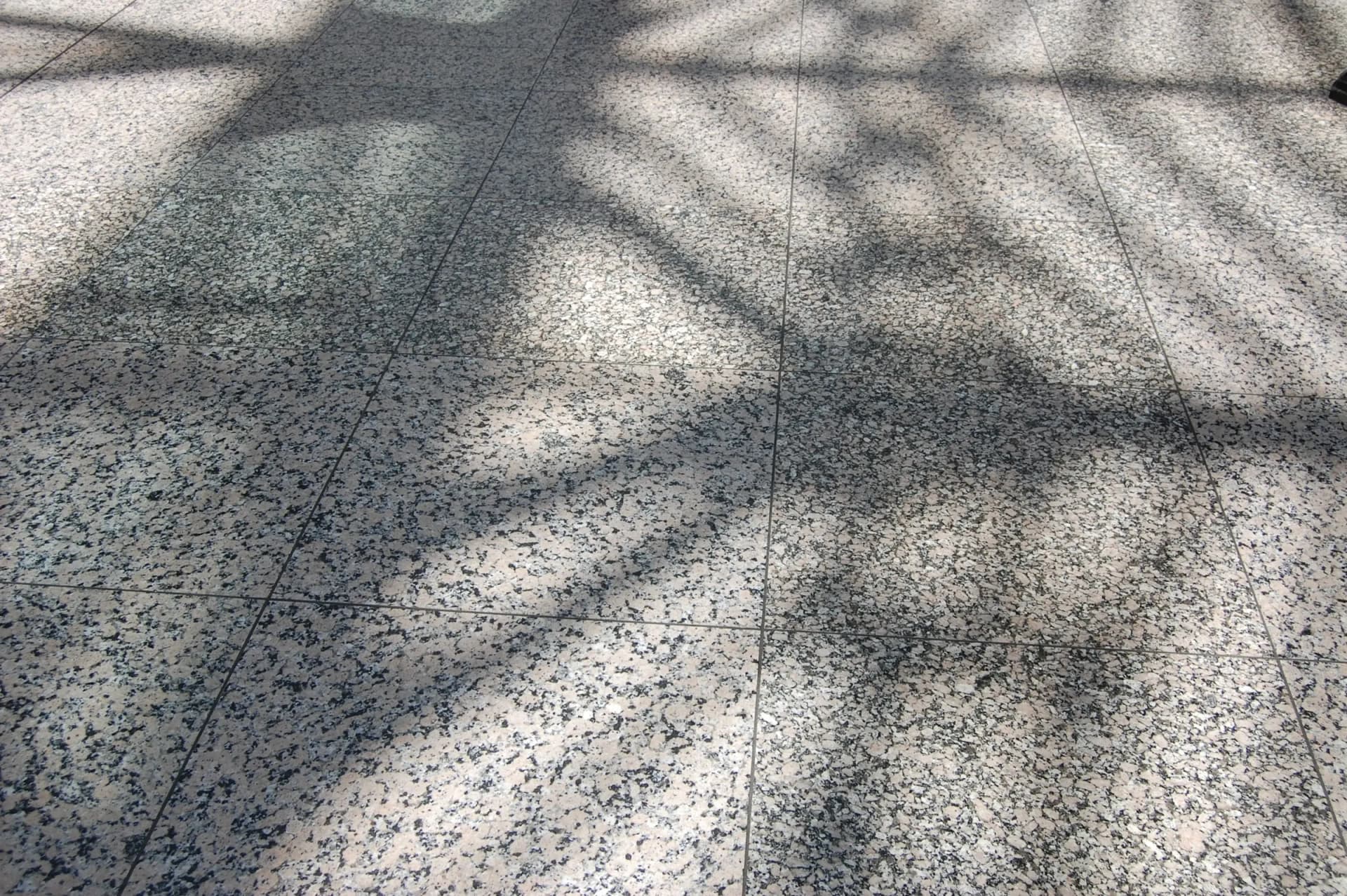
The slab is ground flat so a little of the stone shows, then sealed matte. It is the finish people mean when they ask for "polished concrete outside", because a true polish is slippery wet and glary in sun. Honed concrete is smooth barefoot, hoses clean and ties in with a polished floor inside. Pale mixes stay cooler.
Liquid limestone
A pigmented, cement-based surface hand-finished over the slab to look like natural limestone. It is the coolest finish underfoot and the most forgiving when wet, which is why it is so common around pools. It suits a coastal or Mediterranean look rather than a sharp modern one. See liquid limestone.
Exposed aggregate
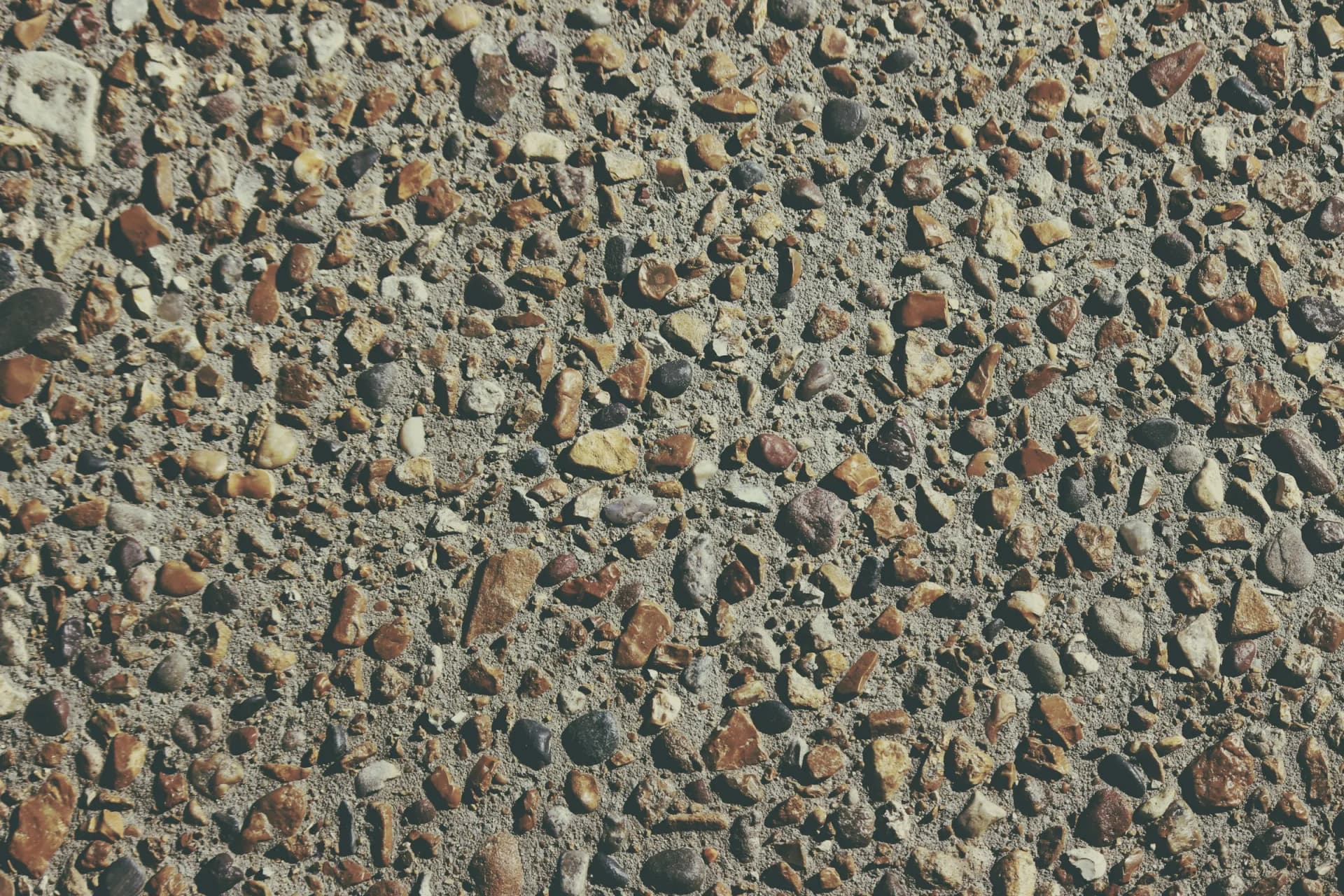
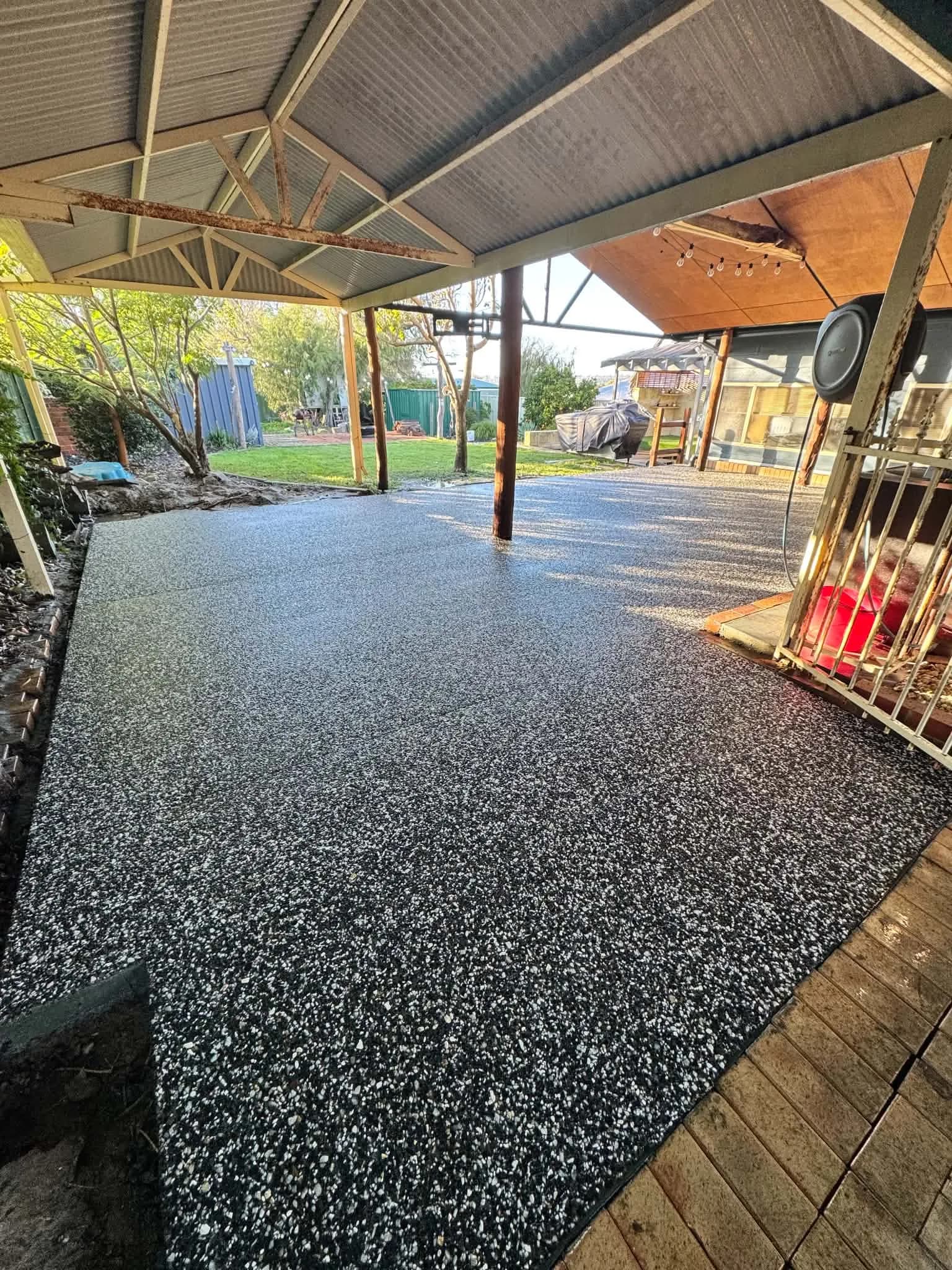
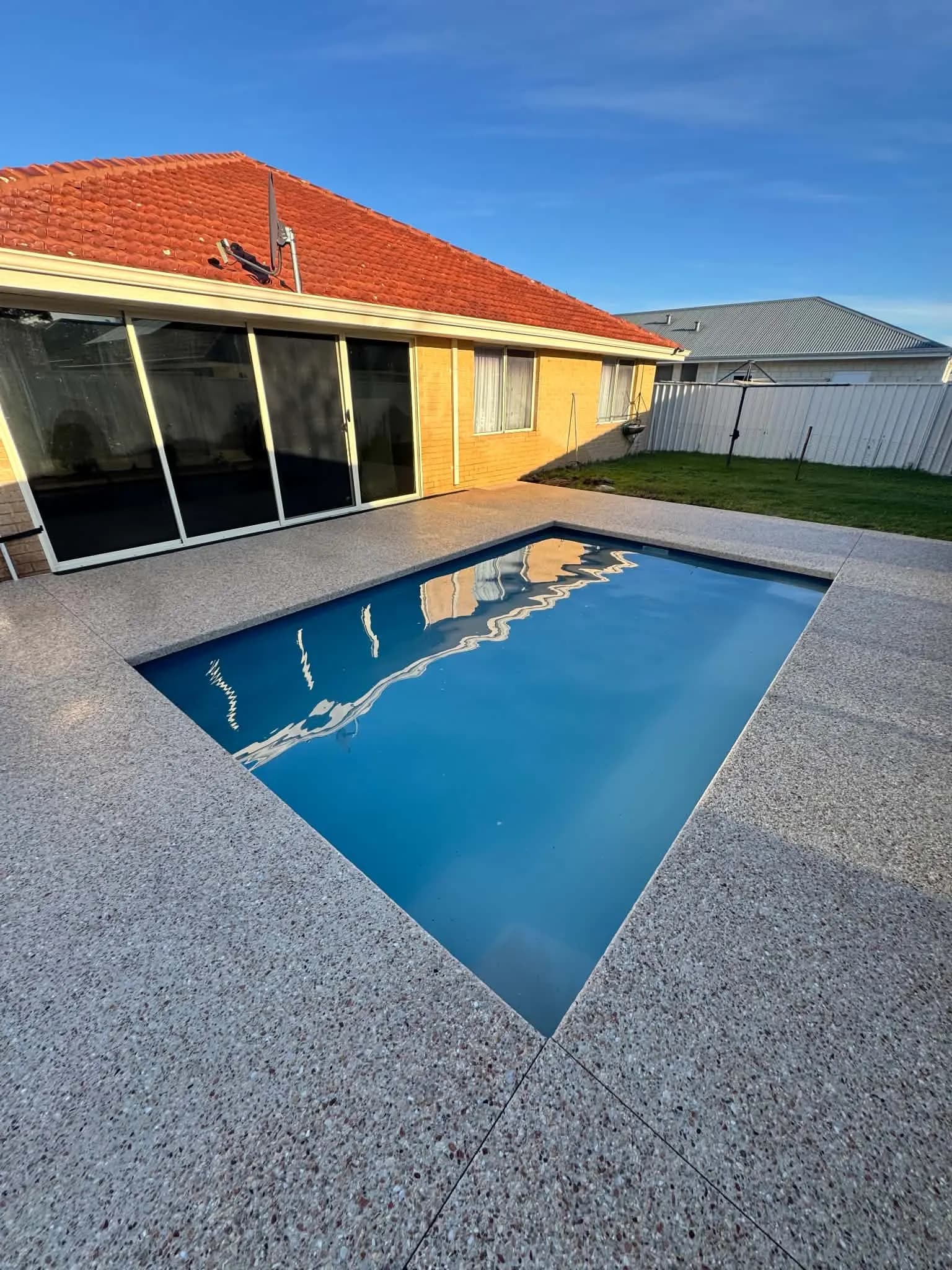
The top of the concrete is washed off while it is setting so the stones in the mix stand proud. Grip is the best of the six, and the look comes from the aggregate: pale quartz, dark basalt, river pebble. It is harder on bare knees and collects moss in shade, so it suits paths and open entertaining areas more than a spot where kids crawl. For a direct comparison with honed, read exposed aggregate vs honed concrete.
Coloured concrete
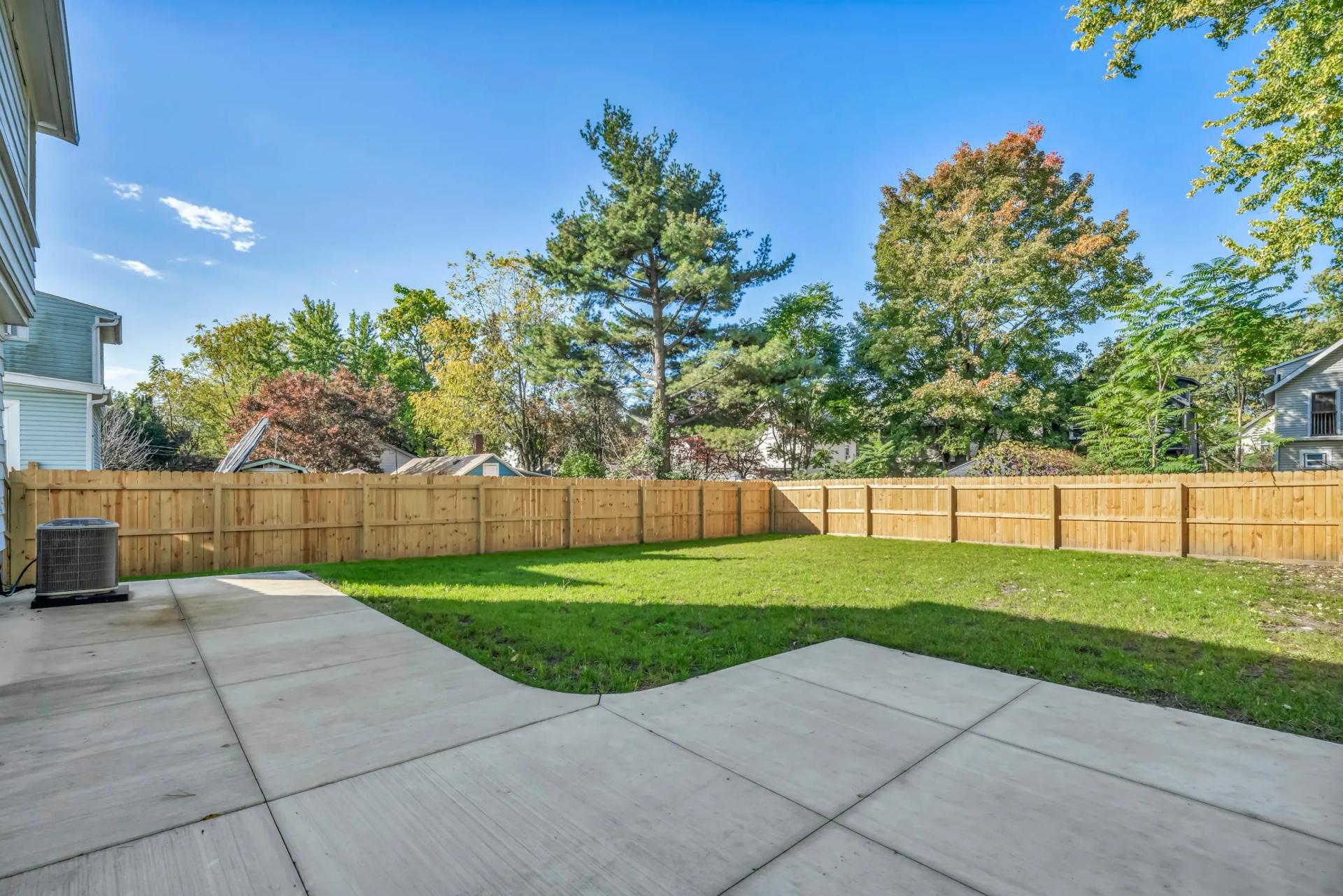
Oxide pigment goes into the mix, so the colour runs through the slab rather than sitting on top. It can be combined with any finish above. Charcoal and sandstone tones are the most asked for. Remember that dark concrete in full sun gets as hot as dark paving, so keep the darker tones for roofed areas.
Stamped and stencilled
Patterns pressed into fresh concrete, or stencilled on before colour is applied, give the look of pavers or stone without joints for weeds. The pattern needs the sealer kept up to stay crisp, and it has to be done at the pour, so it is a new-slab option only.
How to choose
- Roofed and dry most of the year: plain or coloured trowel finish, honed if it joins the indoor floor.
- Open to rain, barefoot traffic, near a pool: honed with a grip sealer, or liquid limestone. Our pool surround guide compares those two.
- Sloping, high traffic, side paths: exposed aggregate or broom finish.
- One look for the whole outside: pick a finish and run it across the patio, paths and driveway in one program of work.
We bring samples to the site so you see each finish beside your walls and paving before deciding.
Where we work: Bunbury and the South West of Western Australia.
Common questions
- What is the most popular concrete finish for a patio?
- On an open patio in WA, honed concrete, because it is matte, grippy and easy to hose down. Under a roof, a plain or coloured steel-trowel finish is the most common because the slab is sheltered.
- Which patio finish stays coolest in summer?
- Liquid limestone, because it is pale and slightly textured. A light-coloured honed slab is next. Dark coloured concrete and dark aggregate get hottest, the same as dark pavers.
- Can I change the finish on an existing patio slab?
- Often. A sound slab can be honed, or have liquid limestone or an overlay applied. Exposed aggregate and stamping need to be done when the concrete is poured, so they are for new slabs.
Related services
 Service
Concrete patios
 Service
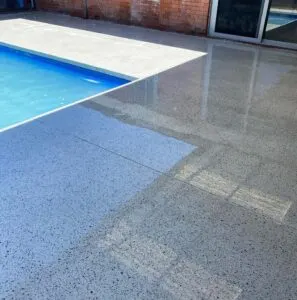
Honed concrete
 Service
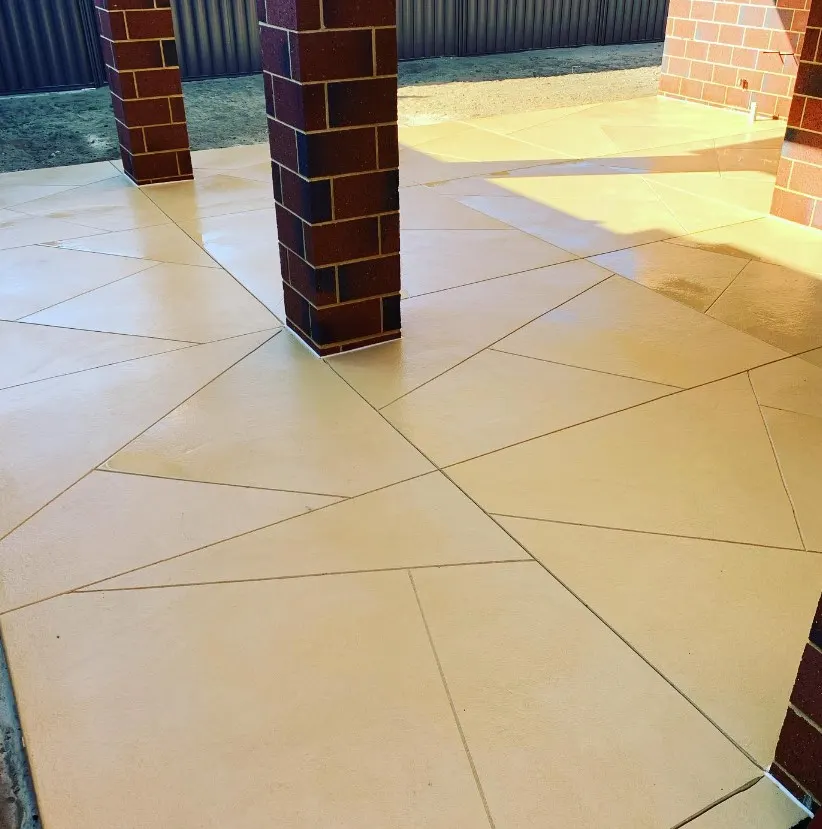
Liquid limestone
 Service
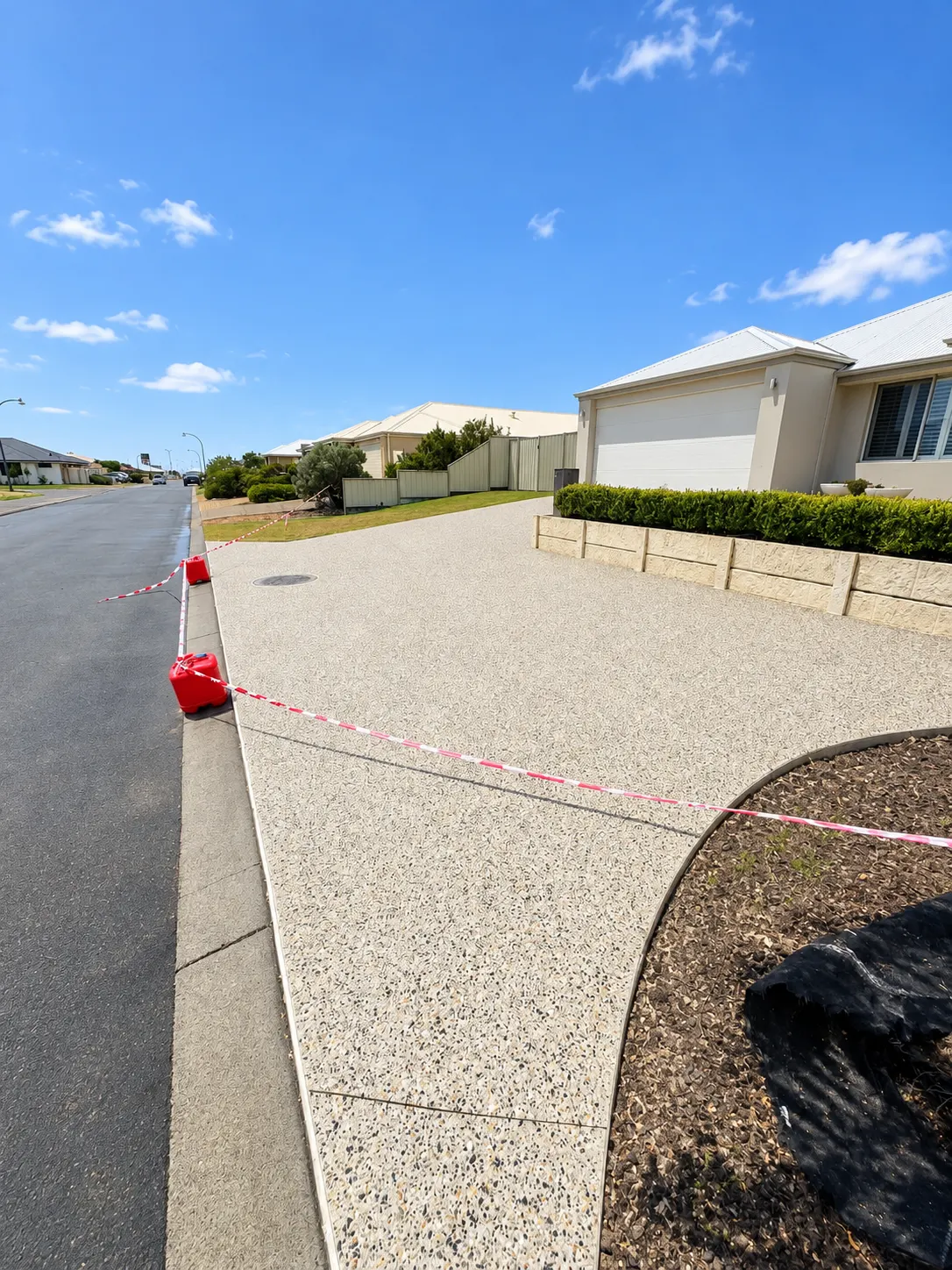
Concrete driveways and paths
 Who we work for
Residential
More guides
 Guide
Polished concrete bathroom floors: waterproofing, falls, grip and walls
Polished concrete bathroom floors in WA: where the waterproofing sits, falls to the waste, grip in the shower, sealer for a wet room, walls and hobs.
 Guide
Polished concrete kitchen floors: stains, chips, warmth and the benchtop
Polished concrete kitchen floors in WA: oil, wine and lemon stains, dropped plates, warmth and hydronic heating, colour, the benchtop and open plan.
 Guide
Concrete sealers explained: penetrating vs acrylic, and how often to reseal
Penetrating vs acrylic concrete sealers: which suits polished, honed, burnished, liquid limestone and exposed aggregate, how often to reseal and the signs.
 Guide
Polished concrete finish levels: aggregate exposure, sheen and grind and seal
Cream, salt and pepper or full exposure; matte, satin or high gloss; grind and seal or mechanically polished. Polished concrete finish levels explained.
 Guide
Outdoor polished concrete: alfresco, patio and the indoor-outdoor floor
Outdoor polished concrete usually means honed. Glare, heat, grip, sealers and how to run one finish from the living room to the alfresco, patio and pool in WA.
 Guide
Polished concrete garage floors: what to know before you decide
Is a polished concrete garage floor a good idea? Tyre marks, oil, sheen, new slab versus old, and when burnished or sealed suits a garage or shed better in WA.
 Guide
Polished concrete vs epoxy: which floor for a workshop, warehouse or shop
Polished concrete vs epoxy for a workshop, warehouse, shop or garage: wear, peeling, chemical resistance, downtime, upkeep and where grind and seal fits in.
 Guide
Polished concrete vs tiles: which floor makes sense
Is polished concrete cheaper than tiles? Often, on a new slab. How cost, grout, wet areas, comfort and resale compare, and why you can't polish over tiles.
 Guide
Exposed aggregate vs honed and polished concrete
Exposed aggregate, honed or polished aggregate: how each is made, how they differ on grip, cleaning and look, and which suits a driveway, pool or floor in WA.
 Guide
How to clean polished concrete floors
Everyday cleaning, what never to use, stains, and when a polished, honed or burnished floor needs resealing. Plain maintenance advice from Bunbury, WA.
 Guide
Polished concrete colours: what decides the final look
White, grey, black or aggregate? Where polished concrete colour comes from (cement, stone, oxides, sheen) and what you can choose on a new or existing slab.
 Guide
Polished concrete on an existing slab: can it be done?
Can an old slab be polished? What we check, what the slab decides for you, when an overlay or topping is the answer, and why a new slab is planned differently.
 Guide
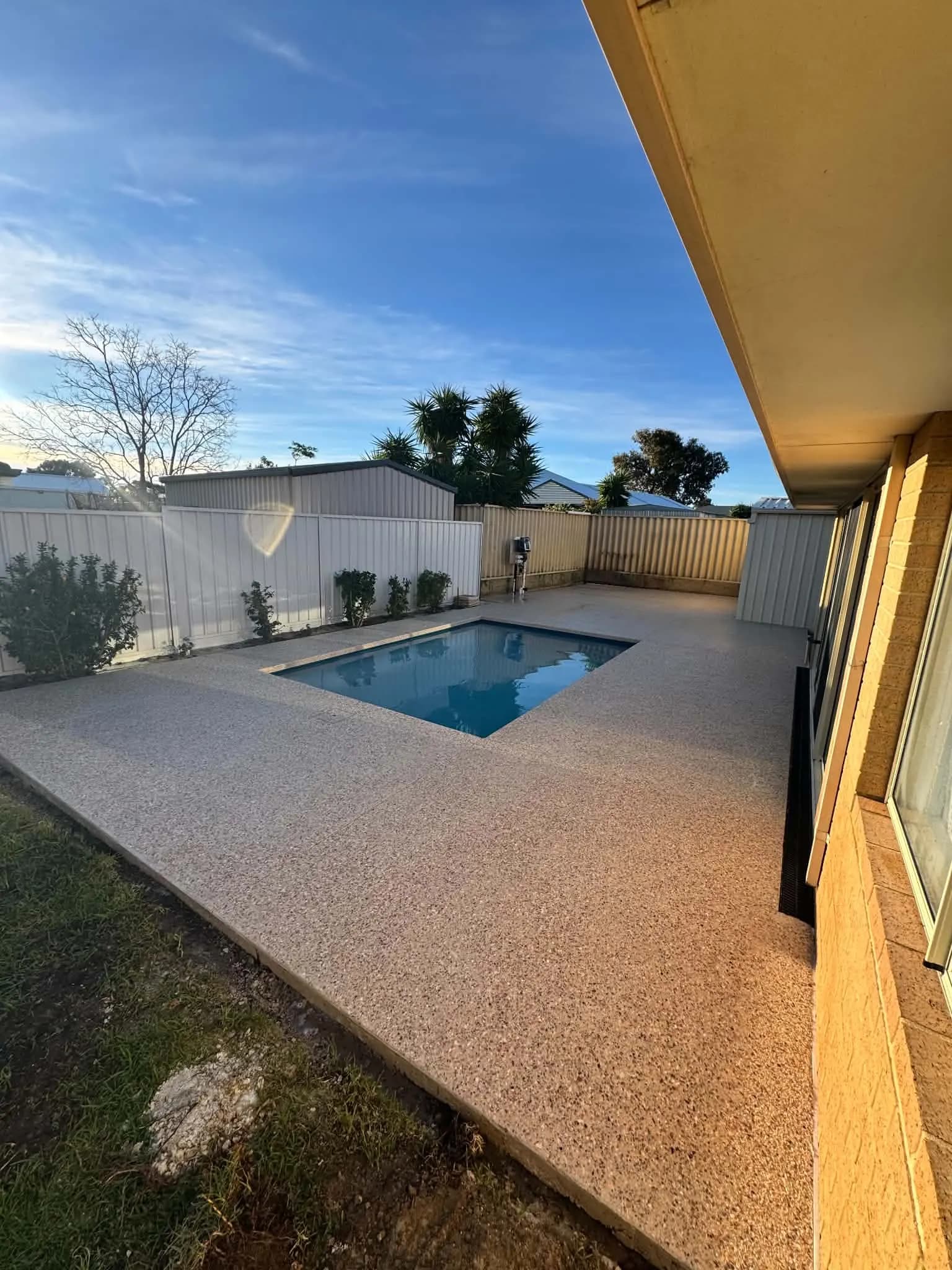
Concrete pool surround finishes: honed or liquid limestone?
Honed concrete or liquid limestone for a pool surround? How the finishes differ on grip, heat, glare and upkeep, and how to choose in WA.
 Guide
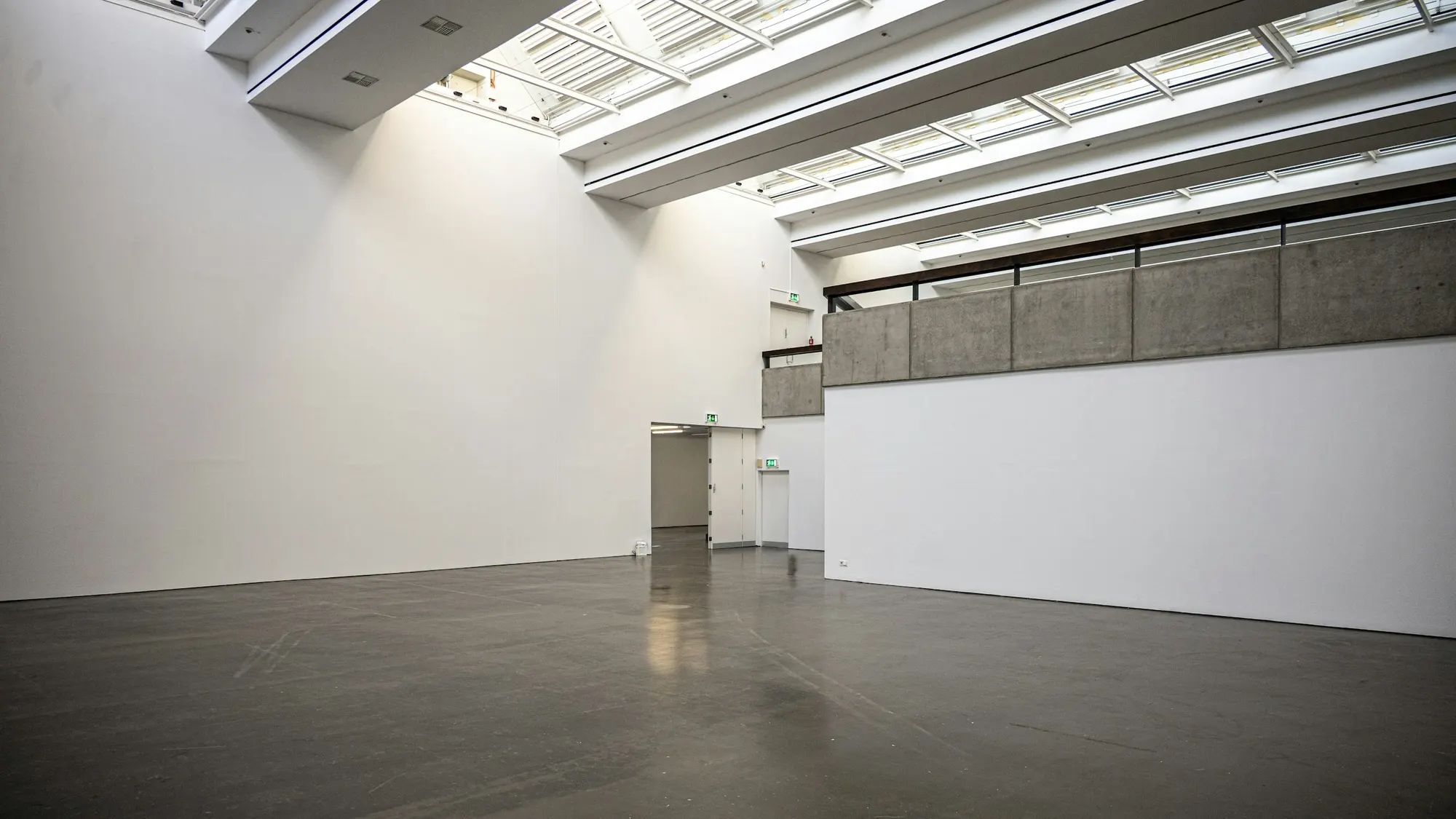
Is polished concrete slippery?
Is polished concrete slippery when wet? What decides grip, where a lower sheen suits better, and what to ask before you choose a finish.
 Guide
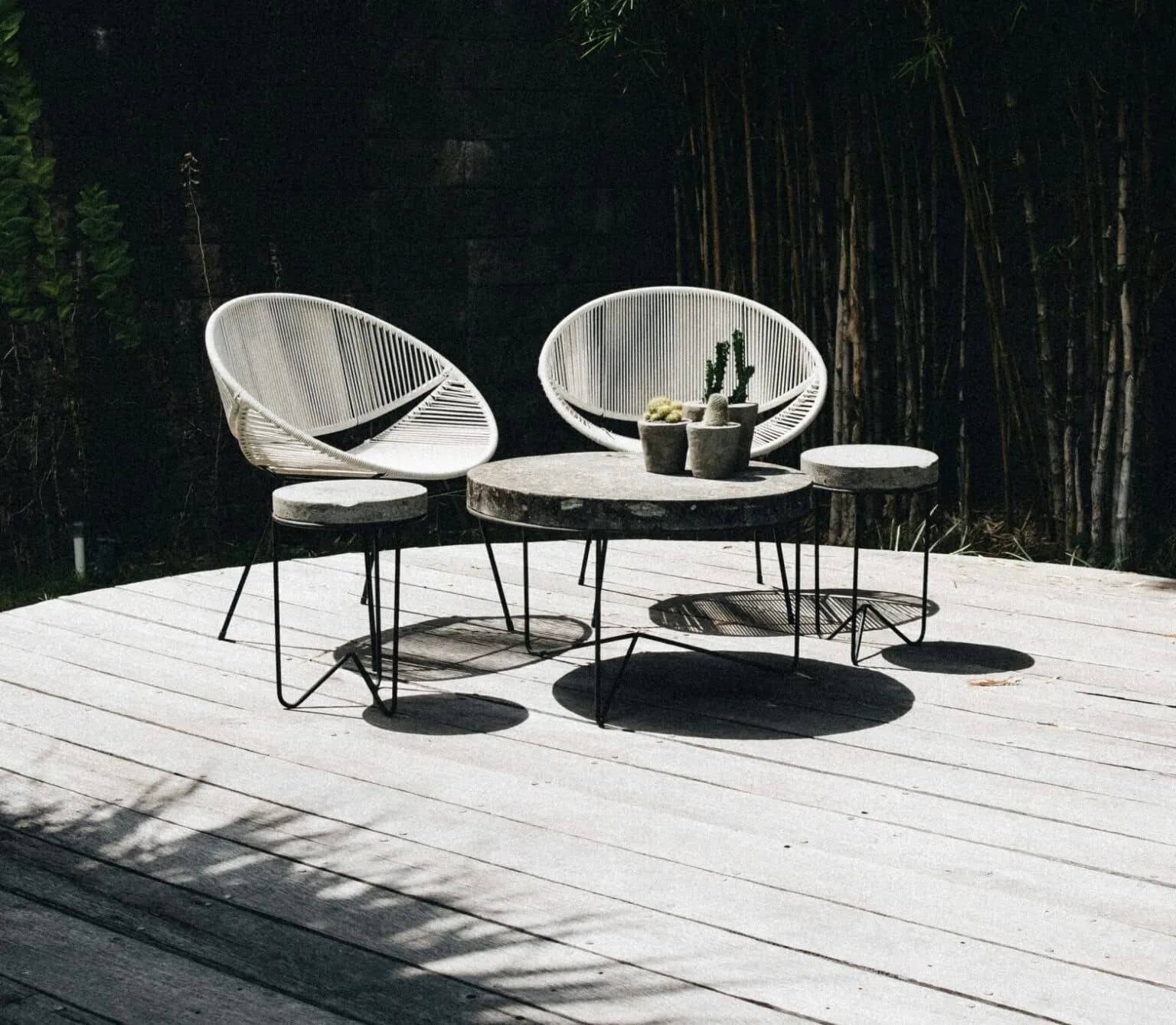
Concrete benchtops and furniture: what to plan first
Thinking about a polished concrete benchtop or custom concrete furniture? What it is, how it is made, and what to plan before you order in WA.
 Guide
Polished concrete cost: what decides the price
What drives the cost of polished concrete floors: slab condition, area, level of finish and access. How to get an accurate quote in Bunbury and WA.